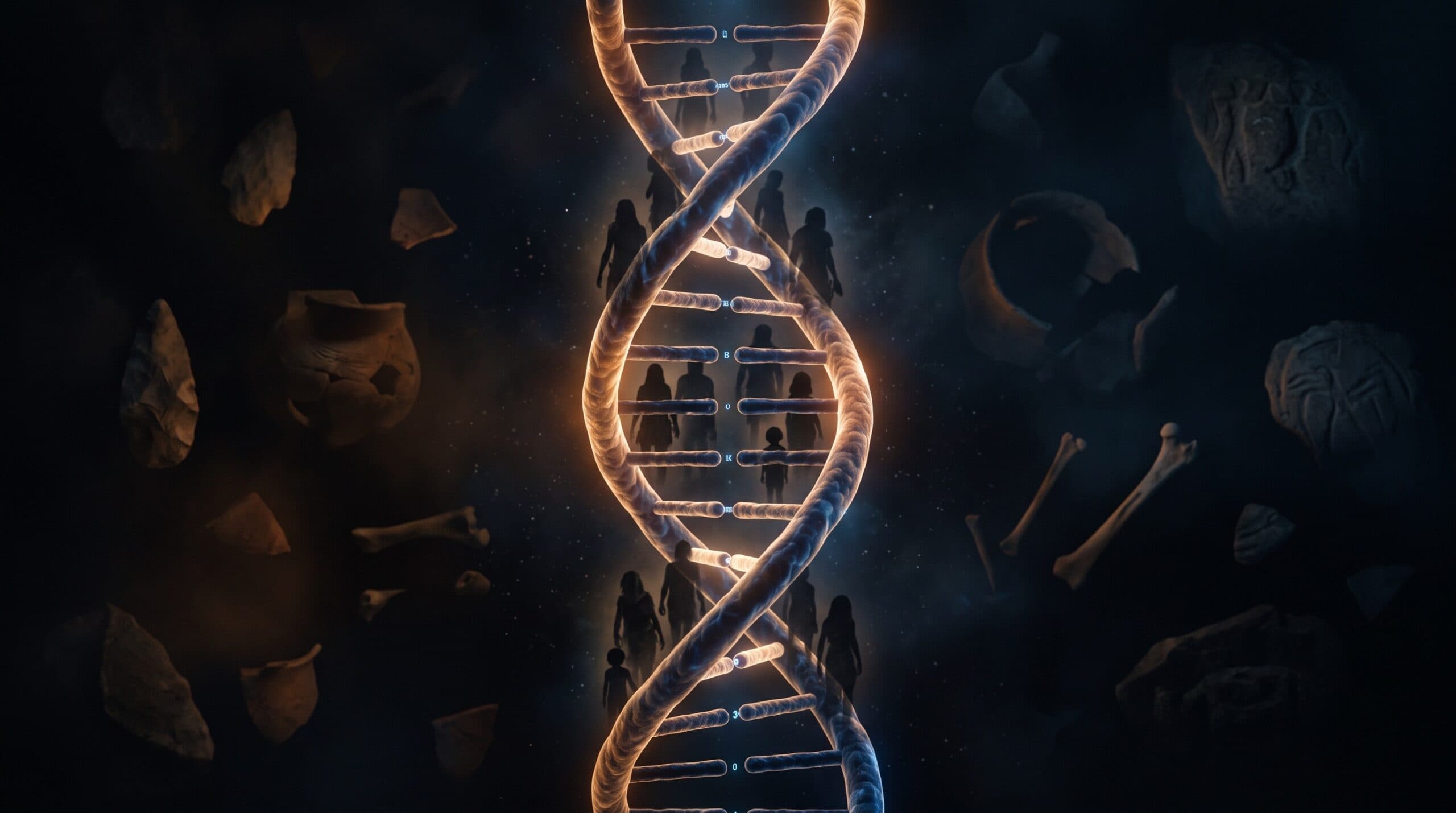

Did you know that the nucleotide sequence of DNA can be converted into music? In 1986, Japanese geneticist Susumu Ohno made a groundbreaking discovery by translating DNA sequences into musical notes. This revelation raises intriguing questions about the reciprocal relationship between DNA and music, particularly whether music can influence or even change our DNA.
Key Takeaways
- DNA and Music Connection: DNA can be converted into musical notes, revealing a hidden musicality within our genetic code.
- Cymatics and Sound: The study of cymatics shows how sound vibrations can create intricate patterns, hinting at their potential impact on our bodies.
- Healing Power of Music: Music may serve as a therapeutic tool, influencing gene expression and promoting overall well-being.
- Specific Frequencies: Frequencies like 432 Hz and Solfeggio frequencies may resonate with our DNA, potentially facilitating healing.
The DNA-Music Connection
In 1986, Susumu Ohno discovered that the nucleotide bases G, T, C, and A could be translated into musical notes A, C, G, and D. This connection between DNA and music opens a door to unexplored possibilities. If DNA can be transformed into music, what influence might music have on our genetic code?
DNA consists of four nucleotide bases: adenine (A), cytosine (C), guanine (G), and thymine (T). Each base plays a distinct role in shaping an organism’s genetic instructions. By associating musical notes with these bases, Ohno highlighted the interplay between science and art, igniting curiosity about how music might impact our genetic makeup.
Advertisement
Sound, Cymatics, and the Influence of Music on DNA
Music is a powerful medium that evokes emotions and physiological responses. It can ignite joy, calmness, or introspection. Given that music affects our emotions, could it also impact our DNA? Preliminary studies suggest that music may influence genetic expression and cellular processes.
The field of epigenetics explores how external factors can modify gene expression. Sound, as a form of stimulus, may trigger epigenetic changes. Recent research indicates that specific sound frequencies can stimulate or inhibit cell growth, influence protein synthesis, and modulate neurotransmitter release. This suggests that music, as a collection of harmonious frequencies, could interact with cellular processes, including those related to DNA.
The Fascinating World of Cymatics
Cymatics studies the relationship between sound vibrations and the formation of geometric patterns in various substances. By observing how sound waves create intricate shapes in materials like sand or water, researchers have uncovered the vibrational energy emitted by sound. This raises questions about how music, composed of complex sound waves, might influence our bodies, including our DNA.