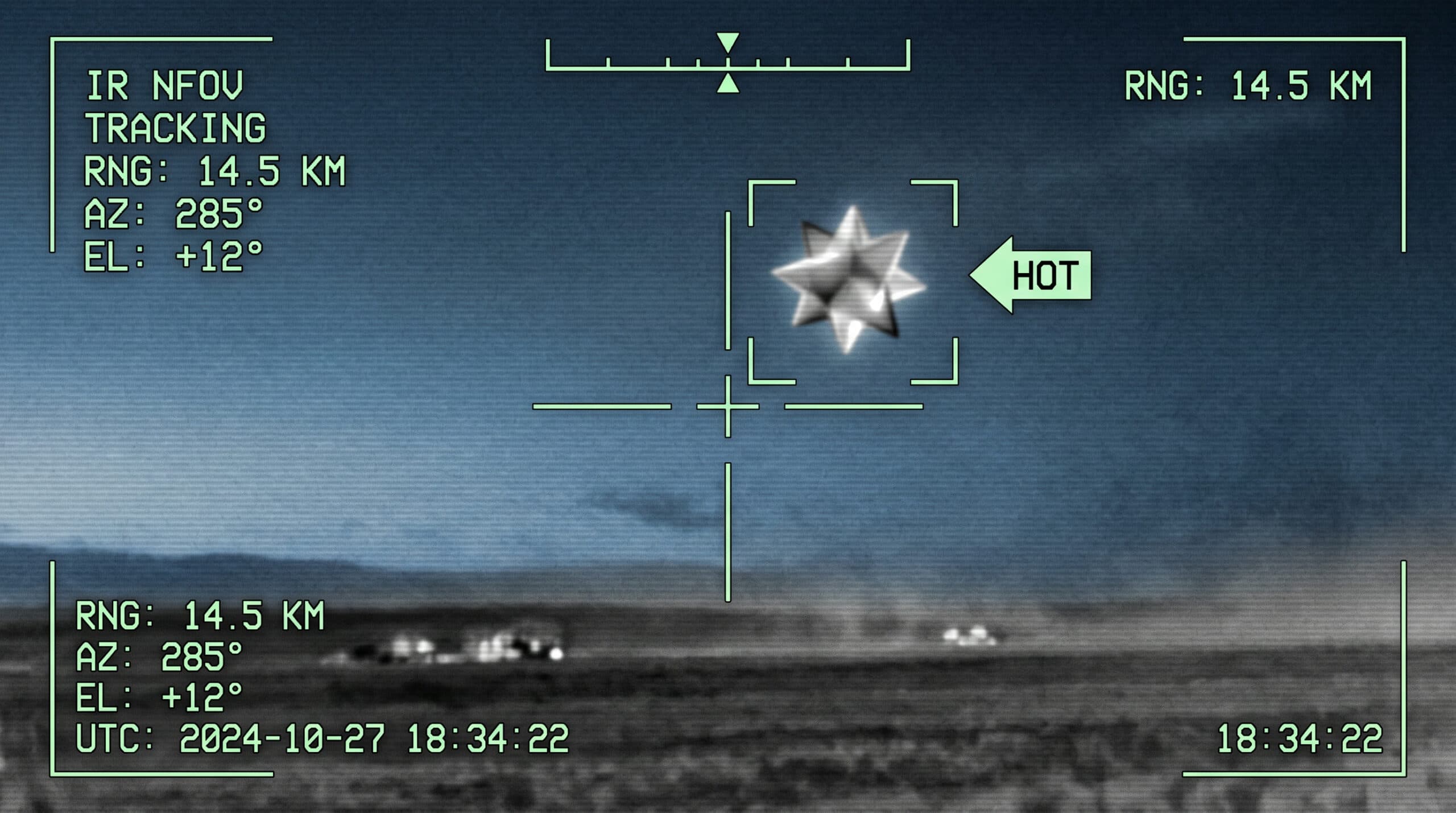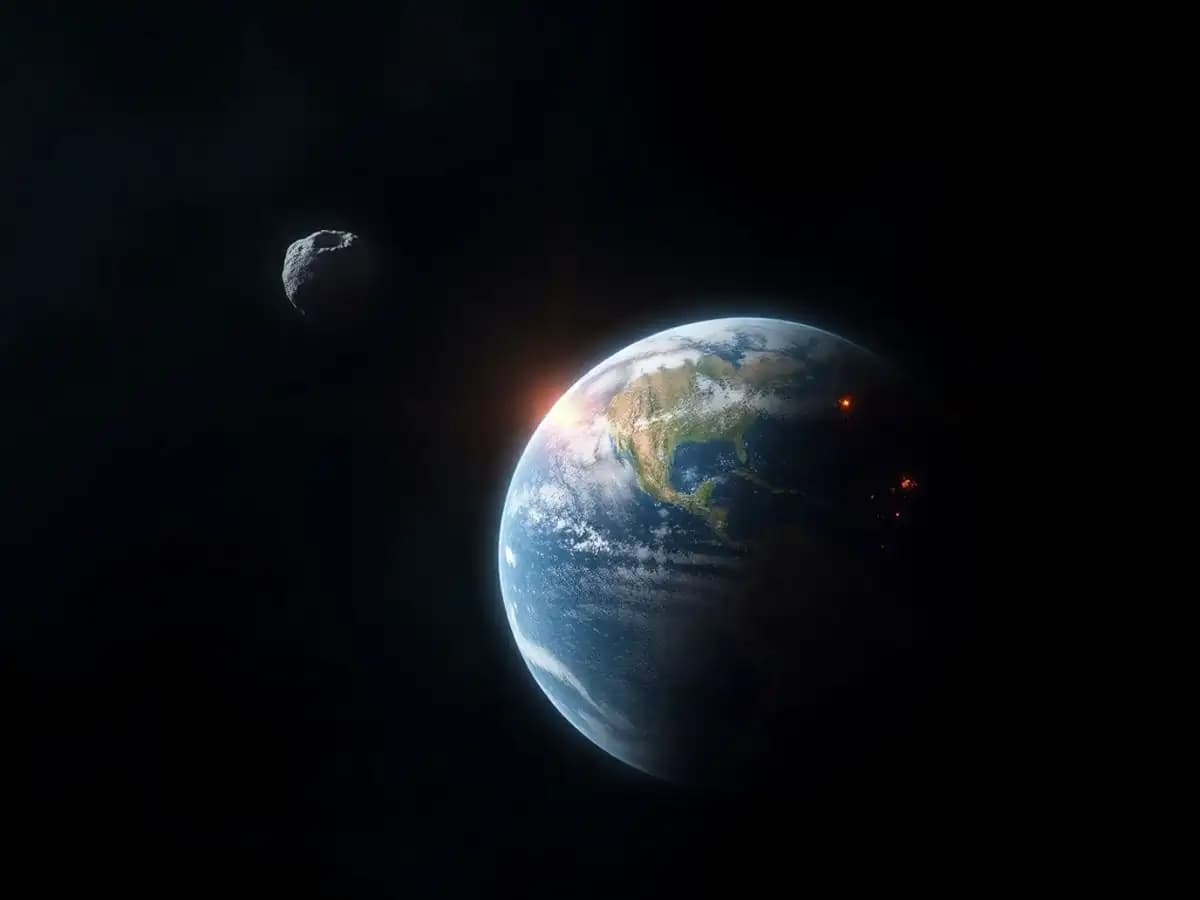

On December 3rd, 2024, a small asteroid named C0WEPC5 was detected just hours before it entered Earth’s atmosphere, creating a breathtaking fireball over Northern Siberia. This event marked the fourth imminent impactor identified in 2024, showcasing both the progress and challenges in asteroid detection and planetary defense.
Key Takeaways
- C0WEPC5 was discovered just hours before impact.
- The asteroid created a dazzling fireball over Siberia.
- This was the fourth imminent impactor detected in 2024.
- Advanced systems like NASA’s NEO Surveyor are crucial for tracking asteroids.
Imagine standing outside, gazing at the night sky, when suddenly a brilliant streak of light flashes across it. That’s exactly what happened on December 3rd, 2024, when C0WEPC5 entered Earth’s atmosphere. This small asteroid, measuring about 27 inches wide, was discovered by scientists at the Kitt Peak National Observatory in Arizona, a hub for cutting-edge telescopes and space research.
When it entered the atmosphere at 11:15 a.m. Eastern Time, it created a dazzling fireball that disintegrated harmlessly before reaching the ground. The European Space Agency even referred to it as a “nice fireball,” poetically describing the moment when a space rock meets Earth’s atmosphere in a fiery embrace.
Advertisement
This incident was significant as it was the fourth imminent impactor detected in 2024. These asteroids are identified only shortly before they enter the atmosphere, making detection a serious challenge. Given their small size compared to the vastness of space and their extraordinary speeds, systems like the Asteroid Terrestrial Impact Last Alert System (ATLAS) and the Catalina Sky Survey are constantly scanning the heavens to ensure we are not caught off guard.
The Science Behind Atmospheric Entry
When an asteroid like C0WEPC5 enters Earth’s atmosphere, it travels at incredible speeds—up to 44,000 mph. As it plunges toward Earth, the air in front of it compresses and heats up to thousands of degrees, turning the rock into a glowing streak of light. This phenomenon is known as a fireball or bolide. C0WEPC5 burned up high in the atmosphere, releasing its energy harmlessly.
For scientists, these moments serve as nature’s laboratory. By studying the brightness, sound, and fragments of fireballs, researchers can learn about the asteroid’s speed, composition, and even its journey through space. This knowledge is crucial because not all asteroids burn up safely. For instance, the Chelyabinsk meteor of 2013 exploded over Russia, injuring over 1,500 people and causing widespread damage.