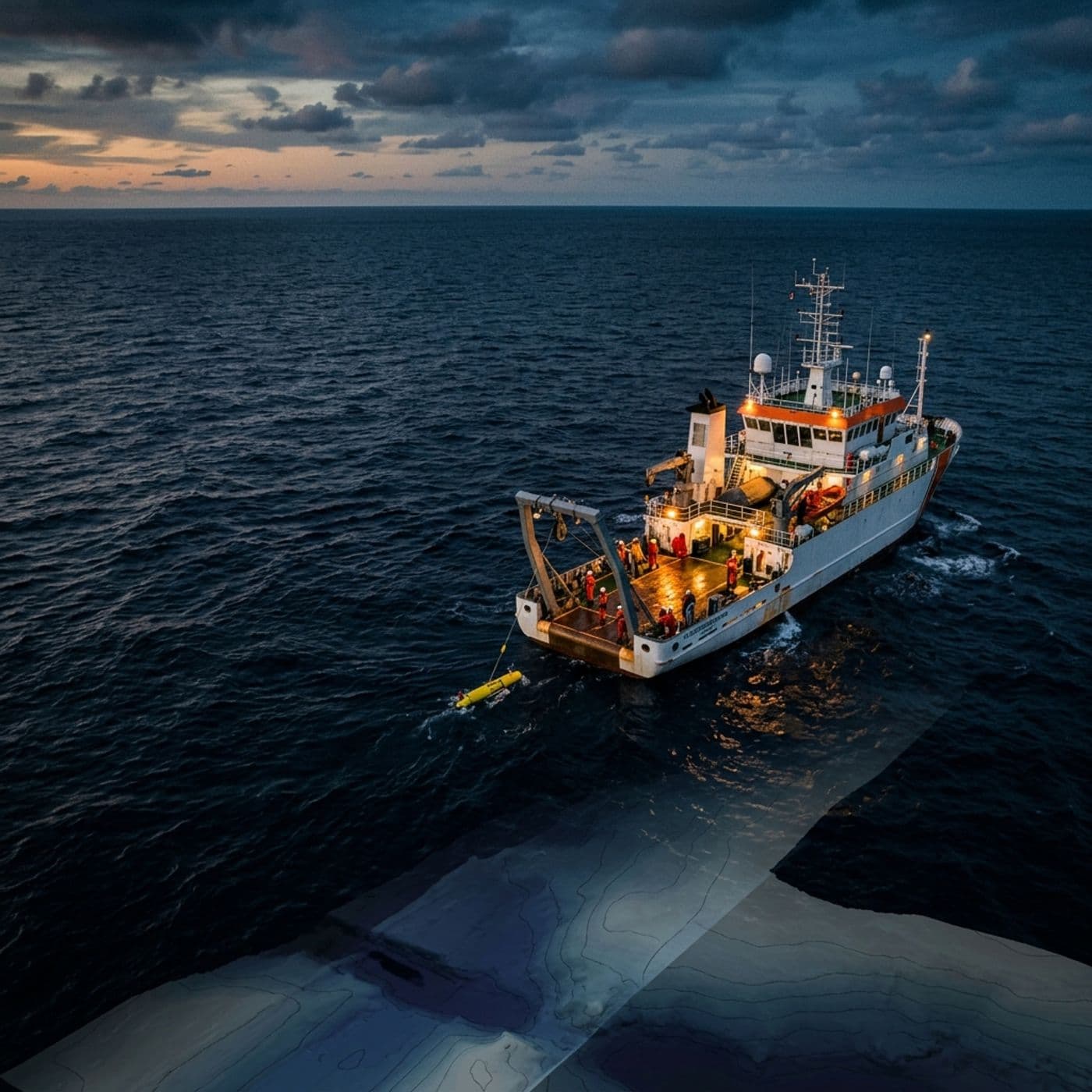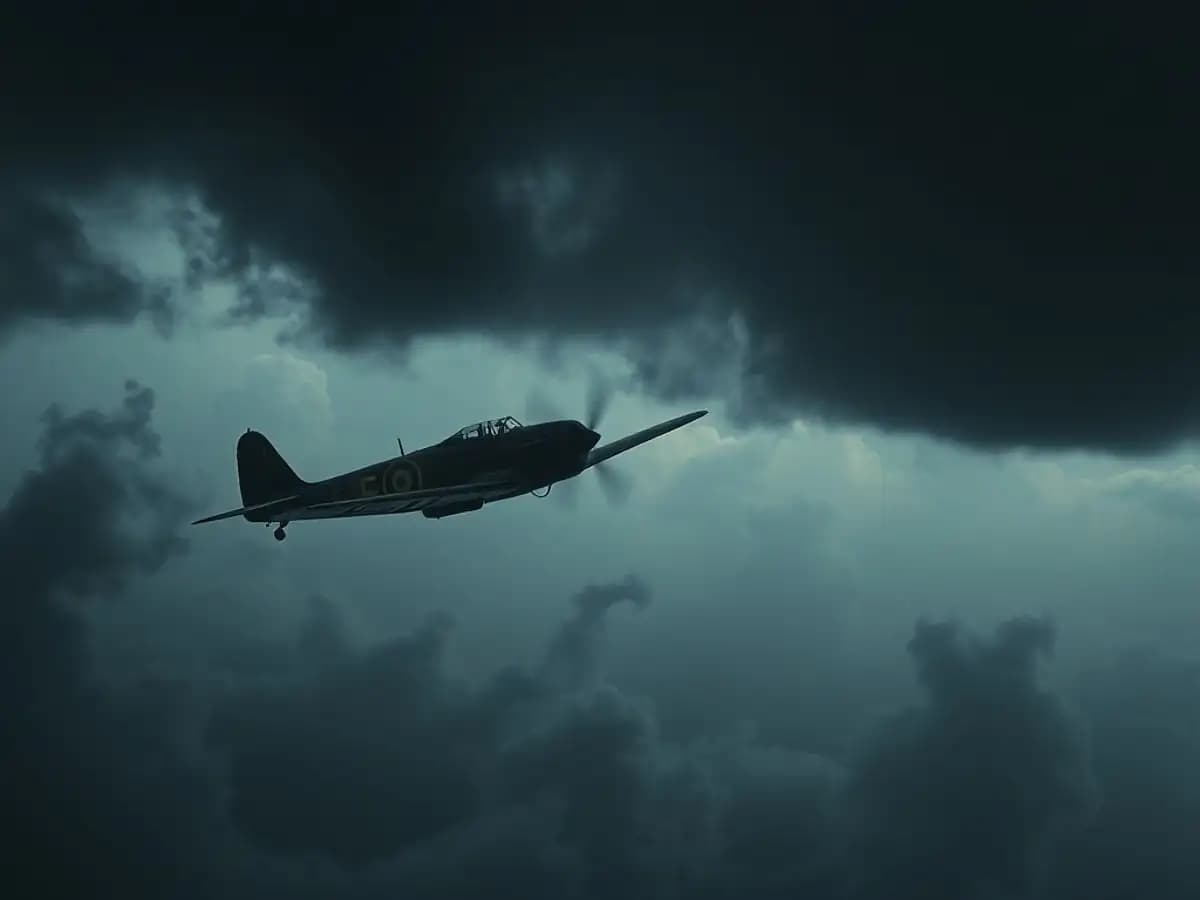

As the sun rose on July 2nd, 1937, Amelia Earhart faced a dire situation. With fuel running low and no land in sight, her final flight became a tragic tale of miscommunication and navigational errors that could have been avoided with a better understanding of physics and technology.
Key Takeaways
- Amelia Earhart aimed to be the first woman to fly around the world.
- Her flight plan involved crossing the vast Pacific Ocean, requiring precise navigation.
- Communication failures and equipment issues contributed to her disappearance.
- Understanding radio technology and navigation could have changed the outcome.
The Ambitious Journey
Amelia Earhart was not just a pilot; she was a pioneer. Her goal was to become the first female pilot to circumnavigate the globe. Unlike previous aviators who took safer northern routes, Earhart chose a more challenging path close to the Equator, which included a perilous crossing of the Pacific Ocean.
On July 2, 1937, she took off from Lae, New Guinea, in her Lockheed Electra. The Pacific Ocean, vast and unforgiving, loomed ahead. Earhart had stripped her plane of unnecessary weight, even removing insulation, which made communication with her navigator, Fred Noonan, difficult. She was determined to succeed, believing that extra supplies would only add to her worries.
Advertisement
The Flight Plan
Earhart’s flight plan was ambitious. She aimed to reach Howland Island, a tiny speck in the ocean, for refueling. The island was only about two kilometers long and less than one kilometer wide, making it a challenging target to locate.
To navigate, Earhart and Noonan relied on a method called dead reckoning. They calculated their position based on speed, time, and wind conditions. However, they also needed to account for celestial navigation, using the stars to determine their location. This method, while effective, could lead to errors over long distances.
The Role of Radio Technology
In 1937, radio technology was still in its infancy. Earhart’s plane was equipped with multiple antennas for communication, but the technology was not foolproof. She had a high-power transmitter, but her trailing antenna was not optimal for long-distance communication.
As they flew, Earhart reported her altitude and speed but failed to acknowledge warnings about stronger headwinds. This oversight would prove critical. The radio communication system was supposed to help her navigate, but it was fraught with issues.
Advertisement