

Key Takeaways
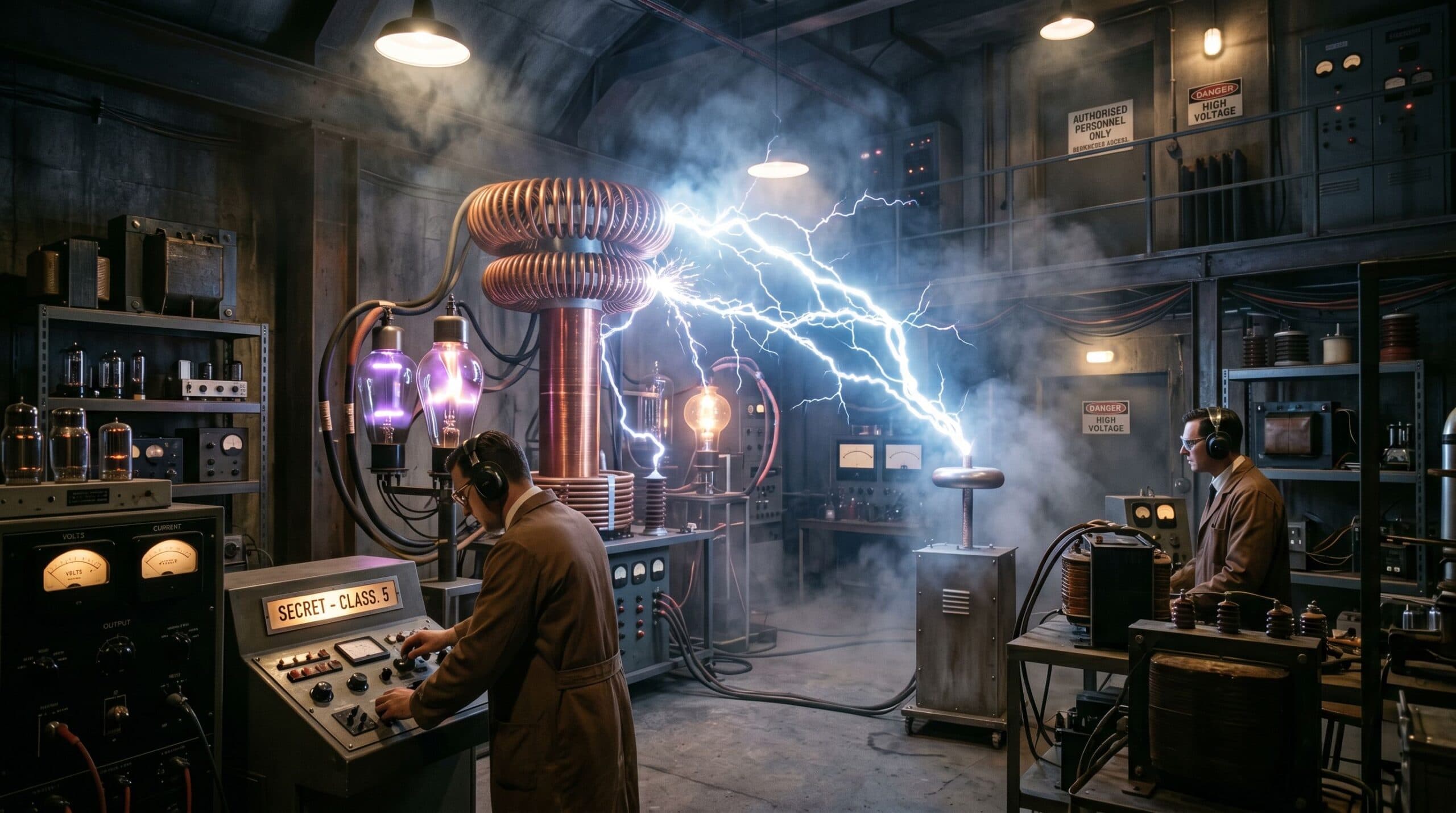
- Geoffrey Drumm proposes that monuments such as Avebury and the Giza Plateau were arranged to harness lightning and telluric currents, producing nitrates and ammonia that could aid post‑Ice Age agriculture and recovery.
- Independent science confirms telluric currents as a real geophysical phenomenon and documents lightning’s role in atmospheric nitrogen fixation (estimates commonly cited around 2.6 Tg/yr, with ranges in some reviews higher). Monument dates and dimensions are well established in archaeological literature.
- Major gaps remain: no published, reproducible archaeological or chemical evidence demonstrates industrial‑scale production at these sites (no datable production layers, waste deposits, or linked artifacts have been confirmed).
A Rain‑Soaked Circle, A Humming Plateau
Field accounts and community reports describe wet stonework, ozone or ammonia tangs in enclosed chambers, and occasional low‑frequency hums after storms. Geoffrey Drumm compiles such observations in his documentary series “The Land of Chem,” arguing the sensory reports and monument geometries reflect purposeful electrical harnessing. Those sensory reports are intriguing but remain anecdotal without laboratory verification tied to dated archaeological contexts.
Evidence and Sources
Concrete, verifiable pieces include: Avebury’s construction window (commonly cited ~2850–2200 BCE, per English Heritage/UNESCO), the Great Pyramid’s documented base and height figures (archaeological references and encyclopedic sources), peer‑reviewed geophysics describing magnetotelluric methods and multiple mechanisms for Earth currents, and atmospheric chemistry literature documenting lightning‑driven nitrogen fixation. These scientific foundations show the physical processes are real, but they do not by themselves demonstrate ancient engineered chemical production.
Where Claims Outpace Data
Drumm reinterprets monument geometries and sensory reports as components of engineered systems. The critical shortfall is direct, datable material evidence: residues, production vessels, slags, or chemical signatures in stratified deposits that would indicate sustained manufacture or collection tied to those structures. Mainstream archaeology interprets Avebury and Giza in ceremonial, funerary, and socio‑political terms; proponents of the electrical‑manufacture hypothesis must bridge the gap with reproducible material finds.
Advertisement
Tests That Would Matter
Targeted investigations could move the question from speculation to testable science: (1) magnetotelluric and other geophysical surveys to detect persistent current anomalies associated with monuments; (2) systematic soil and sediment chemistry (nitrate, ammonium, and isotope ratios) from sealed, datable contexts near features claimed to be production loci; (3) focused excavation for production debris or related artifacts. Positive results would be repeatable geophysical signatures correlating with unexplained chemical enrichments in securely dated contexts; negative results would leave the conventional interpretations stronger.
What is the central claim? Are the physical processes real? What evidence is missing?