The Unexplained Company Logo
Art Bell’s Area 51 Caller: The Broadcast That Went Dark

Art Bell’s Area 51 Caller: The Broadcast That Went Dark

Art Grindstone

December 24, 2025
Cataclysm Survival Briefing — Access Briefing Now

Key Takeaways

  • What appears to have happened: On the night of September 11–12, 1997, a frantic caller claiming to be an ex-Area 51 employee broke down on Art Bell’s Coast to Coast AM, warning of extra-dimensional threats, right before the feed cut out for about 25 seconds.
  • What the verifiable evidence supports: Program histories confirm a satellite transmission outage during the broadcast, and the circulating audio clip captures the call and dead-air gap, with no primary engineering logs publicly available to explain it.
  • Core questions that remain open: Was the outage a coincidence, a hoax, or something more? Without station master tapes or satellite operator bulletins, we can’t tie it to a specific cause, and later claims of pranks lack forensic backing.

The Night the Airwaves Went Quiet

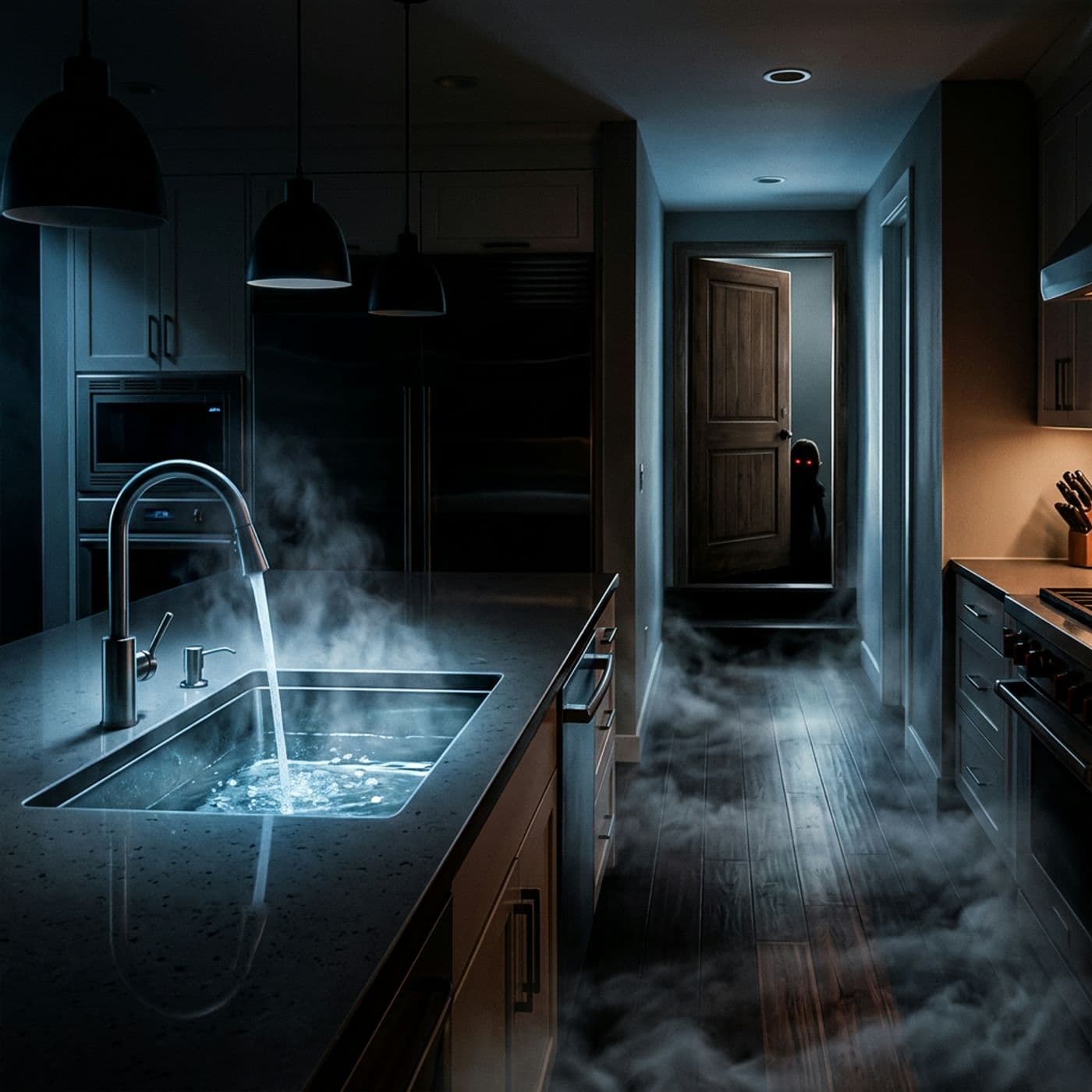
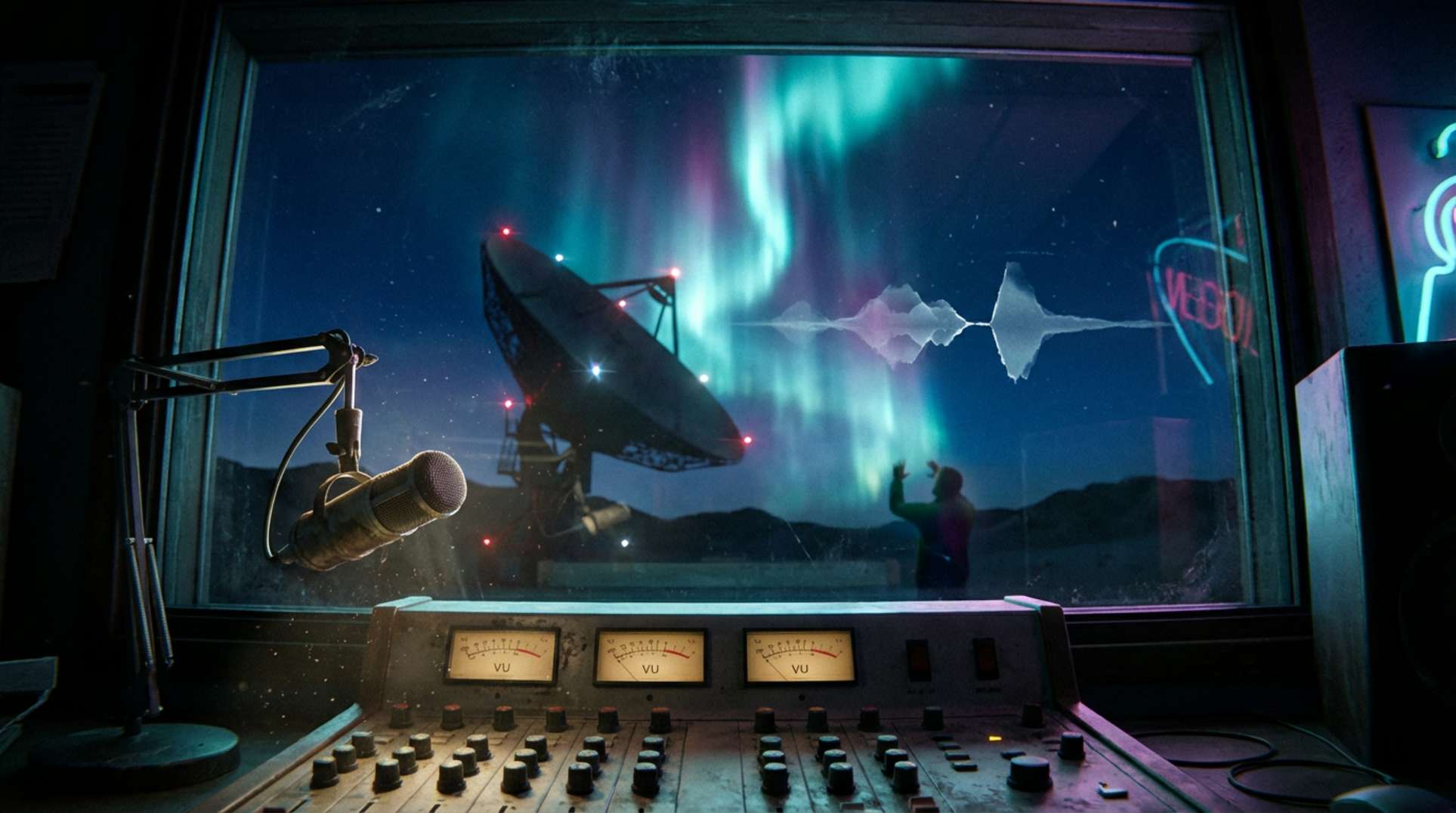
It was deep into the overnight hours of September 11–12, 1997, when Art Bell’s Coast to Coast AM held court over the airwaves. Listeners tuned in from shadowy corners, drawn to tales of the unknown. Then came the caller—voice trembling, claiming ties to Area 51, spinning warnings of extra-dimensional beings infiltrating our world. His words escalated into sobs, frantic and raw. And just as the panic peaked, silence. For roughly 25 seconds, the feed vanished, leaving millions in spine-tingling quiet. That clip? It’s echoed through forums, YouTube, even sampled by Tool. Decades later, it pulls us back, a relic of radio’s eerie edge.

What Witnesses and Analysts Report

Live on air, the caller sounded terrified, insisting he’d worked at Area 51 and knew of looming dangers from beyond our dimension. Listeners heard his voice crack, turning to outright sobbing as he begged for understanding. Art Bell and his team noted the transmission glitch right then, scrambling to reconnect. In the years since, communities tracking UFOs and the paranormal have dissected it endlessly—some see raw truth in the emotion, others a masterful hoax, and a few an uncanny tech failure aligning perfectly with the drama.

Reactions poured in from callers and fans, many convinced the timing was no accident. Then came the after-the-fact claims: A 1998 caller said it was all a prank. In 2014, comic writer Bryan J. L. Glass stepped forward, saying he was behind it. But neither has backed it with station logs or voice matches. That dead-air stretch? It’s what fuels the fire—listeners argue it elevated a wild call into something legendary, making the silence as telling as the words.

Timelines, Tracks, and Hard Data

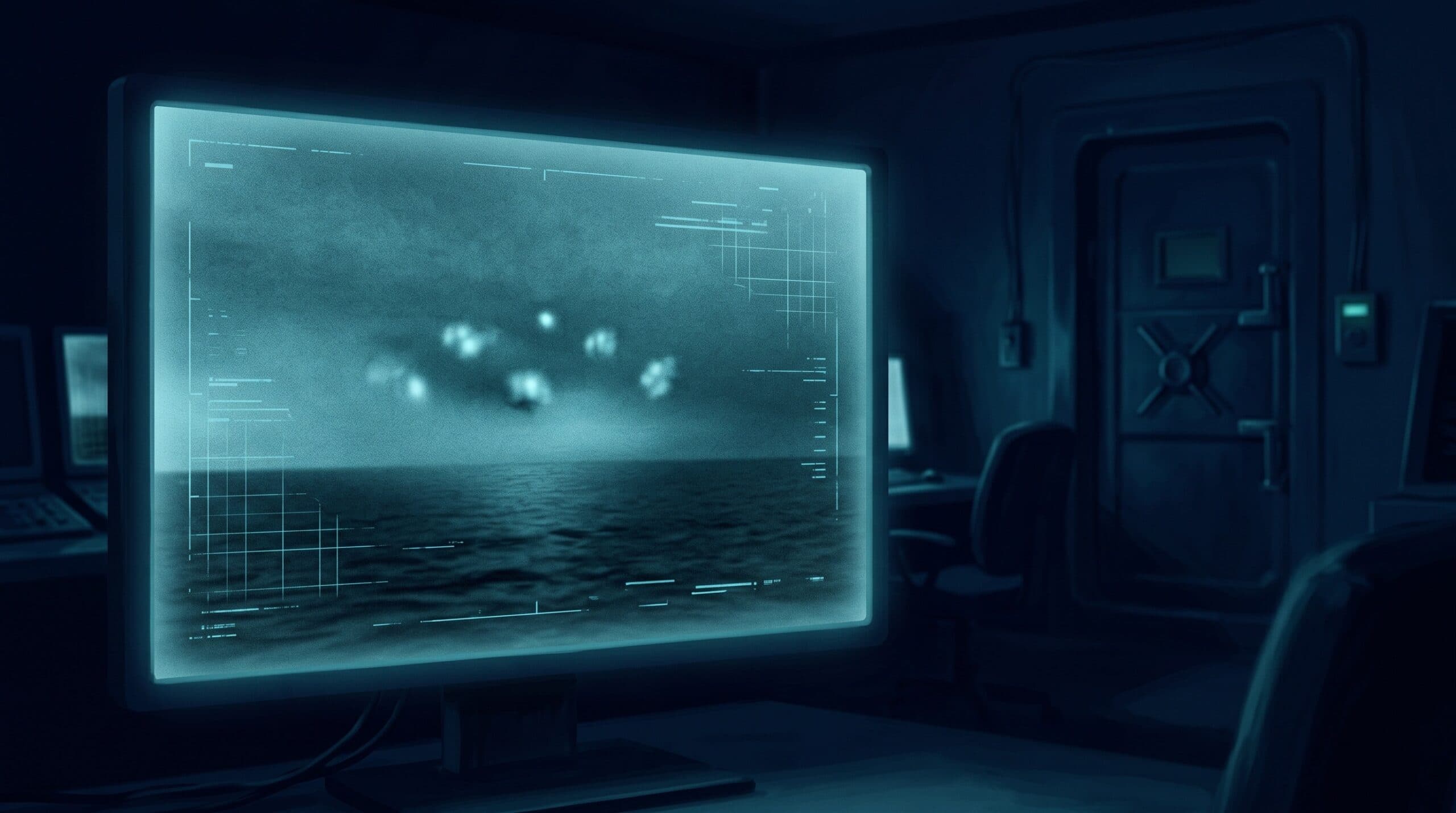
The core artifact is the audio clip, circulating on YouTube and Rumble, matched by published transcripts of the call. It captures the buildup and that measured gap—clocked at about 20–30 seconds, often pegged at 25. Program accounts from Art Bell and others describe a satellite uplink failure hitting the show and possibly other channels that night. Broader context shows satellite glitches weren’t rare in 1997–1998; issues like the ADEOS satellite problems in September 1997 and various GEO anomalies underline that outages happened.

Yet, key pieces are missing: No public engineering logs, uplink data, or bulletins from operators like GE tie directly to this broadcast. We rely on reposted listener recordings, not syndicator masters from Premiere or Westwood One with proper chain-of-custody. Here’s a quick breakdown:

DateDead-Air DurationTranscript/Audio AvailabilityReported Technical CauseLater Claims of Authorship
Sept 11–12, 1997~20–30s (commonly ~25s)Yes, circulating clips and transcriptsSatellite/transmission outage (unsourced)1998 prank caller; 2014 Bryan J. L. Glass

Official Story vs. What the Data Suggests

The show’s side has always framed it as a transmission hiccup—Art Bell acknowledged it live, and histories call it a satellite failure that briefly knocked out the feed. Some accounts mention an ‘earth sensor lost lock’ from GE engineers, but dig deeper, and there’s no primary bulletin or release to confirm it for this exact moment.

Community voices push back, highlighting the caller’s genuine-sounding distress and the outage’s suspicious timing as signs of more at play—maybe suppression, maybe just bad luck. Satellite failures did crop up in that era, so coincidence fits without stretching. Still, without those engineering reports or a verified master tape, the official line rests on word-of-mouth. What could close the loop? Incident logs from the operators or timecoded archives—until then, it’s a standoff between explanations.

What It All Might Mean

Boil it down: We know the call aired on September 11–12, 1997, with a distraught voice claiming Area 51 insider knowledge, followed by a 20–30 second silence confirmed in clips and histories as a transmission outage. What we lack are the logs, telemetry, or chained master recordings to pinpoint why—and no solid forensics link later hoax claims to the voice.

Open questions linger: Was the timing pure chance, or does it hint at interference? Why no public operator bulletins? For leads, chase down Premiere’s archives, satellite data for that window, or run voice analysis on a true master if one surfaces. This matters because it weaves media history with black-budget whispers and tech quirks. It’s a puzzle we could solve with cooperation from record-holders. Until then, it stands as potent radio—part showmanship, part enigma, all unanswered.

Frequently Asked Questions

Yes, it occurred during the overnight broadcast on September 11–12, 1997. The caller claimed ex-Area 51 ties and warned of extra-dimensional threats, becoming emotional before the feed cut out. Circulating audio clips and program histories confirm the event.

Program accounts from Art Bell and histories describe a satellite uplink failure during the call, with the dead-air gap measured at about 20–30 seconds in clips. Satellite anomalies were documented in 1997–1998, making it plausible, but no primary engineering logs or operator bulletins specifically for this broadcast have surfaced.

Yes, a 1998 caller claimed it was a prank, and in 2014, Bryan J. L. Glass said he authored it. However, neither has provided independent verification like station logs or forensic voice matches to tie back to the original broadcast.

It blends UFO lore, paranormal claims, and a mysterious tech failure, resonating in communities tracking black-budget programs. The clip’s spread through forums and media like Tool samples keeps it alive, representing an intersection of radio drama and unresolved questions about government secrets.

Access to primary engineering logs, satellite telemetry from that night, or a verified master recording with chain-of-custody would clarify the outage’s cause. Independent voice analysis could also test later hoax claims against the original audio.