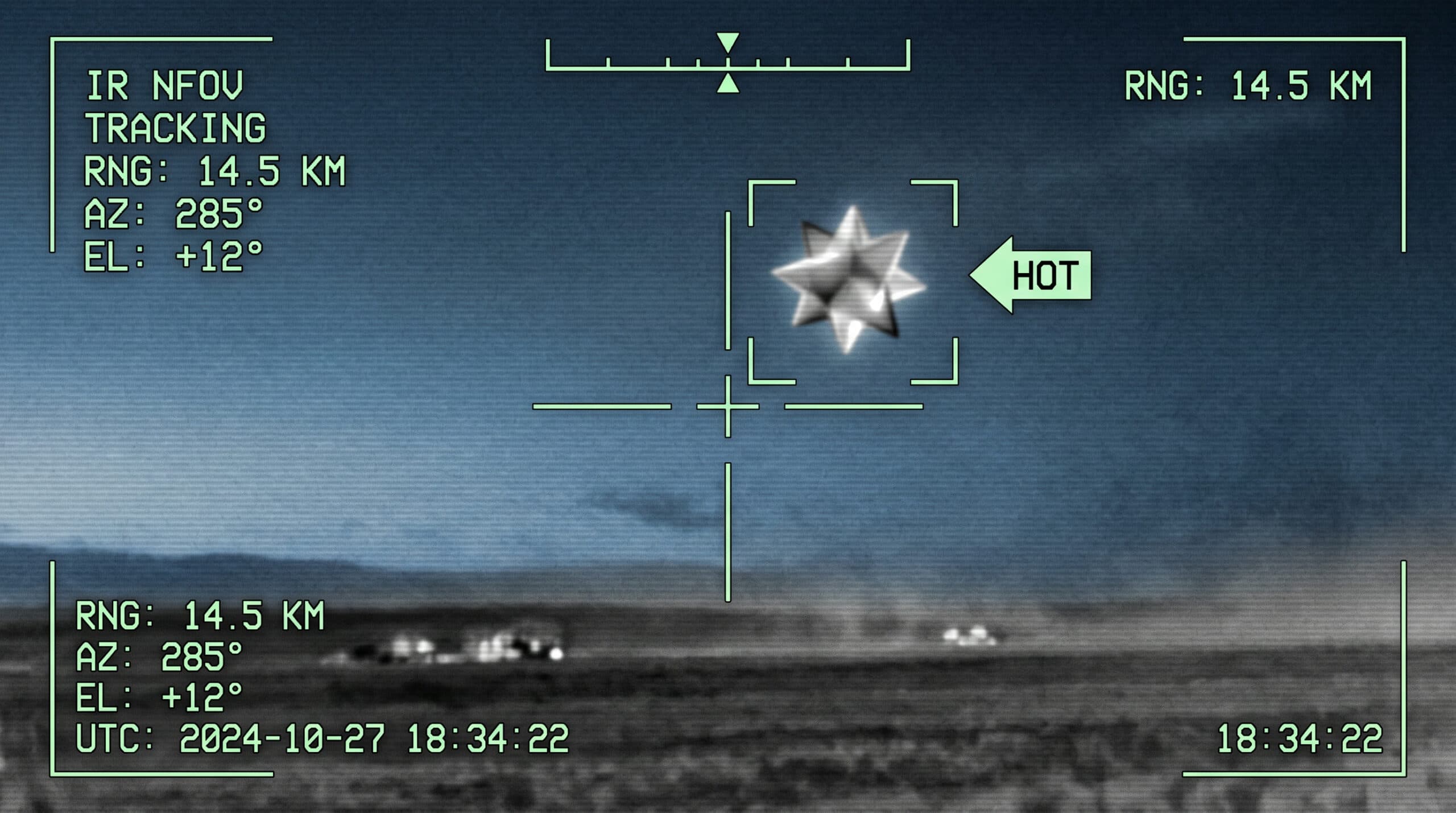
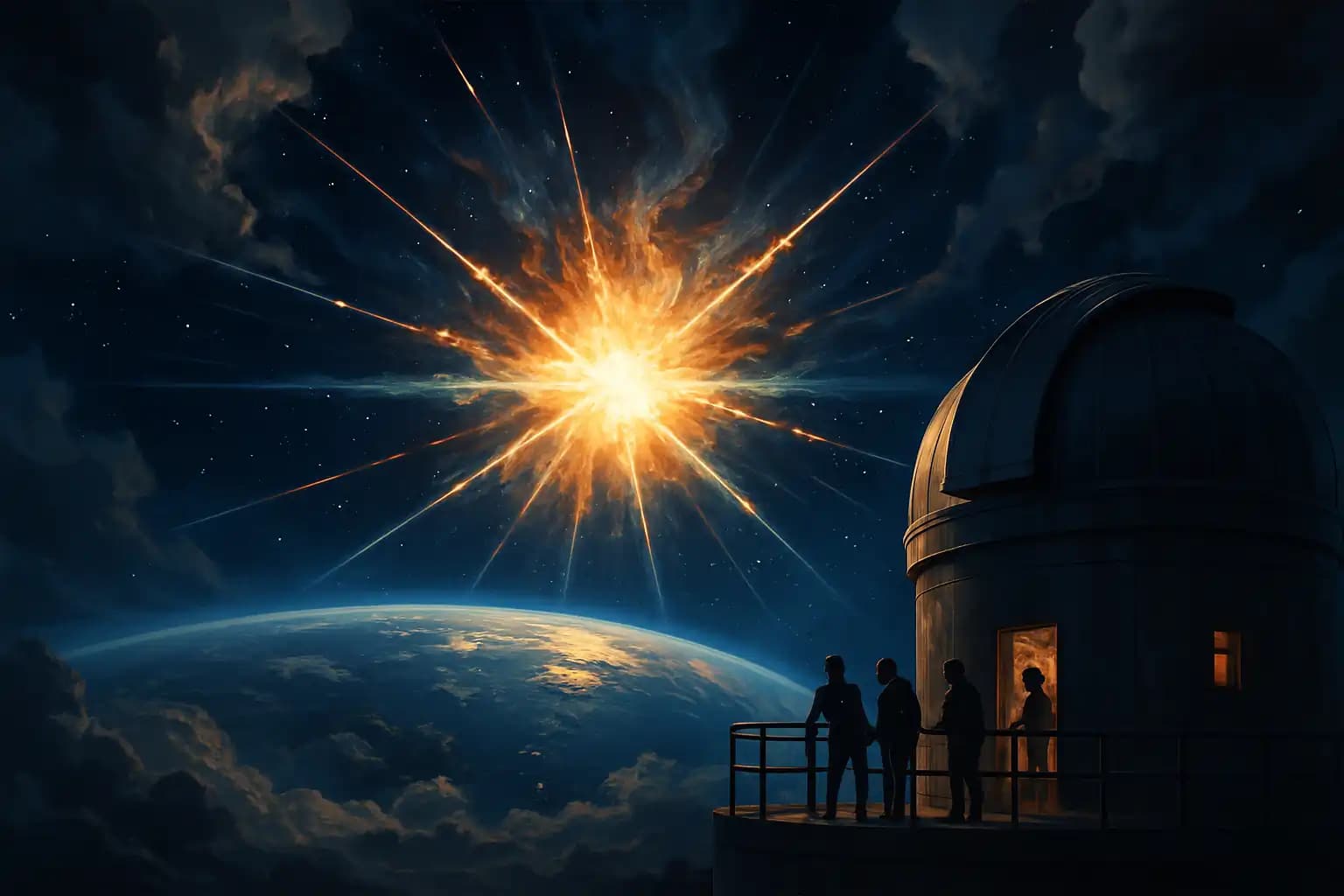

Astronomers monitored the universe when a strange cosmic explosion flared much closer to Earth than usual. This sparked panicked headlines, doomsday murmurs, and frantic telescope adjustments. But what’s really happening? Is humanity in danger, or is this just another strobing footnote in the endless saga of cosmic surprises?
According to this deep-dive feature, astronomers have identified dozens of bizarre outbursts—known as “cow flares”—that challenge our understanding of stellar explosions. These strange, bright flashes deviate from the usual categories of supernova or gamma-ray burst. Alarmingly, the latest explosion occurred not in a distant galaxy cluster, but much closer from an astronomical perspective. Scientists, as stated in Nature’s investigation, admit these events are largely unexplained and may indicate new physics or unknown black hole behaviors. If this doesn’t energize you like a cosmic jolt, consider that, as reported in scientific reports, these explosive events generate power billions of times greater than our Sun—making human technology appear insignificant.
What Makes This Explosion Different—And More Alarming?
We’ve cataloged many cosmic eruptions, but the proximity and unfamiliar signature of this event unsettle the astronomical community. Unlike regular supernovae or even solar activity, this blast did not fit any known pattern. Some theorize it could signify a new way stars die, or an interaction with a hidden compact object—perhaps a mini black hole or a rogue neutron star. This explosion concerned astronomers because, unlike distant gamma-ray bursts, it broke the rules. Cue the existential nail-biting about the consequences of another event—closer or stronger—that could threaten our planet.
Advertisement
From Cosmic Dread to Scientific Opportunity
When you hear “massive explosion” and “near Earth,” it’s natural to panic. Yet scientists advocate for a response of curiosity over dread. Recent discoveries outlined in this analysis of existential risk and alarming stories of solar flare blackouts reveal that the biggest dangers aren’t what we tend to fear. This mystery blast likely presents an opportunity for new astrophysics, not an immediate extinction threat. However, one shouldn’t dismiss the shadow cast by historic cosmic events—the ancient blasts may have triggered past mass extinctions, and continue to bombard our atmosphere today.