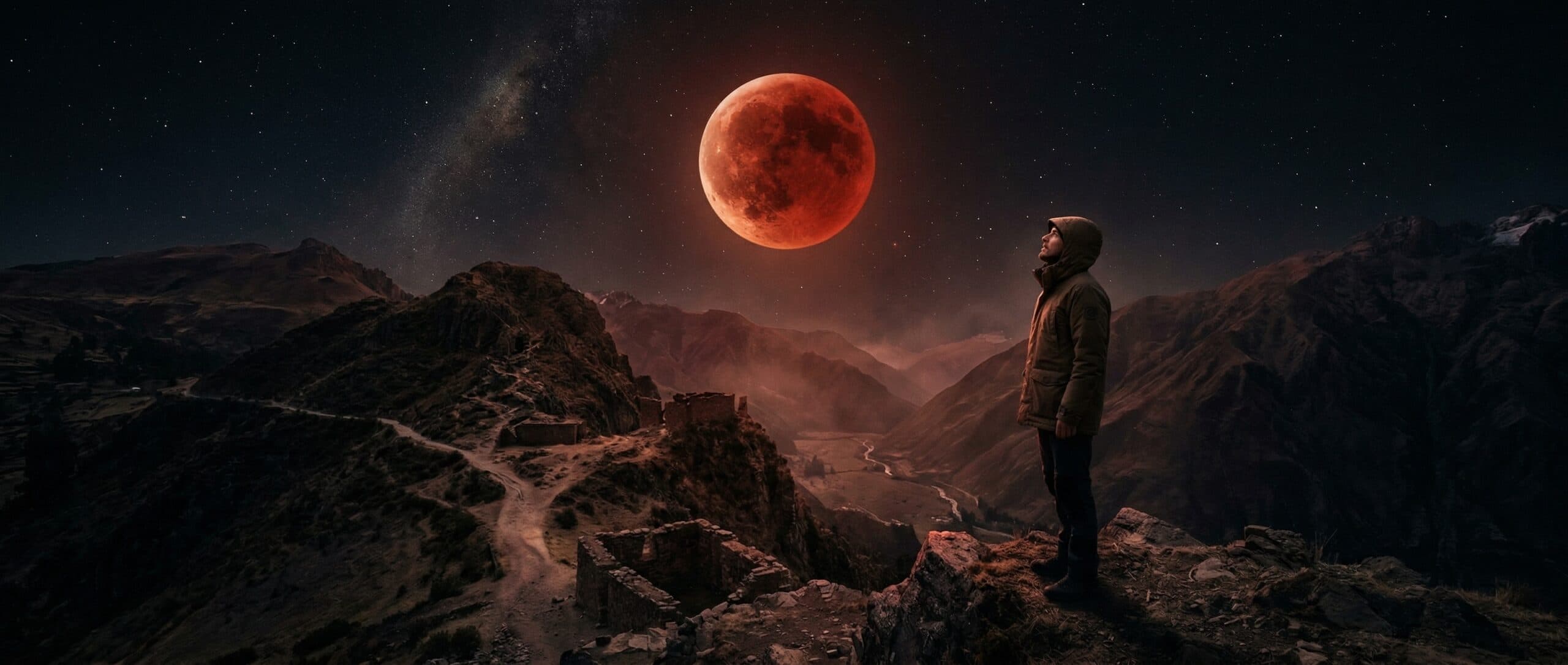

The March 2026 total lunar eclipse triggered a fresh wave of blood-moon prophecy content, mixing astronomy, scripture, doom speculation, and social-media symbolism. The eclipse itself is ordinary in scientific terms. The public reaction is not.
That is what makes this story worth following. The real mystery is not whether the moon literally signals apocalypse. It is why routine celestial events so often become carriers for end-times interpretation, spiritual panic, and online virality whenever the wider culture is already anxious.
What the Blood Moon Actually Was
Scientifically, the event was straightforward. A total lunar eclipse caused the moon to take on a reddish or copper tone as Earth’s atmosphere filtered and refracted sunlight. This is well understood astronomy, explained clearly in coverage from Earth.com and in broader eclipse reporting from The Guardian.
Advertisement
But science is only half the story. The same event was immediately folded into prophecy commentary, meme culture, doom-posting, and familiar biblical references such as Joel 2:31, Acts 2:20, and Revelation 6:12.
That split — normal astronomy on one side, apocalyptic symbolism on the other — is exactly what gives blood moon stories their staying power.
Why These Narratives Keep Returning
Blood moon prophecy narratives are durable because they are emotionally efficient. They convert large, blurry fears into a visible sign in the sky. In times of war, instability, distrust, and algorithmic overload, that is incredibly powerful.
A red moon looks like a message, even when it is not.
This is one of the oldest dynamics in human storytelling. People have always projected political and spiritual anxiety onto celestial events. The internet did not invent that instinct. It simply accelerated it, rewarded it, and turned it into a recurring viral format.
The Role of Social Media in Modern Prophecy Panics
What has changed is speed. A century ago, prophetic interpretation spread through churches, pamphlets, and local belief networks. Now it spreads through TikTok clips, viral screenshots, Threads posts, YouTube sermons, and end-times meme cycles that feed on one another.
That means blood moon content no longer belongs only to deeply religious audiences. It now travels through irony, fear, aesthetics, and algorithmic amplification. Believers post it because they see warning. Mockers post it because they see absurdity. The algorithm sees only engagement.