Key Takeaways from the Lazar Case
- In 1989, Bob Lazar went public in a silhouetted interview on KLAS with reporter George Knapp, claiming he worked at a secret site called S-4 near Area 51, where he helped reverse-engineer non-terrestrial craft.
- Independent records offer some support: a 1982 Los Alamos phonebook entry and local press clippings list a ‘Robert/Robert S. Lazar,’ and he described a propulsion fuel called ‘element 115,’ which chemists later synthesized as moscovium decades afterward.
- Major gaps persist: institutions like LANL, MIT, and Caltech report no public employee or degree records matching his claims, and direct payroll or contractor paperwork remains unproduced, leaving critical questions open.
A Night in Las Vegas That Would Not Go Quietly
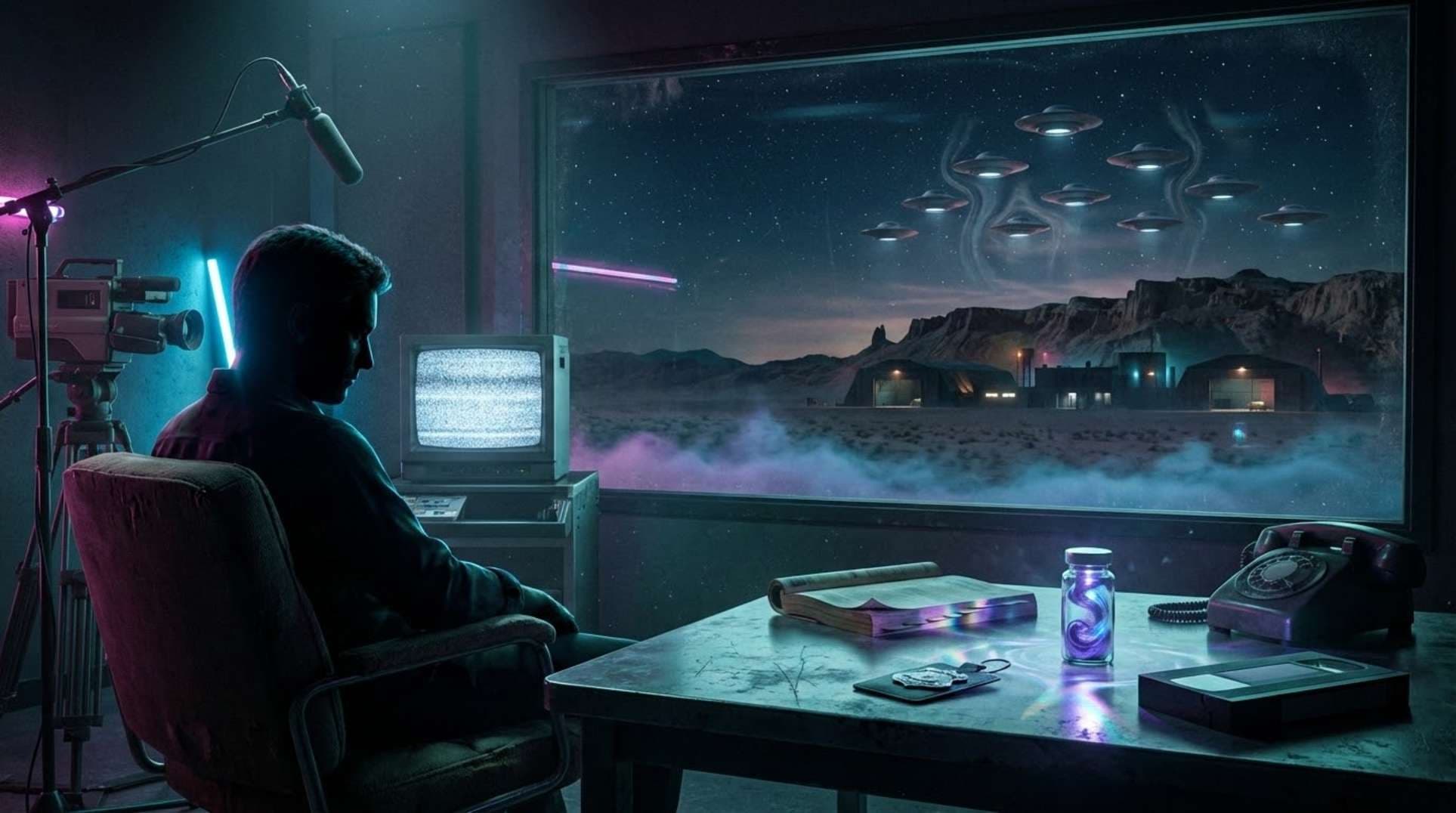
Picture the Nevada desert in the late 1980s. Vast, empty stretches hid layers of secrecy from the Cold War era. Area 51 lore simmered in the background, fed by whispers of black-budget tests. Then, in a dimly lit studio in Las Vegas, a man appeared on KLAS-TV, his face shadowed, his voice steady. This was Bob Lazar’s first public step out of silence, in a May 1989 interview with reporter George Knapp. The segments ran through November, anonymized at first to shield him. Ordinary traces—like phonebook listings and local clippings—clashed with his tales of otherworldly tech. Tension hung in the air, between the everyday and the impossible.
What Witnesses and Analysts Report
Lazar’s account cuts to the core. He says he was contracted to S-4, a hidden facility near Area 51, tasked with reverse-engineering propulsion for nine saucer-shaped craft. He observed a fuel source he dubbed element 115, powering systems that bent gravity. Supporters highlight local ties: acquaintances from Las Vegas and Los Alamos recall him, and a 1982 phonebook plus press clippings place a Robert S. Lazar in that world. Over decades, Lazar has stood by his story through interviews, describing threats and intimidation after going public. Investigators who back him point to these consistent details as signs of truth amid secrecy.
Skeptics, though, raise fair points. No MIT or Caltech records match his claimed degrees. LANL shows no staff files for him. Some biographical inconsistencies and past convictions fuel doubts. We weigh these respectfully—eyewitness memory against missing paperwork, personal insistence against institutional blanks.
Timelines, Tracks, and Hard Data
Let’s map the evidence. Dates and documents form the backbone here. Lazar’s first silhouetted KLAS interview aired in May 1989, with segments running through November, as reported by KNPR and historical accounts. The 1982 Los Alamos phonebook lists a Robert S. Lazar, alongside local press clippings. He detailed nine craft and propulsion via element 115, later synthesized as moscovium. But checks at LANL reveal no employment records; MIT and Caltech have no degree traces. Jeremy Corbell’s 2018 documentary revived the case, pulling together old interviews and context.
| Date/Item | Source |
|---|---|
| 1989 (May–November broadcasts; initial appearance May 1989) | KNPR/historical reporting (primary broadcast records) |
| 1982 Los Alamos phonebook listing and press clippings for ‘Robert/Robert S. Lazar’ | Local phone directory / press clippings (primary documents) |
| Lazar’s claims: examination of nine craft and ‘element 115’ propulsion | Lazar’s interviews (secondary reporting) |
| No employment records at LANL; no degree records at MIT/Caltech | Institutional statements (secondary reporting) |
| 2018 documentary ‘Bob Lazar: Area 51 & Flying Saucers’ | Jeremy Corbell’s film (secondary compilation) |
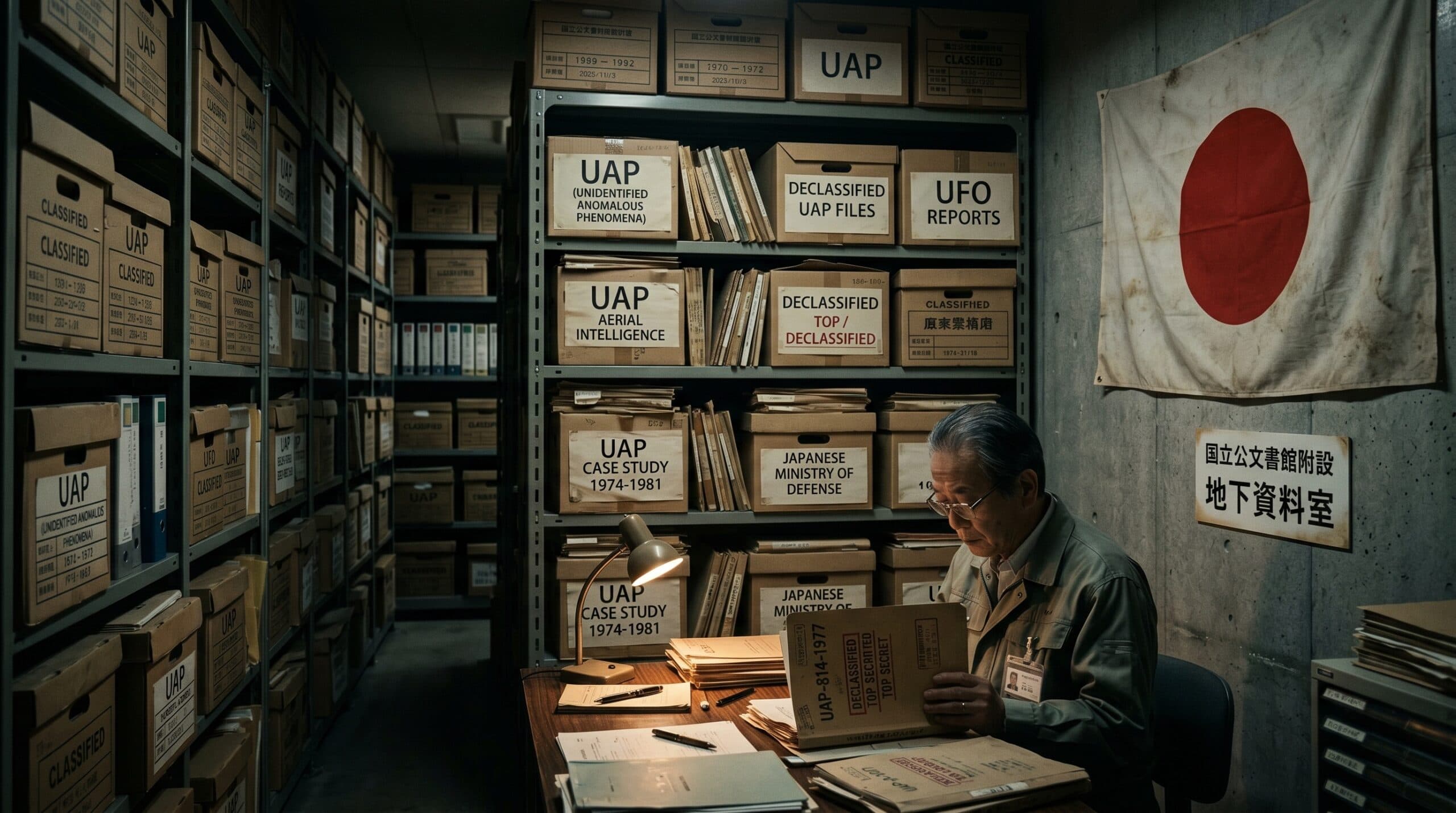
For deeper digs, pursue FOIA requests on LANL contractor logs, Kirk-Meyer rosters, school registrar archives, security badges, and those 1982 clippings. Scans or links would sharpen the picture.
Official Story vs. What the Data Suggests
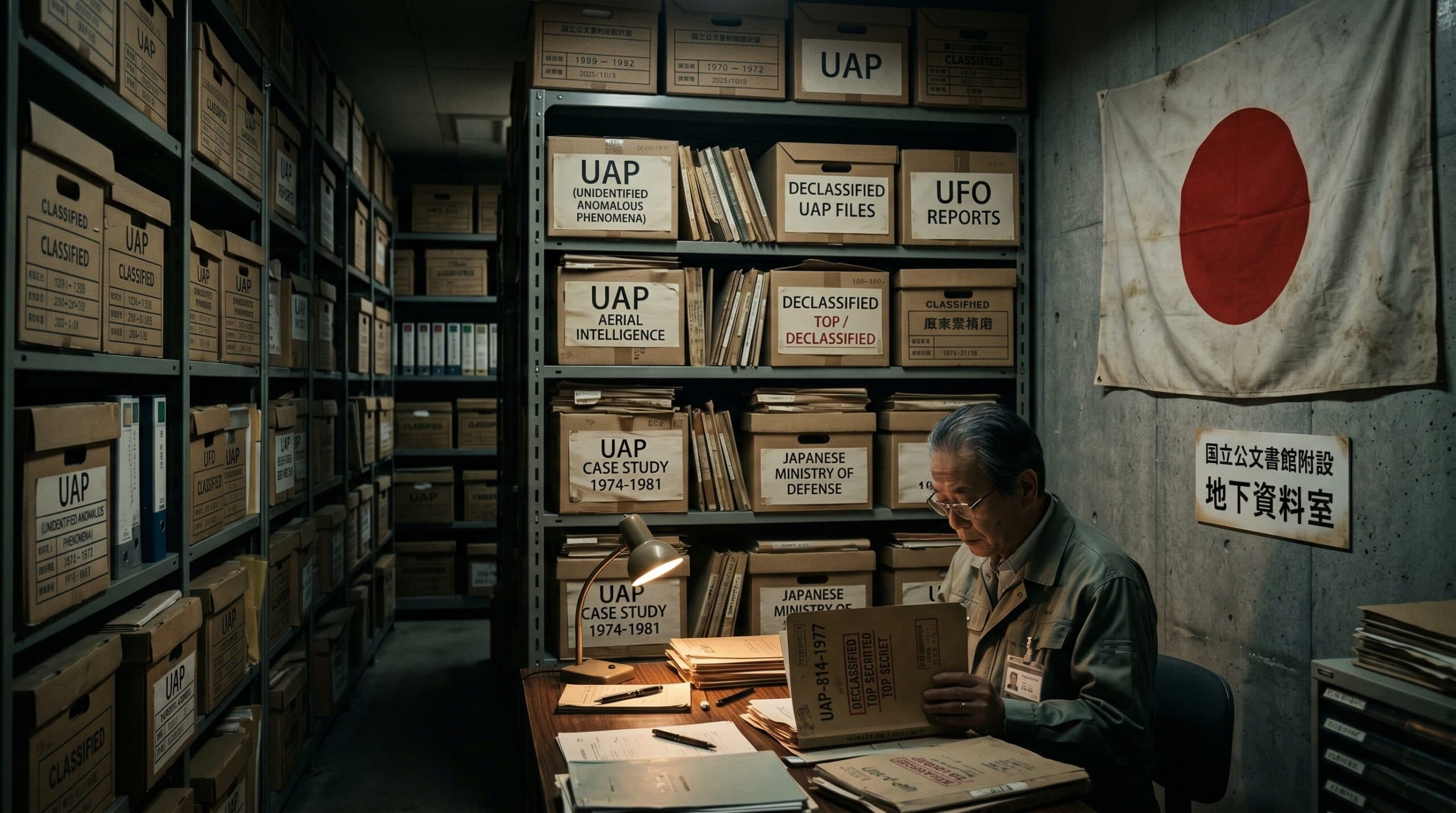
Institutions hold a firm line. LANL, as journalists report, states no employment record for Lazar exists. MIT and Caltech checks yield no degree or thesis matches. Mainstream media frames him as a cultural force in Area 51 myths, yet flags the gaps and inconsistencies. Recent Pentagon acknowledgments of UAP studies stir interest, but they don’t touch Lazar’s S-4 specifics.
Lazar and backers offer another view. That 1982 phonebook? It might signal contractor status through Kirk-Meyer, outside direct LANL payroll. This fits some traces without proving the tech claims. Ambiguity lingers—corroborated bits like the element 115 prediction sit against disputed credentials. The record shows patterns, not closure.
What It All Might Mean
The firmest ground: Lazar’s 1989 KLAS interview launched his claims into public view. The 1982 phonebook and clippings tie a Robert S. Lazar to Los Alamos circles. His element 115 detail, echoed by later science, stands out. Yet questions loom. Was he a contractor with records buried? Do badges, logs, or invoices place him at S-4? Any other witnesses to confirm access?
This story endures because it shapes how we see Area 51 and whistleblowing. It tests secrecy against scraps of evidence, influencing UAP debates. For next steps, chase FOIA on contractor data, scan those old phonebooks, and consult experts on propulsion and elements. The pieces might connect yet.
Frequently Asked Questions
Bob Lazar claimed he was contracted to a secret site called S-4 near Area 51, where he helped reverse-engineer propulsion systems for nine saucer-shaped, non-terrestrial craft. He described a fuel source he called element 115, which powered gravity-bending technology.
A 1982 Los Alamos phonebook and local press clippings list a Robert S. Lazar in that ecosystem. His mention of element 115 is notable, as it was later synthesized as moscovium. Supporters also point to acquaintances who recall him and his consistent accounts over decades.
Skeptics note the lack of employment records from LANL and no degree records from MIT or Caltech. Biographical inconsistencies and past convictions add to the doubts. Direct payroll or contractor documents remain missing.
LANL has stated it has no employment records for Lazar, possibly indicating contractor status outside direct payroll. MIT and Caltech report no matching degree records. Mainstream media highlights cultural impact but points to verification gaps.
It shaped public views on Area 51 and reverse-engineering stories, influencing UAP discussions. Recent Pentagon acknowledgments of UAP studies renew interest. The case highlights tensions between whistleblower claims, institutional silence, and the need for better archival evidence.