
Key Takeaways
- Large atmospheric explosions are documented: The 2013 Chelyabinsk event released about 400–500 kilotons of TNT, captured on dash-cam videos and causing injuries from shattered windows.
- Rarer, massive events show escalation potential: The 1908 Tunguska airburst, estimated at 3–50 megatons, leveled over 2,150 km² of forest, hinting at regional catastrophe without a crater.
- Monitoring helps but leaves gaps: NASA and ESA track near-Earth objects using scales like Torino and Palermo, while IPCC models highlight climate risks without predicting immediate extinction—yet tail-end uncertainties persist on attribution and high-impact scenarios.
The Day the Sky Went Loud
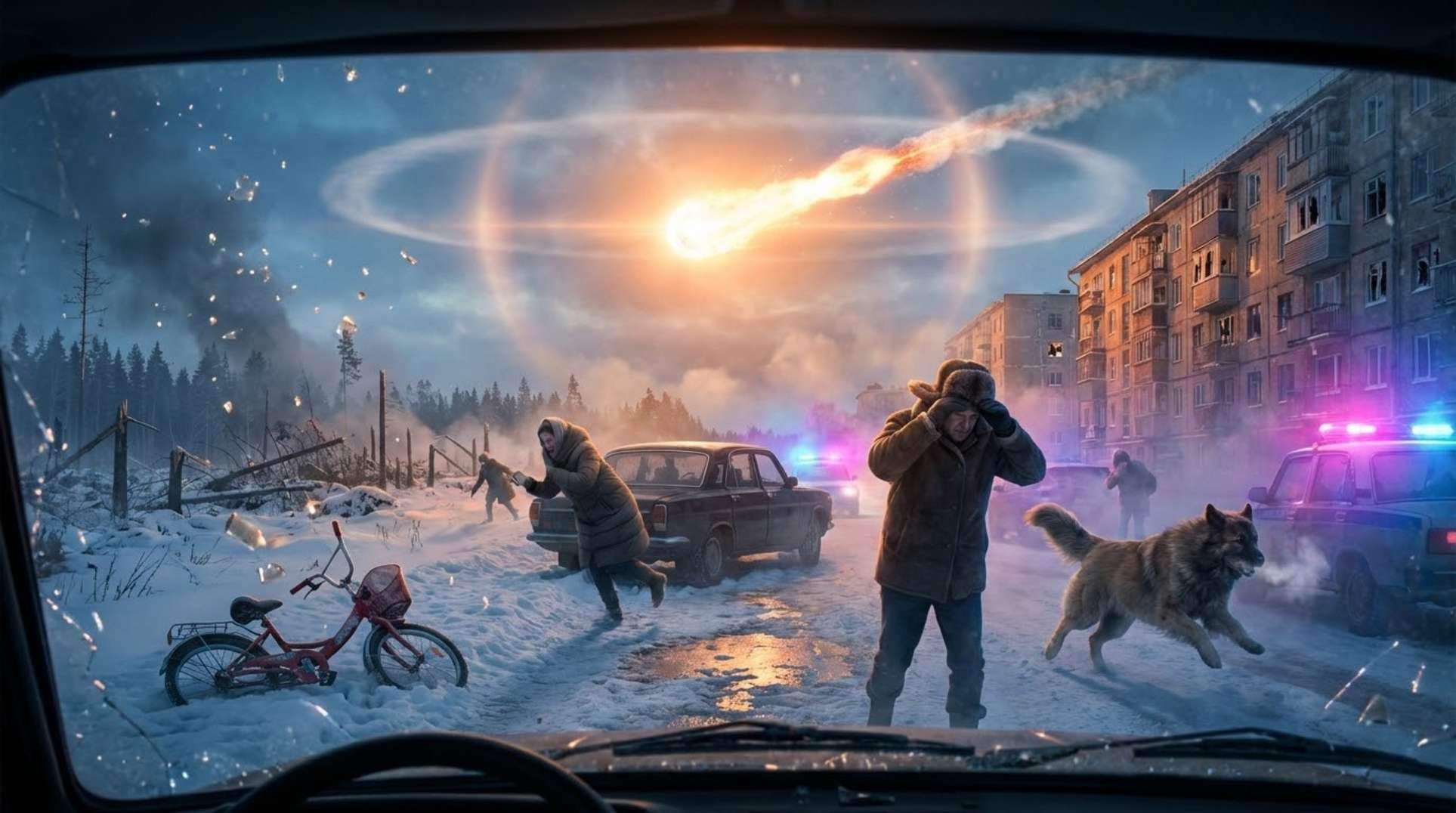
Imagine driving through a quiet Russian morning when the sky ignites. A streak of fire slices the horizon, brighter than the sun. Then comes the boom—windows shatter, glass rains down, people dive for cover. That was Chelyabinsk on February 15, 2013. Dash-cam footage flooded the internet, showing the flash, the delayed shock wave, and the chaos that followed. Injuries from flying debris hit hundreds, a stark reminder of what falls from above.
Flash back to 1908 in remote Siberia. Eyewitnesses described a fireball howling across the sky, followed by detonations that shook the earth. Trees snapped like matchsticks over thousands of square kilometers. No crater, just flattened forest and stories passed down—bright lights, thunderous noise, then eerie silence. These accounts, pulled from transcripts and footage, highlight the sensory overload: the panic, the awe, the questions about what really hit.
What Witnesses and Analysts Report
Those on the ground in Chelyabinsk spoke of a blinding light, sonic booms that rattled buildings, and animals fleeing in terror. Similar patterns emerge from Tunguska: fireball sightings, explosive sounds, and widespread damage, gathered from historical records and studies. These aren’t isolated tales; they’re consistent across events, fueling discussions in forums and documentaries.
Advertisement
Independent researchers point to exotic angles—possible extraterrestrial origins or unexplained fragments for Tunguska. Mainstream analysts stick to asteroid airbursts, but community voices highlight discrepancies in official narratives, drawing on archival materials and witness testimonies. On the climate front, activists push ‘endgame’ warnings of societal collapse, citing tipping points, while IPCC reports focus on severe but not inevitably extinction-level impacts. Both sides have their evidence, shaped by urgency and incentives.
What happened in Chelyabinsk and Tunguska? How do officials monitor these threats? What about climate risks in all this? Are there unresolved questions?