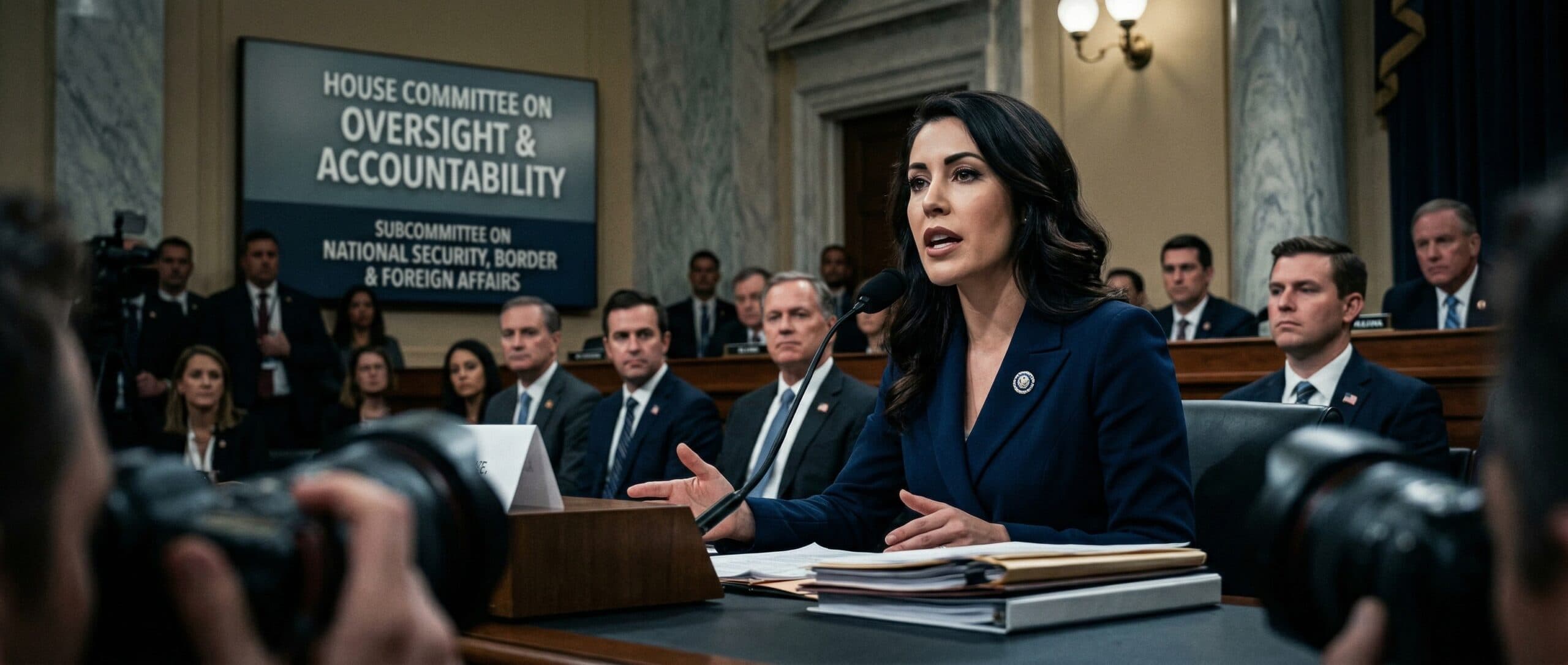
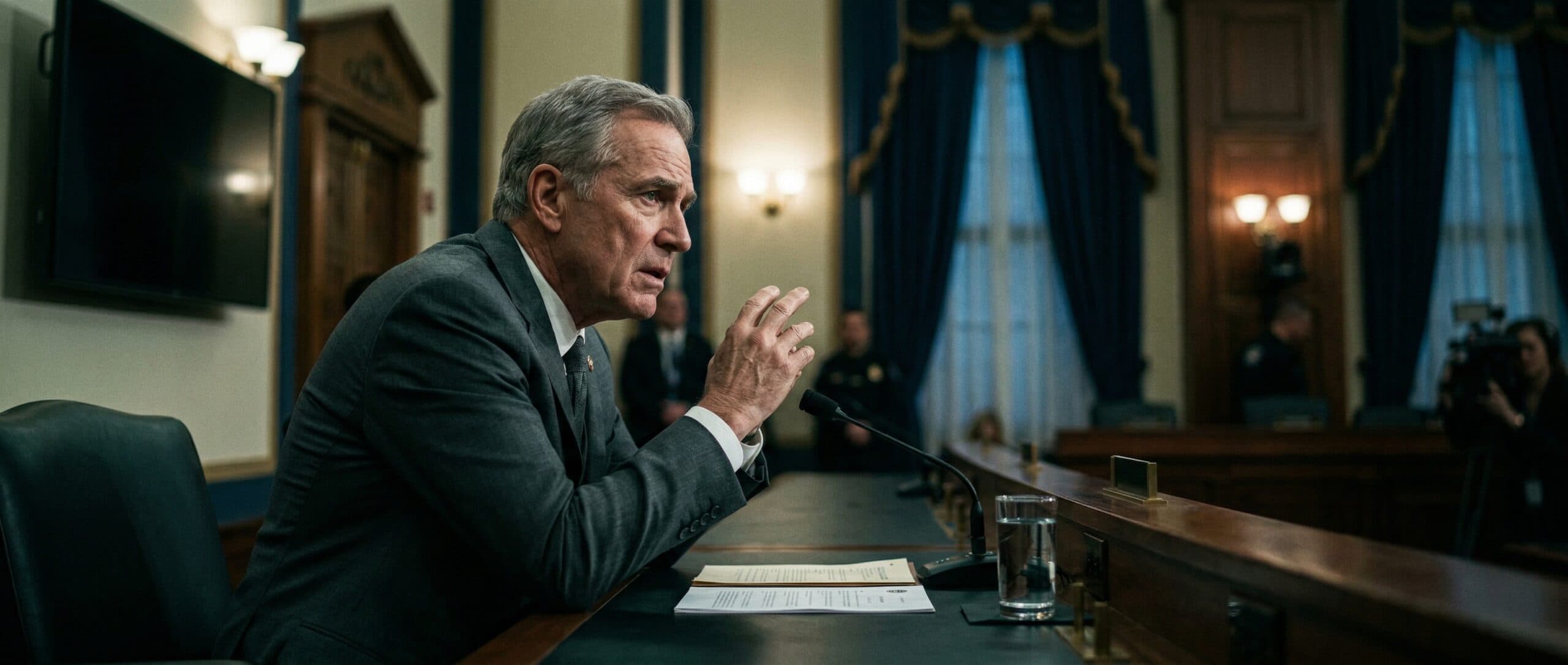
Rep. Eric Burlison’s latest comments about classified UFO footage have reignited one of the central tensions in the entire UAP disclosure era: the suspicion that the public is being asked to debate the weakest evidence while the strongest material remains behind classified walls. According to Burlison, some of the unreleased videos he has heard about or seen involve orb-like objects that appear stationary and then move in ways that seem to “defy logic.”
That does not prove nonhuman technology. But it does something almost as important in the current media environment: it reinforces the claim that lawmakers may be seeing a very different layer of evidence than the public. For readers trying to understand why this matters, the issue is not whether Burlison has solved the UFO question. It is whether congressional interest, restricted access, and escalating rhetoric are turning classification itself into one of the most powerful forces in the disclosure story.
Who Is Eric Burlison in the UAP Debate?
Burlison has emerged as one of several lawmakers willing to speak openly about unidentified anomalous phenomena while maintaining a posture that sounds more cautious than evangelical. That positioning matters. A congressman who sounds skeptical but intrigued can move the story further than a full believer, because the claim arrives wrapped in institutional credibility rather than obvious enthusiasm.
This is part of why Burlison’s comments landed so strongly. He did not frame the matter as settled. He framed it as unresolved but hard to dismiss — which is exactly the tone that keeps modern disclosure stories alive.
What the Secret Video Claim Actually Suggests
Here is what is known: Burlison has described reportedly extraordinary footage involving glowing orb-like objects and movements that seem difficult to reconcile with ordinary expectations. The stronger interpretation is that he is hinting at technology beyond current known systems. The more cautious interpretation is that he is describing something unusual without sufficient context for public evaluation.
That gap matters. In the current UAP environment, public debate often revolves less around direct proof than around asymmetry of access. Officials, contractors, whistleblowers, and lawmakers appear to be operating within partially overlapping information systems, while the public is left with fragments and statements.
As broader reporting from outlets such as Newsweek and The New York Times has shown, the disclosure story is now driven as much by institutional tension and declassification politics as by footage itself.
Why ‘Defy Logic’ Is Such a Powerful Phrase
What makes this case unusual is the wording. “Defy logic” is stronger than saying something is unidentified. It implies behavior so unexpected that ordinary explanatory habits fail. That phrase is almost custom-built for disclosure culture because it hints at profound anomaly without committing to a final conclusion.
It also performs another function: it transforms the hidden footage into a psychological object. People begin imagining evidence stronger than anything they have personally seen. In that way, classification becomes part of the story’s emotional power.
That does not mean Burlison is misleading anyone. It means that every comment about unreleased material now enters an ecosystem where secrecy itself amplifies belief.
What Evidence Exists — and What Doesn’t
The strongest evidence available to the public is still incomplete. What exists in public view includes pilot testimony, declassified military videos, congressional hearings, inspector-general controversy, and a widening chorus of officials saying the issue merits serious review. What does not yet exist is a publicly released body of indisputable footage that settles the matter once and for all.
That is why stories like this remain volatile. Believers interpret restricted access as proof that the most important evidence is hidden. Skeptics see a pattern of dramatic claims repeatedly outpacing the open record.
Both reactions are understandable. The problem is that the current disclosure environment rewards assertion faster than verification.
What Skeptics and Investigators Would Say
Researchers and skeptics have argued that classified footage can sound more impressive in description than it would appear under full evidentiary scrutiny. Context matters: sensor mode, range, platform behavior, compression artifacts, and operator interpretation can all distort intuitive judgments about what a video shows.
At the same time, investigators who take UAP seriously argue that repeated institutional concern is itself meaningful. If elected officials and defense-linked insiders continue to push for access, then something about the underlying record is at minimum unusual enough to sustain pressure.
That is where the story sits: between an evidence deficit and a credibility surplus.
Why This Matters for the Disclosure Story
Burlison’s remarks matter because they push the modern UFO conversation deeper into a paradox. The public wants evidence. The institutions closest to the strongest alleged evidence keep implying that it exists while withholding it. That creates a debate structure no one can win cleanly.
For The Unexplained Company, this is the real significance of the story. The question is no longer just “are UFOs real?” It is “what happens when classification becomes the center of the myth?” Once that happens, secrecy does not reduce belief. It expands it.
Readers who want to trace that broader pattern should compare this with our piece on the Mellon leak and our article on the so-called UFO metal tested in a real lab. Across these cases, the recurring theme is the same: the strongest claims increasingly live just outside direct public inspection.
FAQ
Frequently Asked Questions
What did Eric Burlison say about secret UFO videos?
He said some reported UAP footage shows orb-like objects and movements that appear to “defy logic,” suggesting behavior he finds difficult to explain.
Does this prove alien technology?
No. Burlison’s remarks increase intrigue, but they do not constitute direct public proof of nonhuman technology.
Why do comments like this matter so much?
Because they reinforce the idea that the public may be debating incomplete evidence while lawmakers and officials are seeing stronger classified material.
What is the main skeptical response?
Skeptics argue that descriptions of secret footage can sound more dramatic than the material would appear under full technical review, especially without context.
Related Articles:
- The Mellon Leak: High-Def Satellite UFO Images That Could Change Everything
- The UFO Metal That Finally Got a Real Lab Test
- Why the Black Knight Satellite Myth Never Dies
This article was created using Media Blaster – Your content production specialist. Visit www.mediablaster.io for more information.