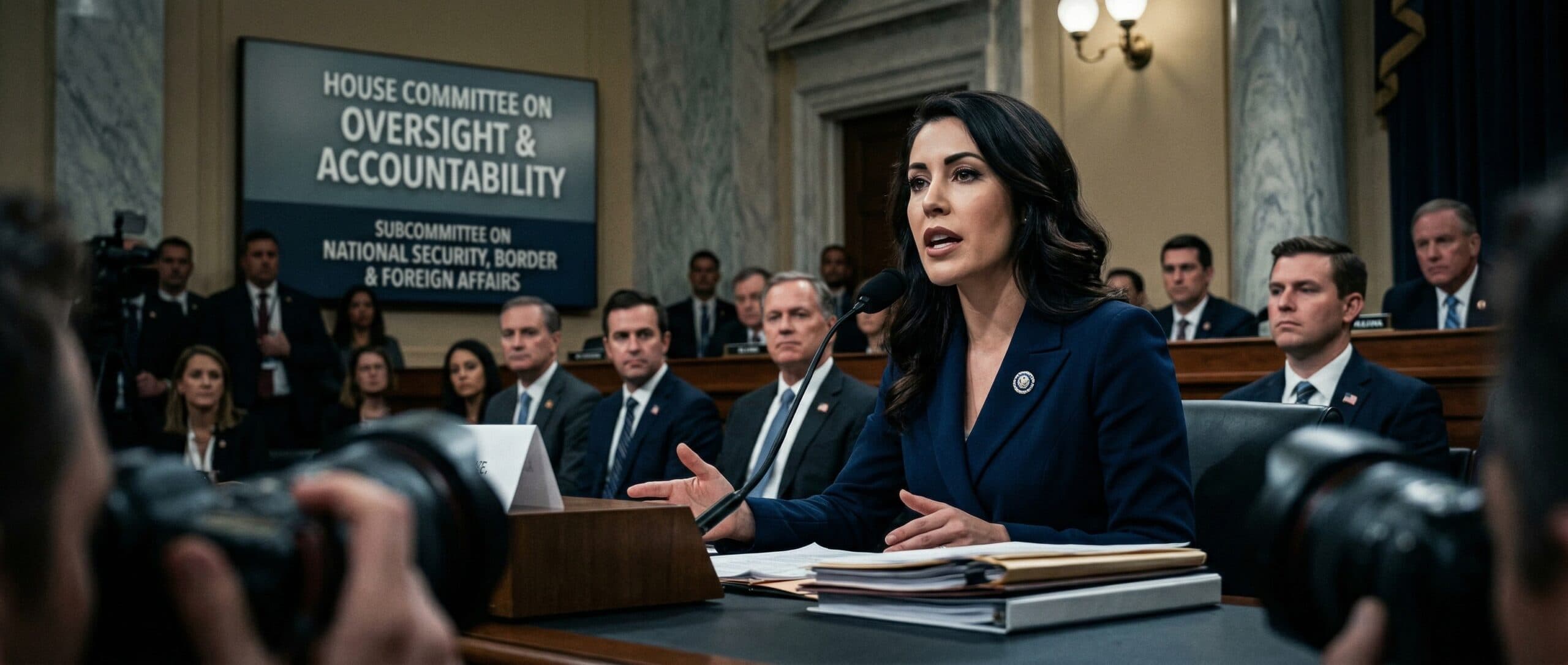
Rep. Anna Paulina Luna is becoming one of the most visible political figures in the modern UFO disclosure fight, and that matters because she is not speaking from the margins. As chair of the House Oversight Committee’s Task Force on the Declassification of Federal Secrets, Luna is operating from inside a part of Congress built to pressure federal agencies for records, testimony, and accountability. Her recent remarks suggest lawmakers have already seen material they cannot easily explain, and she is signaling that more could become public once declassification procedures catch up.
That is a notable shift in tone. For years, Washington’s UAP debate has lurched between sensational claims and institutional caution, with the Pentagon trying to keep the subject inside official channels while public distrust continues to grow. Luna is now pushing in the opposite direction. She has said Congress has viewed footage the government still considers unexplained, and she has framed the next phase of disclosure as less about speculation and more about getting records out into the open.
The broader backdrop is already well established. The Pentagon’s All-domain Anomaly Resolution Office, or AARO, was created to centralize investigation of unexplained objects seen in air, space, and undersea environments. At the same time, the House Oversight Committee has remained one of the main venues where lawmakers press agencies over transparency, secrecy, and whistleblower claims tied to UAP incidents. Luna is trying to use that machinery not just to ask questions, but to force movement.
Disclosure may be messier than believers expect
One of the most important parts of Luna’s position is not the promise of release itself, but the warning attached to it. Even if records are declassified, that does not mean the public will get a neat government conclusion explaining exactly what every object was. In fact, the likelier outcome may be a large release of documents, video, and supporting material that raises the level of public scrutiny without resolving the mystery.
That possibility cuts in two directions. For disclosure advocates, any release would be a major victory because it would move the conversation away from pure rumor and toward primary material. For skeptics, though, a records dump without firm conclusions could look like more ambiguity rather than clarity. Luna appears to understand that tension. Her message is not simply that answers are coming. It is that more evidence may come, and the fight over what it means could intensify.
That distinction matters because recent official reviews have already shown how hard it is to satisfy either side. The Pentagon has repeatedly said many UAP cases are unresolved because of limited data, not because they prove extraordinary origins. Its historical review on U.S. government involvement with UAP claims leaned heavily toward debunking longstanding allegations of hidden crash-retrieval programs, while still acknowledging persistent reporting and ongoing public interest. That left disclosure supporters convinced the government was still withholding too much, and critics of the movement convinced the hype had outrun the evidence.
Luna’s clash with AARO raises the stakes
Luna is not only promising transparency. She is also escalating the political conflict around who should control the story. Reports tied to her recent comments suggest she wants AARO disbanded or defunded, a dramatic position that turns a policy disagreement into an institutional showdown. If that pressure continues, the argument will no longer be limited to whether unexplained objects exist. It will become a fight over whether the Pentagon’s current disclosure framework has any credibility left on Capitol Hill.
That is a serious accusation, even if it is being delivered in the language of political combat. AARO was supposed to reassure the public that sightings were being cataloged through an official investigative process. But many in the disclosure camp see the office as too cautious, too controlled, and too close to the defense bureaucracy it is meant to scrutinize. Luna’s posture speaks directly to that frustration. She is effectively betting that public appetite for transparency now outweighs institutional patience.
Her role also gives the issue more staying power than yet another viral UFO clip. Congressional interest means hearings, records requests, staff reviews, and procedural fights can keep the subject alive long after the headlines fade. Even people who doubt the extraterrestrial angle should pay attention to that. The UAP story is no longer just about strange objects. It is about secrecy, national-security oversight, and whether elected officials believe they are getting the full story from defense and intelligence agencies.
Why this could reshape the UAP conversation
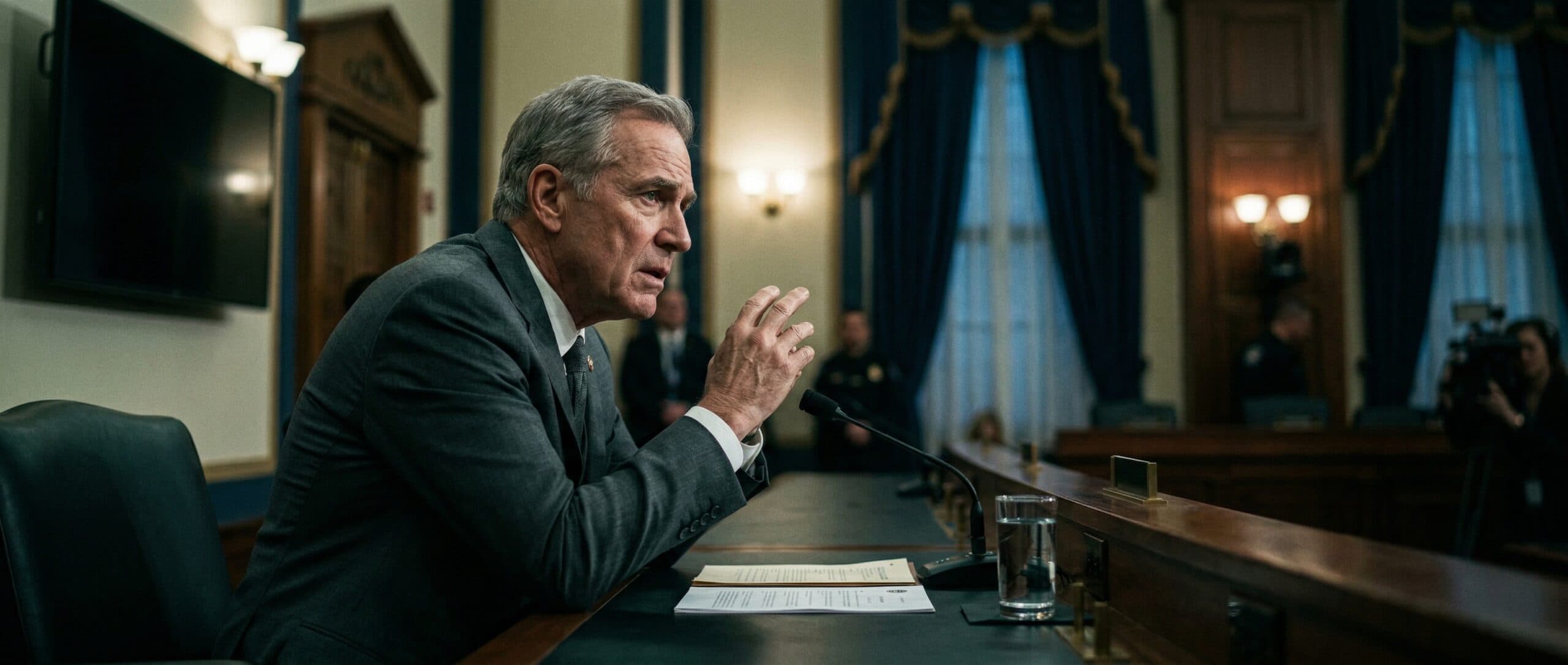
The significance of Luna’s push is not that it proves any one theory about UFOs. It is that she is helping move the debate into a more consequential arena. When lawmakers publicly say they have seen unexplained material, and when they pair that with demands for declassification, the burden on federal agencies changes. They are no longer responding only to internet speculation or entertainment media. They are being challenged by members of Congress who can turn curiosity into formal pressure.
That does not guarantee a dramatic revelation. It does, however, make the next stage of the UAP debate harder to dismiss. If Luna succeeds in forcing new disclosures, the result may be a fresh wave of analysis, argument, and skepticism rather than a single definitive answer. But even that would be a major change. For decades, the UFO subject survived on stories about what the government might be hiding. The more records Congress pulls into public view, the more the argument shifts from rumor to evidence, however incomplete that evidence may be.
The real question now is whether Luna can convert high-profile rhetoric into durable action. If she can, the UAP issue may stop being a recurring spectacle and start looking more like a long-running oversight battle with political consequences. That alone would change the conversation.
Related Articles
- The Pentagon UFO Report and What It Still Can’t Explain
- Delaware Is Being Called America’s Top UFO Hotspot
- Could SETI Be Missing Alien Signals?
This article was created using Media Blaster – Your content production specialist. Visit www.mediablaster.io for more information.