The Unexplained Company Logo
Don’t Whistle at Night: Folklore, Predators, Physics

Don’t Whistle at Night: Folklore, Predators, Physics

Art Grindstone

January 5, 2026
Cataclysm Survival Briefing — Access Briefing Now

Key Takeaways

  • Many people across cultures report a consistent taboo and set of experiences around whistling at night: hearing a distant whistle, replying, then experiencing a whistle that seems to come closer or answer (documented in USC Digital Folklore Archive, Peabody Museum notes, and contemporary social platforms).
  • Practical, measurable phenomena can explain a large fraction of reports: nighttime sound propagation (temperature inversions) makes low-frequency sounds travel farther, the NPS warns not to whistle because it can mimic an injured animal and attract predators, and a peer-reviewed PLOS ONE herpetology study (304 trials, 19 snakes) shows snakes can behaviorally respond to airborne sound (responses noted up to ~450 Hz).
  • Open questions remain: there is no single verified, global ‘supernatural’ mechanism connecting the folklore; cultural expectation and perceptual priming likely shape many reports, and some local traditions (El Silbón, Night Marchers, shape-shifters) preserve genuine mystery that empirical data does not fully resolve.

A Whistle in the Dark

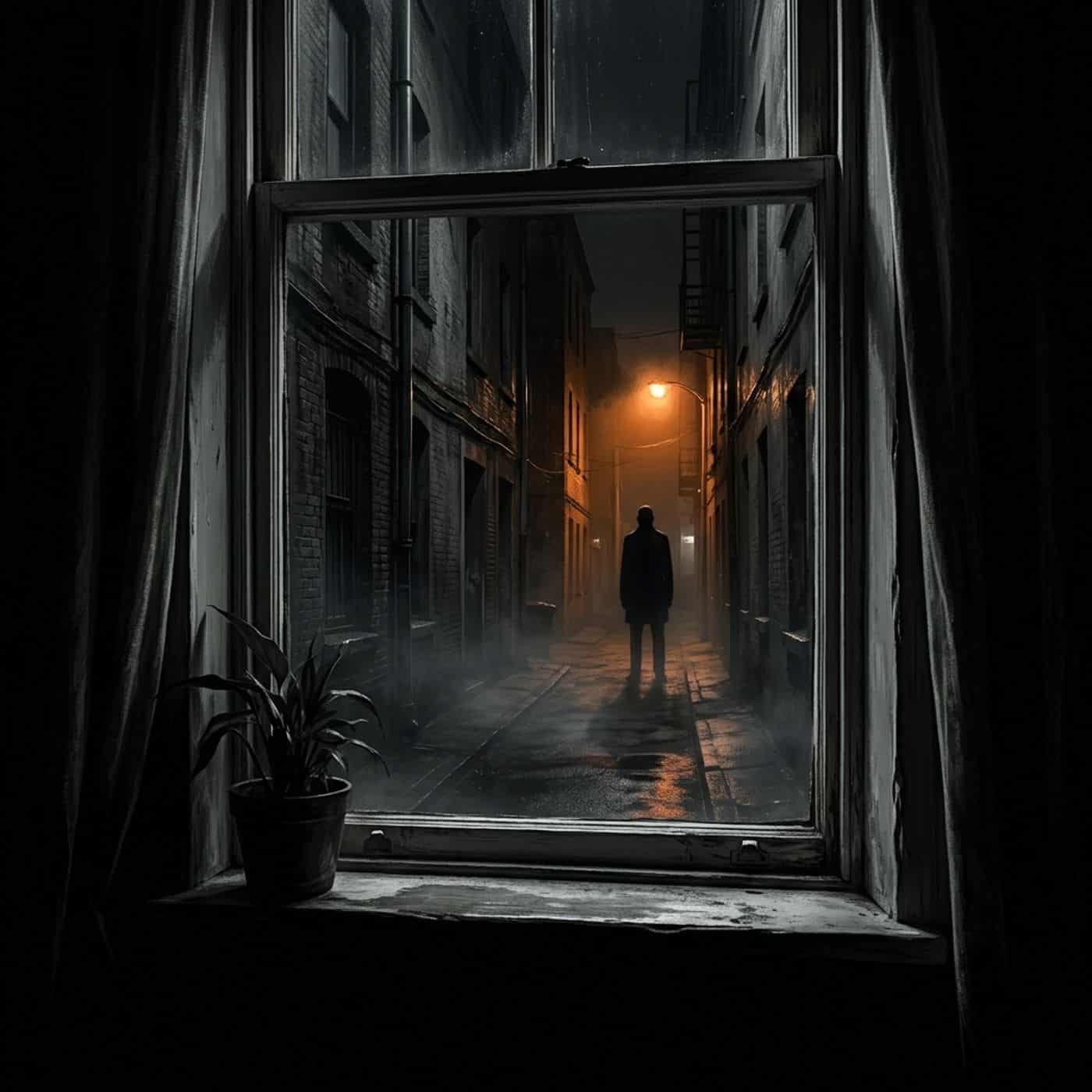
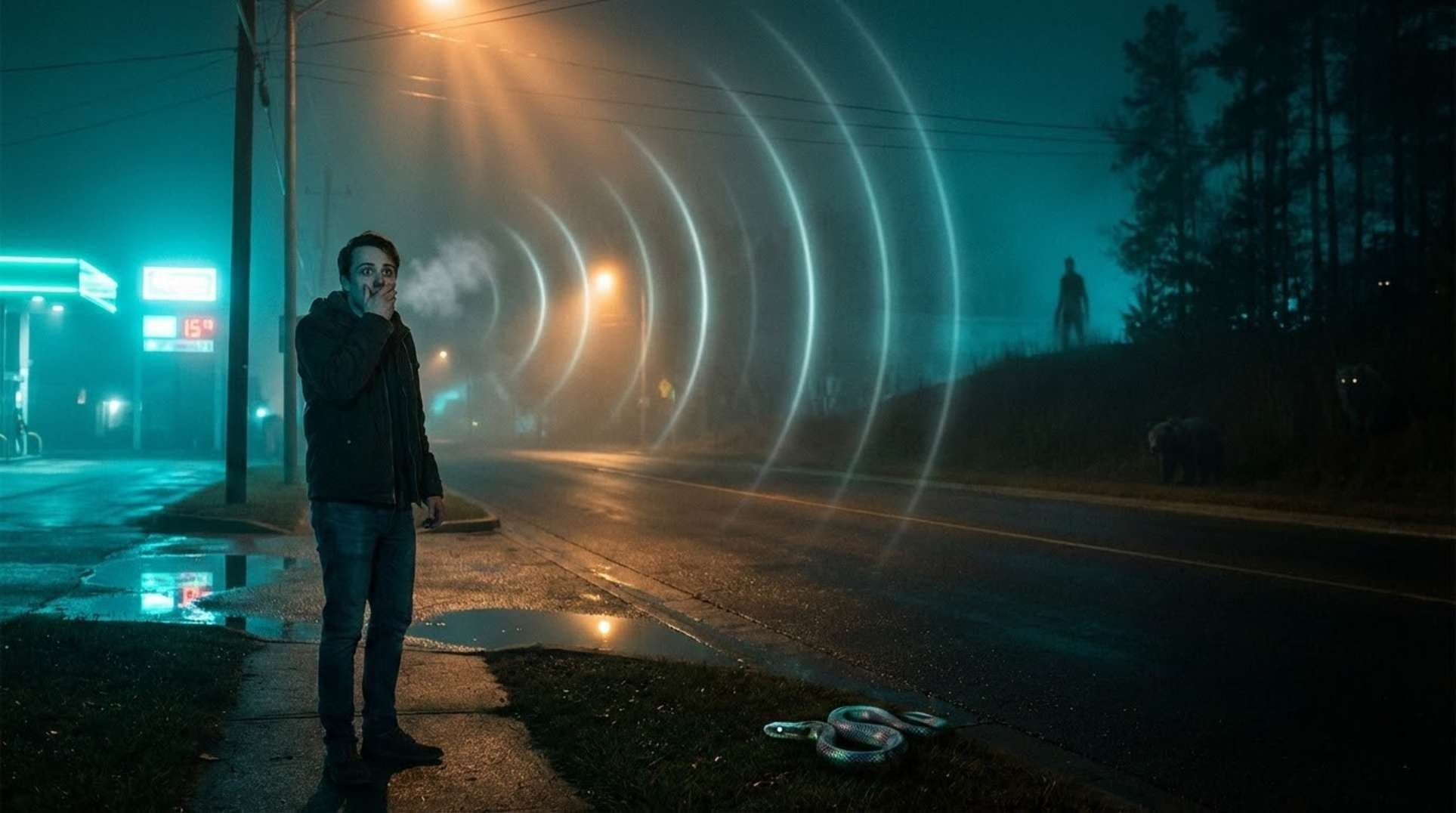
It’s past midnight. The streetlights hum faintly, casting long shadows over empty sidewalks. You’re alone, maybe stepping out for some air, when a sharp whistle cuts through the silence—from somewhere far off, direction unclear. Your pulse quickens. You remember the old stories from your grandmother: “Never whistle back at night. You don’t know what might answer.” Heart pounding, you freeze, straining to listen. According to those who’ve shared similar moments on Reddit and TikTok, that’s when the real fear sets in—the urge to respond, the dread of what comes next. One composite account puts it like this: “I whistled once, just to test it. The reply came closer, like footsteps in the dark. I bolted inside and didn’t sleep till dawn.”

What Witnesses and Analysts Report

Accounts pour in from every corner. People in North and South America, East and Southeast Asia, the Pacific Islands, and parts of Europe all describe the same core warning: don’t whistle at night. The pattern holds steady—a distant whistle with no obvious source, a reply that draws nearer if you answer, and the urgent advice to get inside, stay silent, or build a fire.

These stories often tie to specific figures. In Venezuela and Colombia, it’s El Silbón, a vengeful spirit said to stalk whistlers. Indigenous North American traditions link it to skinwalkers or shape-shifters. Hawaiian accounts mention Night Marchers or Menehune, while spirits in Japan, the Philippines, Africa, and Appalachia carry similar taboos.

Folklore collectors and online communities treat these as shared data. The USC Digital Folklore Archive and Peabody Museum preserve oral histories. On Reddit’s r/Paranormal and BackwoodsCreepy, or in YouTube and TikTok videos, the themes align: fear, retreat, and a sense that something unseen responds. Witnesses speak of emotional weight—paralysis, dread—that lingers long after.

Timelines, Tracks, and Hard Data

Folklore archives like the USC Digital Folklore Archive and Peabody Museum have tracked ‘don’t whistle at night’ traditions for years, spanning communities worldwide. Contemporary reports flood social platforms, echoing these patterns but rarely with outside confirmation.

Science offers anchors. A PLOS ONE study ran 304 trials on 19 snakes from various genera, finding they react to airborne sounds up to about 450 Hz, depending on the species. The National Park Service advises against whistling in bear country—it mimics distress calls and can draw predators; keep 100 yards away. Acoustics explain the reach: temperature inversions at night bend sounds back to earth, letting low frequencies travel farther.

SourceKey Data
PLOS ONE Study304 trials, 19 snakes; responses to sounds up to ~450 Hz
NPS Bear GuidanceDo not whistle; maintain 100 yd (91 m) safe distance
Atmospheric AcousticsTemperature inversions enable farther sound travel at night

Official Story vs. What the Data Suggests

Agencies like the NPS keep it practical: make noise to alert wildlife, but skip whistles or screams—they sound like prey in trouble and might pull in bears or other animals. Peer-reviewed work backs this, showing snakes pick up on those frequencies. Physics confirms why sounds carry farther after dark, thanks to stable air layers refracting waves.

Yet communities see more. They frame night whistles as calls to spirits or entities, passed down with rules like ‘don’t answer’ to stay safe. These views endure alongside the science, sometimes blending in.

Animal responses and sound tricks could cover many cases—a far-off whistle bouncing back, or a creature replying. But no field studies fully test this against real anecdotes. Expectation plays a role too, heightening what we hear in the dark. The folklore holds its ground where data falls short.

What It All Might Mean

The taboo shows up solid in archives from USC and Peabody. Experiments on snake hearing and NPS safety tips give real-world reasons to heed it—sounds travel far at night, and animals listen. These pieces fit many reports without invoking the unknown.

Still, questions linger. How many experiences boil down to physics or wildlife versus our own minds? No verified cases prove supernatural harm from a whistle. We need experiments in the field, tracking frequencies and animal reactions under night conditions.

This matters because it shapes actions—people hide, warn kids—and might save lives by steering clear of real dangers. It also keeps cultural stories alive, tying us to fears of the dark. Track these patterns responsibly. Talk to folklorists, biologists, and those who’ve lived it. The mystery doesn’t vanish just because we explain parts of it.

Frequently Asked Questions

Witnesses often report hearing a distant whistle first, then an answering one that seems closer if they reply. This pattern appears in folklore archives and online accounts, tied to fear and advice to retreat indoors.

Yes, nighttime sound propagation via temperature inversions allows whistles to travel farther. Studies show snakes respond to low-frequency sounds, and NPS guidelines warn against whistling to avoid attracting predators like bears.

It ties to practical safety, like avoiding wildlife, but also preserves cultural stories of spirits or entities. Empirical explanations cover many cases, yet perceptual effects and unresolved mysteries keep the traditions alive.

Yes, regional figures include El Silbón in Venezuela and Colombia, skinwalkers in Indigenous North American lore, Night Marchers in Hawaii, and various spirits in Asia, Africa, and Appalachia.

Controlled field studies combining whistle frequencies, night acoustics, and animal behaviors could clarify natural causes. Interviews with folklorists, biologists, and witnesses would help bridge official views and community experiences.