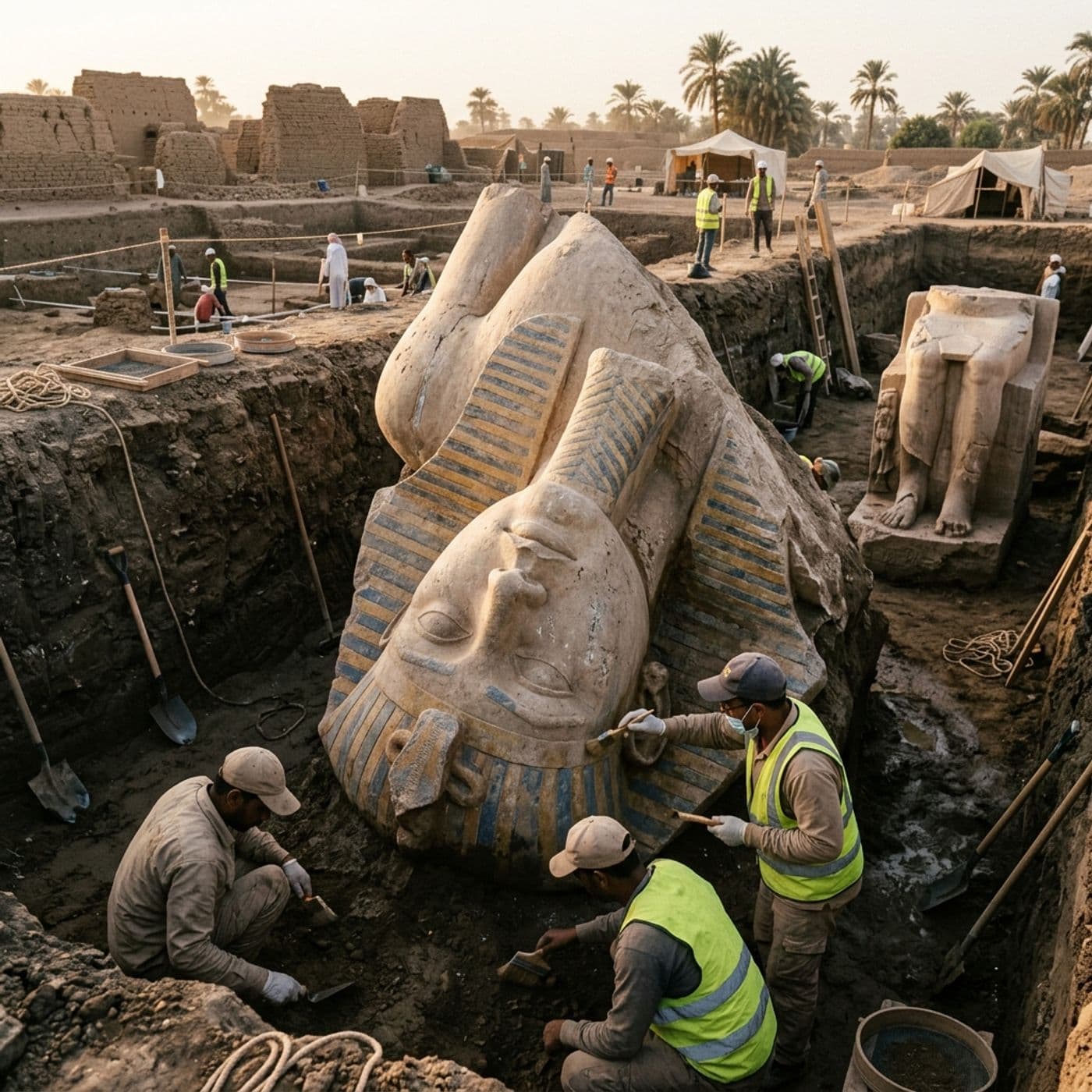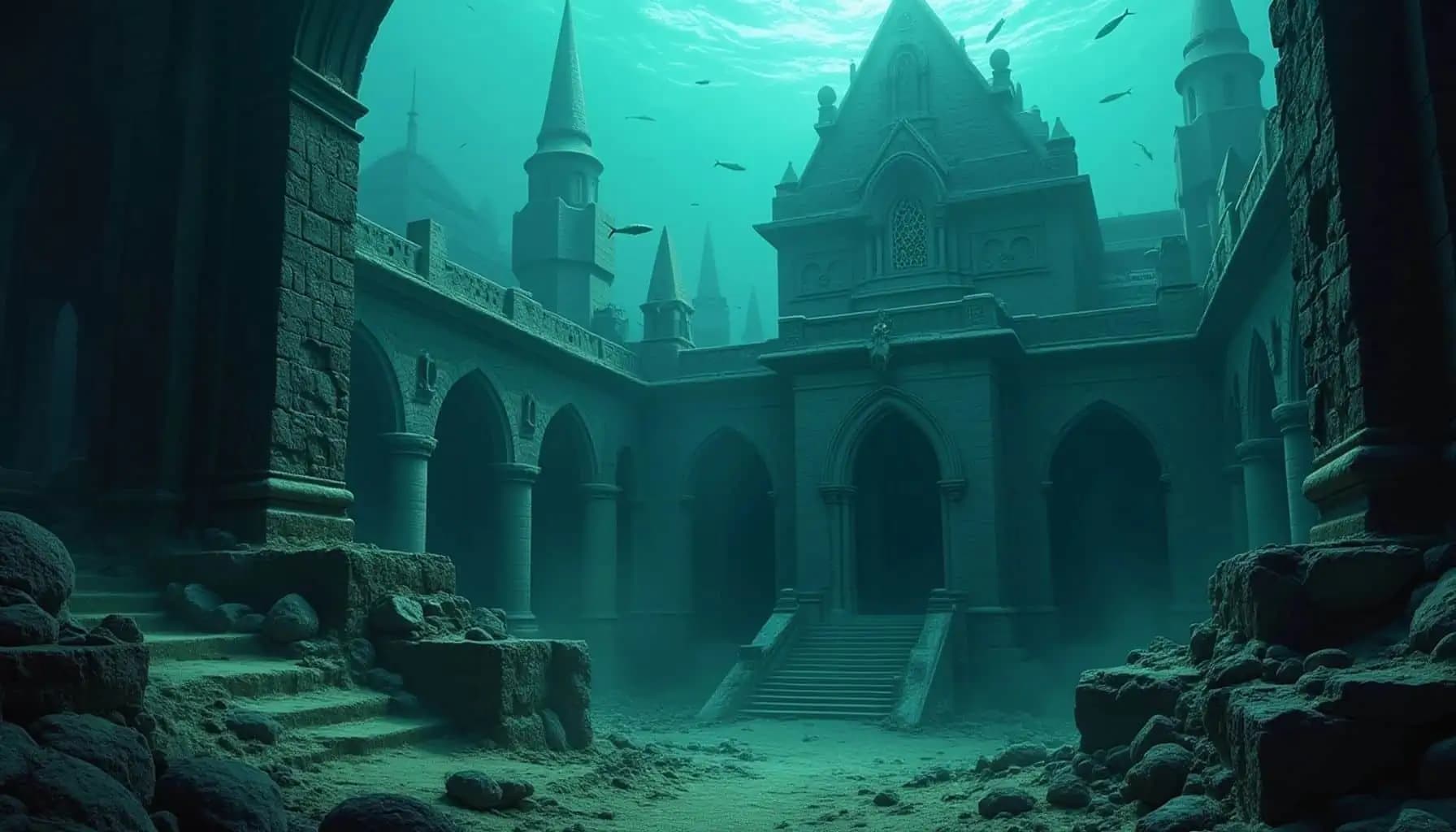

Egypt’s underwater city of Thonis-Heracleion, once thought to be a mere legend, has emerged from the depths of the Mediterranean, revealing secrets of ancient Egypt. This remarkable discovery has transformed our understanding of history, showcasing a bustling metropolis that thrived long before Alexandria.
Key Takeaways
- Thonis-Heracleion was a vital port city before Alexandria’s rise.
- The city was submerged due to land subsidence, not just sea level rise.
- Artifacts found include colossal statues, coins, and sarcophagi.
- The underwater ruins of Alexandria reveal Cleopatra’s palace and the Lighthouse of Alexandria.
- Advanced technology is crucial for underwater archaeology.
The Discovery of Thonis-Heracleion
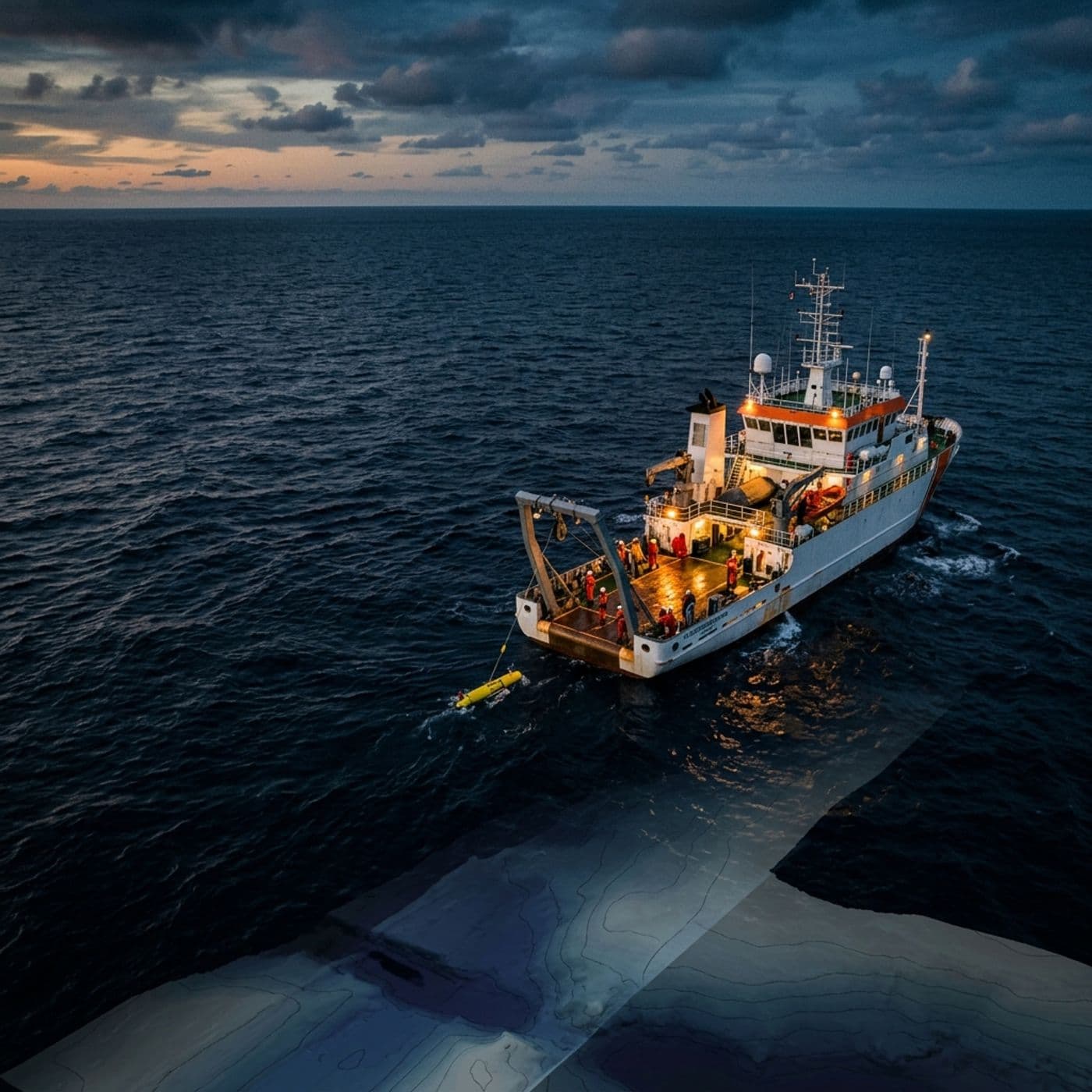
For centuries, the lost city of Thonis-Heracleion was shrouded in mystery. Located near the Nile River’s mouth, it was mentioned only in rare inscriptions. However, in the early 2000s, underwater archaeologist Frank Goddio and his team unveiled this submerged city, transforming it from myth to reality.
Thonis-Heracleion served as a primary port for Greek trade, bustling with commerce, culture, and religion. It was a significant center for the worship of the god Amun, hosting grand ceremonies like the annual Mysteries of Osiris, celebrating resurrection and renewal.
Advertisement
Artifacts and Insights
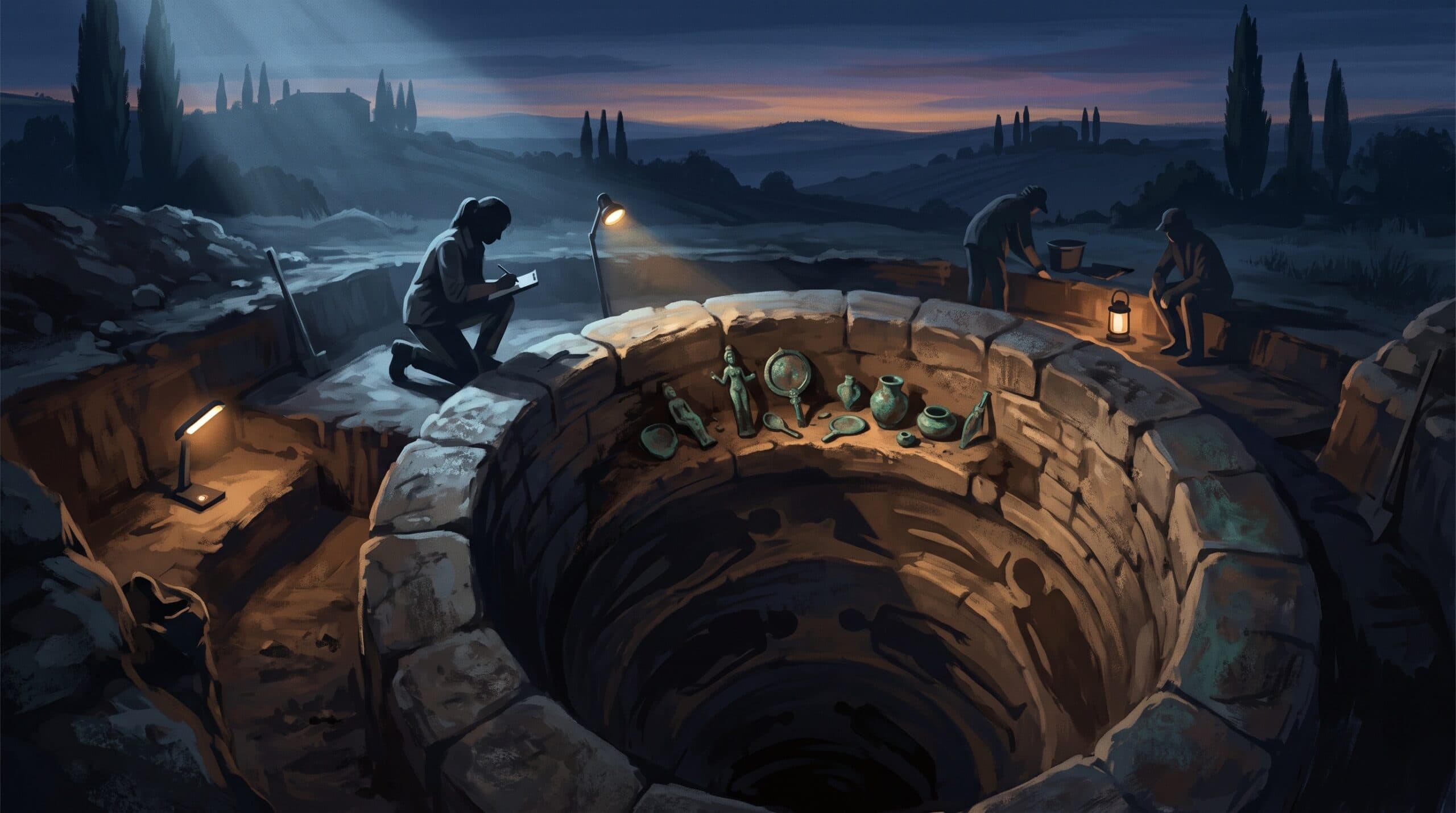
The ruins of Thonis-Heracleion lie about 6.5 km off the coast, submerged under 30 to 45 feet of water. The discoveries include:
- Giant Statues: Towering over 5 meters, these statues depict Egyptian gods and pharaohs, showcasing the city’s cultural melting pot.
- Coins and Weights: Gold coins and stone weights provide insights into the trade networks that supported the city’s economy.
- Sarcophagi: Dozens of small limestone sarcophagi likely held mummified animals, indicating the city’s spiritual significance.
- Shipwrecks: Over 64 ancient shipwrecks have been found, weaving a narrative of commerce and devotion.
Parallels with Pompeii
The story of Thonis-Heracleion draws interesting parallels with Pompeii. While Pompeii was buried in volcanic ash, Thonis succumbed to rising waters and earthquakes. Both cities lay forgotten for centuries, their rediscoveries offering snapshots of ancient life. Pompeii reveals Roman life, while Thonis provides insights into ancient Egyptian civilization.