
Key Takeaways
- Jack Parsons, a pioneer in American rocketry who co-founded Aerojet and contributed to JPL/Caltech projects, performed the Babalon Working rituals from January to March 1946, ending in tragedy with his death in a 1952 explosion—facts that anchor much of the lore surrounding occult influences in aerospace history.
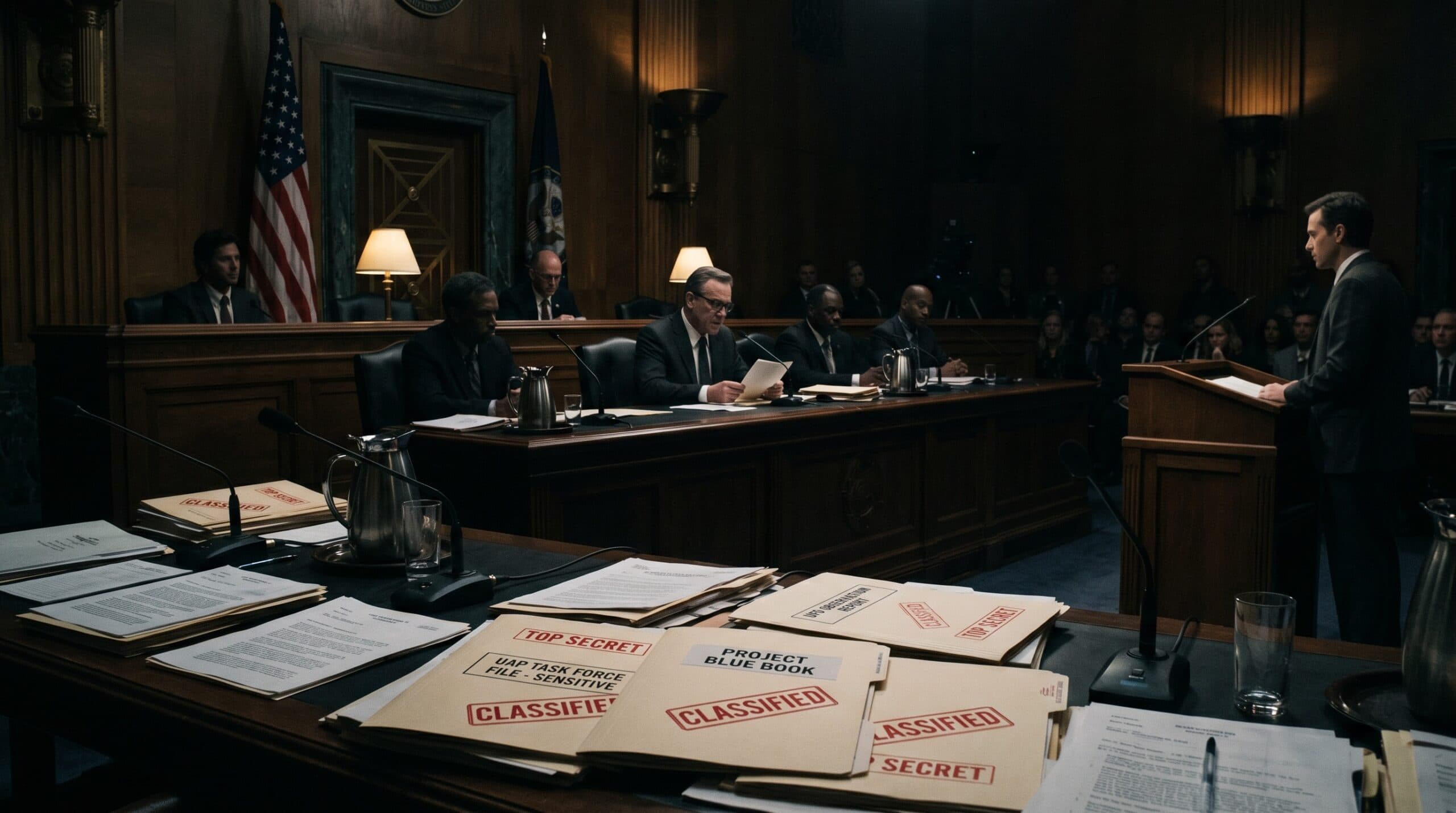
- Recent U.S. government reports, including the ODNI’s June 2021 preliminary assessment and AARO’s October 2023 consolidated report, frame UAP as issues of air safety and national security, documenting hundreds of incidents with many still unidentified, based on data from 2004 onward.
- The ‘Collins Elite’ concept, alleging a Pentagon group seeing UAP through a demonic lens, stems from Nick Redfern’s 2010 book Final Events and related anecdotal accounts, but lacks confirmation in official DoD documents, remaining a disputed claim in UFO literature.
A Desert Circle, a Test Stand, and the First Rocket Smoke
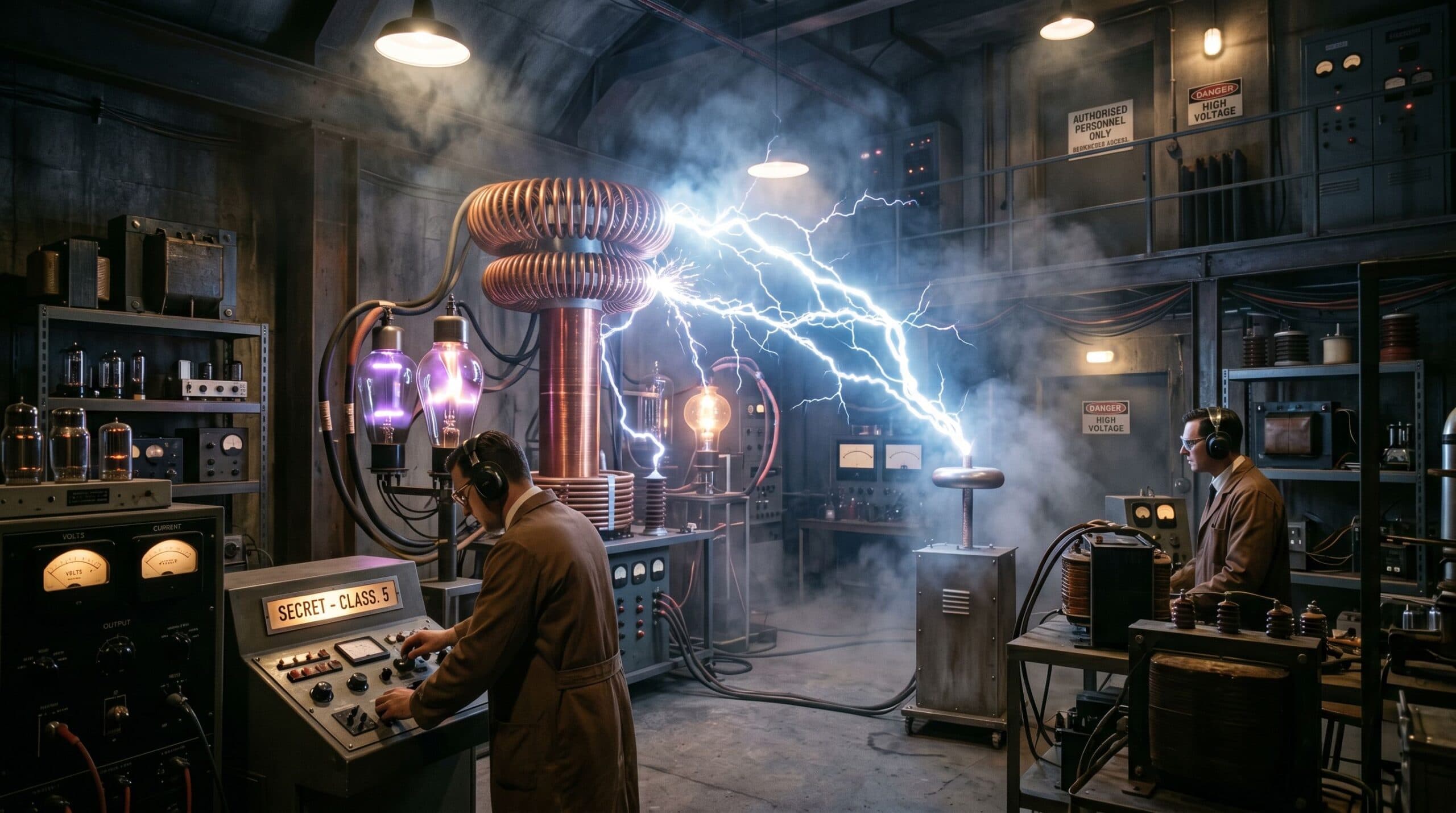
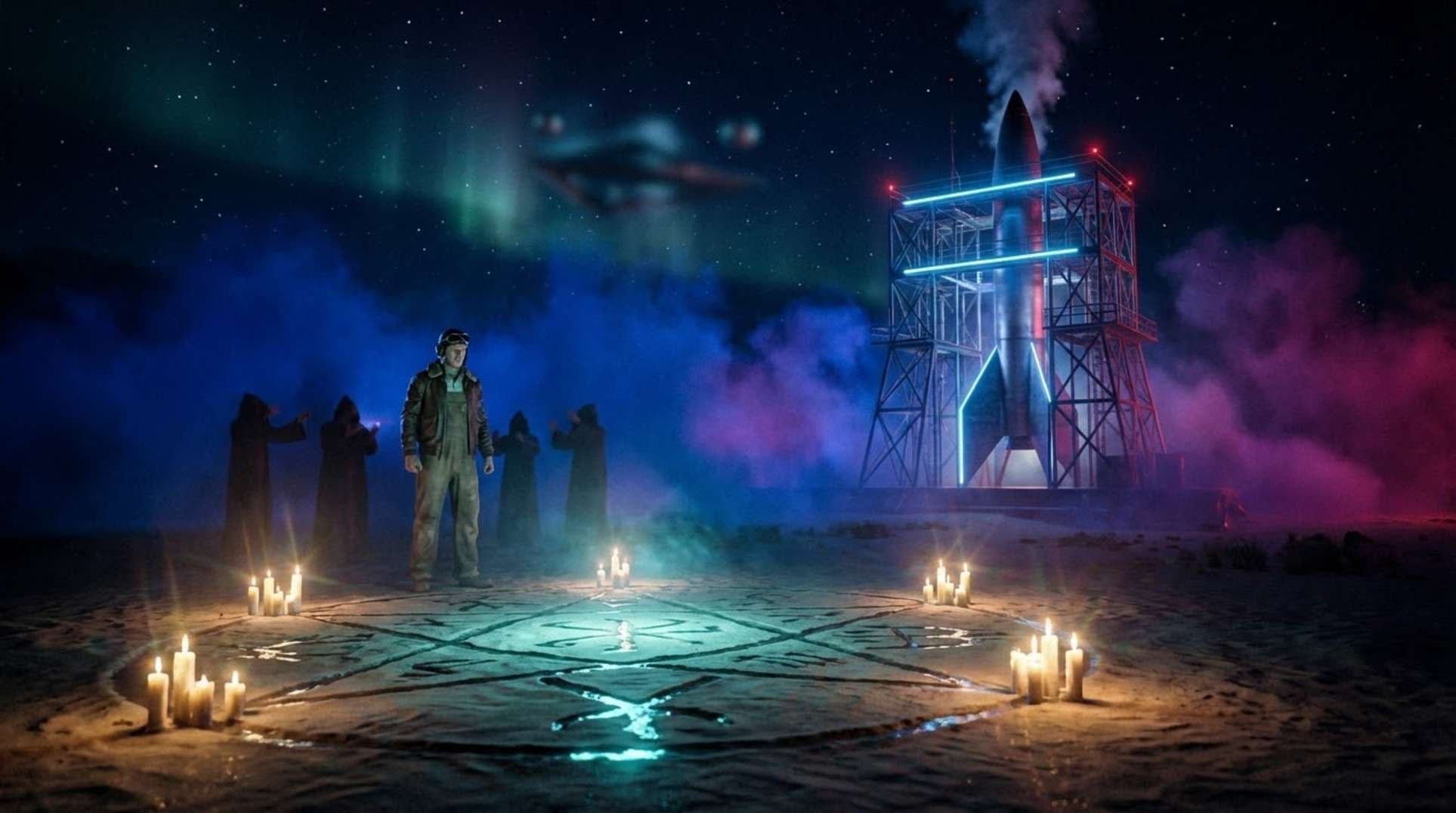
Picture the Mojave Desert in late February 1946, under a vast, star-strewn sky. Jack Parsons, brilliant mind behind early rocket propulsion, stands in a ritual circle etched into the sand. He’s not alone—chants rise, invoking ancient forces in the Babalon Working, a series of ceremonies he’d begun in January. By day, Parsons pushes boundaries at the Jet Propulsion Laboratory, co-founding Aerojet and fueling America’s leap into space. But these nights blur lines between science and the arcane, sparking tales that his rituals might have torn open something unforeseen. Dismissed from key roles by the mid-1940s, his path ends explosively on June 17, 1952, in Pasadena—a blast that echoes through decades of speculation, linking occult experiments to unexplained skies without proving any direct cause.
What Witnesses and Analysts Report
Insiders and researchers in our community often point to a shadowy Pentagon faction, dubbed the ‘Collins Elite,’ who reportedly see UAP not as tech or threats, but as demonic entities straight out of biblical warnings. These claims surfaced prominently in Nick Redfern’s 2010 book Final Events, drawing from alleged interviews with former officials. From there, the narrative spread through podcasts, forums, and docs—witnesses describe internal debates where spiritual interpretations clashed with data-driven analysis, potentially stalling disclosure. Some tie this back to Parsons’ 1946 rituals, suggesting they coincided with early UFO waves, though that’s based on correlation and personal testimony rather than hard records. Anonymous accounts from program vets hint at religious frameworks shaping UAP views, but verifiable docs are thin, leaving these as respectful points of discussion among those tracking the patterns.
Timelines, Tracks, and Hard Data
Let’s ground this in what we can verify. Jack Parsons kicked off the Babalon Working in January 1946, with the final desert ritual often pegged to late February, wrapping by March. His rocketry creds are solid: co-founder of Aerojet, key player in JPL/Caltech efforts, though he faced dismissal in the mid-1940s. He died in that Pasadena explosion on June 17, 1952. On the government side, the ODNI’s Preliminary Assessment on Unidentified Aerial Phenomena hit on June 25, 2021, covering reports from November 2004 to March 2021. AARO’s consolidated FY23 report followed on October 25, 2023, with DoD noting hundreds of cases in review—many staying ‘unidentified’ due to odd movements or signatures. To sort facts from lore, here’s a quick table comparing timelines:
What was Jack Parsons’ role in rocketry and his occult activities? What do official government reports say about UAP? Is there evidence for the ‘Collins Elite’ group? How do community claims connect Parsons to UFOs? What should researchers investigate next?