Time Slips, Prison Floods: The Data We Can't Explain | Unexplained
Ancient Civilizations
Time Slips, Prison Floods: The Data We Can’t Explain
Key Takeaways from These Three Mysteries Kersey time-slip: Witnesses report entering a silent, anachronistic village with rotting carcasses and frozen smoke in October 1957; regional press and retrospective accounts…
Art Grindstone is the hard-nosed storyteller behind Unexplained.co, a veteran investigator whose life’s work sits at the crossroads of the paranormal, fringe science, and the shadows most people try not to look into. With decades spent chasing impossible stories — black-budget psychic programs, vanished Cold War experiments, desert rituals that sparked UFO waves, and the strange phenomena buried in America’s forgotten backroads — Art brings a rare combination of skepticism, awe, and journalistic precision. He’s not here to debunk. He’s not here to blindly believe. He follows the evidence wherever it leads — even when it leads someplace deeply uncomfortable. Known for his immersive, cinematic style and his ability to turn obscure research into gripping narrative, Art has built a devoted following across podcasts, long-form features, documentaries, and serialized investigations. His interviews are direct. His analysis is unflinching. His voice has become a staple in the modern paranormal renaissance — the guy people turn to when a story is too strange, too complex, or too dangerous for anyone else to touch. Off-mic, Art works with a distributed network of researchers, archivists, and field operatives who help surface the stories mainstream media ignores. On-mic, he transforms their findings into meticulous, high-impact reporting that refuses to insult the intelligence of true believers. His philosophy is simple: Take the phenomenon seriously. Treat the audience with respect. Tell the story as if the world depends on it — because sometimes it does. When Art Grindstone digs into a case, he isn’t just chasing a mystery. He’s tracing the fault lines of reality itself.
6 min · 1,388 words
In This Report(7)
Key Takeaways from These Three Mysteries
Kersey time-slip: Witnesses report entering a silent, anachronistic village with rotting carcasses and frozen smoke in October 1957; regional press and retrospective accounts provide some support, but the main unresolved question is whether primary records from the time confirm the cadets’ story or reveal it as later folklore.
Prison water incident: A corrections officer reportedly saw water materialize inside a concrete cell with no source, amid broader patterns of documented prison floods; verifiable data includes institutional reports of plumbing failures, but the key open issue is the lack of a contemporaneous primary record for this specific ‘materialization’ claim.
Unfavorable Semicircle: The YouTube channel uploaded around 72,000 short, odd videos from April 2015 until its removal on February 25, 2016, following mainstream attention; community archives and media coverage verify the upload volume and patterns, leaving the unresolved question of the channel’s true purpose and creator.
A Stillness in an English Lane
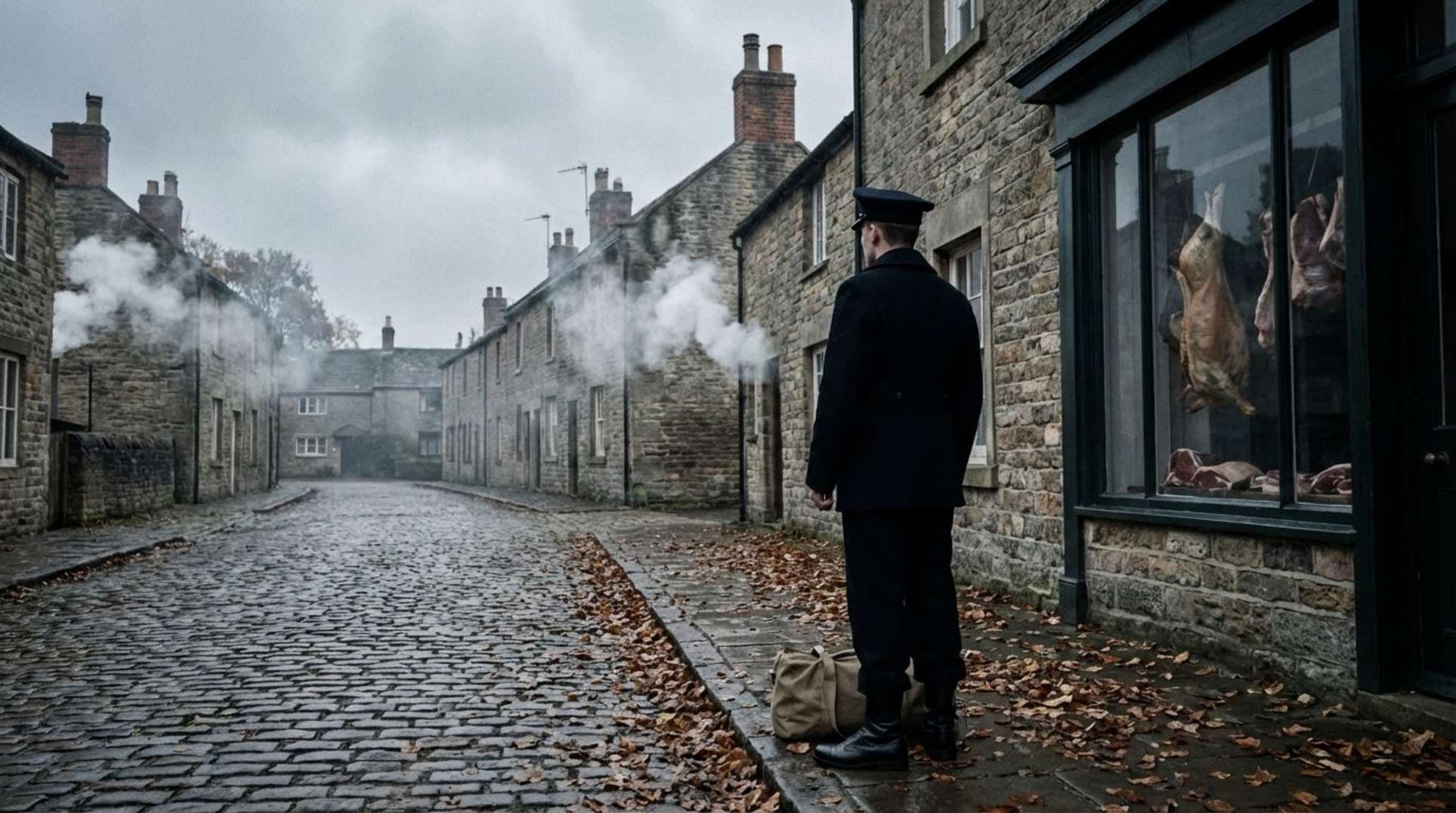
October 1957. Three Royal Navy cadets—William Laing, Ray Baker, and Michael Crowley—wander into the village of Kersey on leave. The air hangs heavy, unnaturally silent. No birds call. Smoke from chimneys seems frozen in place. At the butcher’s window, skinned oxen rot, their flesh exposed in a way that feels wrong for the era. They hurry out, and the world snaps back to normal. The stakes? A brush with something that defies time itself.
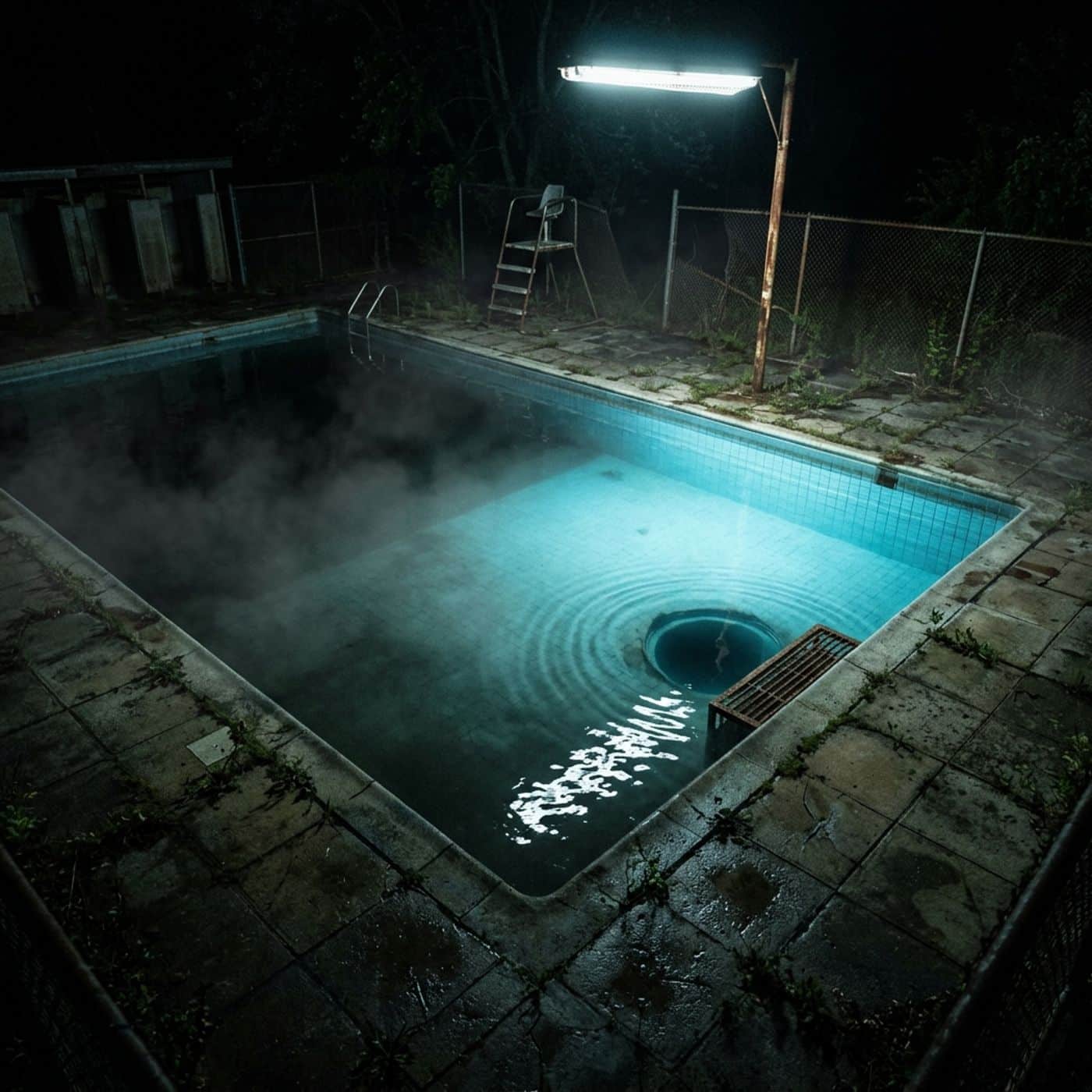
In a stark corrections facility, a seasoned officer patrols the block. He’s seen floods before—leaky pipes, inmate sabotage, storm backups. Routine. But this time, water starts pooling in a sealed concrete cell. It builds, rising as if raining upward from nowhere. No pipes burst. No source visible. The cognitive jolt hits: this isn’t the usual drip. It’s something defying the mundane checks he’s trained for.
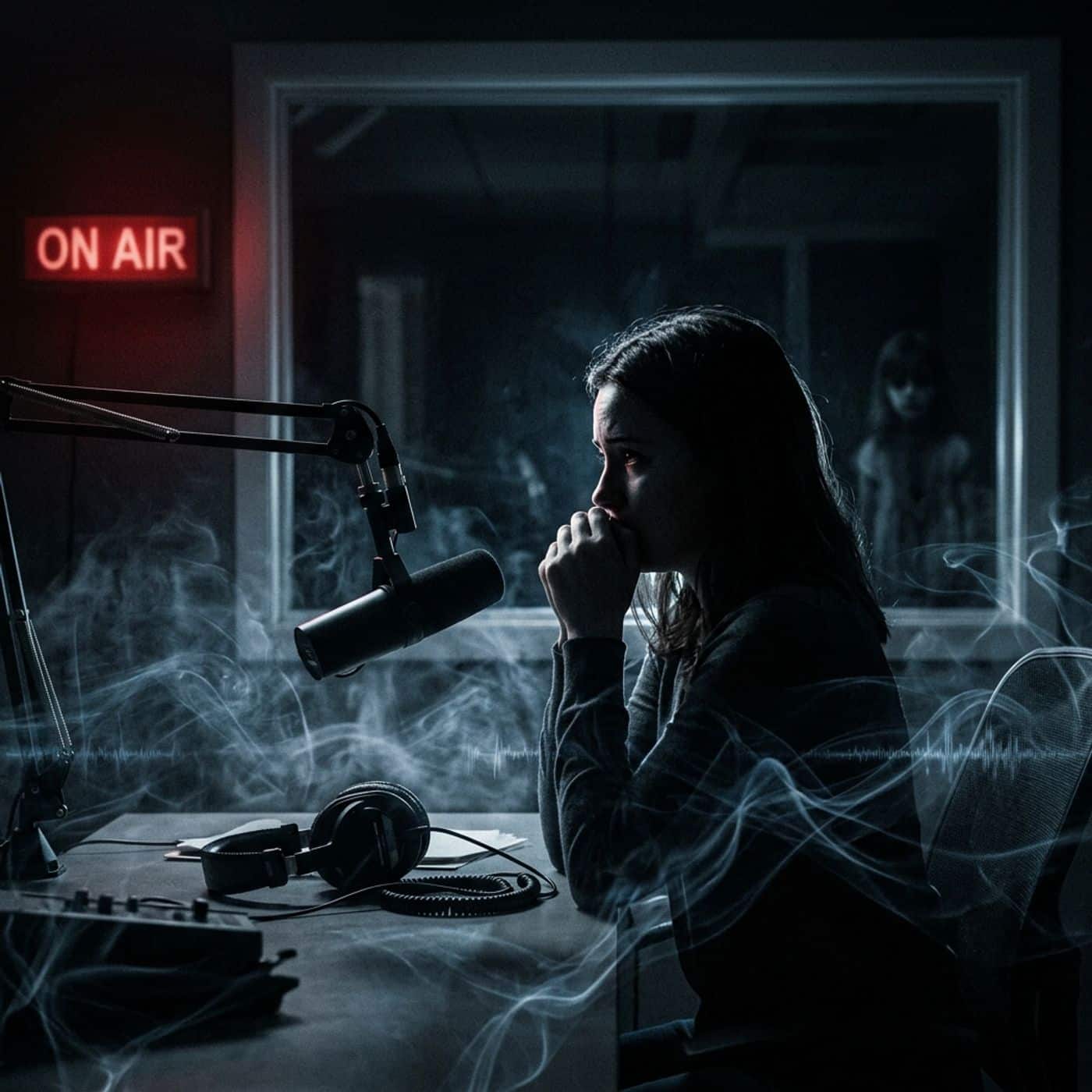
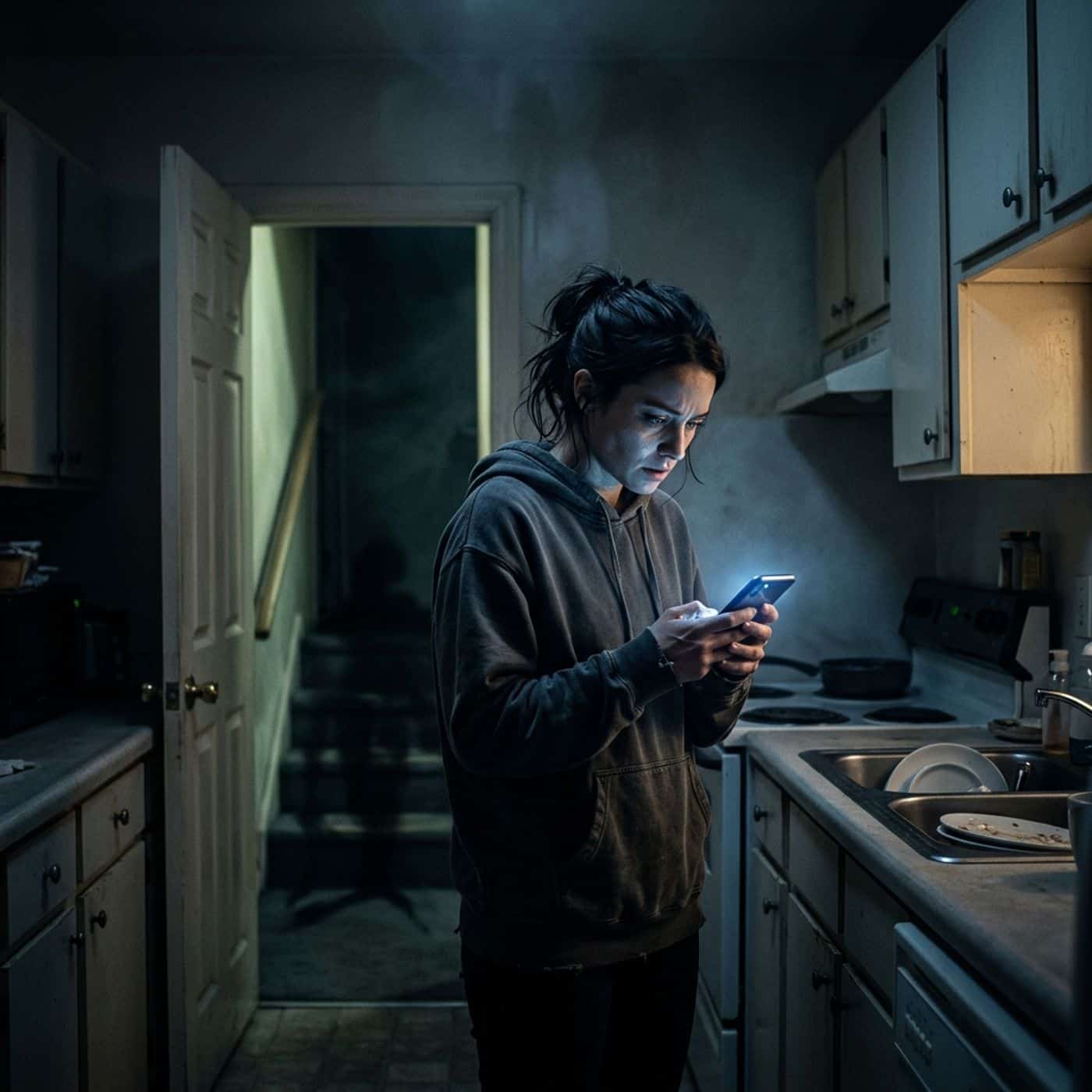
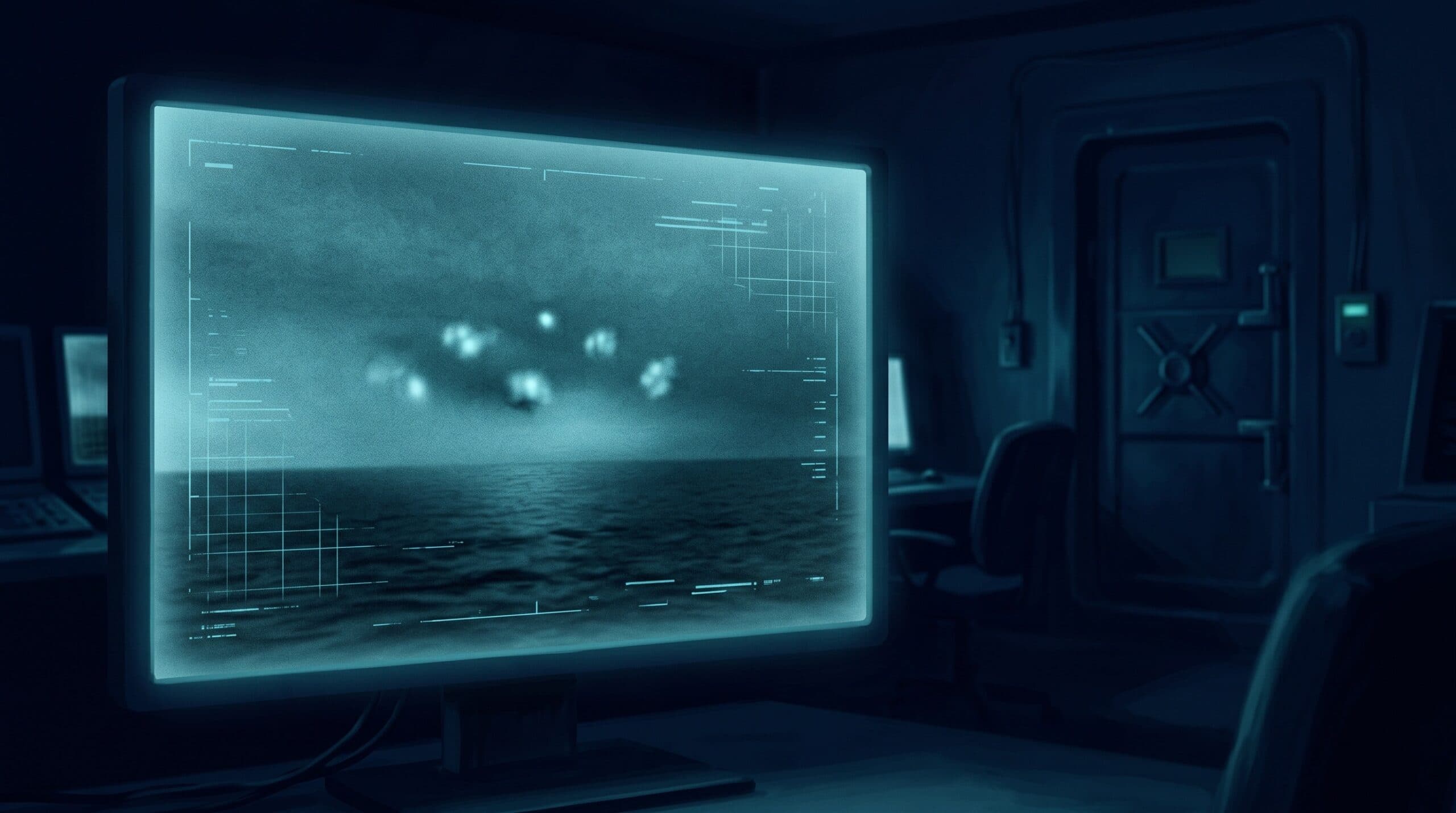
Late 2015, into early 2016. An internet sleuth hunches over a screen, scrolling through endless short clips on YouTube. Thousands of them, near-identical: blurry static, muffled voices reciting letters or numbers. The channel, Unfavorable Semicircle, pumps them out relentlessly. Community forums buzz. Then BBC coverage drops, and days later, the channel vanishes. The hunt intensifies—what hidden message lurks in the glitchy flood?
Advertisement
What Witnesses and Analysts Report
For the Kersey incident, the three cadets—William Laing, Ray Baker, and Michael Crowley—described an eerie silence, anachronistic sights like rotting oxen in a butcher’s window, and a sudden return to normalcy upon leaving. These accounts come from regional retellings, such as in the East Anglian Daily Times, though they’re mostly retrospective rather than contemporaneous. Community investigators and paranormal researchers have pieced together these details, noting how the story persists in local folklore, but they flag that the names and specifics often appear in later compilations, not immediate reports.
What exactly did the cadets experience in Kersey?
hard evidence for the Unfavorable Semicircle channel?
Did the prison water materialization really happen?
How did officials or platforms respond to these events?
What should investigators do next?
Advertisement
Frequently Asked Questions
What exactly did the cadets experience in Kersey?
The three Royal Navy cadets reported entering a silent village with frozen smoke, rotting carcasses in a butcher's window, and other anachronistic details in October 1957. Upon leaving, normalcy returned. These accounts come from retrospective regional sources, leaving questions about contemporaneous records.
Is there any hard evidence for the Unfavorable Semicircle channel?
Yes, community archives and media like BBC and Atlas Obscura confirm the channel uploaded around 72,000 short videos with static, glyphs, and muffled voices from April 2015 until its removal on February 25, 2016. Theories range from hoax to hidden signals, but the creator and purpose remain unknown.
Did the prison water materialization really happen?
The specific claim of water appearing in a cell without a source lacks a verifiable primary record, though broader prison water incidents from floods and leaks are documented by groups like ACLU. Science doesn't support upward rain, pointing instead to prosaic causes, but the exotic detail remains unresolved.
How did officials or platforms respond to these events?
YouTube removed the Unfavorable Semicircle channel for likely spam violations after BBC coverage. Scientific bodies like NOAA dismiss upward rain as impossible under known physics. Prison incidents are often attributed to infrastructure failures, but no official response addresses the materialization claim specifically.
What should investigators do next?
Pursue FOIA for prison logs, search channel archives for metadata like coordinates, and check 1957 newspapers and Navy records for Kersey details. Prioritize primary sources to clarify what's fact and what's gap.
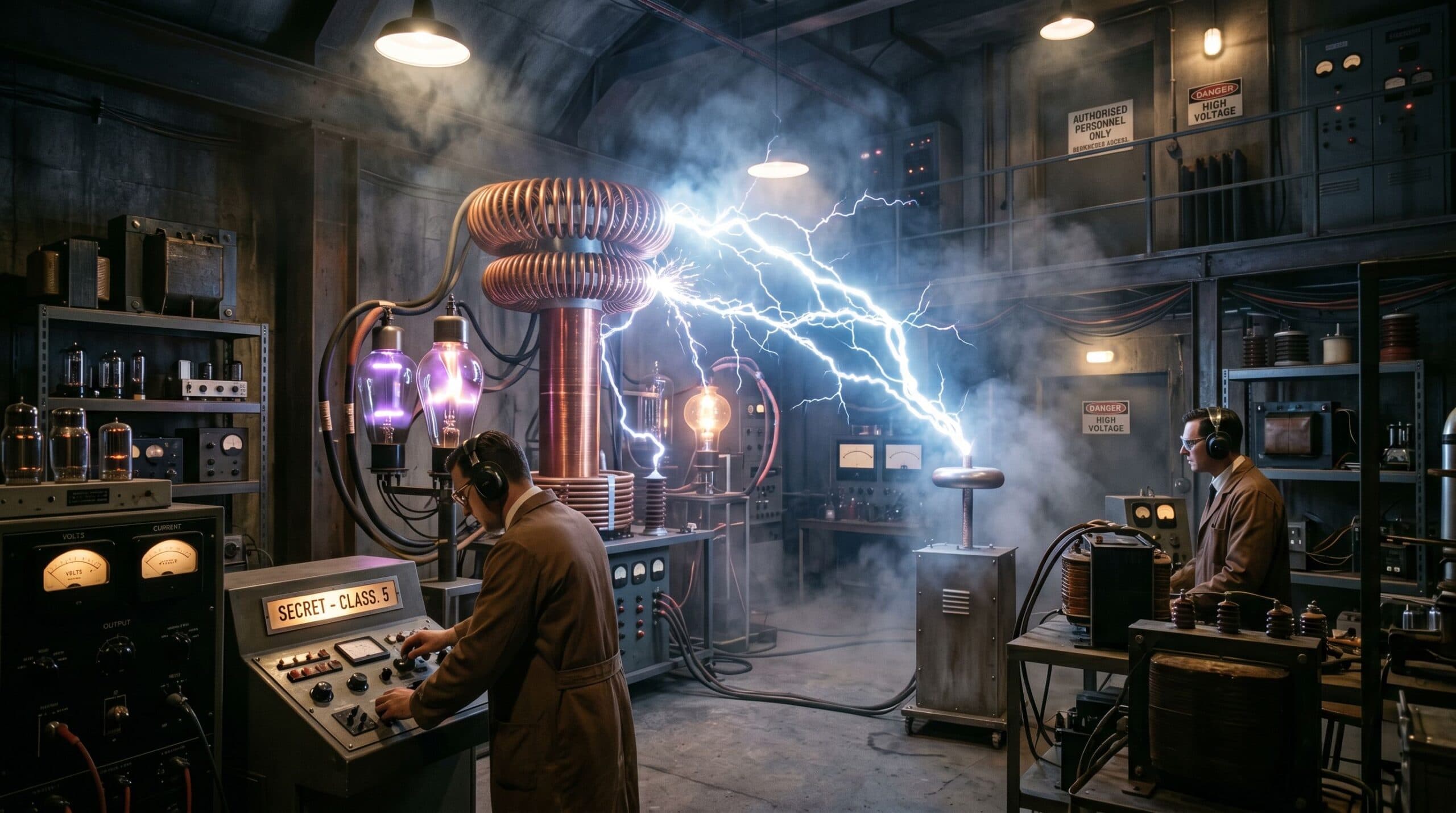
1957 Electrogravitics Secret: The Classified Research Program Whose Watchers Have All ‘Gone’
A viral essay claims that classified electrogravitics research made real progress in the 1950s — and that everyone who knew the truth about it has since disappeared from the public record. The story is spreading through high-strangeness forums.
May 13, 2026 • 7 min read
Strange History
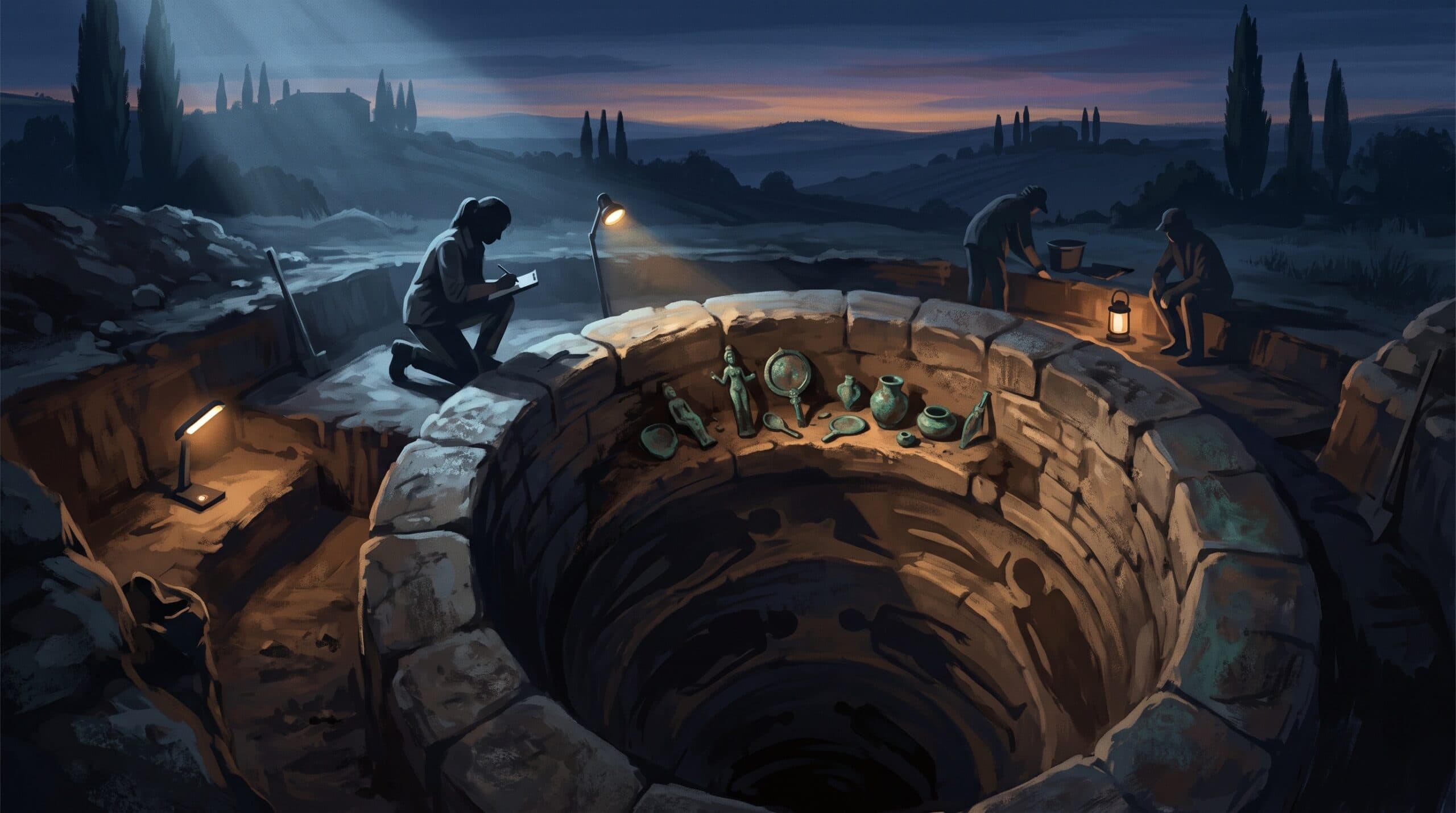
The Etruscan Well Sealed With Human Remains Is Stranger Than a Sacrifice Story
A newly reported Etruscan well in Italy was opened with offerings and sealed with human remains. The evidence reveals a ritual mystery, not a simple sacrifice tale.
Aug 18, 2026 • 7 min read
Articles
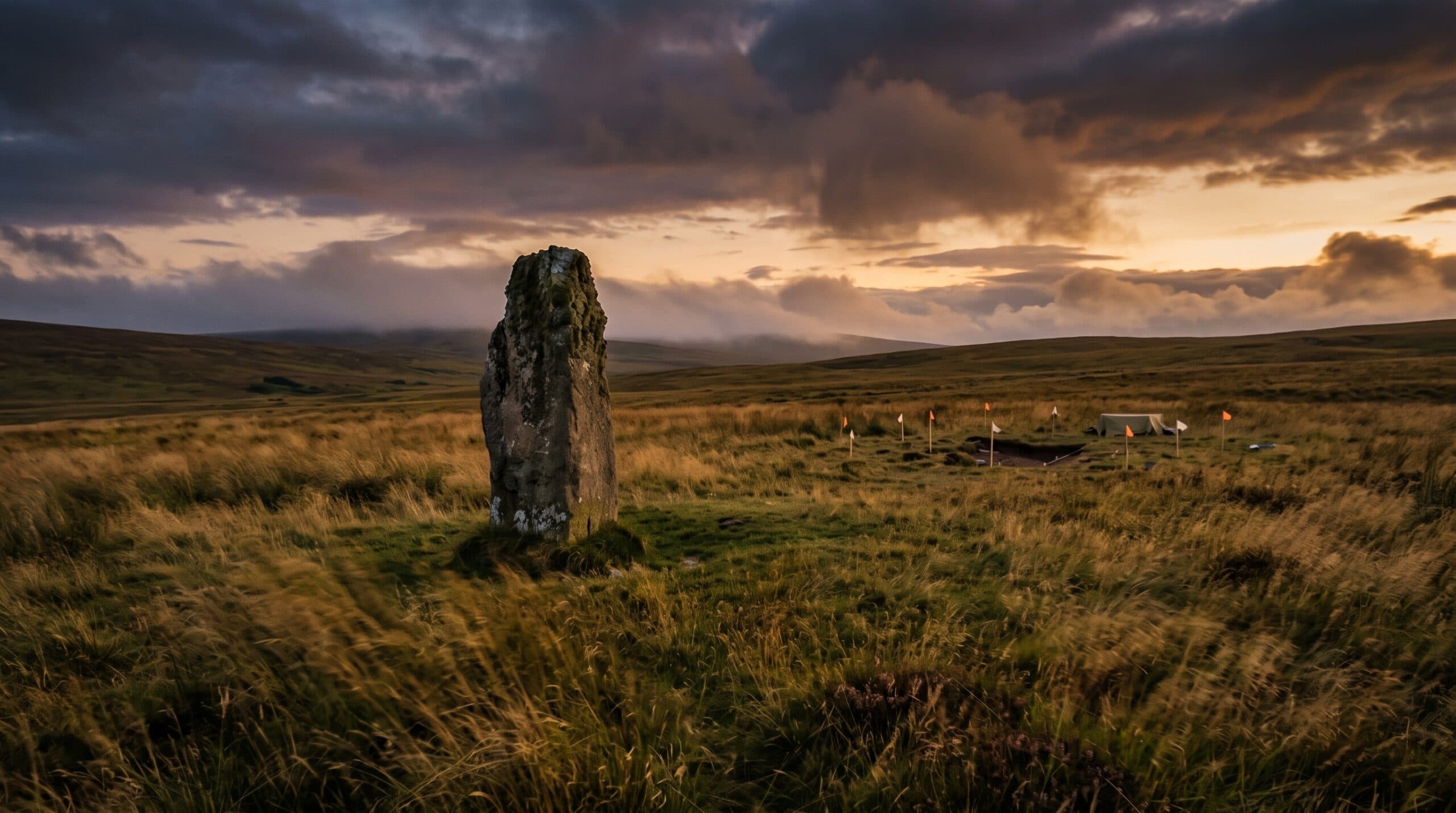
The Lonely Rock That Led Archaeologists to a 3,700-Year-Old Ritual Site
A single stone spotted by a student led archaeologists to a 3,700-year-old ritual site—and raised new questions about how ancient landscapes were read.
Aug 17, 2026 • 4 min read
With Unfavorable Semicircle, community sleuths on Reddit and forums documented tens of thousands of short videos, many silent or static, featuring recurring glyphs, titles, and occasional distorted voice tracks spelling out letters or numbers. Viewers proposed ideas like a hoax, automated bot uploads, an alternate reality game, or even a modern numbers station. These analyses stem from direct observations during the channel’s active period, with archivists preserving what they could before the takedown.
In prison water cases, corrections staff and inmates have reported various intrusions—floods from storms, plumbing leaks, or intentional flooding—in documented incidents tracked by groups like the ACLU and NRDC. These are established patterns from firsthand logs and reports. However, the specific claim of water ‘materializing’ in a cell without a source lacks a verifiable primary record; it’s more of an exotic retelling amid broader, confirmed infrastructure issues.
Timelines, Tracks, and Hard Data
The Unfavorable Semicircle channel launched on March 30, 2015, with heavy uploads starting in April, reaching about 72,000 videos by its removal on February 25, 2016, right after BBC coverage. Content often showed blurred visuals and muffled voices reciting letters or numbers, as noted in BBC reports and community archives. For Kersey, the event dates to October 1957, with cadet names like William Laing, Ray Baker, and Michael Crowley appearing in regional press and paranormal sources such as the East Anglian Daily Times and analyses by Mike Dash.
On the prison side, scientific context from NOAA, USGS, and UCAR rules out macroscopic rain falling upward from the ground; they point to phenomena like virga or updrafts for odd water behaviors, but not materialization from thin air. Documented prison incidents include floods and leaks, per ACLU and Corrections1 reports.
To push further, I’d pursue these research tasks: Attempt FOIA requests for prison incident reports, shift logs, and officer statements, targeting relevant jurisdictions if dates emerge. Search archive.org and Unfavorable Semicircle mirrors for video metadata or comments with potential coordinates—the dossier didn’t confirm any Atlantic links. Check 1957 local newspapers, Royal Navy logs, and Kersey parish records for original mentions to distinguish core claims from later additions.
Date/Event
Source
Link/Reference
March 30, 2015: Channel created
BBC, Atlas Obscura
Community archives
February 25, 2016: Channel removed
BBC reporting
Unfavorable Semicircle wiki
October 1957: Kersey encounter
East Anglian Daily Times
ParanormalScholar, Mike Dash
Various: Prison water incidents
ACLU, NRDC, Corrections1
Institutional reports
Official Story vs. What the Data Suggests
YouTube’s stance was clear: they removed Unfavorable Semicircle in February 2016, likely for spam or terms violations, as per typical platform actions reported by the BBC. Yet this doesn’t address the channel’s odd patterns or intent, which community data suggests could hide signals—gaps remain in verifying authorship despite fan archives.
Institutional science from NOAA, USGS, and UCAR maintains that precipitation forms in clouds, with no evidence for upward rain from the surface; they cite virga or updrafts for unusual effects, but these fall short of explaining water materializing in a sealed space. For prisons, official explanations point to plumbing failures, floods, or inmate actions, backed by ACLU and NRDC documentation of systemic issues. Still, the specific ‘materialization’ lacks a primary record, leaving witness details unaccounted for.
Kersey’s sparse contemporary documentation—mostly regional retellings—means official narratives might chalk it up to memory errors or folklore, but that doesn’t fully square with the consistent sensory reports from the cadets, creating space for anomaly interpretations.
What It All Might Mean
These cases pull together solid threads: Unfavorable Semicircle’s massive uploads and swift takedown are well-documented digitally, prison water events show up in institutional records as infrastructure woes, and Kersey lingers in regional accounts, though it begs for primary confirmation. Gaps persist— the channel’s purpose, any hidden coordinates in videos, a verifiable report for the prison anomaly, and 1957 logs for Kersey.
They matter because they probe evidence frontiers: digital traces that vanish, institutional blind spots, and memory’s fragile hold. Each highlights how anomalies emerge where records fade. Next, I’d chase primary documents—FOIA for the prison, archives for the channel, Navy and press checks for Kersey. Stay rigorous, mark the unknowns clearly, and weigh competing views on the facts.
Frequently Asked Questions
Advertisement
The three Royal Navy cadets reported entering a silent village with frozen smoke, rotting carcasses in a butcher’s window, and other anachronistic details in October 1957. Upon leaving, normalcy returned. These accounts come from retrospective regional sources, leaving questions about contemporaneous records.
Yes, community archives and media like BBC and Atlas Obscura confirm the channel uploaded around 72,000 short videos with static, glyphs, and muffled voices from April 2015 until its removal on February 25, 2016. Theories range from hoax to hidden signals, but the creator and purpose remain unknown.
The specific claim of water appearing in a cell without a source lacks a verifiable primary record, though broader prison water incidents from floods and leaks are documented by groups like ACLU. Science doesn’t support upward rain, pointing instead to prosaic causes, but the exotic detail remains unresolved.
YouTube removed the Unfavorable Semicircle channel for likely spam violations after BBC coverage. Scientific bodies like NOAA dismiss upward rain as impossible under known physics. Prison incidents are often attributed to infrastructure failures, but no official response addresses the materialization claim specifically.
Pursue FOIA for prison logs, search channel archives for metadata like coordinates, and check 1957 newspapers and Navy records for Kersey details. Prioritize primary sources to clarify what’s fact and what’s gap.
Art Grindstone is the hard-nosed storyteller behind Unexplained.co, a veteran investigator whose life’s work sits at the crossroads of the paranormal, fringe science, and the shadows most people try not to look into. With decades spent chasing impossible stories — black-budget psychic programs, vanished Cold War experiments, desert rituals that sparked UFO waves, and the strange phenomena buried in America’s forgotten backroads — Art brings a rare combination of skepticism, awe, and journalistic precision. He’s not here to debunk. He’s not here to blindly believe. He follows the evidence wherever it leads — even when it leads someplace deeply uncomfortable. Known for his immersive, cinematic style and his ability to turn obscure research into gripping narrative, Art has built a devoted following across podcasts, long-form features, documentaries, and serialized investigations. His interviews are direct. His analysis is unflinching. His voice has become a staple in the modern paranormal renaissance — the guy people turn to when a story is too strange, too complex, or too dangerous for anyone else to touch. Off-mic, Art works with a distributed network of researchers, archivists, and field operatives who help surface the stories mainstream media ignores. On-mic, he transforms their findings into meticulous, high-impact reporting that refuses to insult the intelligence of true believers. His philosophy is simple: Take the phenomenon seriously. Treat the audience with respect. Tell the story as if the world depends on it — because sometimes it does. When Art Grindstone digs into a case, he isn’t just chasing a mystery. He’s tracing the fault lines of reality itself.