
On the west coast of Antarctica lies the Thwaites Glacier, a massive body of ice that poses a significant threat to our planet’s future. Dubbed the “Doomsday Glacier,” its potential collapse could lead to catastrophic sea level rises, affecting cities worldwide. Recent studies have unveiled new insights into the glacier’s behavior, revealing complexities that challenge our understanding of this critical issue.
Key Takeaways
- Thwaites Glacier could raise sea levels by over 3 meters if it collapses.
- It currently contributes to 4% of global sea level rise, losing about 50 billion tons of ice annually.
- New research shows a slower melting rate than expected, but the glacier’s instability remains a concern.
- Innovative geoengineering solutions are being proposed to mitigate the effects of climate change on the glacier.
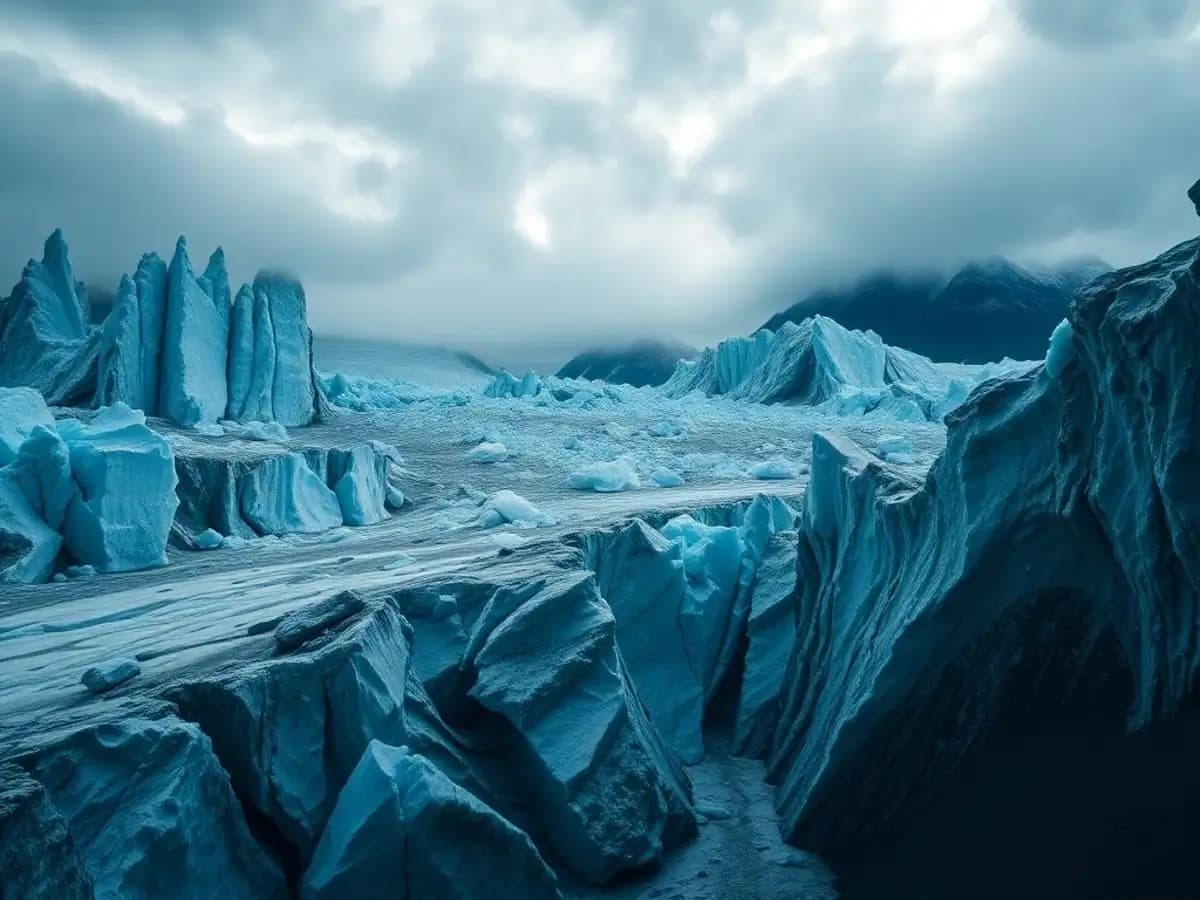
The Thwaites Glacier is not just any glacier; it stands at a staggering 1 kilometer tall and spans 120 kilometers wide, making it the widest glacier on Earth. Its area is nearly three times that of Texas, and it is part of the West Antarctic Ice Sheet. The glacier has been retreating rapidly, contributing significantly to rising sea levels. While it currently loses about 50 billion tons of ice each year, this is not yet a doomsday scenario. However, the potential for catastrophic outcomes looms large.
The Geography Of Thwaites Glacier
The geography of Antarctica plays a crucial role in the glacier’s stability. The ice sits atop a landmass that slopes gently upward, making it difficult for warm ocean currents to reach and melt the ice. However, on the west coast, the ice shelf melts, allowing warm waters to flow in and undermine the glacier. This process could trigger a catastrophic collapse, leading to a significant rise in sea levels.
Advertisement
Evidence Of Rapid Melting
Research has shown that the Thwaites Glacier has lost about 1 trillion tons of ice over the past 25 years. If it were to melt completely, it could raise sea levels by approximately 65 centimeters. The implications of this are dire, as about 10% of the global population lives less than 10 meters above sea level. Major cities like New York and Miami could face severe flooding.
New Research Findings
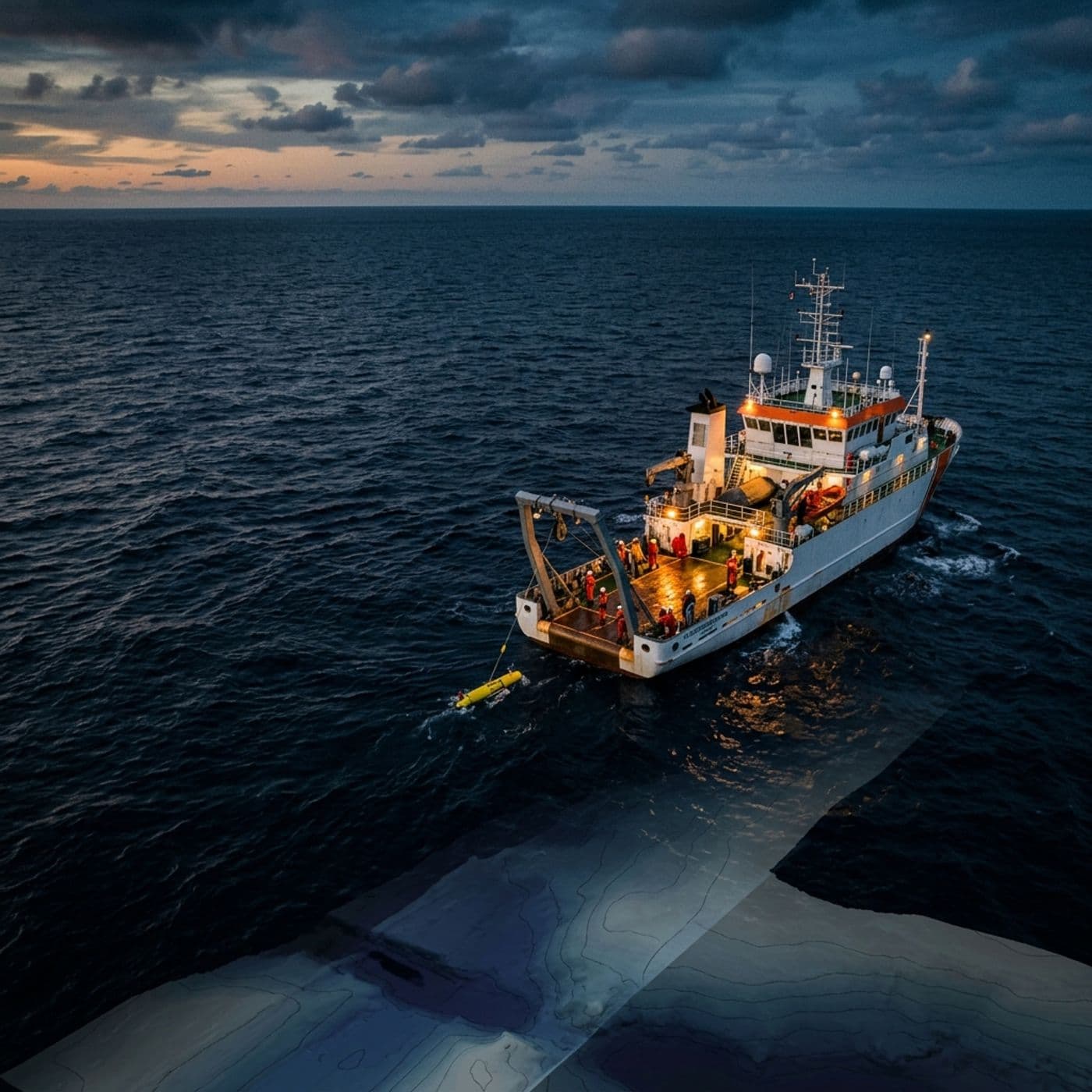
Recent studies have employed various methods, including drilling and sonar, to assess the glacier’s condition. One intriguing approach involved monitoring small mounds of ice, known as pinning points, which indicate the thickness of the ice sheet below. Over time, these points have been found to be decreasing in size, suggesting that the ice sheet is thinning at an alarming rate.