

Key Takeaways
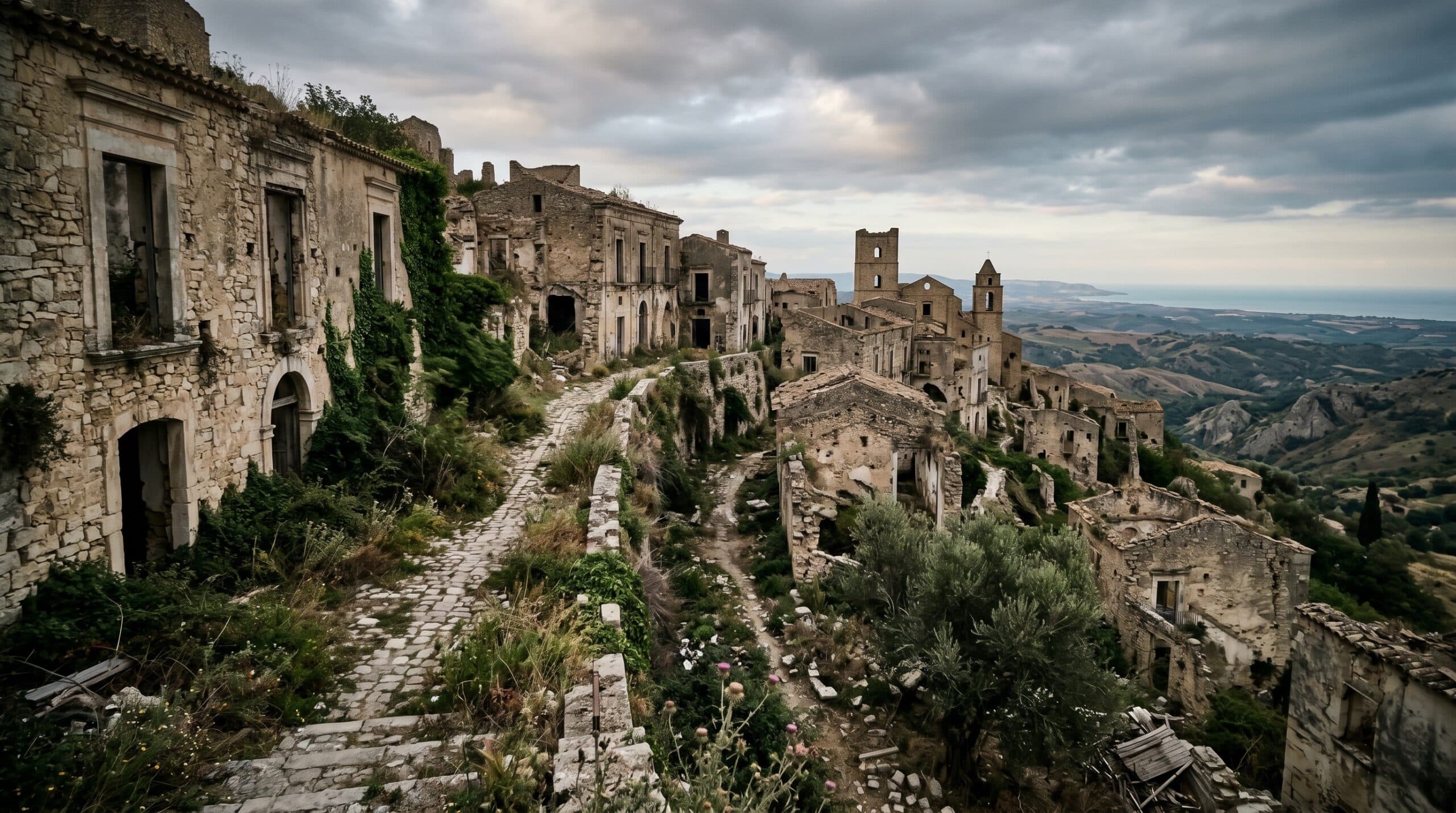
- Community claims describe a massive Richardsonian Romanesque–style stone building reportedly completed in about one year in a small town (~3,400 people in 1880).
- Historical context makes rapid masonry projects plausible: steam-powered quarries, expanding railroads, and seasonal labor made large stone builds feasible in the late 19th century.
- Resolving the gap between oral history and documentary proof requires targeted archival research and material forensics such as mortar analysis and dendrochronology.
A Winter of Stone and Rumor
Imagine a small town in 1879–1880: winters are harsh, work is seasonal, and large projects stand out. Locals recall scaffolds, steady columns of freight cars, and scaffolds rising quickly as dressed stone appears almost overnight. Those passed-down reports emphasize exceptionally fine ashlar and a timeline described as a single year, which fuels skepticism: could a community so small and remote really erect a monumental stone building that fast?
At the same time, technology and logistics were changing. By the 1870s and 1880s, steam quarrying boosted stone production, and railroads extended to many towns, enabling long-distance supply. Seasonal crews and immigrant masonry labor moved where demand was strong. What sounds extraordinary in oral tradition can be consistent with the industrial realities of the period.
What Local Testimony and Researchers Say
Oral histories emphasize speed and precision: joints that look hand-fitted, tool marks that seem subtle, and an absence of obvious documentation like contractor ledgers or building permits. Independent local historians echo these observations, noting gaps in surviving records and a strong community memory of a rapid, impressive build.
Advertisement
Those reports matter. They point to specific questions to investigate rather than being dismissed as folklore. Similar patterns show up in other cases where craftsmanship, spotty archives, and extraordinary claims meet.
Verifiable Context: Dates, Materials, Productivity
Evidence that can be checked includes style, materials, and logistics. Richardsonian Romanesque was in vogue from the 1870s through the 1890s, so stylistic fit alone is not anomalous. Portland cement began U.S. production in the early 1870s but didn’t dominate mortars until later—mortar composition testing could therefore help narrow dates.
Productivity estimates for the era are variable: small masonry crews could place something like 50–150 cubic feet of dressed stone per day depending on stone size and setup; larger, organized crews could scale that considerably. Rail access and steam-quarried stone made these outputs achievable even for large projects in a short span, given outside labor and pre-cut stone.
Was the building really completed in one year? What concrete tests would settle the question?