
Key Takeaways
- Historical records confirm Project Iceworm as a Cold War U.S. plan for underground tunnels and up to 600 missile sites at Camp Century, started in 1959, but it was abandoned without deploying any missiles.
- Recent events stoke fresh worries: Trump’s 2019 and 2026 talks of buying Greenland highlight its strategic value, while Iran’s production of near-60% enriched uranium, as reported by IAEA and analysts, amplifies global nuclear tensions.
- The big unresolved question: Could lingering contamination from the 1968 Thule crash or undisclosed sites still pose risks to Arctic communities and geopolitics?
A Cold White Silence, Shrouding Old Secrets
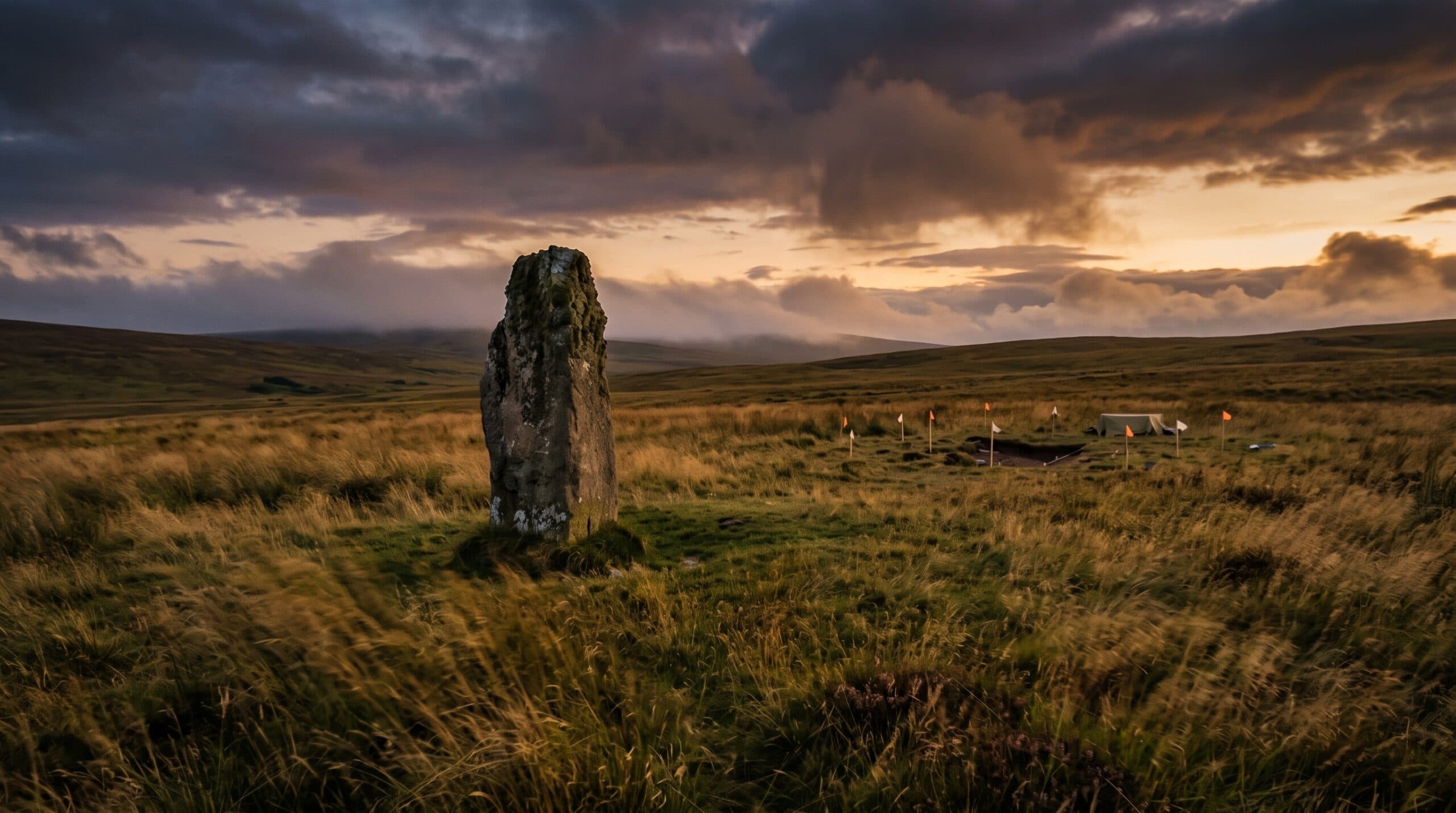
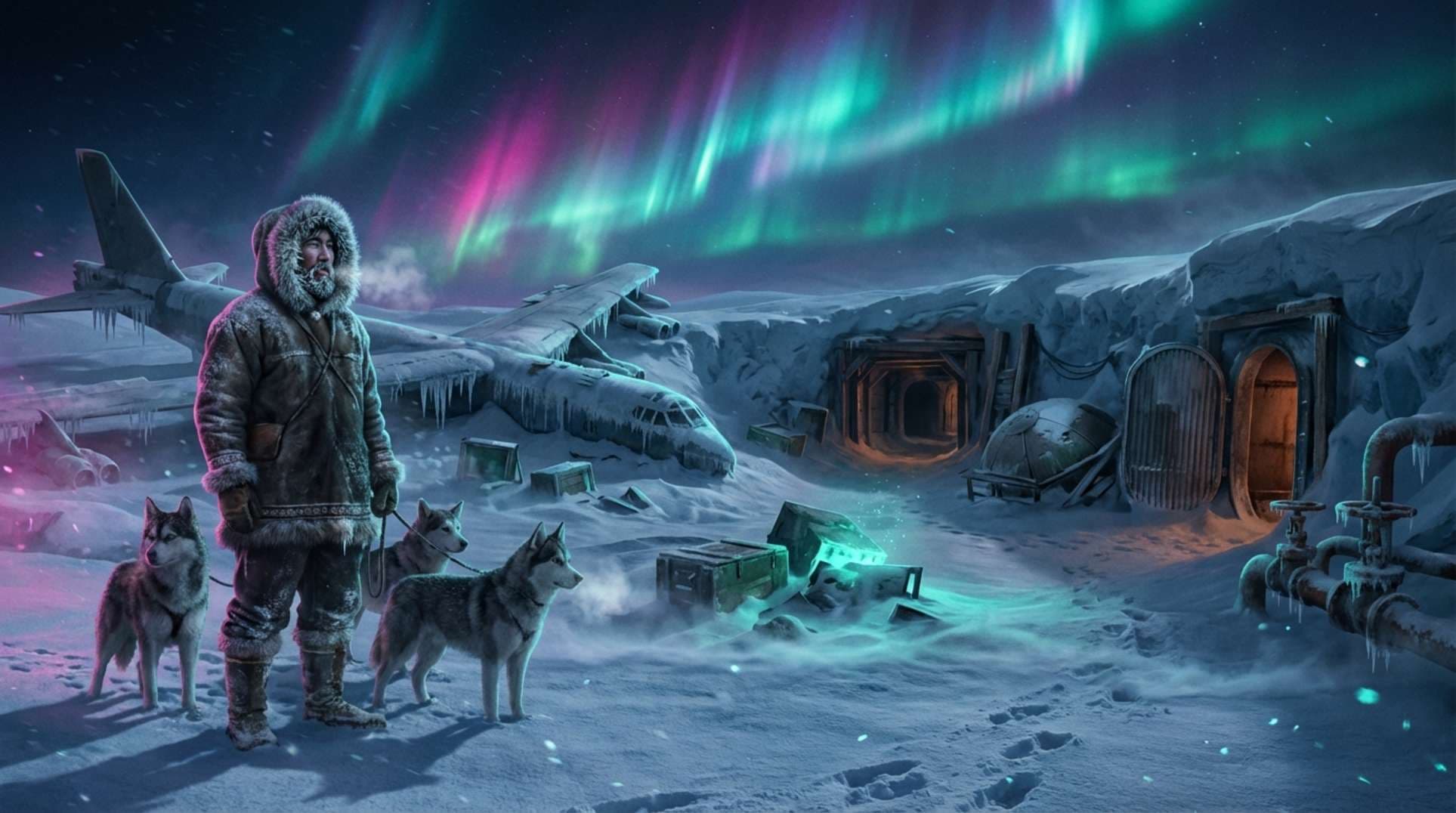
Picture the endless Arctic expanse: windswept ice sheets stretching under a pale sky, where temperatures plunge and silence reigns. Beneath this frozen veil, in the late 1950s, the U.S. military dug in, building Camp Century as a ‘nuclear-powered research center’ that masked bolder ambitions. Construction kicked off in 1959, complete with a small reactor later removed in the 1960s. Fast forward to January 21, 1968—a B-52 Stratofortress crashes near Thule Air Base, scattering radioactive debris from four thermonuclear bombs. The cleanup was massive, but the trauma lingers. Decades on, political echoes resound: President Trump broached buying Greenland in August 2019, and the idea surfaced again in January 2026. This icy frontier, from Cold War schemes to modern power plays, holds secrets that time hasn’t fully thawed.
What Witnesses and Analysts Report
Local voices carry weight here. Inuit hunters and community leaders in Greenland still speak of the Thule crash with raw detail—the explosion, the fallout, and health worries that persist. They describe a distrust born from that day, questioning if official cleanups truly erased the threat. Former Danish workers involved in the recovery echo this, reporting ailments they link to exposure and wondering if every piece was accounted for. Advocacy groups amplify these stories, pushing for more transparency. Online, in Reddit threads and archival forums, researchers pore over declassified docs on Project Iceworm and Thule. They mix solid evidence with theories about hidden remnants, treating each lead as a potential breakthrough. These accounts aren’t fringe—they’re grounded in lived experience and persistent inquiry.
Timelines, Tracks, and Hard Data
Let’s anchor this in the facts. Camp Century’s build began in 1959 under the guise of research, but declassified records reveal Project Iceworm’s vision: a vast tunnel network for up to 600 mobile missiles. It never materialized—the project folded, no missiles deployed. The Thule incident hit on January 21, 1968, when a B-52 carrying four thermonuclear weapons crashed; conventional explosives blew, spreading , and one crew member perished. Camp Century’s reactor came out in the 1960s as ice shifts doomed the site. On the contemporary side, IAEA and ISIS reports from 2023–2024 note Iran’s ~20% enriched uranium stockpile at 712–751 kg (UF6, U-mass equivalent) in early 2024, with near-60% production at Natanz and Fordow. Trump’s Greenland purchase idea emerged in August 2019, resurfacing in January 2026 media.
Did Project Iceworm actually deploy missiles in Greenland? What happened in the 1968 Thule crash? Are there ongoing concerns about contamination? How does Iran’s nuclear activity connect to this? Why the renewed interest in Greenland?