Key Takeaways
- President Vladimir Putin announced on 29 October 2025 that Russia had successfully tested the Poseidon autonomous nuclear-powered underwater vehicle, claiming its nuclear power unit was activated during a submarine launch, according to the Kremlin transcript.
- Independent evidence includes the original 2018 public announcement of Poseidon and major media reports from Reuters, AP, and the Guardian, which covered Putin’s 2025 claim but noted no publicly available confirmation at the time.
- Unresolved questions persist around technical feasibility, such as whether underwater nuclear blasts can reliably produce ocean-crossing tsunamis, based on Defense Nuclear Agency reports and historical tests; independent verification via seismic or hydroacoustic data, reactor specifics, warhead yield, deployment numbers, and environmental impacts remain unconfirmed.
A Silent Convoy Beneath the Dark Sea
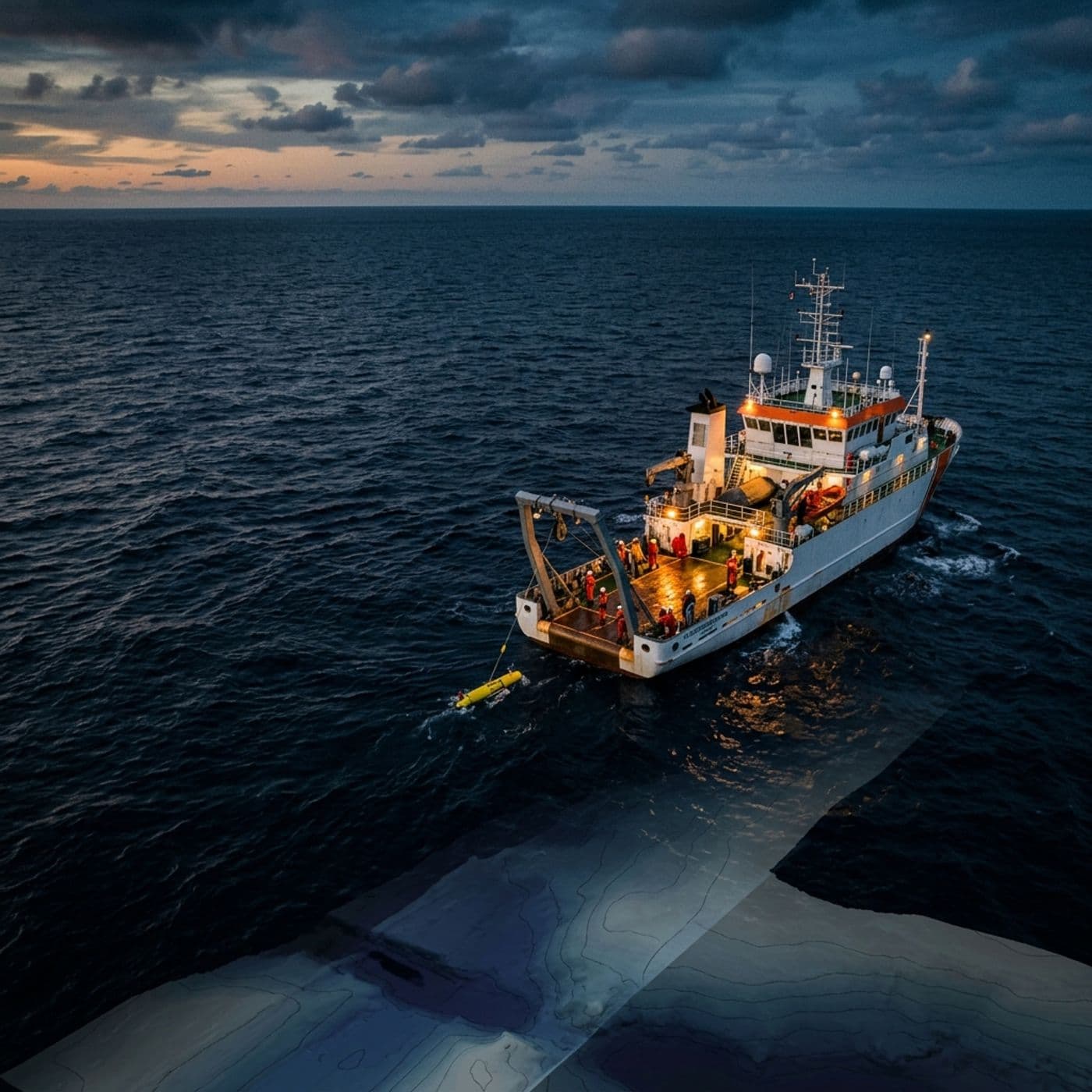
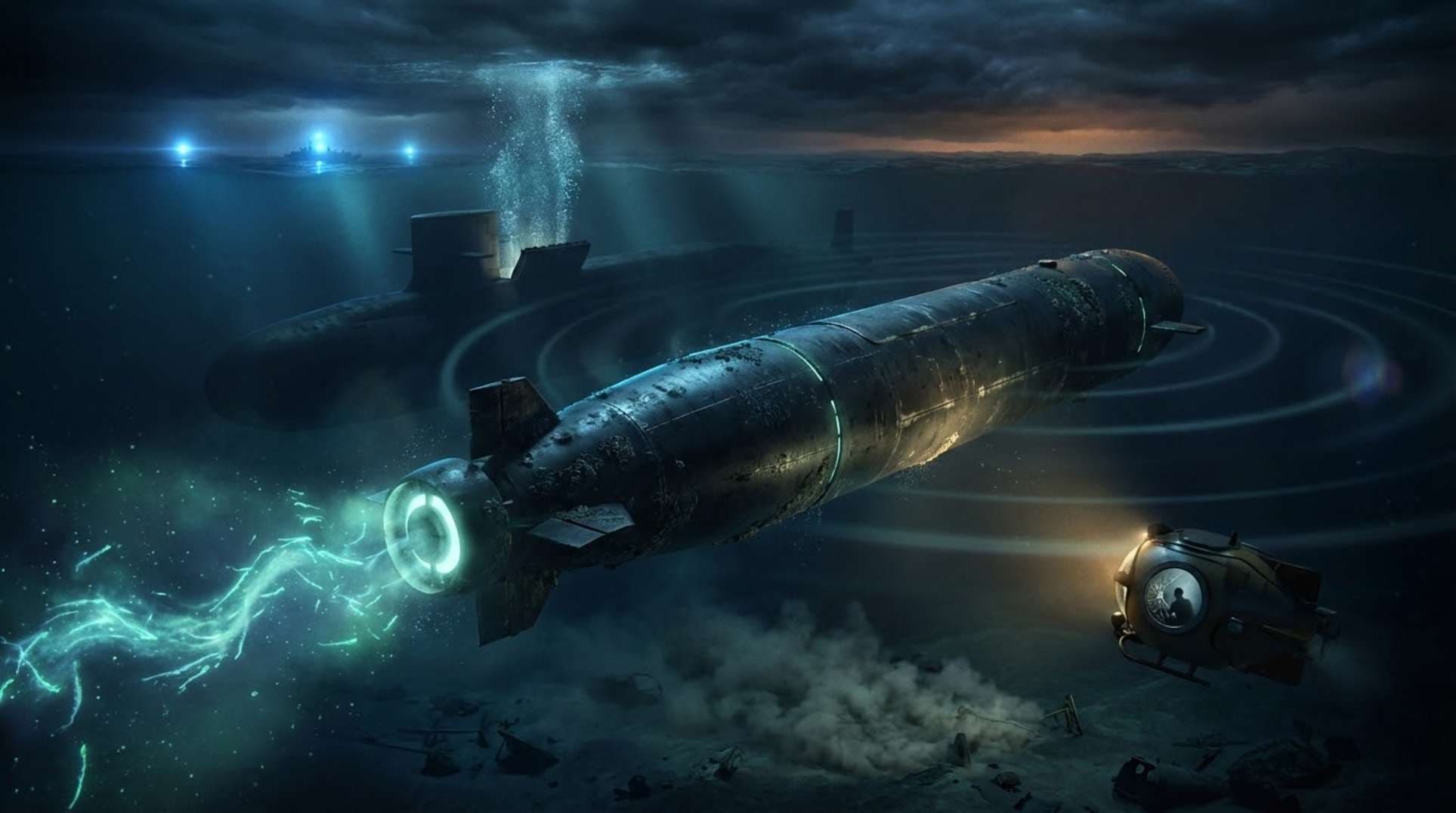
October 29, 2025. President Vladimir Putin, speaking from the P.V. Mandryk Central Military Clinical Hospital, drops a bombshell. He claims a successful test of the Poseidon underwater vehicle happened just yesterday. The words hang heavy in the air, amid escalating tensions between Russia and the West. Imagine it: an unmanned beast, roughly 20 meters long, 1.8 meters in diameter, weighing around 100 tonnes, slipping silently from a submarine into the abyss. Nuclear-powered, autonomous, it glides unseen beneath the waves. This isn’t just a weapon; it’s a shadow in the deep, a signal of power in a world on edge. What does it mean when such a thing is announced publicly? The mood shifts. Escalation feels closer. The ocean hides its secrets, but the announcement echoes like a distant rumble.
What Witnesses and Analysts Report
Since 2018, online communities have painted Poseidon as an apocalyptic force, a doomsday machine capable of unleashing radioactive tsunamis. Forums buzz with tales of 500-meter waves, shared through animations and graphics that circulate widely. These visuals become touchstones for many, even without verification. Witnesses in defense circles point to perceived spikes in monitoring activity around late October 2025, with some unverified sensor reports filtering through social media. Analysts in these spaces infer a game-changing capability, amplifying Kremlin statements.
Mainstream experts offer a counterpoint. They reference historical tests like Operation Crossroads, Hardtack, and Wigwam, where underwater nuclear detonations caused intense local effects—massive spray domes, contamination—but fell short of spawning vast tsunamis. Skeptics highlight the physics: energy dissipates quickly in water, unlike tectonic shifts. Major outlets noted the absence of third-party confirmation right after Putin’s announcement. Everyone’s piecing together the puzzle, from firsthand claims to expert breakdowns. No one’s dismissed here; it’s about sifting through the layers.
Timelines, Tracks, and Hard Data
The story of Poseidon unfolds through key dates and documents. Public records and technical reports set boundaries on what’s possible. Here’s a quick reference table of the essentials:
| Date | Claim | Source |
|---|---|---|
| 1 March 2018 | Initial public announcement of Poseidon (Status-6) | Putin’s public disclosure speech; widely reported |
| 29 October 2025 | Putin announces successful test with nuclear power unit activation | Kremlin transcript from hospital visit; major outlets like Reuters |
| Ongoing | Reported specs: ~20 m long, ~1.8 m diameter, ~100 tonnes | Reuters and other reporting |
| Ongoing | Estimated warhead yield: multi-megaton class (~2 Mt) | Unclassified analyst commentary |
| 1996 / 1946 | Technical constraints on underwater explosions | DTIC/Defense Nuclear Agency report; Operation Crossroads ‘Baker’ test |
| Late October 2025 | No public independent verification | CTBTO/seismic networks; major outlets |
These points anchor the discussion. Specs come from repeated coverage, but they’re estimates. Historical data, like the 23 kt Baker test at 27 meters depth, shows local havoc without far-reaching waves. Verification relies on networks like CTBTO, yet nothing surfaced publicly after the announcement.
Official Story vs. What the Data Suggests
The Kremlin line is clear: a successful Poseidon test, nuclear reactor fired up during launch, as per Putin’s statement and state media echoes. It’s presented as operational triumph. Western outlets like Reuters, AP, Guardian, and Euronews relayed this but added caveats from analysts—apocalyptic visions lack backing, they say.
Scientific papers tell a different tale. Underwater blasts form water columns and radioactive fallout, but they differ from true tsunamis. Energy scatters, not propagates like a quake’s. No reliable ocean-crossing waves without a geological trigger. Communities see proof of a ready system in Putin’s words; others view it as bluff, a signal to deter foes. The gap yawns wide: no hydroacoustic or seismic data confirms reactor runs, yields, or tsunami potential. Claims diverge where evidence thins.
What It All Might Mean
Here’s what holds firm: Putin’s public claim of a test and reactor activation, backed by reported specs and analyst estimates. Technical records limit the tsunami hype—explosions alone don’t cross oceans. Yet questions linger: any independent detections from October 28-29? Reactor details at sea? True warhead yield? Could a blast trigger landslides for bigger waves? How many units are out there, and what’s their status? Environmental fallout under UNCLOS or test bans? Is this signaling over substance?
To dig deeper, I’ll chase CTBTO and open seismic records for those dates, seek input from naval and nuclear experts, pull primary Kremlin docs and media clips. Community claims get flagged as such—no speculation where facts fade. Even if overstated, this shifts the board. Risk perceptions climb. Verification, environment, arms control—all in play now.
Frequently Asked Questions
Putin claimed on 29 October 2025 that Russia successfully tested the Poseidon, with its nuclear power unit activated during a submarine launch, stating the test occurred the day before.
Major media like Reuters and AP reported the claim but noted no publicly available independent confirmation at the time. Verification would typically come from seismic or hydroacoustic networks like CTBTO, but none surfaced immediately.
Historical tests and technical reports show underwater nuclear blasts cause local effects and contamination but don’t reliably produce ocean-spanning tsunamis without triggering geological events. Community claims amplify the idea, but scientific literature constrains it.
It’s described as approximately 20 meters long, 1.8 meters in diameter, weighing about 100 tonnes, with an estimated multi-megaton warhead yield around 2 Mt, based on open reporting and analyst estimates.
Amid strained Russia-West relations in late 2025, the announcement could serve as strategic signaling to influence adversaries, even if full operational capability isn’t proven. It escalates perceptions of risk and changes strategic narratives.