
Halloween is a time of celebration, but its origins are steeped in ancient rituals and beliefs that many may not fully understand. This article delves into the dark history of Halloween, exploring its pagan roots, the influence of Celtic traditions, and the intertwining of these practices with Christian observances.
Key Takeaways
- Halloween has pagan origins linked to the Celtic festival of Samhain.
- The festival marked the end of the harvest season and the beginning of winter.
- Many Halloween traditions were Christianized over time, leading to the modern celebration.
- The practices of honoring the dead and divination are deeply rooted in ancient customs.
The Origins Of Halloween
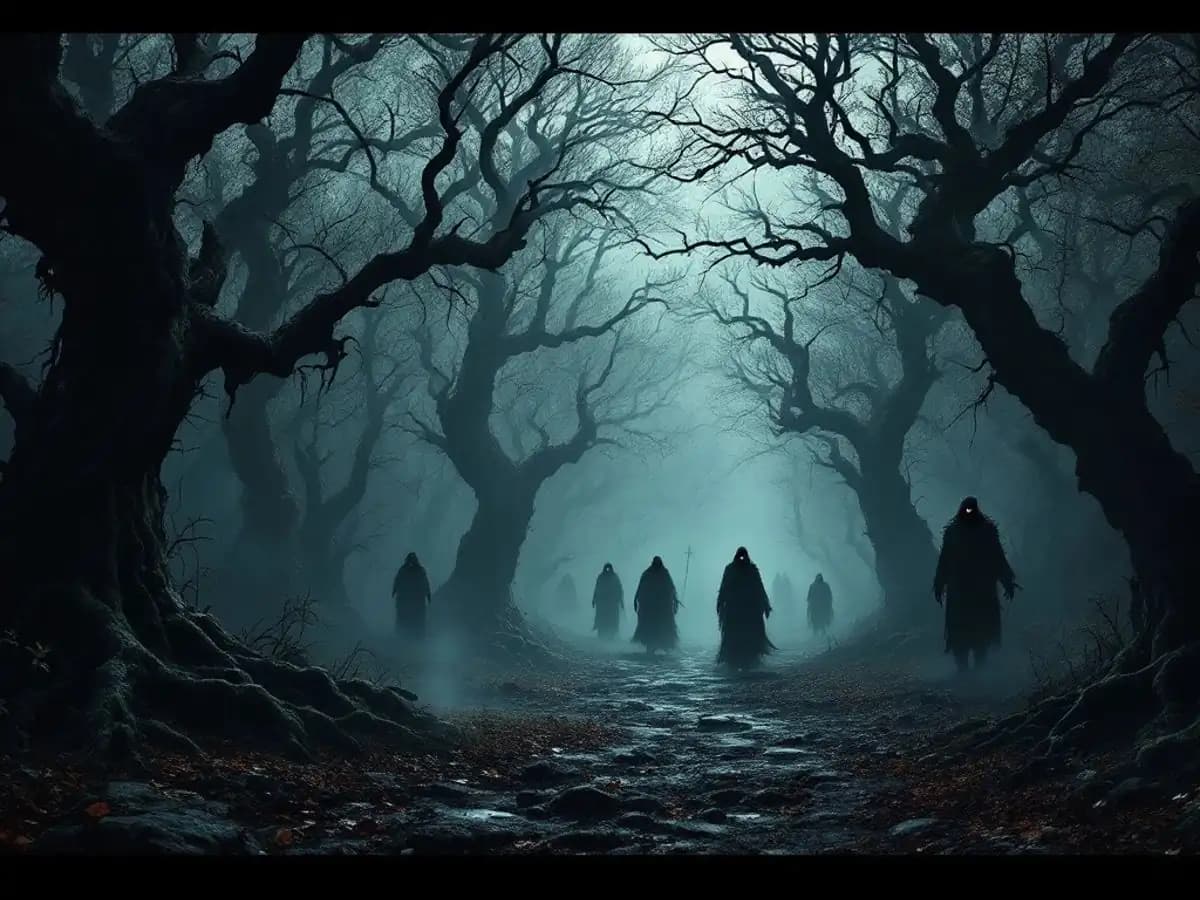
Halloween, or Hallowe’en, is celebrated on October 31st, marking the eve of All Saints’ Day. Its roots can be traced back to Samhain, an ancient Celtic festival that began on October 31st and ended on November 2nd. This three-day period was believed to be when the veil between life and death was thinnest, allowing spirits to cross over into the physical world.
During Samhain, large bonfires were lit, often made from the bones of the dead, to ward off evil spirits. Animal sacrifices were made to appease Celtic gods, seeking their favor for the coming year. The Celts wore costumes, often made from animal pelts, to disguise themselves from any spirits they may have wronged in life.
Advertisement
The Transition To Christianity
As Christianity spread, many pagan traditions were absorbed into Christian practices. Pope Gregory III moved All Saints’ Day to November 1st, likely to overshadow the pagan festival of Samhain. October 31st became known as All Saints’ Eve, which eventually morphed into Halloween.
This blending of traditions raises questions about the true nature of Halloween. While it is often seen as a secular celebration today, its origins are deeply rooted in pagan rituals and beliefs.
The Role Of Divination
Divination was a significant aspect of Samhain celebrations. The Celts engaged in various practices to predict the future, including the popular activity of apple bobbing, which was believed to reveal romantic interests for the coming year. Spirits were called upon for guidance, and the outcomes influenced the sacrifices made to appease the gods.
Advertisement
The Tale Of Stingy Jack
One of the most famous legends associated with Halloween is that of . This tale illustrates how pagan traditions were woven into the fabric of Halloween. Jack was a clever drunkard who tricked the devil multiple times, ultimately leading to his eternal wandering after death. He was given a glowing ember from hell, which he placed inside a carved turnip, creating the first jack-o’-lantern.