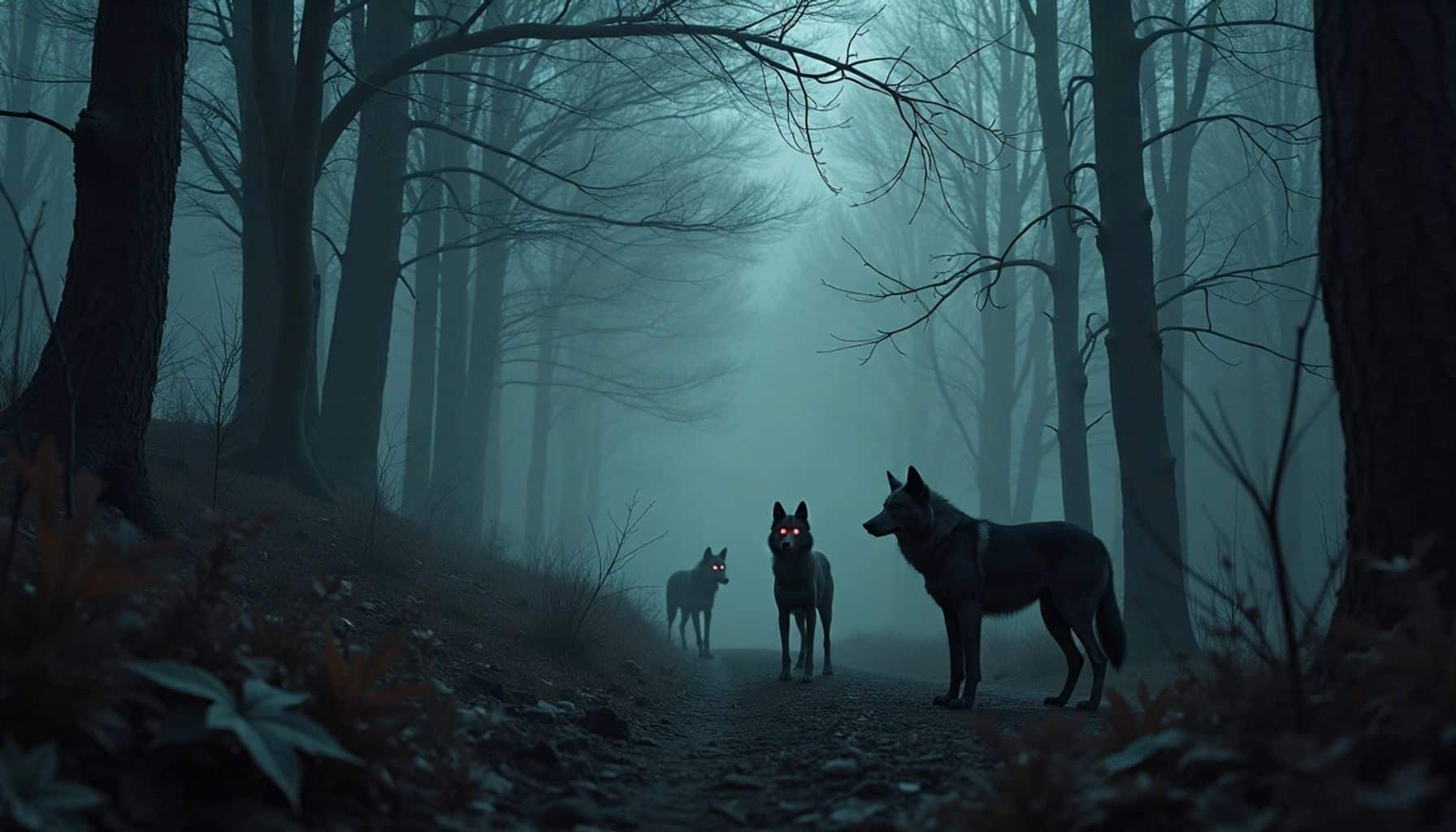

In 1986, the Chornobyl disaster marked a turning point in human history, leaving behind a haunting legacy. This event not only reshaped the landscape of Ukraine but also sparked countless myths and stories, including the chilling tale of the wolf-dogs that roamed the exclusion zone. This article delves into that eerie narrative, exploring the aftermath of the disaster and the strange creatures that emerged from it.
Key Takeaways
- The Chornobyl disaster led to the evacuation of thousands, leaving behind pets and livestock.
- Surviving dogs may have interbred with wolves, creating a new breed known as wolf-dogs.
- The exclusion zone has transformed into a wildlife reserve, thriving despite its dark past.
The Chornobyl Disaster: A Brief Overview
The Chornobyl nuclear disaster was one of the most catastrophic events in history. On April 26, 1986, a reactor at the Chornobyl Nuclear Power Plant exploded, releasing massive amounts of radioactive material into the atmosphere. The nearby city of Pripyat, once a bustling hub, was evacuated 35 hours later, leaving behind a ghost town filled with abandoned homes and pets.
The Evacuation and Its Consequences
When the evacuation order was given, residents were told they would return in three days. They packed only essentials, leaving behind pets and livestock. This decision had dire consequences:
Advertisement
- Abandoned Pets: Many dogs were left tied up or confined, leading to starvation.
- Survival Instincts: A few dogs managed to escape into the surrounding forests, where they faced new challenges.
The Rise of the Wolf-Dogs
As time passed, the abandoned dogs began to adapt to their new environment. Some theories suggest that these dogs interbred with local wolves, giving rise to a new breed known as wolf-dogs. This breed exhibited two notable characteristics:
- Fearlessness: Unlike typical wolves, these wolf-dogs showed no fear of humans, vehicles, or fire.
- Pack Behavior: They formed large packs, sometimes numbering in the hundreds, hunting anything they could find, including livestock and potentially humans.
The Soviet Response
The emergence of these wolf-dogs prompted a response from the Soviet authorities. They organized hunting squads to eliminate this new threat. However, the timeline and effectiveness of these efforts remain unclear. Eventually, reports of wolf-dogs faded, and they seemed to vanish from the area.