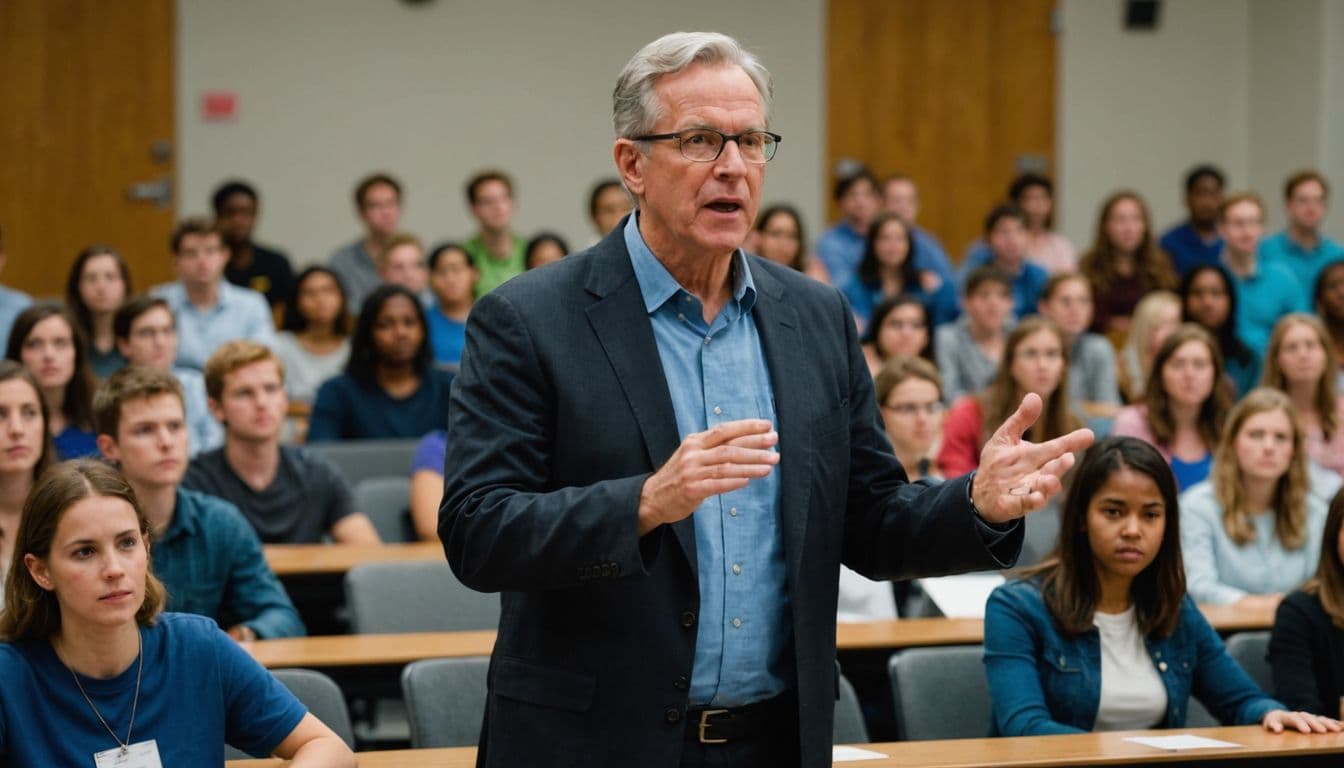

In a recent discussion, Dr. Bret Weinstein, an evolutionary biologist and former professor, delves into the existential threats facing humanity. He emphasizes the urgency of preparation as we navigate a rapidly changing world filled with unprecedented challenges. From climate change to the implications of artificial intelligence, Dr. Weinstein’s insights are both alarming and thought-provoking.
Key Takeaways
- Humanity faces multiple existential threats, including climate change, solar flares, and AI.
- The fragility of our current systems makes us vulnerable to catastrophic events.
- Preparation at both individual and institutional levels is crucial for survival.
The Fragility of Our World
Dr. Weinstein paints a stark picture of our current situation, stating that humanity is in terrible danger. He argues that we have created a fragile world that cannot endure the rapid shifts we are experiencing. The consequences of our actions are already underway, and the time to prepare is now.
Existential Threats to Humanity
Dr. Weinstein identifies several existential threats that we must confront:
Advertisement
- Anthropogenic Climate Change: Driven by human activity, this phenomenon is causing significant changes in our environment.
- Solar Flares: These natural events can have devastating effects on our electrical systems, potentially leading to widespread blackouts.
- Artificial Intelligence: The rapid advancement of AI poses risks that we are not fully prepared to handle.
The Role of Solar Flares
Solar flares, particularly coronal mass ejections, can release charged particles that disrupt our electrical systems. Dr. Weinstein highlights the Carrington Event of 1859, which caused telegraph stations to catch fire. In today’s world, where our infrastructure is heavily reliant on electricity, a similar event could lead to catastrophic failures across the continent.
The Polar Shift
Another pressing concern is the shifting of the Earth’s magnetic poles. Dr. Weinstein explains that we are currently experiencing a polar excursion, which could lead to chaos. The implications of this shift are profound, as it could affect everything from navigation systems to climate patterns.
Advertisement