The Unexplained Company Logo
Sign In
Top 10 Ancient Technologies That Shouldn’t Exist

Top 10 Ancient Technologies That Shouldn’t Exist

Rob Davenport

January 26, 2026

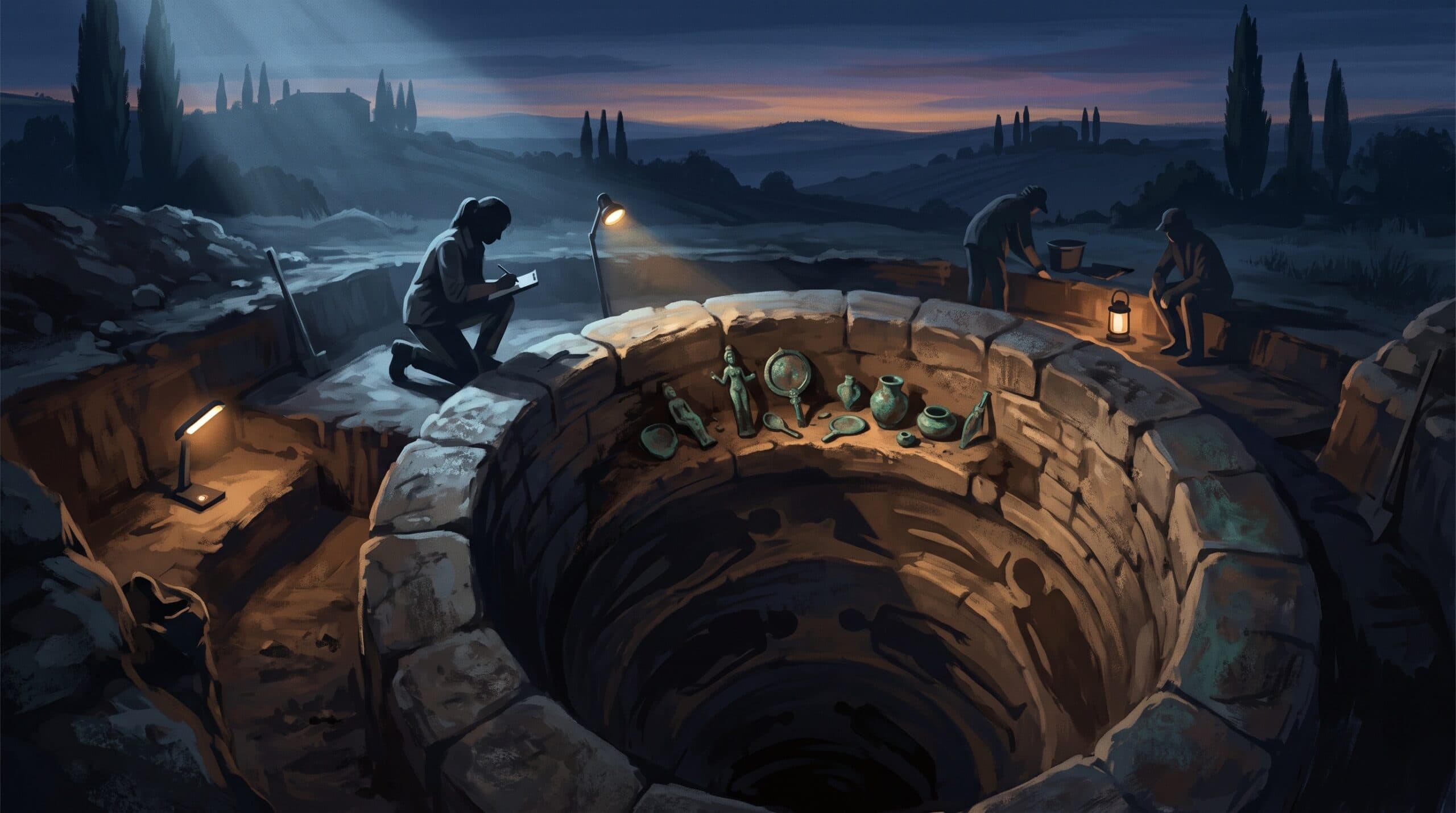
Human history is full of inventions that changed the world — but some artifacts and structures raise uncomfortable questions. From mechanical computers buried in shipwrecks to stone blocks cut with machine-like precision, certain ancient technologies seem to outpace the tools we thought were available at the time.

Are they accidental byproducts of skilled craftsmanship, misunderstood fragments of lost traditions, or evidence of knowledge now forgotten?

In this article we examine the top 10 ancient technologies that shouldn’t exist, summarize the mainstream and fringe explanations, and point to the evidence that makes each case worth investigating.

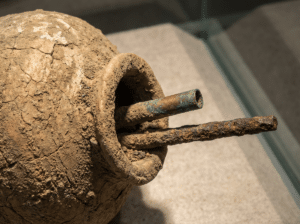
The Baghdad Battery

What it is: Clay jars from Mesopotamia (approx. 200 BCE–200 CE) that, when fitted with a copper tube and iron rod, can hold an electrochemical charge.

Why it’s puzzling: Electrochemical cells require knowledge of corrosion and conductive salts — unexpected for the presumed use-case.

Leading theories: primitive battery (electroplating?), ritual object, storage vessel misinterpreted. Why it matters: If intentionally used for electricity, it rewrites assumptions about ancient chemistry and metallurgy.
The Antikythera Mechanism

What it is: A 2,000-year-old geared device recovered from a Greek shipwreck, capable of predicting astronomical positions and eclipses.

Why it’s puzzling: Complex gear trains and astronomical computation suggest Hellenistic engineering at a level previously thought impossible.

Leading theories: lost tradition of Hellenistic mechanical engineering; a singular genius workshop; prototypes of a broader, now-lost technology.

Why it matters: Demonstrates advanced mechanical design and the possibility of ancient scientific instrumentation on par with much later periods.

Puma Punku’s Precision Stonework

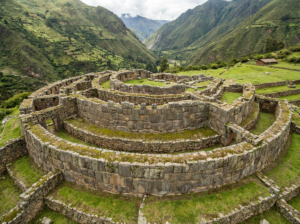
What it is: Massive and precisely cut stone blocks in the Tiwanaku complex (Bolivia) featuring tight joints and machining marks.


Why it’s puzzling: Some blocks are too large to move easily and have tolerances that modern stonemasons struggle to match without power tools.

Leading theories: advanced ancient stone-working techniques (abrasion with sand and hard stone), excellent workmanship spanning generations, or alternative hypotheses involving lost technology.

Why it matters: Forces a re-evaluation of pre-Incan engineering and logistic capability.

Roman Concrete

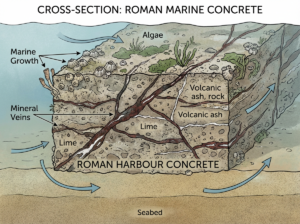
What it is: Coastal Roman concrete structures (e.g., harbors) that remain durable after 2,000 years.

Why it’s puzzling: Modern concrete often degrades faster; Roman mixes used volcanic ash (pozzolana) that seems to strengthen in seawater.

Leading theories: unique chemistry leads to self-healing properties; mix ratios and raw materials produced superior long-term performance.

Why it matters: Understanding Roman concrete could inspire more durable, low-carbon building materials today.

Damascus Steel

What it is: Ancient Near Eastern and South Asian sword steel famed for its strength and distinctive patterns. Why it’s puzzling: The original forging methods were lost; attempts to replicate true “Damascus” properties remain incomplete. Leading theories: particular ore sources (high carbon and trace elements), crucible techniques, and thermomechanical processing created microstructures like carbon nanotube-like patterns. Why it matters: Offers insights into lost metallurgical knowledge that could inform modern materials science.

The Nazca Lines

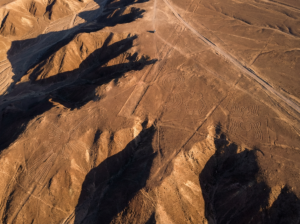
What it is: Enormous geoglyphs in Peru—lines and figures visible from above.

Why it’s puzzling: Their scale and precision raise questions about the surveying and purpose given pre-Columbian technologies. Leading theories: ritual pathways, astronomical markers, markers for underground water, or communal projects with social meaning.

Why it matters: Shows large-scale landscape engineering and complex cultural planning.

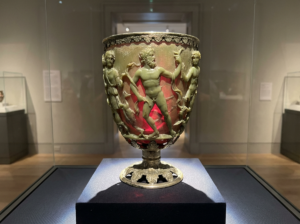
The Lycurgus Cup

What it is: A 4th-century Roman glass cup that changes color depending on light direction due to embedded nanoparticles.

Why it’s puzzling: The cup’s dichroic effect anticipates modern nanotechnology and optical engineering.

Leading theories: fortuitous ancient technique for glassmaking or deliberate control of material composition.

Why it matters: Reveals sophisticated empirical material knowledge and raises questions about how much ancient craftsmen understood of materials at microscopic scales.

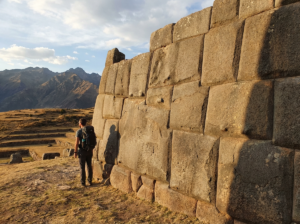
Sacsayhuamán Megaliths

What it is: Gigantic stones fitted so precisely that even a knife blade cannot be inserted between them.

Why it’s puzzling: The transport, dressing, and placement of stones weighing hundreds of tons with no iron tools remain controversial.

Leading theories: incremental shaping with hammerstones and meticulous fitting, ritualized labor organization, or tools/techniques lost to time.

Why it matters: Challenges assumptions about logistics, labor, and engineering in pre-Columbian societies.

Yonaguni Monument

What it is: Underwater stepped terraces off Japan’s Yonaguni coast that look like carved stone architecture.

Why it’s puzzling: Debate continues whether it’s natural bedding planes sculpted by waves or intentionally shaped structures.

Leading theories: natural geological formations vs. submerged human-made terraces from a lower sea-level era.

Why it matters: If man-made, rewrites local prehistory and ancient coastal engineering; if natural, highlights how geological processes can mimic architecture.

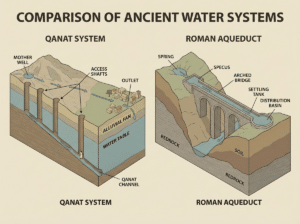
Ancient Water Management and Hydraulic Devices

What it is: Sophisticated qanat systems, hydraulic mining, and Roman aqueduct hydraulics spanning continents.

Why it’s puzzling: Scale, precision, and longevity suggest advanced surveying and hydrological knowledge.

Leading theories: empirical engineering traditions transmitted across generations; lost manuals and apprenticeship systems.

Why it matters: Shows that large-scale environmental engineering was possible long before industrialization.

Conclusion

These artifacts and structures remind us that the past still holds surprises. Whether explained by lost techniques, exceptional individual artisans, or incomplete archaeological records, revisiting these technologies can yield practical lessons for modern science and engineering. Which of these would you like us to investigate next? We can produce a deep-dive article, a short video script, or a full research plan.