
Key Takeaways
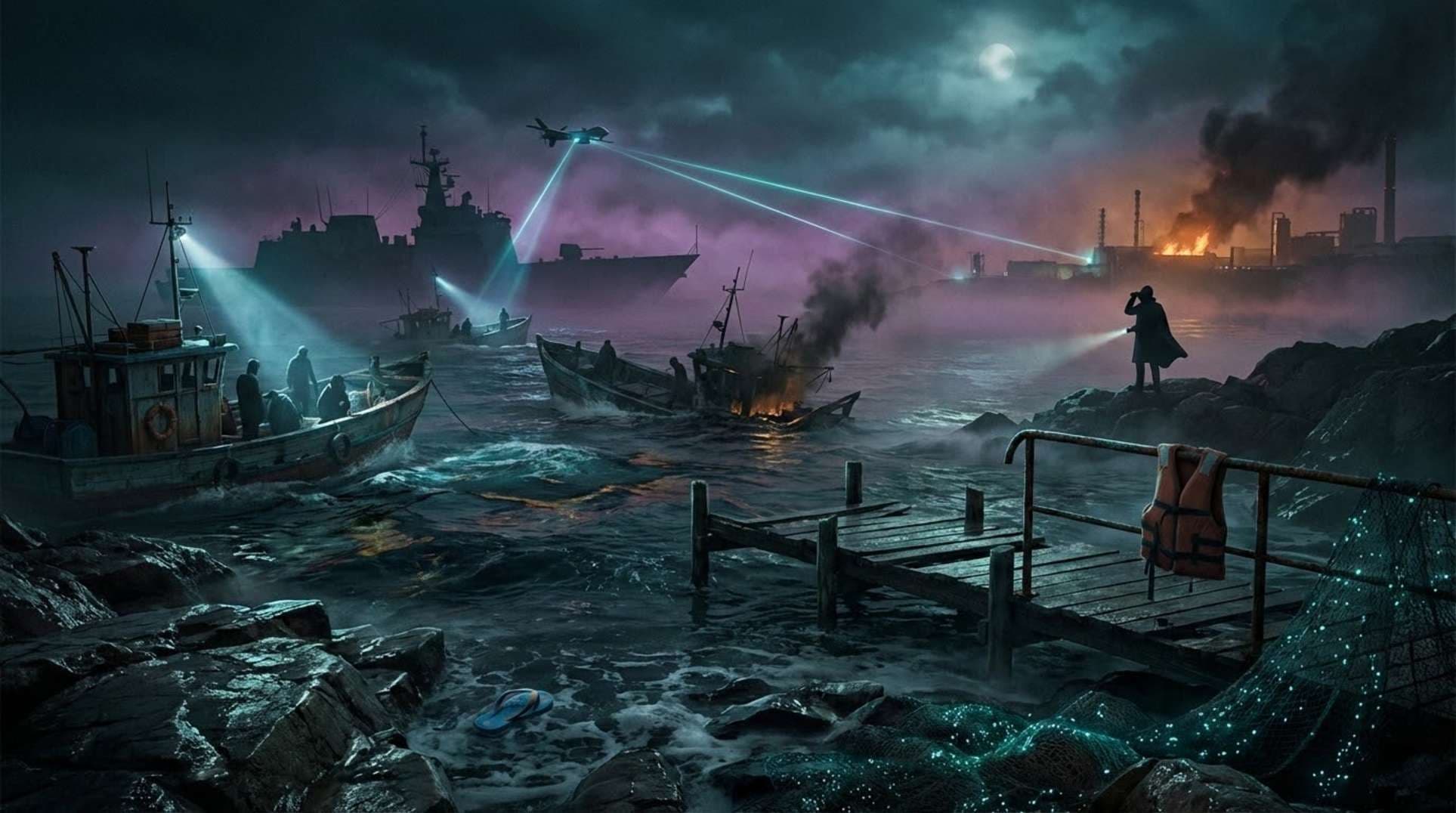
- From September 2025, the U.S. carried out maritime strikes on vessels and at least one coastal facility alleged to be carrying drugs from Venezuela; media reported roughly 20–30+ incidents.
- Independent reports, survivor accounts, and NGOs have documented civilian deaths and called for investigations, while the U.S. framed actions as counternarcotics operations.
- Major gaps remain: limited public evidence for many strikes, disputed victim identities, and questions about legal authorization and geopolitical motives.
Overview
Starting in early September 2025, a series of strikes at sea and on a coastal target were publicly attributed by U.S. officials to disruption of drug shipments linked to Venezuela. Local witnesses, families, and human-rights groups reported deaths and destruction; NGOs and UN officials urged independent inquiries.
Witnesses and Reporting
Media outlets such as AP and BBC reported interviews with relatives and survivors who described many victims as fishers or crew on routine voyages. Independent tallies and NGO investigations estimated casualties ranging from tens to the low hundreds, though figures varied by source.
Legal and Policy Concerns
UN human-rights experts, Human Rights Watch, and Amnesty International raised concerns that some strikes likely violated international human-rights and humanitarian law, citing civilian harm and lack of transparency. Critics argue the U.S. has not released detailed evidence for many strikes, complicating oversight and accountability.
Advertisement
Open Questions
- What concrete evidence connects each struck vessel to narcotics shipments?
- What legal authorities and rules of engagement authorized lethal strikes in these cases?
- Could geopolitical objectives, including pressure on Venezuelan oil-related networks, have influenced the operations?
Conclusion
The reported campaign beginning September 2025 drew significant international scrutiny and calls for independent investigation. With a UN fact-finding process announced in late 2025, further transparency and forensic work will be essential to resolve contested claims and address accountability for civilians harmed.