The Unexplained Company Logo
Venezuela 2026 Airstrikes: What Really Happened That Night

Venezuela 2026 Airstrikes: What Really Happened That Night

Art Grindstone

January 3, 2026
Cataclysm Survival Briefing — Access Briefing Now

Key Takeaways

  • The disputed July 2024 presidential election in Venezuela sparked widespread protests, followed by a crackdown with thousands of arrests, as documented by NGOs like Foro Penal (1,848 verified from July to September 2024) and cumulative tallies nearing 2,062 by year’s end; UN reports highlight a systemic breakdown in rule of law, with patterns suggesting political persecution.
  • Based on consistent reporting from the UN Fact-Finding Mission and groups like Human Rights Watch, mass detentions, enforced disappearances, and due-process violations appear widespread and ongoing, compounded by government prisoner releases in late 2025 that NGOs say fall short, leaving hundreds still held.
  • Open questions linger around the January 3, 2026, events—reports of U.S. strikes on Caracas and Maduro’s possible capture lack independent verification, including chain of custody and legal basis, while gaps persist in full detainee counts and judicial transparency.

Midnight in Caracas: The Night Explosions Shook the City

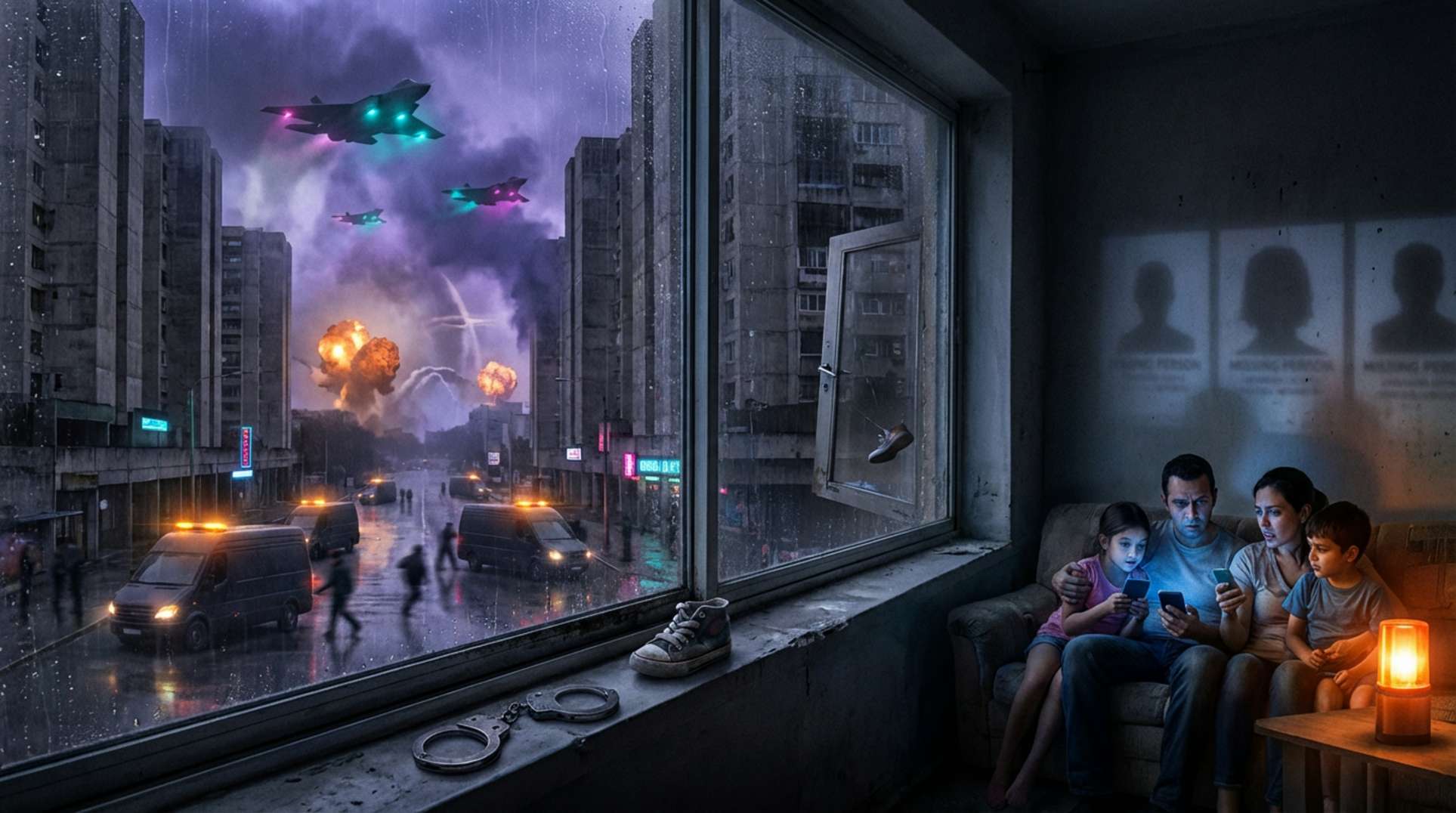
It’s just after midnight on January 3, 2026, and the air in Caracas thickens with tension. Residents jolt awake to the rumble of low-flying aircraft slicing through the night sky, followed by sharp explosions that echo off concrete towers. Families huddle in dim living rooms, phones buzzing with frantic messages—checking on loved ones already caught in the post-election dragnet, scrolling live feeds for scraps of news. This isn’t some isolated incident; it’s the culmination of months of unrest since the disputed July 2024 vote, where protests met swift security sweeps, detentions, and whispers of vanishings. Social media erupts in real time, Venezuelans abroad torn between outrage over sovereignty and quiet hope for change. We’ve all tracked aerial anomalies before—those unexplained lights or crafts that defy easy answers. Here, the reports from Reuters, CBC, and Radio-Canada point to U.S. strikes, but the full picture? That’s what we’re digging into next.

What Witnesses and Analysts Are Saying

From the ground up, the stories align in haunting ways. Victims and families describe sudden arrests sweeping through neighborhoods after the July 28, 2024, election—doors kicked in, people bundled into vans, then silence. NGOs like Foro Penal have been logging these cases daily, verifying 1,848 arrests between late July and September 2024 alone. Human Rights Watch echoes this with dozens of testimonies: killings, enforced disappearances, arbitrary holds in counter-terrorism courts where access to lawyers is a rarity. Families struggle to locate detainees, echoing UN reports of incommunicado periods that fit patterns of disappearance.

Local researchers and opposition groups add layers, sharing alleged vote discrepancies from election tallies that fuel the distrust. Communities aren’t buying the official line; they’re piecing together their own narratives, much like how our readers analyze sighting data. Diaspora networks in Canada, the U.S., and Latin America amplify these voices online—emotional, polarized, but grounded in shared experiences. We cross-check where we can: HRW’s cumulative arrest count hits around 2,062 by December 2024, drawing from Foro Penal’s meticulous records. These aren’t isolated claims; they form a pattern we’ve seen in other shadowy operations.

Timelines, Tracks, and the Hard Data

To cut through the fog, let’s map this out forensically. Key events overlap in ways that demand scrutiny, from election day chaos to that explosive night in 2026. Sources range from UN missions to NGO tallies, with verification statuses noted—some rock-solid, others hanging on threads. Here’s a compact timeline to help you track it:

DateEventSourceVerification Status
28 July 2024Disputed presidential election; onset of protests and mass arrests.Foro Penal, HRWVerified
28 July–30 Sept 20241,848 verified arrests.Foro PenalVerified
Sept 2023–Aug 2024UN FFM report documents rule-of-law degradation.OHCHR/FFMVerified
Through 31 Dec 2024Cumulative arrests ~2,062.HRW citing Foro PenalVerified
March 2025FFM updates on political persecution patterns.FFMVVerified
30 Apr 2025HRW report on post-election killings, disappearances, detentions.Human Rights WatchVerified
16 Aug 2024 & 9 Sept 2024Canada statements urging result verification and detainee release.Global Affairs CanadaVerified
Late Dec 2025 / Jan 2026Government announces 88–99 prisoner releases; NGOs dispute totals.Venezuelan govt, NGOsPartially verified (releases confirmed, totals contested)
3 January 2026Reports of U.S. strikes on Caracas and Maduro capture.Reuters, CBC, CTV, Radio-CanadaUnverified

Official Narratives vs. What the Data Points To

The Venezuelan government paints detainees as terrorists, justifying sweeps as necessary security measures and dismissing outside critiques as interference—any strikes? Pure imperialism. Yet UN Fact-Finding Mission reports clash hard, outlining arbitrary arrests, torture allegations, and disappearances that scream political targeting, even rising to crimes against humanity levels.

Canada’s statements—from August 2024 calls for transparent results to September demands for releases—highlight the international pushback, urging adherence to law post-2026 reports. Take the prisoner releases: officials claim 88–99 freed in late 2025, but NGOs insist hundreds remain, a stark mismatch. On the January 3 operation, media outlets reported strikes and a possible Maduro takedown, but without confirmed custody chains or legal backing, it smells like classic black ops ambiguity. The government’s counter-terror frame might cloak political motives, while sanctions and fact-finding efforts sketch paths to accountability. Data suggests the official story bends under scrutiny.

What This Could All Add Up To

We’ve got solid ground here: UN and NGO docs confirm repression scaling up post-July 2024, with arrests, vanishings, and justice gaps stretching back to 2023. Likely elements include the true scope of detentions—some potentially permanent—and the murky legality of that 2026 strike, where releases don’t match NGO counts.

Big questions hang: Who can independently verify high-profile custodies or judicial charges? What’s the legal footing for foreign actions, and how does it ripple regionally? Next moves: Pull case files from Foro Penal families, chase FFM updates, ping Global Affairs Canada, HRW, and even Venezuelan officials. Seek satellite shots, radar logs, consular notes—tools we’ve used on aerial mysteries before. This matters for Venezuelans facing erased voices, for a region eyeing intervention precedents, and for anyone championing rule of law against shadowy power plays. Victims’ accounts drive this; uncertainties flag where we keep probing, respecting the narratives that push us forward.

Frequently Asked Questions

The disputed presidential election on July 28, 2024, led to widespread protests, which the government met with security operations resulting in mass arrests and detentions, as documented by NGOs and UN reports.

Foro Penal verified 1,848 arrests from July 28 to September 30, 2024, with cumulative figures reaching around 2,062 by December 2024 according to Human Rights Watch citing Foro Penal. These tallies come from daily family reports and cross-checks, making them credible but subject to ongoing verification.

Multiple outlets like Reuters and CBC reported explosions, low-flying aircraft, and claims of U.S. strikes leading to Maduro’s possible capture on January 3, 2026. However, independent verification of the operation, chain of custody, and legal basis remains unresolved.

The Venezuelan government frames detentions as anti-terror measures and dismisses foreign involvement as interference, while UN and NGO findings document arbitrary arrests, disappearances, and political persecution, highlighting major discrepancies in narratives and numbers.

It raises questions about accountability in contested elections, humanitarian access amid repression, and the implications of potential foreign military actions, setting precedents for regional politics and rule-of-law advocacy.