
Key Takeaways
- Robert Duncan claims extensive experience in advanced defense research, describing methods that can manipulate perception, cognition, and create the sensation of hearing internal voices, as shared on the Danny Jones Podcast in November 2022.
- Verifiable elements include DARPA’s public neural-interface programs like NESD, N3, and SUBNETS; the microwave-auditory Frey effect documented since 1962; and historical MKULTRA abuses revealed in the 1970s.
- Unresolved aspects involve the absence of public evidence linking modern voice-to-skull technologies to operational DARPA or intelligence programs, thin documentation for some historical speech-transmission experiments, and the need to verify Duncan’s employment through FOIA requests.
A Quiet Microphone, a Loud Confession
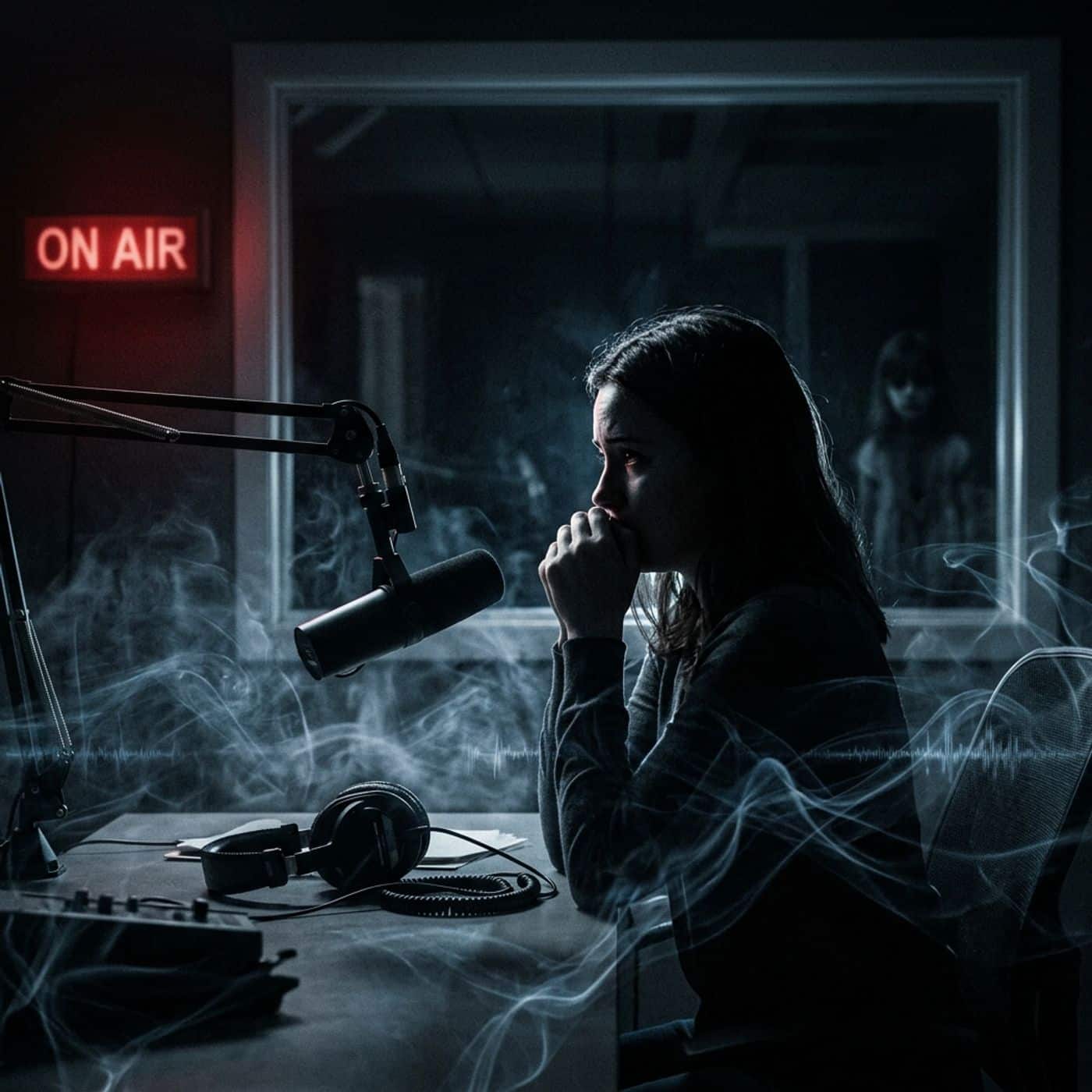
The Danny Jones Podcast episode 160, released on November 8, 2022, unfolds in a straightforward studio setup, available on YouTube and Spotify. Len Ber and Robert Duncan speak openly about directed energy and internal voices, their voices steady against a backdrop of dim lighting and focused conversation. Ber shares his story through the lens of a self-reported Havana syndrome diagnosis, while Duncan positions himself as a Harvard-educated scientist with MIT ties and hands-on defense research. The three-hour exchange feels intimate, weaving technical details with personal accounts and sweeping allegations of misuse. It pulls you in, stirring curiosity about what hidden layers might lie beneath the surface, leaving a subtle tension in the air.
What Witnesses and Analysts Report
Robert Duncan speaks of his time in advanced defense research, detailing neuro-weapon techniques that he says can shift perception and generate internalized auditory experiences. Len Ber adds his own encounters, tying them to broader patterns. Across targeted individual communities, reports echo similar experiences: sharp clicks, persistent buzzing, sensations of directed energy, voices that seem to speak directly inside the head, disrupted thoughts, and the heavy toll of stigma—often dismissed as mental illness. These groups point to historical touchstones like MKULTRA for context, alongside lab phenomena such as the Frey effect and references to Sharp and Grove’s work. They push for medical and legal recognition, with bodies like the OHCHR noting petitions on electronic harassment claims. We hear the consistency in these accounts, the shared frustration, and the call for answers.
Timelines, Tracks, and Hard Data
Allan H. Frey’s 1962 paper in the Journal of Applied Physiology (17:689–692) first documented the microwave-auditory effect, where modulated electromagnetic energy triggers sound perception. DARPA’s programs, detailed on their website, include NESD aiming to read about 1×10^6 neurons and write to 1×10^5, alongside N3, Neuro-FAST, and SUBNETS with specific channel, volume, and time goals. The mid-1970s brought MKULTRA disclosures via the Church Committee, exposing U.S. government abuses in human-behavior research, with declassified CIA documents now public. References to Sharp and Grove at Walter Reed appear in secondary sources, claiming RF-based speech transmission in labs, though primary reports are scarce in peer-reviewed journals. A 2021 review confirms the Frey effect’s reproducibility but notes constraints like power needs and directionality for practical use. The podcast itself hit platforms on November 8, 2022. OHCHR filings catalog allegations of electronic harassment, framing them in human-rights terms.
What exactly does Robert Duncan claim? verifiable evidence for these internal voice technologies? How do official sources respond to these claims? What are the next steps for investigating this?