
Food prices are skyrocketing, and consumers are feeling the pinch. With shrinking portions and rising costs, grocery shopping has become a financial burden for many. This article explores the alarming trends in food pricing, corporate greed, and what consumers can do to fight back.
Key Takeaways
- Food prices have increased significantly since 2020.
- Companies are cutting corners, leading to smaller portions at higher prices.
- Consumers are taking action through boycotts and alternative shopping methods.
- Awareness and advocacy can lead to change in corporate practices.
The Rising Cost of Groceries
You’re not imagining it—food has never been this expensive. Prices have surged, with some items costing nearly 25% more than they did just a few years ago. For example, the cost of noncarbonated juices has risen by 29%, and beefsteak prices have jumped by almost 10.7%.
Many families are struggling to keep up. Hannah Schall, a mother, shared her frustration: “It used to be $35 for formula, now it’s $50. That’s crazy!” This sentiment resonates with many as they grapple with the reality of inflated grocery bills.
Advertisement
Shrinkflation: Paying More for Less
One of the most insidious tactics companies employ is shrinkflation. This is when manufacturers reduce the size or quantity of a product while keeping the price the same or even increasing it. For instance, a popular cereal might now contain 100 grams less for just 10 cents more.
- Examples of Shrinkflation:
- Cereal boxes with reduced weight.
- Fewer chocolate pieces in a box of chocolates.
- Smaller bags of chips for the same price.
Corporate Greed and Consumer Impact
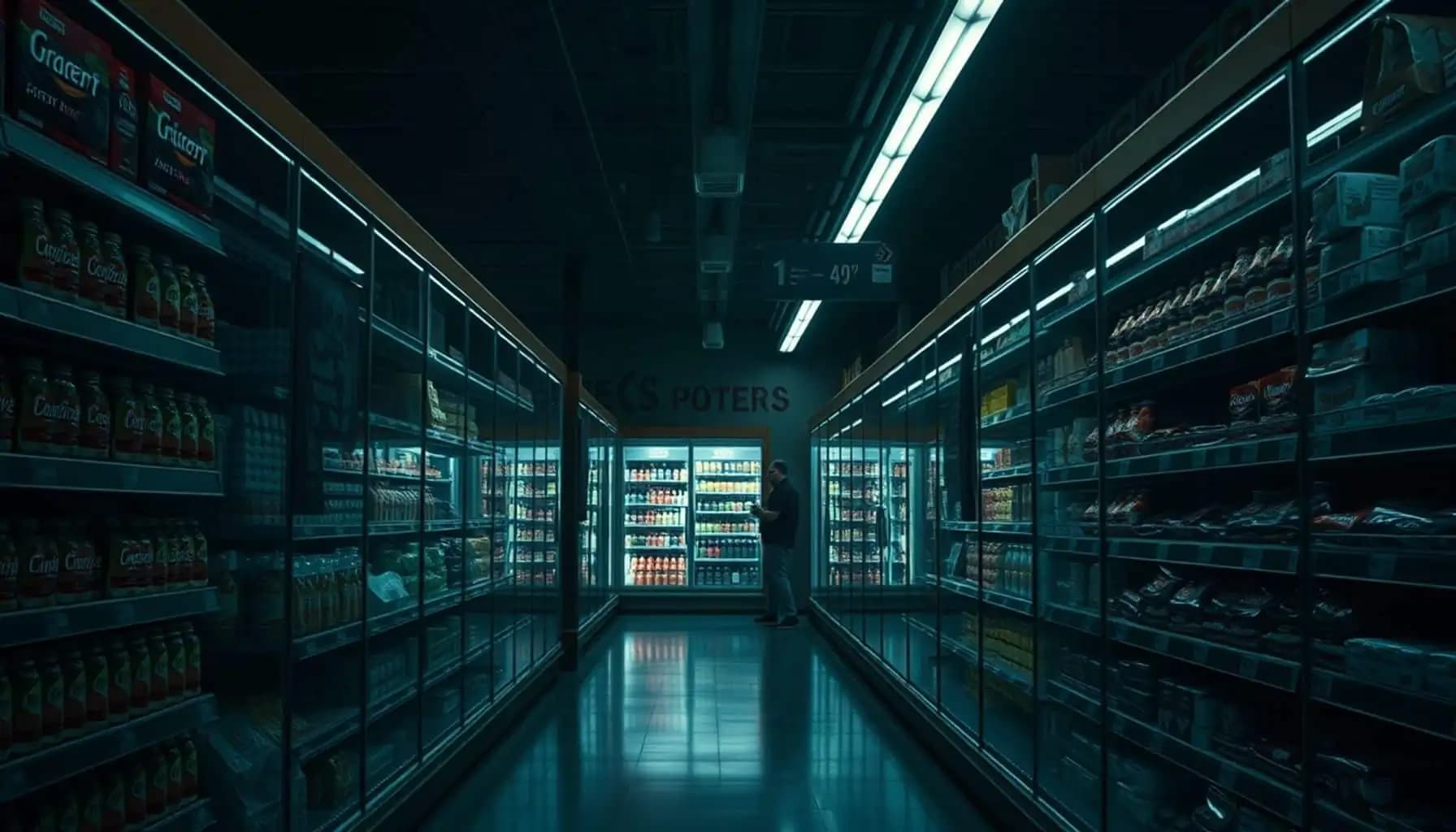
Reports indicate that three in five Americans are facing financial hardships due to rising prices. Many are left with no choice but to resort to theft to meet their basic needs. Retailers like Walmart and Target have responded by locking up everyday items instead of lowering prices. This reflects a troubling trend where corporations prioritize profits over consumer welfare.
The Canadian Boycott Movement
In Canada, the situation has escalated to the point where citizens are boycotting major grocery chains like Loblaw. Over 18% of Canadians have actively participated in this boycott, expressing their frustration over inflated prices. The movement has gained traction on social media, with communities rallying together to demand fair pricing.