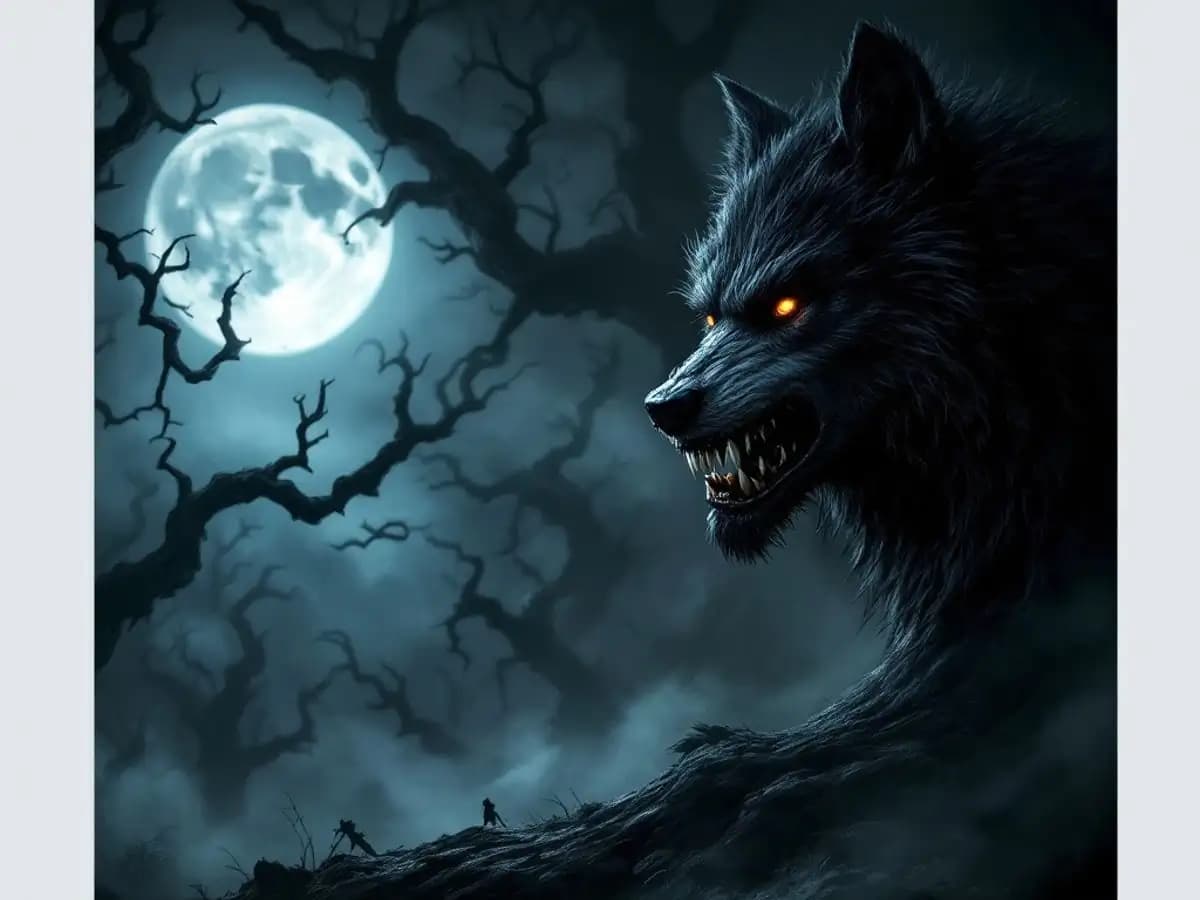

The myth of werewolves has captivated human imagination for centuries. From ancient folklore to modern pop culture, the idea of humans transforming into wolves raises intriguing questions about its origins. This article explores the real-life phenomena that may have inspired the legendary Wolf Man.
Key Takeaways
- Genetic Conditions: Hypertrichosis, or werewolf syndrome, leads to excessive hair growth.
- Rabies Connection: Symptoms of rabies may have contributed to werewolf legends.
- Psychiatric Disorders: Clinical lycanthropy causes individuals to believe they can transform into animals.
- Historical Trials: The werewolf trials of the 16th and 17th centuries reflect societal fears and superstitions.
- Full Moon Effects: Some studies suggest increased disturbances during full moons.
- Silver Bullets: The lore of silver bullets is rooted in cultural beliefs about purity.
The Origins Of The Werewolf Myth
The concept of humans transforming into wolves dates back thousands of years. Stories of werewolves can be found in cultures across the globe. When similar myths arise in different regions, it prompts the question: how close to reality might the Wolf Man be?
Hypertrichosis: The Werewolf Syndrome
One of the most fascinating explanations for the werewolf myth is hypertrichosis, a rare genetic condition. Individuals with this disorder grow an abnormal amount of hair all over their bodies, giving them a wolflike appearance. Historically, people with hypertrichosis were sometimes exhibited in freak shows or accused during the werewolf trials. This association with abnormality likely fueled the myth.
Advertisement
The Role Of Rabies
Another potential contributor to werewolf legends is rabies. This viral disease affects the central nervous system and can lead to aggressive behavior, foaming at the mouth, and hallucinations. Given that wolves are common carriers of rabies, it’s easy to see how the symptoms could be linked to the savage image of a werewolf. Some researchers speculate that rabies outbreaks may have inspired tales of werewolves.
Clinical Lycanthropy: A Psychological Perspective
Clinical lycanthropy is a psychiatric condition where individuals genuinely believe they can transform into wolves or other animals. This delusion often occurs alongside serious mental health disorders, such as schizophrenia or bipolar disorder. While rare, documented cases exist where individuals acted violently, believing they were shape-shifting into wolves. For instance, a 2016 case in Florida involved a young man who exhibited growling and other wolflike behaviors during a violent episode.