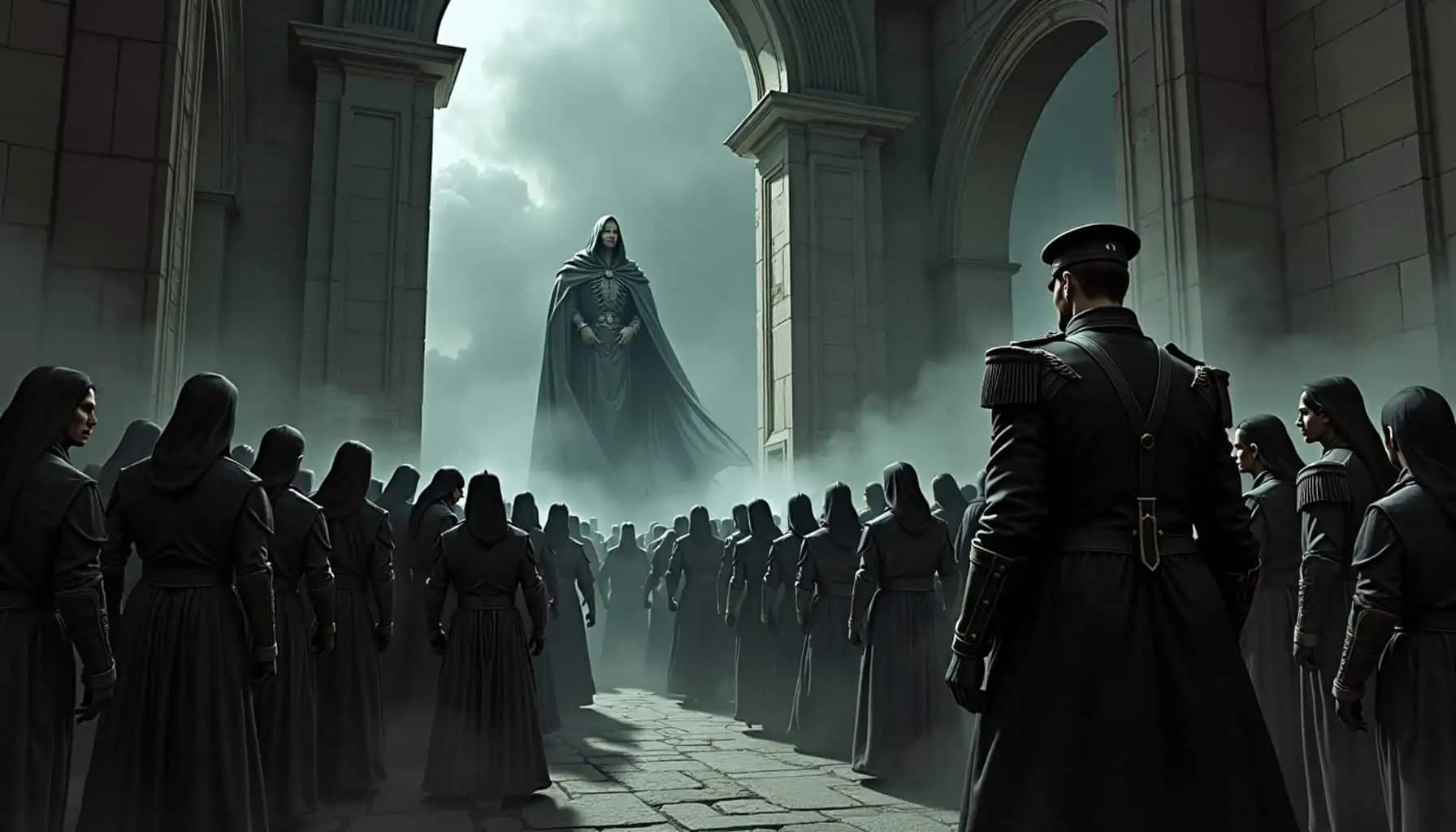

In 1979, Saddam Hussein orchestrated a chilling public purge, accusing 68 of his own party members of treason. This event was not just a display of power but a calculated move to eliminate rivals and instill fear among his followers.
Key Takeaways
- Saddam Hussein’s rise to power involved brutal tactics.
- The public purge was a strategic move to eliminate perceived threats.
- Fear and manipulation were key tools in Saddam’s regime.
The Setting
In July 1979, the newly appointed president of Iraq, Saddam Hussein, called a meeting in a local theater hall in Baghdad. The atmosphere was tense, with the temperature soaring to 40°C. Saddam had been in power for less than a week, but he was determined to assert his authority.
The Accusation
As the meeting commenced, a member of Saddam’s inner circle announced a terrible plot against the president. He claimed that a group of high-ranking party members was conspiring to remove Saddam from power. The shocking revelation left the audience in stunned silence.
Advertisement
The Confession
Saddam then summoned Mhi ADC Hussein, a powerful member of the Revolutionary Command Council. Mhi, who had previously opposed Saddam, was coerced into confessing to crimes he did not commit. Under extreme duress, he admitted to plotting against Saddam, fearing for the safety of his family.
- Torture and Coercion: Mhi was tortured and threatened with the rape of his wife and daughter if he did not comply.
- Forced Confession: His confession was a desperate attempt to save his loved ones, not a reflection of reality.
The Execution Order
After Mhi’s confession, Saddam took control of the room. He coolly lit a cigar and asked the audience how to deal with the so-called traitors. The answer was clear: the sword. The terrified party members clapped, knowing they had no choice.
Advertisement
Saddam then began reading names from a list. Each person called had to stand, recite the party’s slogan, and leave the room. They were unaware of their grim fate awaiting them outside.
The Aftermath
Saddam called out 68 names. Those who remained in the hall expressed relief, some even shedding tears. Meanwhile, the condemned were gathered and transported to prison.