Worlds in Collision – The Work of Immanuel Velikovsky
Politics
Worlds in Collision – The Work of Immanuel Velikovsky
The prospect of a climate apocalypse has become a pressing concern in recent years, as scientific evidence increasingly points to the severe consequences of unchecked global warming. The potential for irreversible…
Art Grindstone is the hard-nosed storyteller behind Unexplained.co, a veteran investigator whose life’s work sits at the crossroads of the paranormal, fringe science, and the shadows most people try not to look into. With decades spent chasing impossible stories — black-budget psychic programs, vanished Cold War experiments, desert rituals that sparked UFO waves, and the strange phenomena buried in America’s forgotten backroads — Art brings a rare combination of skepticism, awe, and journalistic precision. He’s not here to debunk. He’s not here to blindly believe. He follows the evidence wherever it leads — even when it leads someplace deeply uncomfortable. Known for his immersive, cinematic style and his ability to turn obscure research into gripping narrative, Art has built a devoted following across podcasts, long-form features, documentaries, and serialized investigations. His interviews are direct. His analysis is unflinching. His voice has become a staple in the modern paranormal renaissance — the guy people turn to when a story is too strange, too complex, or too dangerous for anyone else to touch. Off-mic, Art works with a distributed network of researchers, archivists, and field operatives who help surface the stories mainstream media ignores. On-mic, he transforms their findings into meticulous, high-impact reporting that refuses to insult the intelligence of true believers. His philosophy is simple: Take the phenomenon seriously. Treat the audience with respect. Tell the story as if the world depends on it — because sometimes it does. When Art Grindstone digs into a case, he isn’t just chasing a mystery. He’s tracing the fault lines of reality itself.
8 min · 1,891 words
In This Report(15)
The prospect of a climate apocalypse has become a pressing concern in recent years, as scientific evidence increasingly points to the severe consequences of unchecked global warming. The potential for irreversible damage to our planet’s ecosystems and the well-being of future generations has sparked a sense of urgency among climate scientists, policymakers, and activists alike. This article delves into the critical thresholds of climate change, explores strategies for mitigation and adaptation, and discusses whether there is still room for optimism in the face of potential disaster.
Key Takeaways
By 2035, we may reach a critical point of no return in climate action, after which limiting global warming to 1.5°C may no longer be possible.
Irreversible changes to the Earth’s climate system are driven by human activities such as deforestation and fossil fuel consumption.
A paradigm shift towards ‘apocalyptic optimism’ may be necessary to foster progress and inspire collective action against climate change.
The Tipping Point: Understanding the Critical Thresholds of Climate Change
The 2035 Deadline: A Point of No Return?
We’re on the brink, folks. Scientists have circled 2035 on the calendar as the year we might cross a critical threshold. After that, stopping a 2-degree Celsius rise in Earth’s temperature becomes a pipe dream. This isn’t science fiction; it’s a countdown to potential disaster.
Many experts agree that if we don’t act decisively, we’re headed for dire consequences. The study from the UK and Netherlands is crystal clear: act now or face irreversible repercussions. We’re looking at a future where ‘extremely unlikely’ becomes ‘impossible.’
Advertisement
We’re not just up against the clock; we’re up against our own legacy of deforestation and fossil fuel addiction. It’s a legacy that’s pushing us closer to the edge.
Here’s the kicker: it’s not just about temperature changes. It’s the domino effect—one disaster triggering another. We can’t afford to ignore the warnings any longer.
Key Takeaways:
2035: The potential point of no return.
2-degree Celsius rise: The line we must not cross.
Action required: Urgent and decisive.
We’ve got to flip the script. It’s time for bold moves and a new narrative. ‘Apocalyptic optimism’ might sound like an oxymoron, but it’s the mindset we need to adopt. We can change the ending of this story, but only if we start rewriting it now.
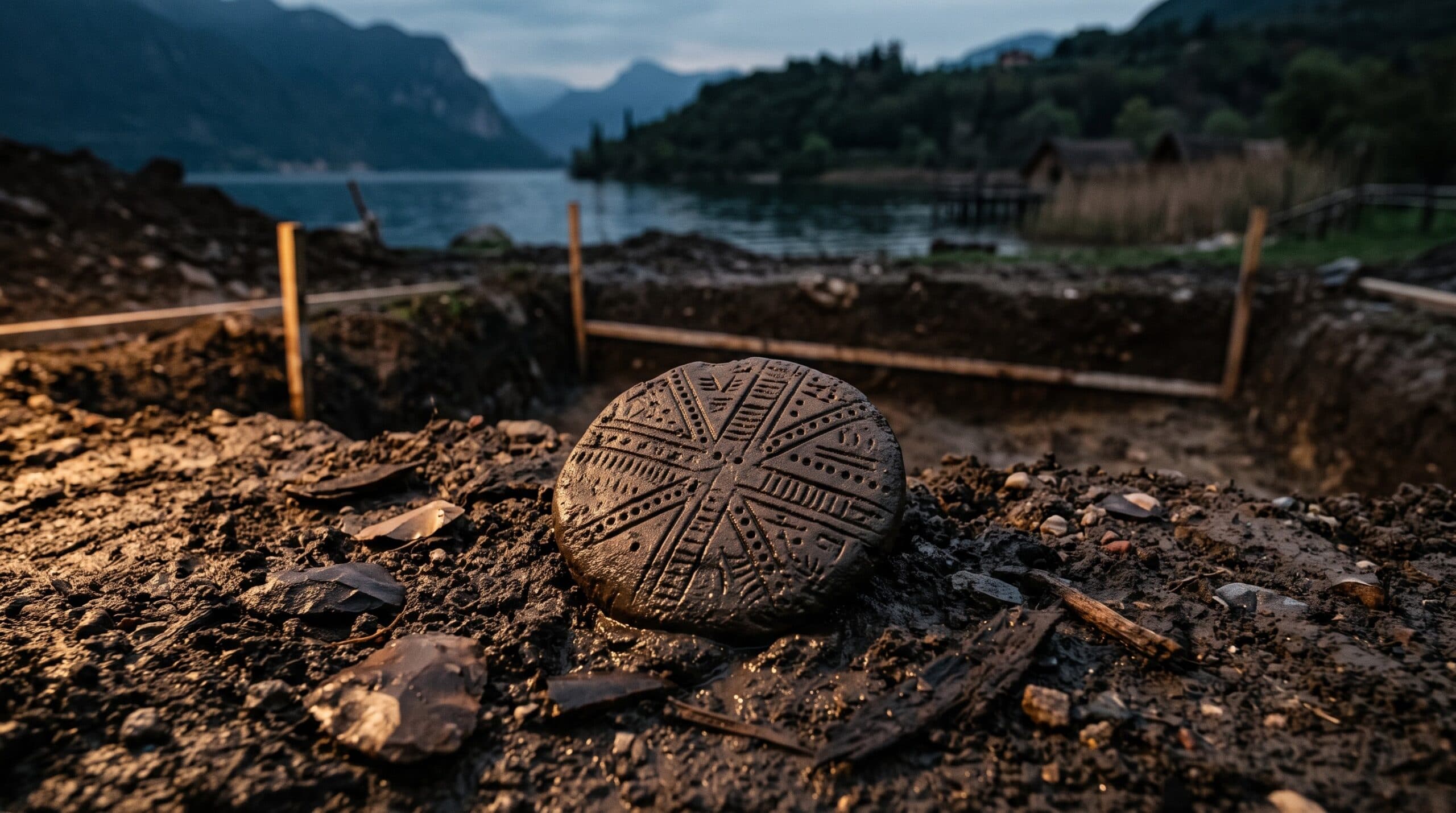
An intact 4,000-year-old tablet from northern Italy carries geometric signs no one can read. Its real mystery may be the network behind it.
Aug 18, 2026 • 7 min read
Articles
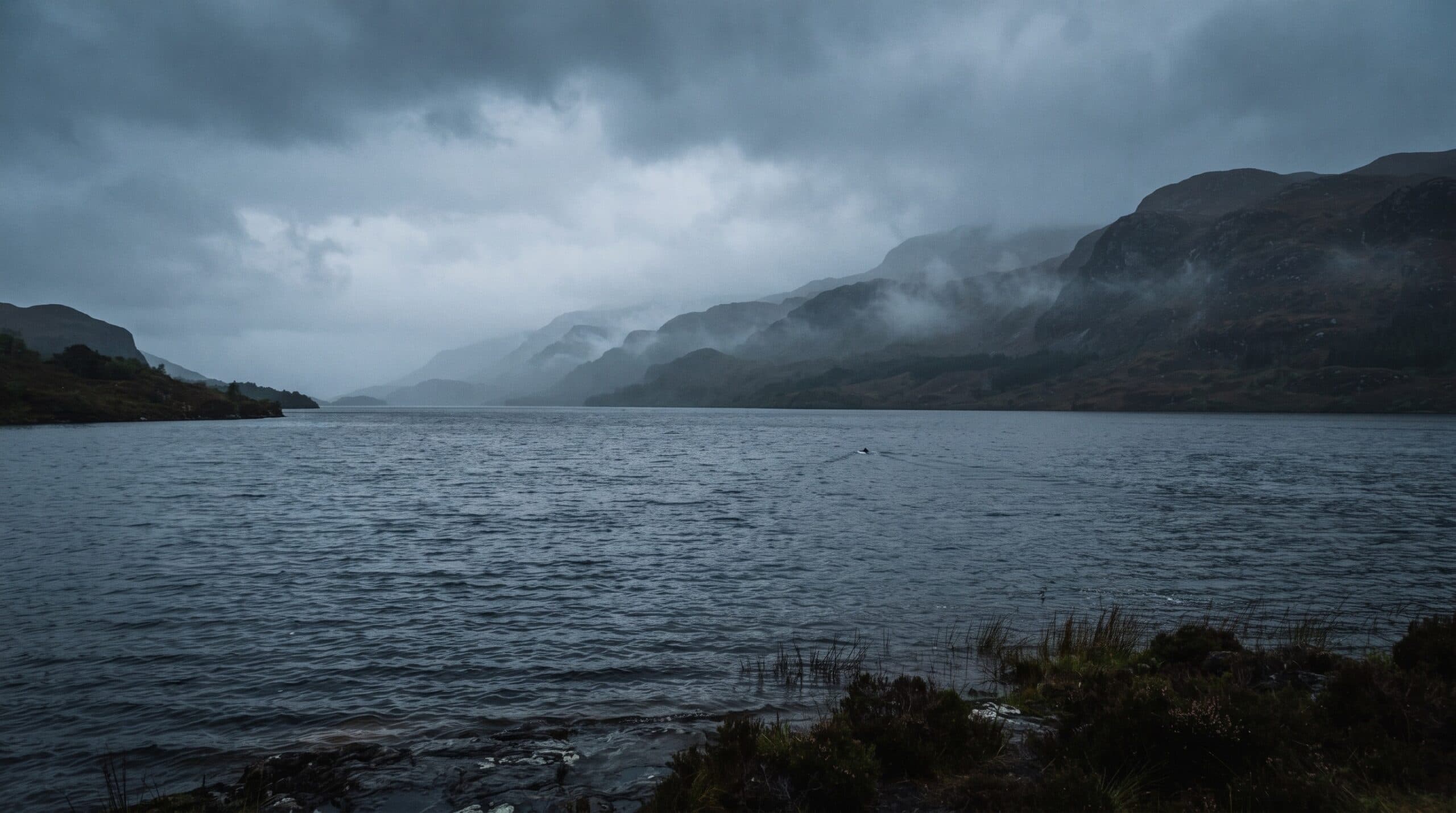
Two New Loch Ness Reports Bring 2026 Sightings to 13—But What Was Actually Seen?
Two new reported encounters bring the 2026 Loch Ness sighting count to 13. Here is what the reports establish—and what they do not.
Aug 26, 2026 • 6 min read
Articles
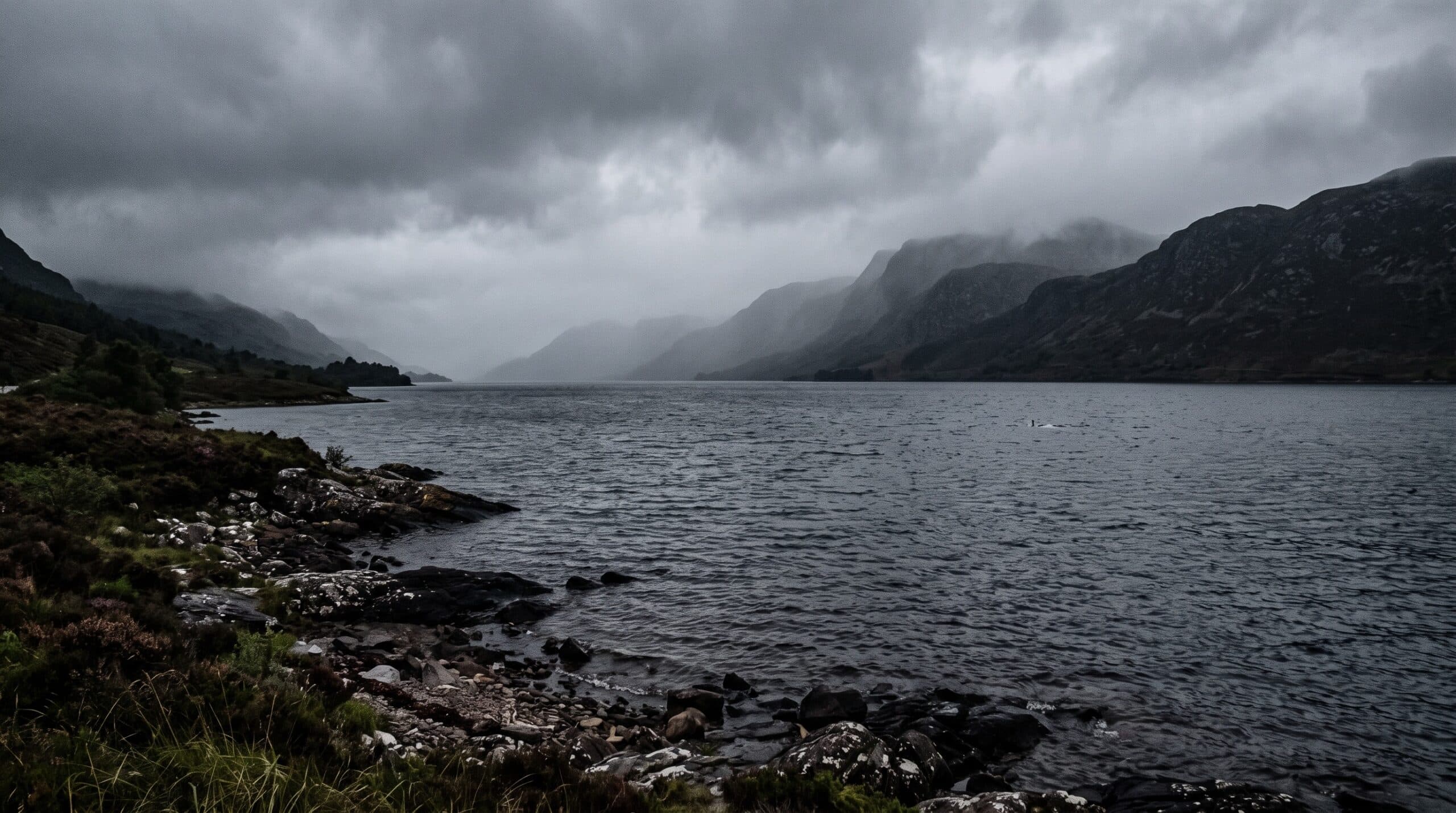
Two New Loch Ness Reports Bring 2026 Sightings to 13: But What Was Actually Seen?
Two new reported encounters bring the 2026 Loch Ness sighting count to 13. Here is what the reports establish and what they do not.
Aug 24, 2026 • 6 min read
Irreversible Changes and the 2-Degree Celsius Benchmark
We’re standing on a precipice, folks. The 2-degree Celsius mark isn’t just a number; it’s a line in the sand that Mother Nature drew with a shaky hand. Cross it, and we’re not just talking about longer summers or milder winters. We’re talking about a domino effect of catastrophic events that could reshape our world as we know it.
The lessons of climate science have been incredibly clear: once we hit that 2-degree increase, we’re looking at irreversible changes. Coastal cities could become modern Atlantises, and extreme weather could go from headline news to just another Tuesday. The data doesn’t lie, and it’s screaming for us to pay attention.
The Paradigm Shift we need is monumental. It’s not just about switching off lights or cycling to work. It’s about transforming how we live, how we consume, and how we think about our place on this planet. Here’s a snapshot of what we’re up against:
Heatwaves: Multiplication factor of 5x or more
Floods: Coastal areas at severe risk
Storms: Increased intensity and frequency
We can’t afford to be passive spectators in this unfolding drama. It’s time to take the stage and act.
The study led by UK and Netherlands scientists rings an alarm for 2035, a year that could mark a point of no return. If we don’t pivot now, we might just find ourselves in a future where the term ‘natural disaster’ loses all meaning because there’s nothing ‘natural’ about the chaos we’ve unleashed.
The Role of Deforestation and Fossil Fuels in Climate Dynamics
We’ve got ourselves into a real pickle with deforestation and fossil fuel usage. It’s like we’re on a runaway train heading for a cliff, and the brakes are busted. Scientists are clear: we must stop burning fossil fuels. The thickening blanket of greenhouse gases is our doing, and it’s heating up our planet at an alarming rate.
But here’s the kicker: even if we cut out the pollution, we’re still in for a rough ride. Gaseous sulfur dioxide, a major pollutant from fossil fuels, lingers just a few days. When we cut the pollution, the impact is almost immediate. Unlike carbon dioxide, which can last for centuries in our atmosphere, we can witness rapid changes if we act decisively.
Let’s talk numbers. Deforestation and fossil fuel emissions are the primary culprits behind the rapid increase in greenhouse gases. And it’s not just about the air we breathe; it’s about the entire climate system. Here’s a snapshot of the problem:
Greenhouse Gas Emissions: Skyrocketing due to human activities.
Deforestation: Stripping away our planet’s lungs, which raises CO2 levels.
Fossil Fuels: The addiction we need to kick, for our climate’s sake.
We’re at a crossroads. Every moment we delay, the closer we get to a climate point of no return. It’s time to act decisively.
We can’t ignore the signs. The discussions around climate disasters serve as a stark reminder of how fragile our planet is. We’re all in this together, and it’s time to rally and fight back against climate change.
Navigating the Climate Crisis: Strategies for Mitigation and Adaptation
Economic Impacts: Weighing Costs Against Climate Action
We’re at a crossroads, folks. The climate crisis isn’t just impacting polar bears and melting ice caps; it’s hitting our wallets hard. Economic impacts are real and escalating. But what’s the price tag on the end of the world? We can’t afford to disregard the costs of inaction.
Let’s break it down. We’ve got floods wiping out crops, hurricanes demolishing homes, and wildfires torching timber. These aren’t just headlines; they’re invoices being sent to our future. And as time ticks away, the costs become heavier. But some argue that the cost of mitigation is too steep. Can we honestly put a price on a livable planet?
Here’s the kicker: investing in climate action can actually save us money over time. Think about it—renewable energy prices are plummeting like autumn leaves. Energy efficiency consistently helps cut bills left and right. And don’t forget the green jobs explosion; we’re forging a new economy here, folks!
Renewable Energy: More affordable than ever and continuing to drop.
Energy Efficiency: Slash costs while reducing your carbon footprint.
Green Jobs: A boom in employment opportunities across sustainable sectors.
Advertisement
We’re not merely preserving the planet; we’re investing in our own prosperity. It’s a win-win if we play our cards right.
So, let’s roll up our sleeves and get to it. We can’t allow the financial titans and media manipulators to dictate our future. It’s time to take charge of our destiny and make informed, sustainable choices that will yield results for years to come.
Global Disasters and the Urgency of Decisive Measures
We’re at a crossroads, folks. The planet’s sending out SOS signals, and we’re the only ones who can respond. Climate change isn’t going to wait for us to get our act together. It’s upon us, real as ever, and wreaking havoc. Observing the wildfires and hurricanes, the evidence is simply undeniable. We’ve seen studies, like the one from Earth System Dynamics in 2018, calling for immediate action.
Our reaction? It has to be rapid and resolute. We must launch a full-scale mobilization. Cutting emissions, transitioning to renewables, and fortifying our cities is non-negotiable. We can’t forget the economic implications. The cost of inaction is dire; the counter measures? A bargain.
Cut emissions: Shift to clean energy sources.
Adapt infrastructure: Enhance urban resilience.
Economic turnaround: Invest in green innovations.
We’re all in this together, and the time to act is slipping away, like sand in an hourglass.
Let’s not look back down the line, regretting what could have been. The future isn’t etched in stone; we carry the chisels. Let’s carve out a survival path, avoiding regrets.
‘Apocalyptic Optimism’: A New Narrative for Climate Progress
We’ve walked the line of despair, conjuring images of a world set ablaze, cities submerged by rising tides, and skies enveloped by smog. But wait—it’s high time to reimagine that destiny. We’re embracing ‘Apocalyptic Optimism’—a stirring belief that, against the grim backdrop of predictions, we wield the power to effect change. This isn’t just about survival; it’s about flourishing amidst challenges.
Into the Parabnormal and Everything Out There—these aren’t mere broadcasts; they echo our relentless curiosity and refusal to accept defeat. We aren’t just passive spectators; we’re invested participants in our future.
We’re redefining the narrative: each step we take is a stride towards a brighter horizon.
Remember: optimism is not about sidestepping our challenges; it’s about channeling our shared strength to overcome them. We’ve got the tools and tenacity to tackle what comes next. Yes, there’s urgency in the air. The 2035 deadline is upon us—not as an alarm, but as a call to unity and initiative.
Embrace renewable energy
Innovate sustainable practices
Educate and empower communities
These aren’t simple tasks; they’re clarion calls against the relentless march of time. Heroes don’t compel us from afar. We are the champions of this narrative, wielding the will to reap a better future. Together, let’s script this vibrant tale of resilience, creativity, and steadfast optimism.
The Tipping Point: Understanding the Critical Thresholds of Climate Change
The 2035 Deadline: A Point of No Return?
As we sprint against a rapidly ticking clock, scientists forewarn that we might witness a point of no return around 2035. Imagine a world where the temperature dial is jammed, and we can’t revert it back to normal. This is the daunting fate we confront unless immediate action is taken.
Irreversible shifts are just around the corner. Rising temperatures, melting glaciers, and increasingly severe weather could soon be our new reality. This is more than just concerning polar bears and dwindling icebergs; it dives into our homes, our food systems, and our very existence.
The time to heed the warnings is upon us.
As we wrap our heads around these intimidating challenges, banding together is critical for exploring actionable strategies for mitigation and adaptation. Our platform at Unexplained.co boasts an array of resources—including enriching podcasts, enlightening documentaries, and expert consultations—that empower informed decision-making. Become part of our proactive community by signing up for a complimentary trial at Aftermath Media today, and let’s make a tangible difference together.
Frequently Asked Questions
What is the 2035 deadline in the context of climate change?
The 2035 deadline signifies a critical point pinpointed by scientists, beyond which it becomes incredibly unlikely to prevent the Earth’s temperature from rising by 2 degrees Celsius. Exceeding this threshold can unleash catastrophic climate-induced disasters globally.
How can deforestation and fossil fuels impact climate change?
Deforestation and fossil fuel combustion are significant contributors to climate change as they emit extensive greenhouse gases, particularly carbon dioxide, into the atmosphere, leading to a greenhouse effect that raises global temperatures. This results in severe repercussions, including extreme weather patterns and biodiversity decimation.
What is ‘Apocalyptic Optimism’ in climate change discussions?
‘Apocalyptic Optimism’ reflects a narrative acknowledging the dire risks of climate change while emphasizing a positive, proactive stance that argues a potential success in averting disasters through effective climate action and adaptability.
↑
The Role of Deforestation and Fossil Fuels in Climate Dynamics
Art Grindstone is the hard-nosed storyteller behind Unexplained.co, a veteran investigator whose life’s work sits at the crossroads of the paranormal, fringe science, and the shadows most people try not to look into. With decades spent chasing impossible stories — black-budget psychic programs, vanished Cold War experiments, desert rituals that sparked UFO waves, and the strange phenomena buried in America’s forgotten backroads — Art brings a rare combination of skepticism, awe, and journalistic precision. He’s not here to debunk. He’s not here to blindly believe. He follows the evidence wherever it leads — even when it leads someplace deeply uncomfortable. Known for his immersive, cinematic style and his ability to turn obscure research into gripping narrative, Art has built a devoted following across podcasts, long-form features, documentaries, and serialized investigations. His interviews are direct. His analysis is unflinching. His voice has become a staple in the modern paranormal renaissance — the guy people turn to when a story is too strange, too complex, or too dangerous for anyone else to touch. Off-mic, Art works with a distributed network of researchers, archivists, and field operatives who help surface the stories mainstream media ignores. On-mic, he transforms their findings into meticulous, high-impact reporting that refuses to insult the intelligence of true believers. His philosophy is simple: Take the phenomenon seriously. Treat the audience with respect. Tell the story as if the world depends on it — because sometimes it does. When Art Grindstone digs into a case, he isn’t just chasing a mystery. He’s tracing the fault lines of reality itself.