Sun's 'Plasma Loss' Scare: What 2025 Coronal Hole Did | Unexplained
Ancient Civilizations
Sun’s ‘Plasma Loss’ Scare: What 2025 Coronal Hole Did
Key Takeaways A massive coronal hole on the Sun rotated into position facing Earth in 2025, unleashing a high-speed solar wind stream; media reports pegged its size variably, but it clearly drove notable space weather…
Art Grindstone is the hard-nosed storyteller behind Unexplained.co, a veteran investigator whose life’s work sits at the crossroads of the paranormal, fringe science, and the shadows most people try not to look into. With decades spent chasing impossible stories — black-budget psychic programs, vanished Cold War experiments, desert rituals that sparked UFO waves, and the strange phenomena buried in America’s forgotten backroads — Art brings a rare combination of skepticism, awe, and journalistic precision. He’s not here to debunk. He’s not here to blindly believe. He follows the evidence wherever it leads — even when it leads someplace deeply uncomfortable. Known for his immersive, cinematic style and his ability to turn obscure research into gripping narrative, Art has built a devoted following across podcasts, long-form features, documentaries, and serialized investigations. His interviews are direct. His analysis is unflinching. His voice has become a staple in the modern paranormal renaissance — the guy people turn to when a story is too strange, too complex, or too dangerous for anyone else to touch. Off-mic, Art works with a distributed network of researchers, archivists, and field operatives who help surface the stories mainstream media ignores. On-mic, he transforms their findings into meticulous, high-impact reporting that refuses to insult the intelligence of true believers. His philosophy is simple: Take the phenomenon seriously. Treat the audience with respect. Tell the story as if the world depends on it — because sometimes it does. When Art Grindstone digs into a case, he isn’t just chasing a mystery. He’s tracing the fault lines of reality itself.
5 min · 1,158 words
In This Report(7)
Key Takeaways
A massive coronal hole on the Sun rotated into position facing Earth in 2025, unleashing a high-speed solar wind stream; media reports pegged its size variably, but it clearly drove notable space weather effects.
Measurements from NOAA/SWPC and spacecraft like DSCOVR and ACE confirmed an early-arriving fast wind stream, sparking a minor G1 geomagnetic storm with Kp levels hitting around 5 in spots.
Questions linger on the hole’s exact size due to inconsistent measurements, potential hidden magnetic features that could amp up storms, and overstated claims like the Sun ‘losing plasma’—which is just a dramatic way to describe normal solar wind behavior, not some cataclysmic event.
A Night the Sky Turned Electric
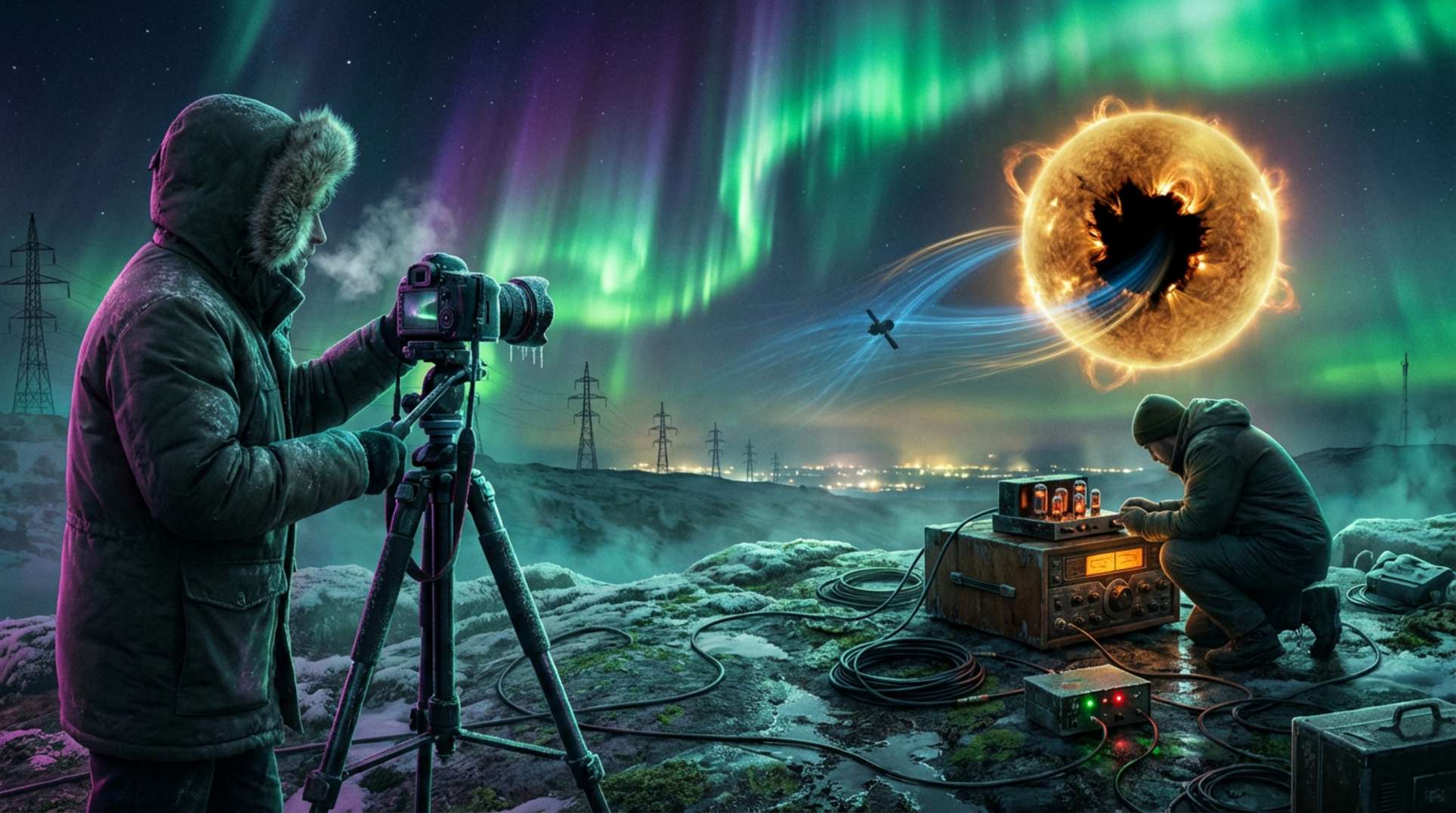
Picture this: it’s the dead of night, and aurora hunters are out with cameras ready, scanning the horizon. Amateur radio operators tweak their rigs, listening for that telltale hiss in the signal. Skywatchers, bundled against the chill, spot the first faint glows as the high-speed solar wind hits Earth’s magnetosphere. This wasn’t some surprise attack—the arrival window had been flagged in forecasts—but the flickers came sooner than some models predicted, lighting up the skies during a minor G1 storm. Citizen reports poured in, photos capturing green and purple veils dancing overhead, just as they’ve done in past high-speed stream events tracked by feeds like Aurorasaurus.
Meanwhile, ham radio enthusiasts noted the ionosphere stirring, with propagation shifts making distant signals boom or fade. GNSS hobbyists saw TEC fluctuations, those subtle ripples in the upper atmosphere that can throw off positioning. It all aligned with the operational warnings: a large coronal hole was sending fast winds our way, and Earth was feeling the jolt.
What Witnesses and Analysts Report
Eyewitness accounts from aurora chasers paint a vivid picture—visible lights shimmering in the north, captured in photos shared across community forums. Hobbyist magnetometers picked up the spikes, logging K-index jumps that matched the G1 activity levels. These ground-level observations hold up, grounding the event in real data anyone can check.
Advertisement
Then there are the interpreters. Independent analyst Stefan Burns dropped a video titled ‘We Have A Problem…’, describing the coronal hole as a ‘giant magnetic hole’ and warning that the Sun is ‘losing plasma’ with potential knock-on effects for Earth’s geophysics. It’s a bold take, and it’s sparked debate. Some in the community echo official SWPC and NASA alerts, sticking to shared observations like aurora sightings and magnetometer traces. Others weigh in on Burns’ qualifications and how far his interpretations stretch.
What exactly happened with this coronal hole event?
How reliable are the size estimates of the coronal hole?
What do officials say compared to independent analysts?
Could this lead to stronger effects?
How can I track similar events myself?
Advertisement
Frequently Asked Questions
What exactly happened with this coronal hole event?
A large coronal hole on the Sun faced Earth in 2025, releasing a high-speed solar wind stream that arrived early and caused a minor G1 geomagnetic storm. This led to visible auroras and ionospheric effects, as confirmed by spacecraft data and citizen reports.
How reliable are the size estimates of the coronal hole?
Estimates varied across media, from 800,000 km to over 1,000,000 km, due to different measurement methods like EUV angular width or area calculations. For accuracy, check sources like SDO/AIA images or NSO magnetograms to verify.
What do officials say compared to independent analysts?
Agencies like NOAA/SWPC describe it as a routine event causing minor geomagnetic activity, based on models and measurements. Independent commentators like Stefan Burns suggest broader implications, such as the Sun losing plasma, though these extend beyond the confirmed data.
Could this lead to stronger effects?
Hidden polarity islands or CIR interactions might amplify storms beyond forecasts, as seen in past events. While this one stayed at G1, monitoring real-time solar wind data is key to spotting any escalations.
How can I track similar events myself?
Follow SWPC alerts, DSCOVR/ACE plots for solar wind parameters, WSA-Enlil models, and citizen feeds like Aurorasaurus. This lets you verify data and observations in real time.
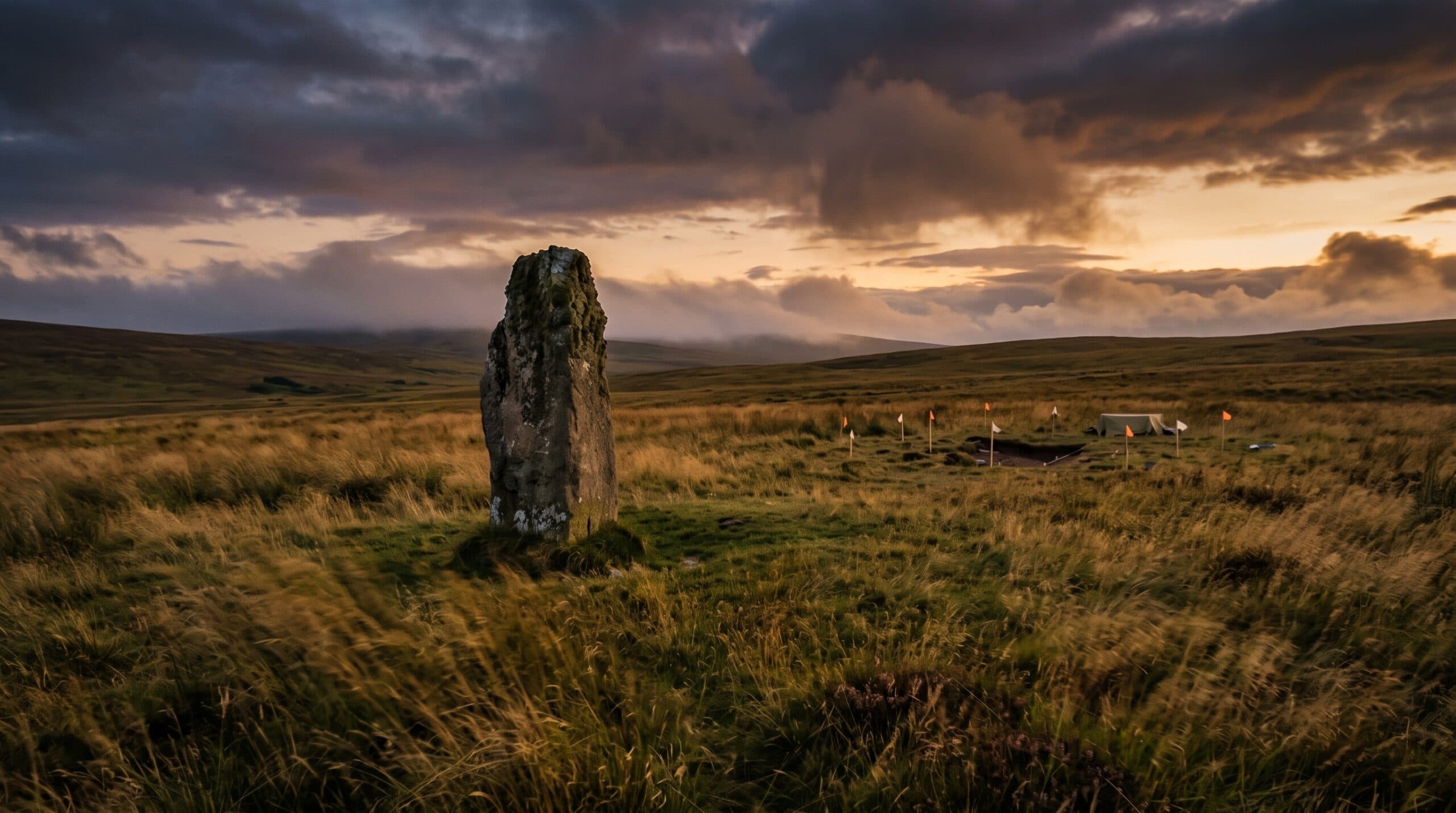
The Lonely Rock That Led Archaeologists to a 3,700-Year-Old Ritual Site
A single stone spotted by a student led archaeologists to a 3,700-year-old ritual site—and raised new questions about how ancient landscapes were read.
Aug 17, 2026 • 4 min read
Cryptozoology
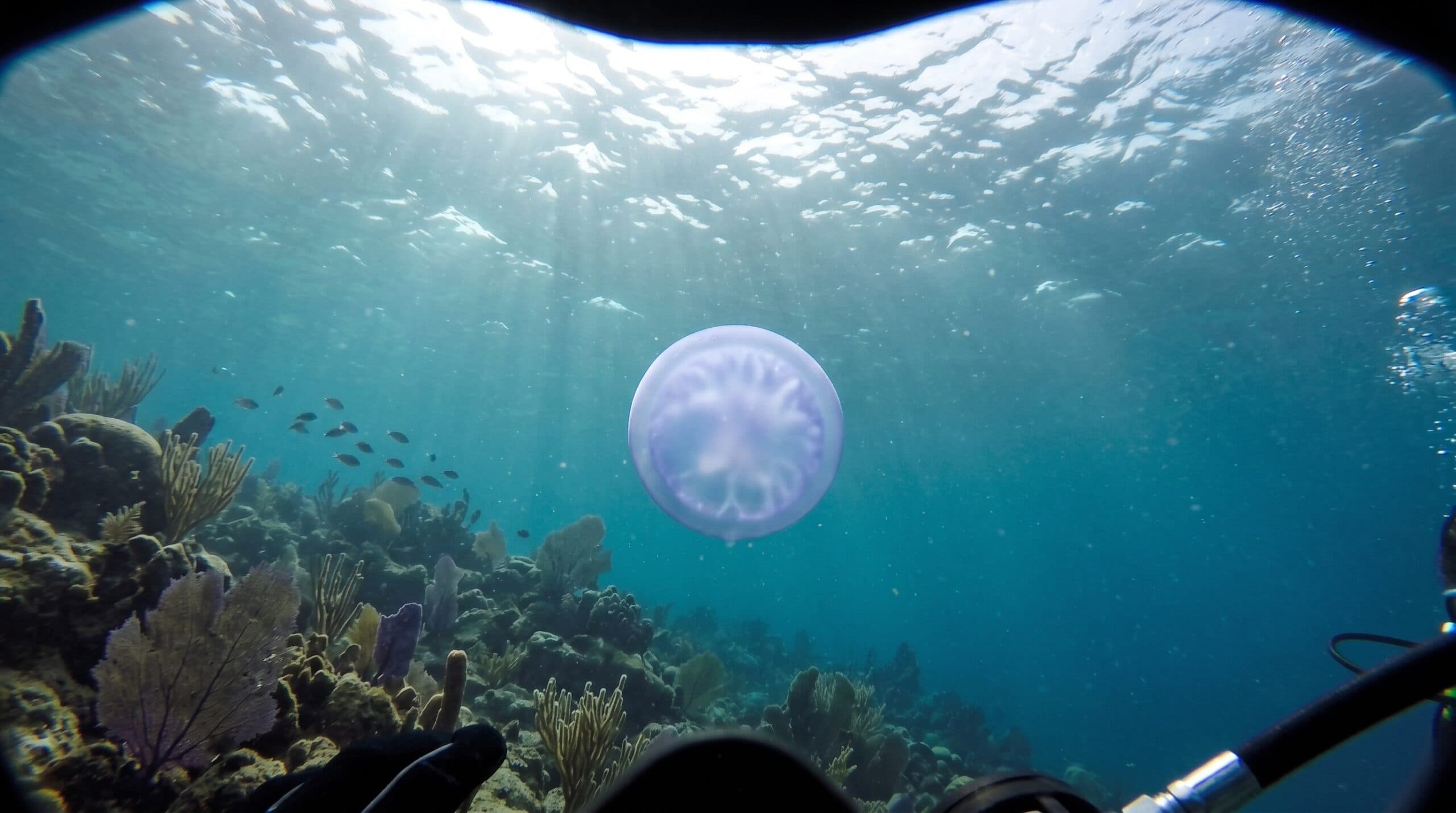
The Deep Sea Sphere: 1990s SCUBA Divers Filmed Something in the Bahamas That Still Defies Classification
A clip from the 1990s shows SCUBA divers encountering a strange, perfectly spherical creature in the Bahamas. Decades later, the footage is resurfacing — and cryptid researchers, marine biologists, and UAP watchers all have different theories about what it is.
May 14, 2026 • 6 min read
Conspiracy Theories
The Sandia Quantum Scientist Who Vanished: Ingrid Lane’s Double Life and the Mystery No One Solves
Ingrid Lane lived a double life — bipolar musician to the world, Sandia National Laboratories quantum computing scientist underneath. Then she disappeared. The story is a fixation in high-strangeness communities.
May 14, 2026 • 7 min read
Fringe discussions tie these geomagnetic shifts to odd terrestrial reports—unusual animal behavior, strange sounds, even seismic murmurs. These claims circulate in social feeds, but they lack the consistent, peer-reviewed backing to stand firm. Still, they’re part of the conversation, and we respect the observers putting them forward.
Timelines, Tracks, and Hard Data
The timeline kicked off with NOAA/SWPC’s 3-day Kp forecasts, tying G1 storm chances to the coronal hole’s high-speed stream. Alerts rolled out via spaceweather.gov and services.swpc.noaa.gov/text/3-day-forecast.txt, setting expectations for the arrival.
Spacecraft like DSCOVR and ACE delivered the live feed: solar wind speeds (V) climbing, total magnetic field (Bt) and the crucial southward Bz component driving the geomagnetic response. Models like WSA-Enlil, fed by GONG magnetograms, estimated windows and speeds—typically around 500 km/s, pushing to 800 km/s in extremes.
Media buzzed with size estimates: Space.com called it about 500,000 miles (800,000 km), while India Today went over 1,000,000 km. Verification matters—check EUV angular width or area via SDO/AIA images or NSO magnetograms.
The event unfolded as predicted but early: EarthSky and SWPC noted the premature high-speed stream arrival, leading to that G1 storm.
To verify yourself, follow this checklist: Grab SWPC alerts, plot DSCOVR/ACE data for V, Bt, Bz; review WSA-Enlil runs; scan magnetometer networks; and cross-check citizen aurora reports on Aurorasaurus or NASA Earth Observatory.
Date/UTC
Source
Observed V (km/s)
Bt (nT)
Bz (nT)
Kp Intervals
Reported Aurora Sightings/Locations
2025 Event Window
SWPC/DSCOVR/ACE/SDO
~500-800
Elevated
Sustained Southward
~5 (G1)
Northern Latitudes, Citizen Photos
Official Advisories and Other Readings of the Same Data
NOAA/SWPC and NASA keep it straightforward: coronal holes are standard features, open magnetic fields letting fast solar wind escape, often causing recurrent G1-G2 activity. Their forecasts, built on models and real-time measurements, issued warnings for this exact scenario.
But models aren’t perfect—small polarity islands or co-rotating interaction regions (CIRs) can surprise us, like past events where a hidden feature turned a forecast into a G3 storm.
Advertisement
Independent voices, including Stefan Burns, see more: magnetic holes signaling plasma loss, with ties to wider Earth changes. These go beyond the data, yet everyone agrees on the basics—a big hole, fast winds, geomagnetic activity, and auroras.
Where paths split: officials stick to G1 minor impacts from telemetry, while some commentators push for bigger systemic effects without the in-situ data to back extreme conditions.
What It All Might Mean
Boiling it down, the evidence points to a large coronal hole firing off a high-speed stream that stirred a minor G1 storm. Citizen photos, magnetometer data, and aurora logs all confirm the sky shows and magnetic unrest.
Still, gaps remain: How big was this hole really, depending on how you measure? Could undetected magnetic quirks or interactions brew stronger storms? And those claims of massive solar mass loss or seismic links—do they hold up against hard flux and IMF readings?
It matters because even mild storms can tweak radio comms, GNSS signals, and power grids. Stay sharp: Watch SWPC bulletins, DSCOVR/ACE for wind speed and Bz, NSO/SDO for hole updates, and ground feeds for confirmations. We’ve seen patterns like this before, and community eyes on the data keep us ahead. Questions persist, and that’s why we track them—together.
Frequently Asked Questions
A large coronal hole on the Sun faced Earth in 2025, releasing a high-speed solar wind stream that arrived early and caused a minor G1 geomagnetic storm. This led to visible auroras and ionospheric effects, as confirmed by spacecraft data and citizen reports.
Estimates varied across media, from 800,000 km to over 1,000,000 km, due to different measurement methods like EUV angular width or area calculations. For accuracy, check sources like SDO/AIA images or NSO magnetograms to verify.
Agencies like NOAA/SWPC describe it as a routine event causing minor geomagnetic activity, based on models and measurements. Independent commentators like Stefan Burns suggest broader implications, such as the Sun losing plasma, though these extend beyond the confirmed data.
Hidden polarity islands or CIR interactions might amplify storms beyond forecasts, as seen in past events. While this one stayed at G1, monitoring real-time solar wind data is key to spotting any escalations.
Follow SWPC alerts, DSCOVR/ACE plots for solar wind parameters, WSA-Enlil models, and citizen feeds like Aurorasaurus. This lets you verify data and observations in real time.
Art Grindstone is the hard-nosed storyteller behind Unexplained.co, a veteran investigator whose life’s work sits at the crossroads of the paranormal, fringe science, and the shadows most people try not to look into. With decades spent chasing impossible stories — black-budget psychic programs, vanished Cold War experiments, desert rituals that sparked UFO waves, and the strange phenomena buried in America’s forgotten backroads — Art brings a rare combination of skepticism, awe, and journalistic precision. He’s not here to debunk. He’s not here to blindly believe. He follows the evidence wherever it leads — even when it leads someplace deeply uncomfortable. Known for his immersive, cinematic style and his ability to turn obscure research into gripping narrative, Art has built a devoted following across podcasts, long-form features, documentaries, and serialized investigations. His interviews are direct. His analysis is unflinching. His voice has become a staple in the modern paranormal renaissance — the guy people turn to when a story is too strange, too complex, or too dangerous for anyone else to touch. Off-mic, Art works with a distributed network of researchers, archivists, and field operatives who help surface the stories mainstream media ignores. On-mic, he transforms their findings into meticulous, high-impact reporting that refuses to insult the intelligence of true believers. His philosophy is simple: Take the phenomenon seriously. Treat the audience with respect. Tell the story as if the world depends on it — because sometimes it does. When Art Grindstone digs into a case, he isn’t just chasing a mystery. He’s tracing the fault lines of reality itself.