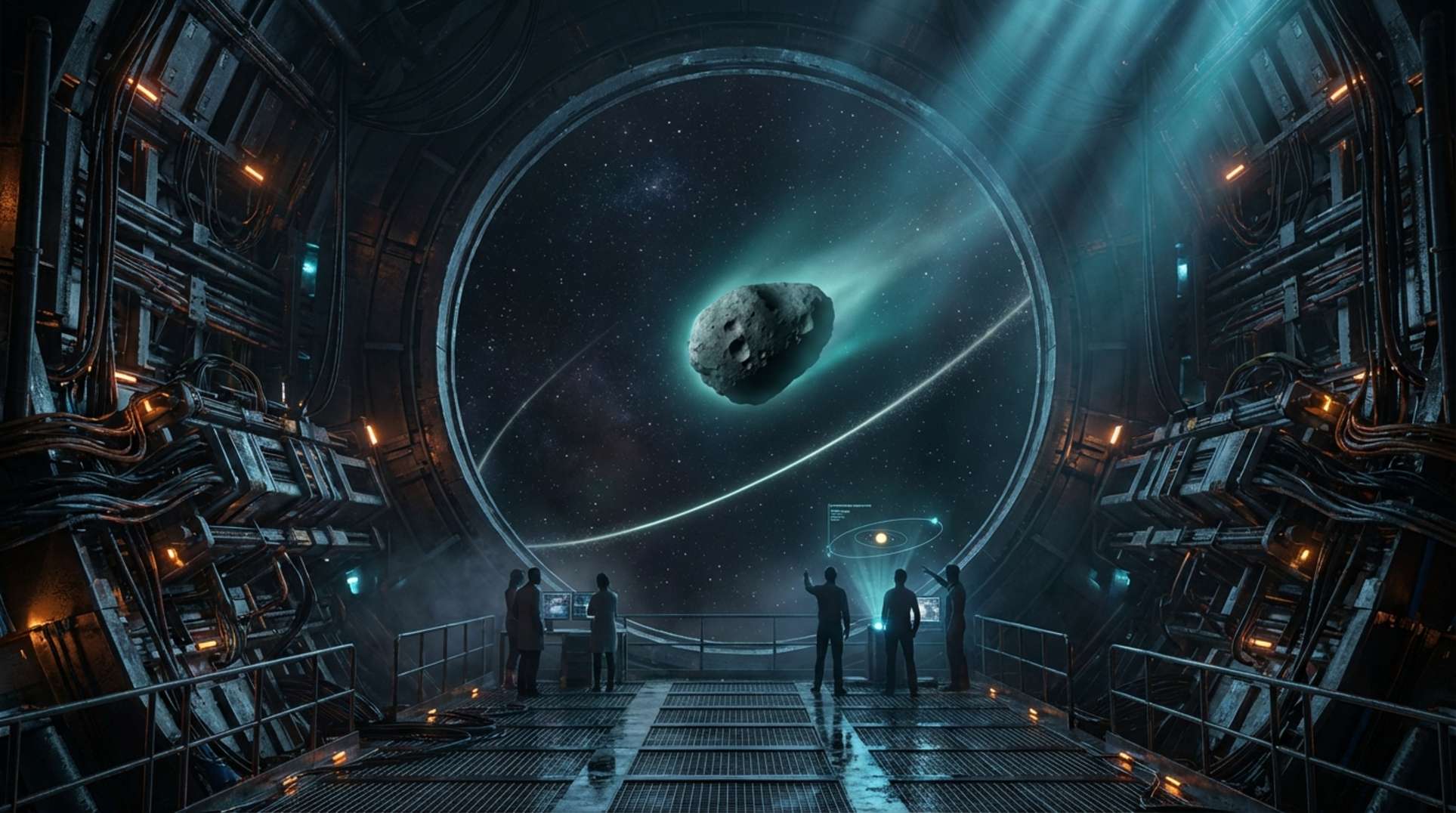

- NASA‘s own logs expose 3I/ATLAS as the third interstellar object slicing through our solar system, detected on July 1, 2025 – not the alien invader the web whispers about.
- The trajectory data admits it’s harmless, swinging no closer than 1.8 AU – that’s 170 million miles from Earth, far beyond any real threat.
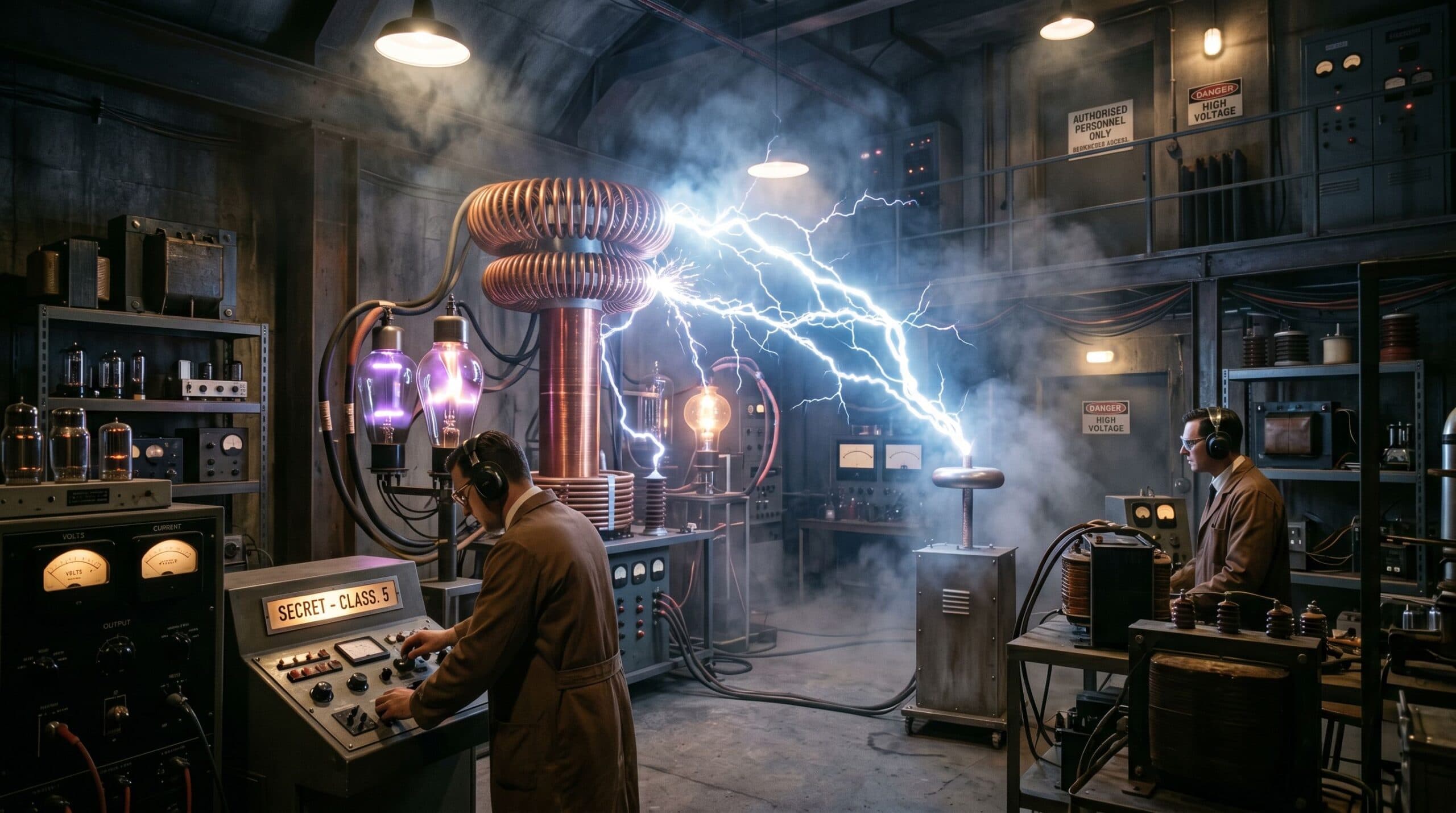
- No link exists between this comet and CERN’s ATLAS detector, a 7,000-tonne beast smashing particles, not chatting with space rocks; SETI confirms zero artificial signals, debunking the conspiracy web around it. And here’s the kicker: zero evidence of scientists panicking over 3I/ATLAS.
The Hook: When a Comet’s Name Lights Up the Conspiracy Imagination
Scroll through your feed. Doom-scrolling hits peak with thumbnails screaming apocalypse. TikToks gasp about ‘scientists freaking out’ over a shadowy object dubbed 3I/ATLAS. Headlines tie it to CERN’s massive machine, hinting at portals, signals, cover-ups. The vibe? Pure panic. A comet from beyond, sharing a name with a particle collider. Coincidence? Or a thread in a larger web?
They flood your screen. Videos claim it’s no natural rock. Connections to ‘portals to hell’ at CERN bubble up from years of hoaxes. Fear builds. But wait. What if the real plot is simpler – and more revealing – than the viral hysteria? We’ve dug in. The facts cut through the noise.
Discovered July 1, 2025, 3I/ATLAS marks only the third interstellar visitor, following 1I/ʻOumuamua and 2I/Borisov. Its name echoes CERN’s ATLAS experiment on the Large Hadron Collider. Pure chance? Conspiracies say no. They’ve primed us with tales of demonic rituals and cosmic threats. Now, claims swirl: artificial probe, controlled trajectory, hidden messages. Time to pull back the curtain.
Advertisement
Why do some people think 3I/ATLAS has scientists secretly panicking?
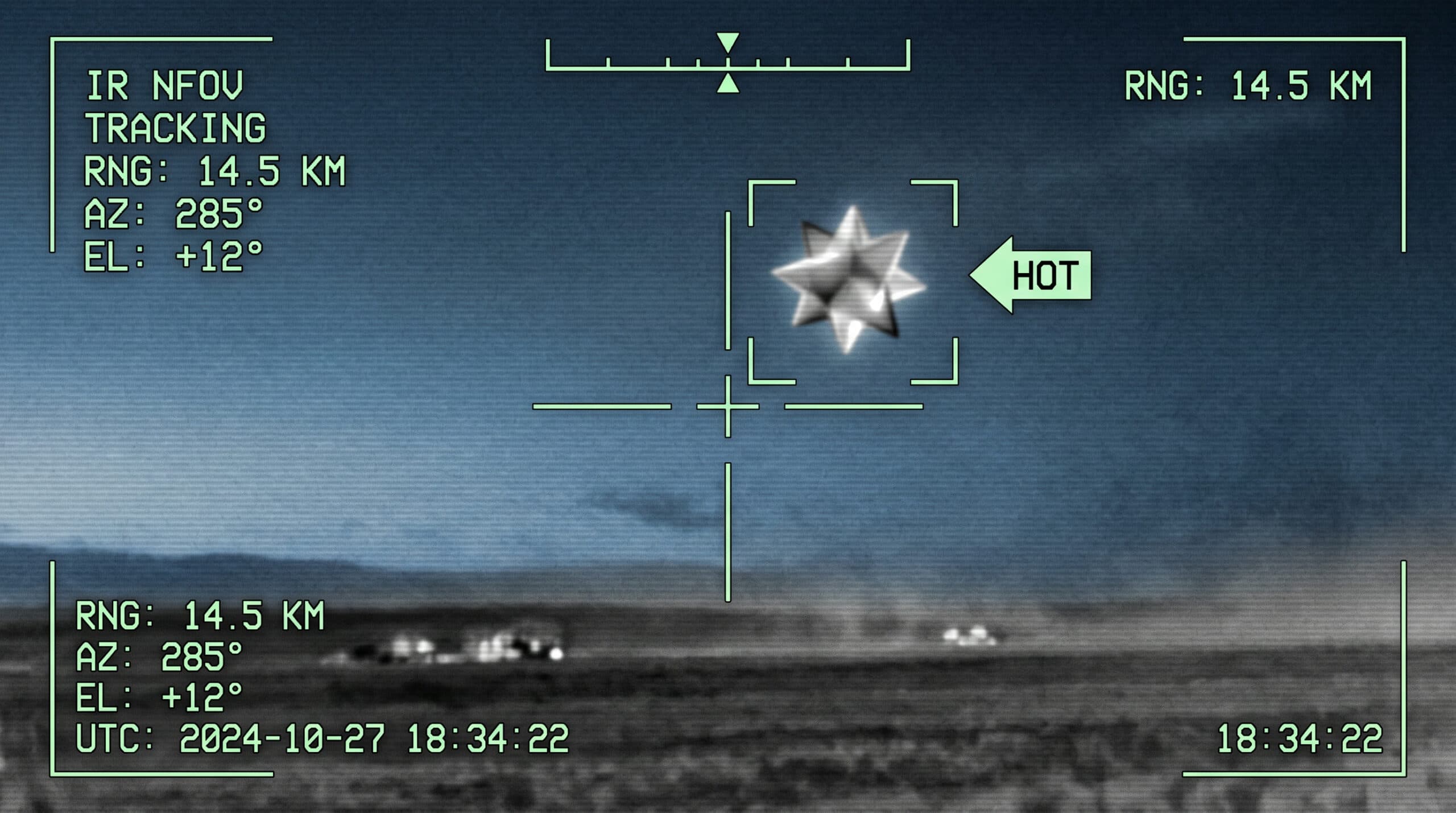
You’ve seen the posts. Videos rack up millions, insisting 3I/ATLAS isn’t a comet – it’s a spacecraft. No water ice? Interstellar origin? That screams artificial, they say. Impossible paths, bizarre makeup. Then the name: ATLAS. Same as CERN’s detector. Must be a sign. A secret link. Scientists? They’re allegedly losing it, but shushing the truth.
It’s not mockery. These fears feel real. They build on CERN’s dark lore – collisions twisted into ‘portals,’ hoaxes like that 2016 fake ritual video fueling paranoia. Social media amplifies it. Normal excitement over a rare object gets spun as dread. Claims of secret comms, agency blackouts, coded alerts. No hard proof, but the narrative sticks. Why? Because it connects dots that official stories ignore. We’ve traced the threads. They lead to misinformation, not apocalypse.