The Unexplained Company Logo
Arctic Little People: Folklore, Hoax, or Hidden Species?

Arctic Little People: Folklore, Hoax, or Hidden Species?

Art Grindstone

December 28, 2025
Cataclysm Survival Briefing — Access Briefing Now

Key Takeaways

  • Witnesses across Alaska, Yukon, NWT, and Nunavut report encounters with small, elusive beings, known locally as Inukin/Enukin, Iñukun, Ircenrraat, or inuarutligak.
  • The strongest public record relies on testimonials and folklore: early 20th-century collections by Knud Rasmussen and others, plus eyewitness reports like Kenneth Ashby’s from Noatak in 1938, alongside ongoing local accounts.
  • No publicly available police, coroner, or federal scientific database recognizes a non-human biological species called ‘little people’; peer-reviewed forensic evidence or verified physical samples remain absent.
  • Main unresolved questions: What explains the consistent patterns in these stories? Could physical traces ever be documented? How do cultural frameworks shape these experiences?

A Cold Night, a Whisper, and Missing Fish

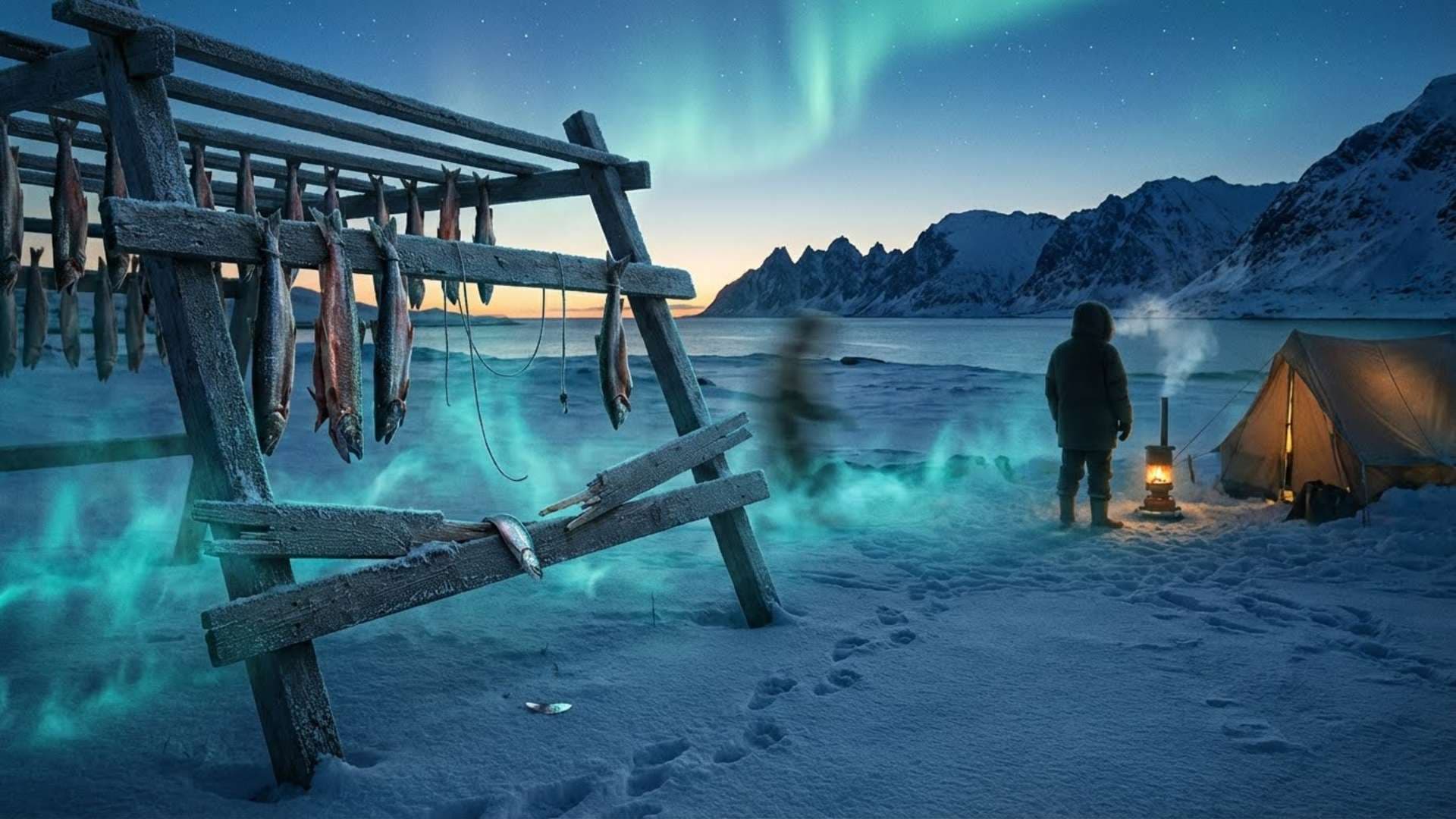
Picture this: A remote camp in western Alaska, near a village like Noatak. The sun hangs low in summer twilight, or winter darkness presses in. You’re tending a fish rack, drying salmon for the months ahead. A faint whistle cuts the air—not wind, not an animal you know. Then, a fish vanishes. No tracks, no sign. Just that whisper, echoing in the vast quiet.

These scenes play out across the Arctic and sub-Arctic— in Yukon communities, NWT outposts, Nunavut hunting trails. Long nights amplify every sound, every shadow. Stories build slowly, shared around stoves or over coffee.

Today, platforms like TikTok and YouTube spread them wider. Documentaries, such as the 2025 ‘Blood & Myth’ coverage, pull old tales into the spotlight, drawing fresh eyes to these northern mysteries.

What Witnesses and Storytellers Report

Hunters, elders, and guides from remote villages describe these beings with striking consistency. They stand small—sometimes very tiny, other times child-sized—but move with unnatural speed and strength. Nocturnal habits keep them hidden, emerging at twilight or in deep dark. Whistles or coded calls signal their presence, often near camps or along trails.

They slip in unseen, taking from fish racks or supplies, then vanish before pursuit. Local names vary: Inukin or Enukin in some areas, Iñukun or Ircenrraat in others, inuarutligak elsewhere. Each carries cultural weight—mischievous tricksters, vengeful guardians, or occasional helpers.

Oral traditions frame them as lessons in respect for the land, safety, or morality. Knud Rasmussen gathered such folktales in the early 1900s, published in English by 1921. Modern echoes appear in accounts like Kenneth Ashby’s 1938 Noatak encounter, where small figures appeared while he fetched water.

These aren’t isolated yarns. Community members with deep local knowledge report them as lived experiences, passed down and adapted over generations.

Timelines, Tracks, and Hard Data

The record starts with ethnographic work. Knud Rasmussen’s collections from the early 1900s capture circumpolar tales of small supernatural beings, available in sources like Project Gutenberg.

Eyewitness reports add layers, such as Kenneth Ashby’s 1938 sightings in Noatak, noted in regional compilations. Modern media, including 2025 documentaries like ‘Blood & Myth,’ keep the stories circulating.

Institutional searches turn up empty. RCMP pages for Nunavut, Yukon, and NWT emphasize community safety and crime, with no mention of ‘little people’ as a biological entity. Federal conservation records likewise ignore them.

Physical evidence? None verified. No peer-reviewed forensics, no uncontested photos, no samples proving a non-human species.

MetricValueSource
Earliest Ethnographic CollectionEarly 1900s (English edition 1921)Knud Rasmussen’s Eskimo Folk-Tales (Gutenberg/Archive)
Notable Eyewitness DateSummer 1938Kenneth Ashby’s Noatak account (regional reporting)
Modern Media Revisits2025‘Blood & Myth’ documentary coverage
Geographic ScopeAlaska, Yukon, NWT, NunavutWitness reports and folklore collections
Institutional RecognitionNone as biological speciesRCMP territorial pages, federal conservation records

Official Accounts and Other Ways to Read the Reports

Official stances stay grounded. RCMP and territorial governments prioritize search and rescue, safety, and investigations—nothing endorses ‘little people’ as real biology. Check their Nunavut or Yukon pages; the focus is practical, not paranormal.

Anthropologists view these as cultural elements. Rasmussen and peers saw them as parts of Indigenous systems—teaching ethics, cosmology, or behavior—without claiming literal existence.

Alternatives deserve fair consideration. Wildlife or wandering children could be misidentified in low light. Stories shape memories, turning ambiguous events into familiar patterns. Sleep issues, dissociation, or hoaxes might play roles too. Social attention can amplify tales.

Yet clusters of details—stealth near fish racks, specific whistles—hint at shared cultural templates. These could preserve genuine anomalies or simply reinforce expectations in retellings.

What It All Might Mean

The folkloric backbone stands firm: centuries of documented tales, backed by modern testimonies from knowledgeable locals like hunters and elders.

But without physical traces or official nods, the biological angle stays weak. No forensics, no samples, no database entries.

Open questions linger. Could traces ever be captured and tested? How uniform are descriptions across vast regions? If not biology, what cultural or psychological forces drive these reports?

Approach this with care: center communities, consult elders and locals, get consent, respect context. Avoid hype. These stories touch safety, Indigenous wisdom, and broader unknowns. Handling them right builds trust—for everyone involved.

Frequently Asked Questions

Witnesses report small-statured beings with surprising speed and strength, often nocturnal, using whistles or calls, and known for stealth around camps and fish racks. Local names like Inukin or Ircenrraat vary, framing them as mischievous or helpful in cultural stories.

The record is strong on folklore and testimonials, including Rasmussen’s early 1900s collections and accounts like Ashby’s 1938 report. However, no peer-reviewed forensic evidence, verified photos, or physical samples exist, and institutions do not recognize them as a biological species.

RCMP and territorial governments focus on safety, search and rescue, and criminal matters, without endorsing ‘little people’ as real entities. Their records do not classify these as biological species.

They draw from centuries-old folklore and ongoing local testimonies, amplified by modern media like documentaries and social platforms. Cultural frameworks shape them as lessons, while alternatives like misidentifications or hoaxes offer other views, yet consistent patterns keep questions open.

Prioritize community-led methods, involving elders and local authorities, obtaining consent, and presenting stories in cultural context. Avoid sensationalism to respect the communities and maintain credibility.