

Key Takeaways
- The Aisuru botnet unleashed a 15.72 Tbps DDoS attack on Microsoft’s Azure, revealing how centralized cloud systems can become single points of failure in our digital world.
- This incident underscores the hidden risks of botnets, quietly amassing power from compromised devices, much like unseen forces building in the shadows before striking.
- Building personal resilience—through backups, multi-provider strategies, and vigilant security—can shield against cascading outages that disrupt everything from banking to communications.
The Strike from the Shadows
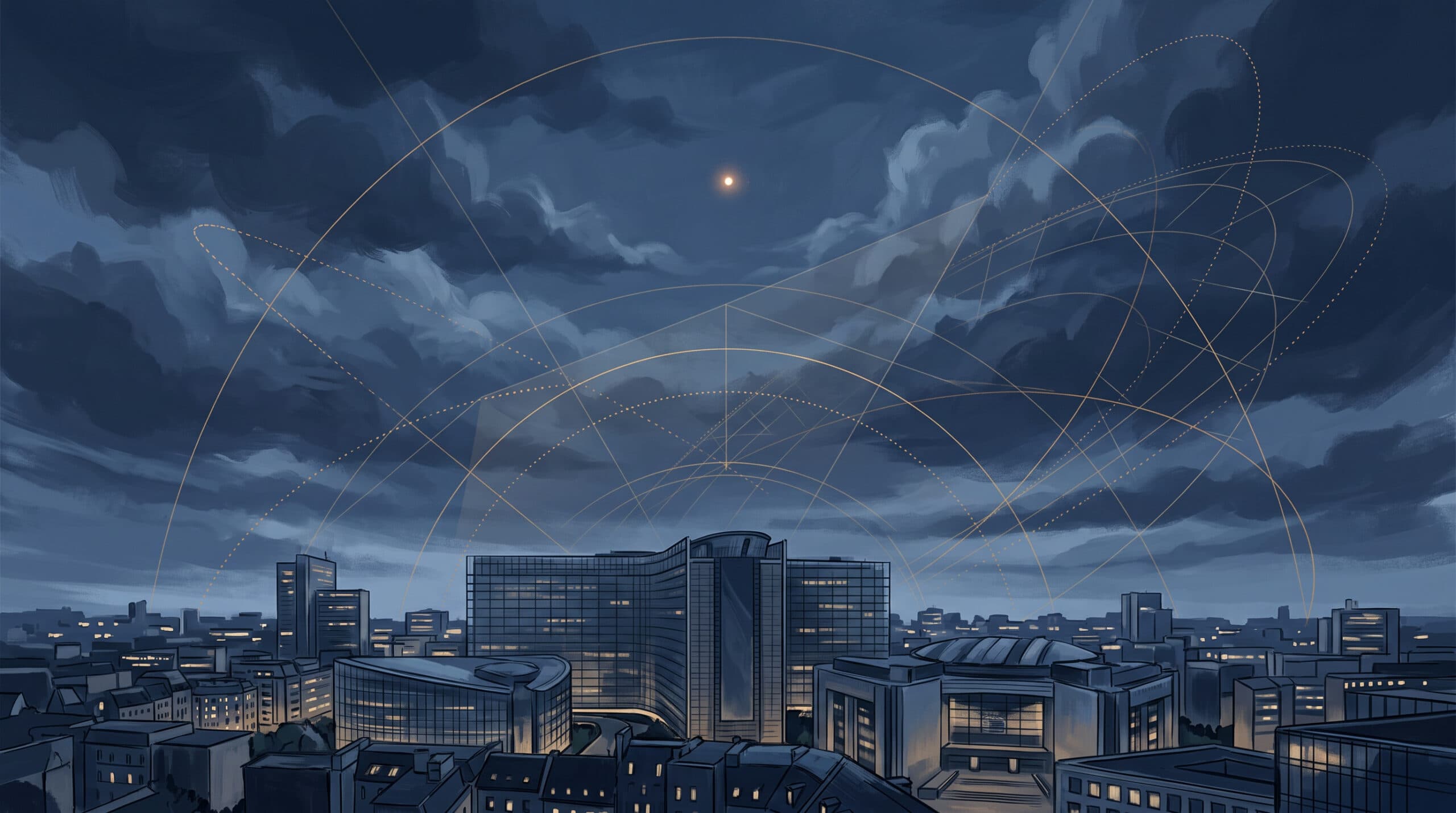
It’s late at night, and you’re scrolling through the feeds, piecing together patterns that the mainstream glosses over. That’s when a report like this lands: Microsoft confirming a staggering 15.72 terabits per second DDoS attack on their Azure cloud platform, courtesy of the Aisuru botnet. This isn’t just a blip in the system; it’s a wake-up call about how deeply we’ve woven our lives into these vast, centralized networks. One massive surge, and the threads start unraveling.
The details come from BeforeCrypt’s News Week summary for November 17th to 23rd, 2025—a quiet corner of the web where these stories surface without the polish of corporate spin. Azure, powering everything from enterprise data centers to everyday apps, took the hit head-on. The scale? Unprecedented in its raw power, flooding servers with junk traffic to overwhelm and deny service. It’s the kind of event that makes you question: who’s really in control when a botnet can muster that kind of force?
Decoding the Aisuru Botnet
Aisuru—named perhaps after some elusive concept, like a ghost in the machine—operates by hijacking everyday devices. Think routers, smart cams, even IoT gadgets left unpatched and vulnerable. These aren’t flashy hacks; they’re slow infiltrations, building an army in plain sight. Once assembled, they coordinate to unleash torrents of data, targeting weak spots in cloud infrastructure.
Advertisement
What sets this apart is the sophistication. It’s not random chaos; it’s a test of resilience, exposing how a single platform’s downtime could cascade into broader disruptions. Government sites, financial systems, even critical services rely on Azure or similar clouds. If one falls, others feel the ripple. We’ve seen echoes of this in past events, but 15.72 Tbps pushes it into new territory, hinting at capabilities that could be redeployed anywhere.
Cloud Dependency: The Hidden Web
Step back, and you see the bigger picture. Our world runs on these cloud giants—Microsoft, Amazon, Google—concentrating power in fewer hands. It’s efficient, sure, but it’s also a vulnerability. Black-budget programs thrive on opacity, and here we have a digital parallel: invisible concentrations of infrastructure that, when targeted, could paralyze sectors like healthcare or transportation. The Aisuru attack isn’t isolated; it’s a symptom of how botnets can be weaponized quietly, perhaps by state actors or rogue groups probing for weaknesses.
What exactly is the Aisuru botnet, and how did it target Azure? Why does this DDoS attack matter for everyday users? How can I protect myself from becoming part of a botnet? Is there a connection to larger unexplained threats?