The Unexplained Company Logo
Sign In
China Travel Warnings, Nuclear Strike Drills, and Russian Warships: Signals of Rising Global Tension in 2025

China Travel Warnings, Nuclear Strike Drills, and Russian Warships: Signals of Rising Global Tension in 2025

Art Grindstone

November 17, 2025
Cataclysm Survival Briefing — Access Briefing Now

The world is entering a new cycle of geopolitical risk. A surge of “do not travel” warnings, civil defense drills, and naval posturing reveals how nations shape public perception and policy. Recent developments—amplified by digital rumor—highlight a troubling trend: major powers now regularly telegraph their moves for deterrence and domestic theater, escalating uncertainty both at home and abroad.

China’s Do Not Travel Warning: A Reflection of Fraying International Trust

China’s travel advisory for 2025, issued amidst escalating trade disputes with the U.S., urged citizens to “fully assess risks” before traveling. According to The Hill, China warned of the “deterioration of China-US economic and trade relations and the domestic security situation in the United States.” While such advisories aren’t new, their timing—coupled with exit bans and political detentions highlighted in State Department warnings—marks a significant escalation in tension. For travelers, the message is clear: expect delays, legal risks, and reduced recourse abroad. This trend aligns with a wave of global caution, reminiscent of the diplomatic chill described in recent investigations of U.S.-China brinkmanship.

The nuances of travel restrictions—as both a tangible and symbolic tool—echo historical themes, analyzed in recent coverage of international information campaigns.

U.S. and Allied Nuclear Strike Drills: Defense Exercises Heighten Civil Preparedness

In August, U.S. and South Korean forces conducted large-scale military and civil defense drills, simulating responses to a potential North Korean nuclear strike. NBC News reports that over 19,000 South Korean troops joined Americans, testing public readiness through concurrent evacuation scenarios. The U.S. military did not disclose the exact number of American personnel involved, but regional deployments of long-range bombers and carrier groups have sharply increased. North Korea denounces these exercises as “provocative war drills,” further intensifying tensions on the peninsula.

Civil defense, once a Cold War relic, has returned, complete with mobile alerts, public shelters, and new protocols. These emergency drills reflect a renewed strategic competition, reminiscent of historic crises noted in archival crisis notes on global mobilization and recent national emergency broadcasts.

Russian Warship Off Hawaii: Close Encounters and Pacific Tensions

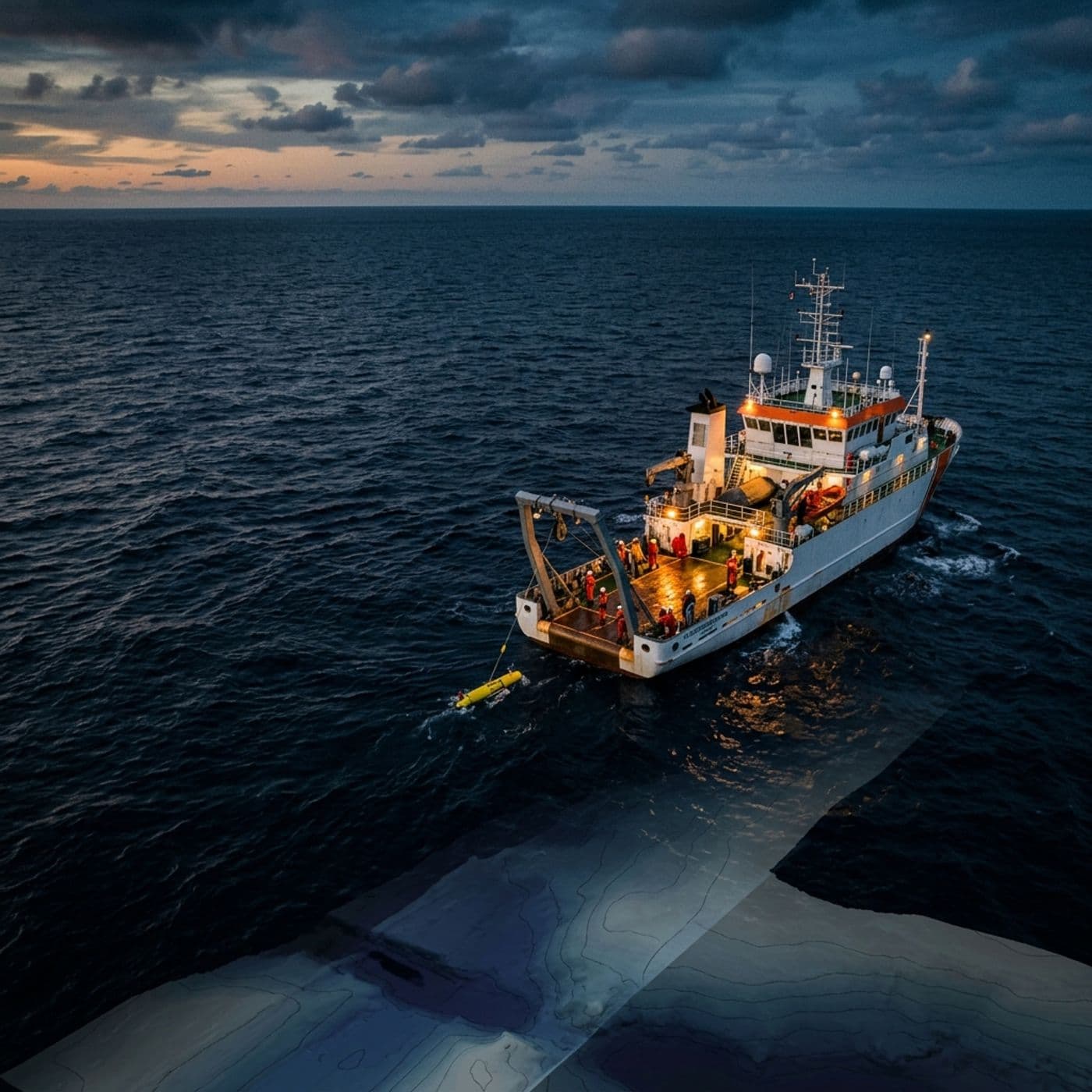
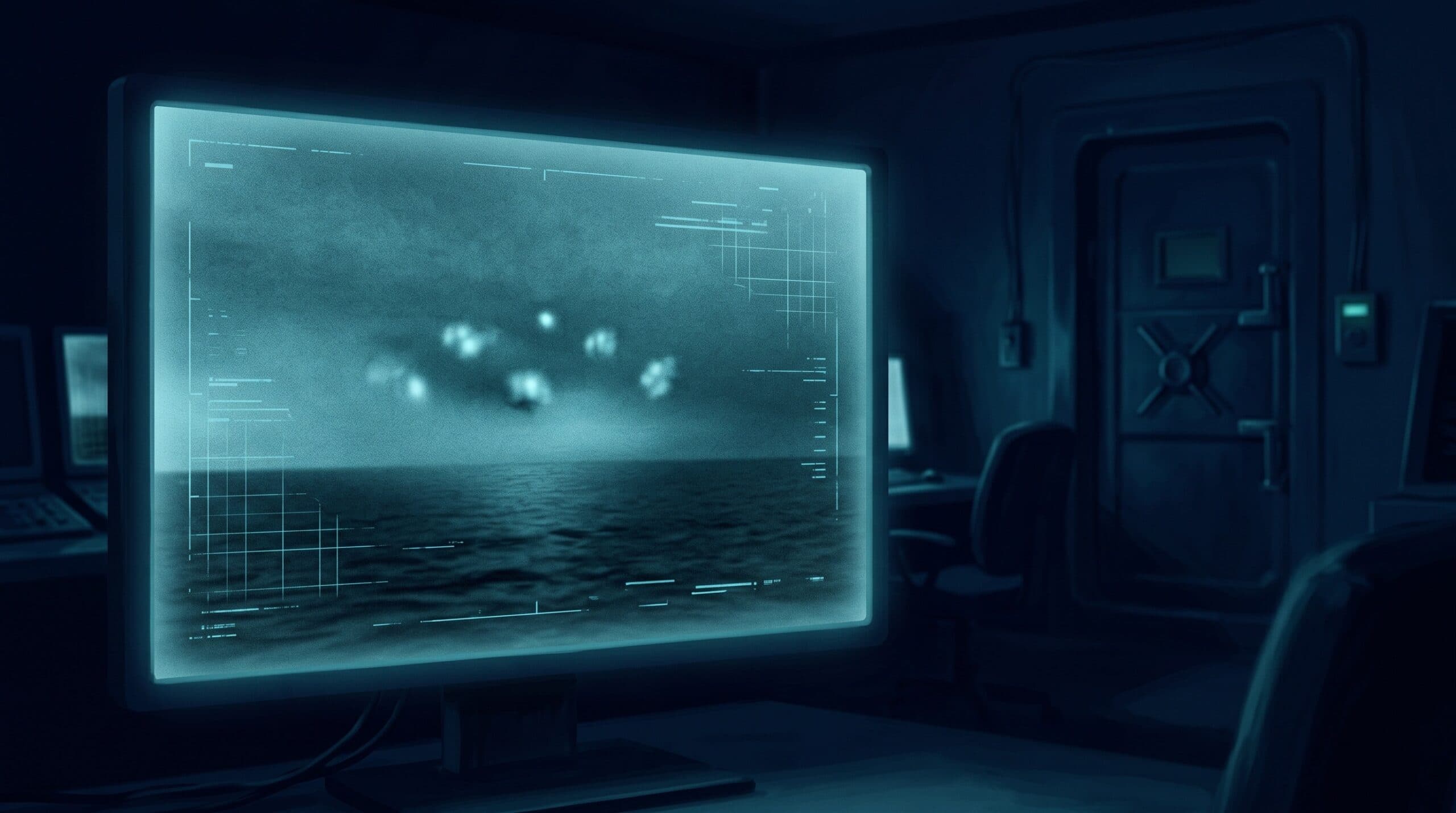
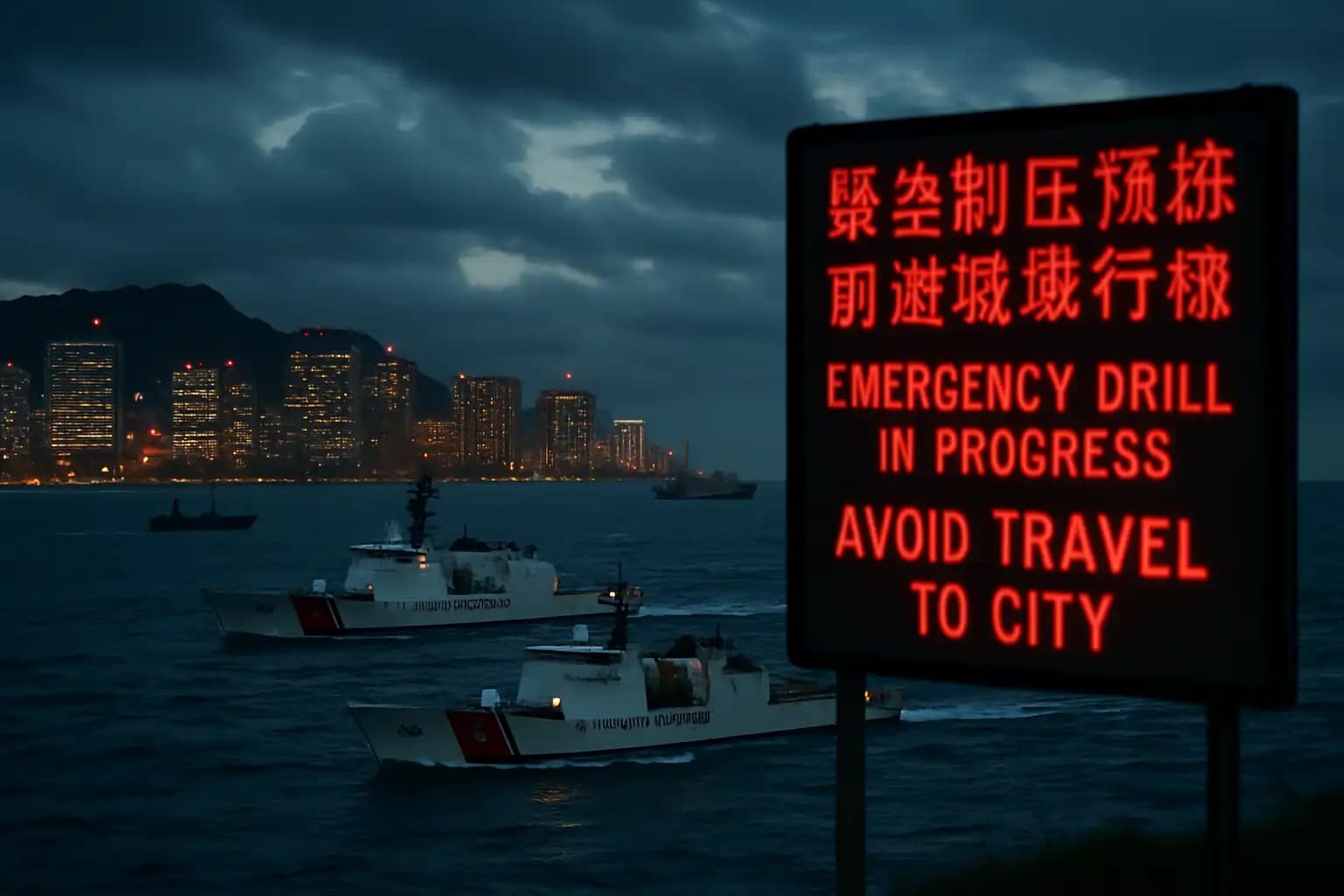
A Russian Vishnya-class intelligence ship, Kareliya, was detected just 15 nautical miles south of Oahu, Hawaii in late October 2025. The U.S. Coast Guard, as reported by Fox News, tracked and overflew the vessel, calling the situation routine yet “of interest.” While international law allows foreign ships to pass outside the 12-nautical-mile zone, such close encounters highlight the ongoing game of surveillance and signaling in the Pacific. The Kareliya, familiar with the region, has previously hovered near Hawaii. Its proximity to U.S. territory in 2025 coincides with ramped-up “freedom of navigation” patrols and intelligence gathering by both sides.

Military analysts draw parallels between these standoffs and Cold War maritime brinkmanship, as examined in comparative analysis of nuclear-era signaling and reports on rapid-response capabilities in emerging arms races.

Psyops, Preparedness, and Why These Flashpoints Matter

For everyday citizens, cues from governments and media evoke classic psychological warfare techniques: “practice, demonstrate, and signal” to sway both adversaries and public sentiment. Public warnings, dramatic drills, and tactical ship deployments fulfill dual roles—preparing for worst-case scenarios while asserting national resolve and narrative control. In a world of algorithmic news and viral misinformation, such tactics can either bolster or undermine public trust, making pattern recognition vital to distinguish hype from genuine risks.

The boundary between defense and theatrics appears intentionally blurred. As detailed in projects at Unexplained.co and recent deep-dive myth deconstructions, the constant influx of flashpoints instills both vigilance and fatigue. Real-world preparedness is crucial, but equally important is educating the public to guard against manufactured panic—an idea reinforced by history and critical media analysis.