Current Affairs and the Conspiracy Angle: What Mainstream…
Politics
Current Affairs and the Conspiracy Angle: What Mainstream Media Won’t Tell You
In today’s world, the media landscape is rapidly changing. Many people are turning to alternative media outlets for news and information. They feel that mainstream media doesn’t tell the whole story, especially when it…
Art Grindstone is the hard-nosed storyteller behind Unexplained.co, a veteran investigator whose life’s work sits at the crossroads of the paranormal, fringe science, and the shadows most people try not to look into. With decades spent chasing impossible stories — black-budget psychic programs, vanished Cold War experiments, desert rituals that sparked UFO waves, and the strange phenomena buried in America’s forgotten backroads — Art brings a rare combination of skepticism, awe, and journalistic precision. He’s not here to debunk. He’s not here to blindly believe. He follows the evidence wherever it leads — even when it leads someplace deeply uncomfortable. Known for his immersive, cinematic style and his ability to turn obscure research into gripping narrative, Art has built a devoted following across podcasts, long-form features, documentaries, and serialized investigations. His interviews are direct. His analysis is unflinching. His voice has become a staple in the modern paranormal renaissance — the guy people turn to when a story is too strange, too complex, or too dangerous for anyone else to touch. Off-mic, Art works with a distributed network of researchers, archivists, and field operatives who help surface the stories mainstream media ignores. On-mic, he transforms their findings into meticulous, high-impact reporting that refuses to insult the intelligence of true believers. His philosophy is simple: Take the phenomenon seriously. Treat the audience with respect. Tell the story as if the world depends on it — because sometimes it does. When Art Grindstone digs into a case, he isn’t just chasing a mystery. He’s tracing the fault lines of reality itself.
10 min · 2,197 words
In This Report(37)
In today’s world, the media landscape is rapidly changing. Many people are turning to alternative media outlets for news and information. They feel that mainstream media doesn’t tell the whole story, especially when it comes to controversial topics. This shift is giving rise to conspiracy theories and a growing distrust in traditional news sources.
Key Takeaways
Alternative media outlets like Ground Zero Radio are gaining popularity for their coverage of conspiracy theories and mysterious events.
Public trust in government is eroding due to historical cover-ups and the role of whistleblowers in revealing secrets.
Big Tech companies influence what information people see and share, raising concerns about censorship and data privacy.
Health crises, such as COVID-19, have fueled the spread of misinformation and conspiracy theories, affecting public health responses.
Economic uncertainties and events like the 2008 financial crisis have led to financial conspiracy theories and skepticism about institutions like the Federal Reserve.
The Rise of Alternative Media Outlets
Ground Zero Radio: A Case Study
Let’s dive into Ground Zero Radio. This platform, led by Clyde Lewis, has become a hub for those seeking out-of-the-box perspectives. Ground Zero with Clyde Lewis covers everything from UFOs to government cover-ups. It’s a place where mainstream narratives are questioned, and alternative theories are explored. Shows like The Secret Teachings with Ryan Gable also find a home here, offering deep dives into esoteric topics and hidden histories.
Advertisement
The Appeal of Conspiracy Theories
Why are conspiracy theories so appealing? For many, it’s about finding answers that the mainstream media ignores. People feel empowered when they uncover what they believe to be hidden truths. Shows like Everything Out There tap into this desire, providing content that challenges the status quo. It’s not just about entertainment; it’s about feeling informed and in control.
Mainstream Media vs. Alternative Media
Mainstream media often sticks to a specific narrative, leaving little room for alternative viewpoints. This is where alternative media steps in. Platforms like Ground Zero Radio offer a space for diverse opinions and theories. They fill the gaps left by traditional news outlets, providing a broader spectrum of information. This shift is crucial as more people seek out news that aligns with their personal beliefs and experiences.
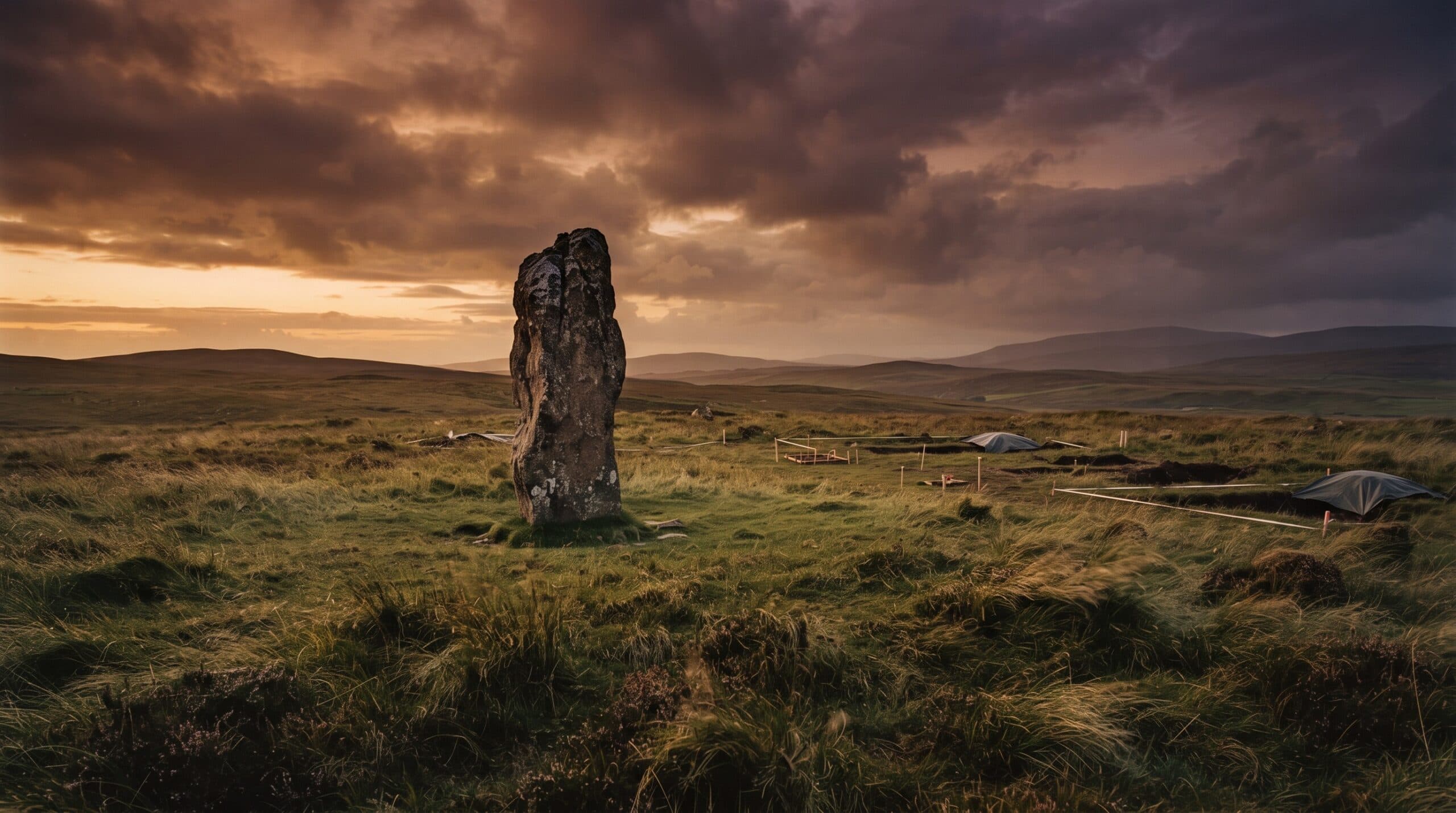
The Lonely Rock That Led Archaeologists to a 3,700-Year-Old Ritual Site
A single stone spotted by a student led archaeologists to a 3,700-year-old ritual site—and raised new questions about how ancient landscapes were read.
Aug 17, 2026 • 4 min read
UFO & Aliens
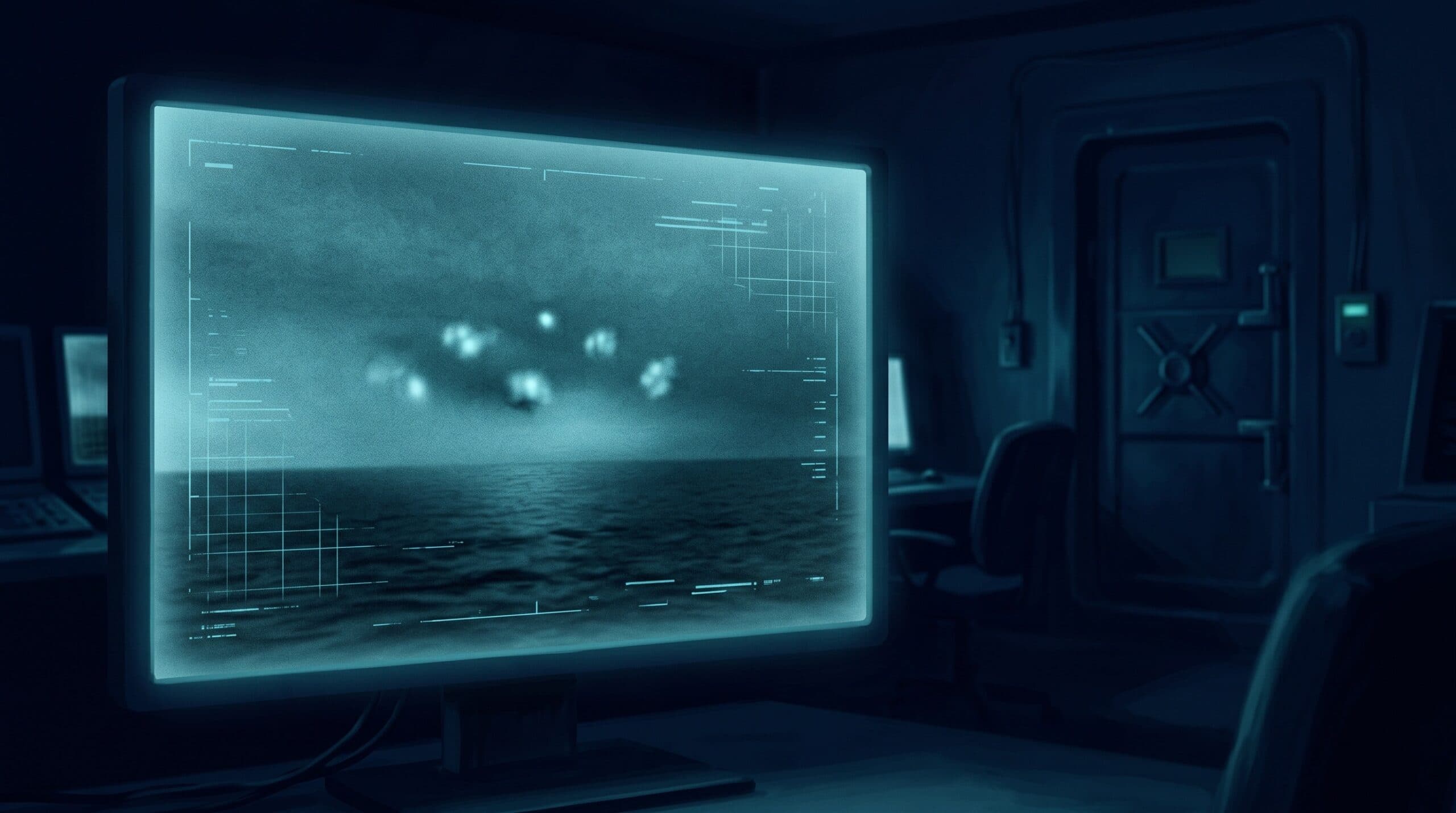
The Pentagon Released More UAP Files—but Not the Data Needed to Solve Them
The Pentagon’s fifth UAP release reveals cold orbs and a giant triangle—but missing sensor data keeps its strangest cases unresolved and untested.
Aug 17, 2026 • 10 min read
Cryptozoology
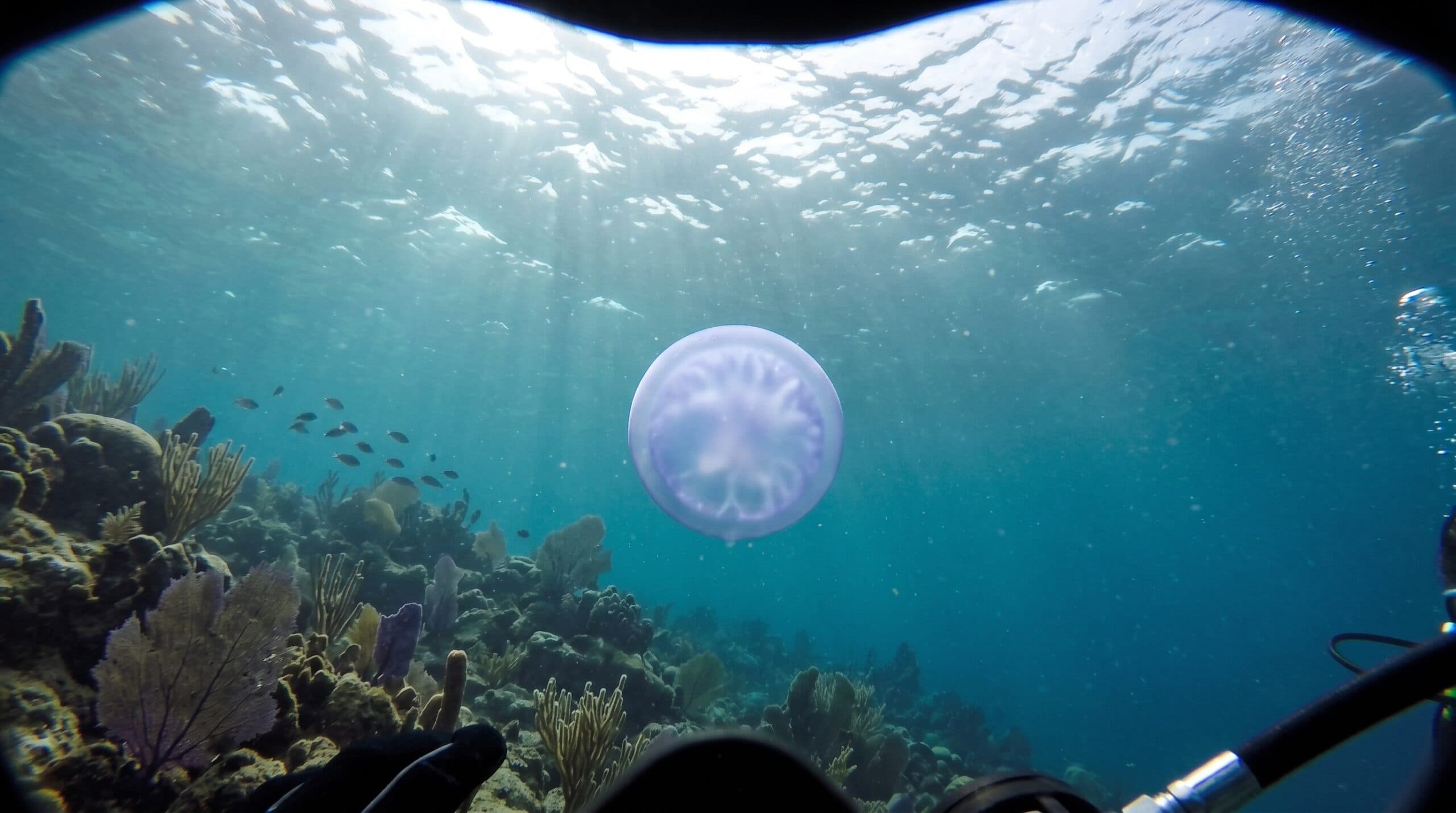
The Deep Sea Sphere: 1990s SCUBA Divers Filmed Something in the Bahamas That Still Defies Classification
A clip from the 1990s shows SCUBA divers encountering a strange, perfectly spherical creature in the Bahamas. Decades later, the footage is resurfacing — and cryptid researchers, marine biologists, and UAP watchers all have different theories about what it is.
May 14, 2026 • 6 min read
Alternative media outlets are not just fringe anymore; they’re becoming a significant part of our media landscape. They offer a different lens through which we can view the world, challenging us to think critically about the information we consume.
Government Secrecy and Public Distrust
Historical Examples of Government Cover-Ups
We’ve all heard about the big ones: Watergate, the Pentagon Papers, and more recently, the Snowden revelations. These events have shown us that the government can and does keep secrets. When these secrets come to light, they shake our trust in the institutions meant to protect us. It’s not just about the events themselves but the cover-ups that follow. The more we dig, the more we find that the truth is often hidden behind layers of deception.
The Role of Whistleblowers
Whistleblowers like Edward Snowden and Chelsea Manning have become household names. They risk everything to bring hidden truths to the public eye. Their actions have sparked debates about national security and the public’s right to know. Without whistleblowers, many of the government’s darkest secrets would remain buried. They are the unsung heroes in the fight for transparency.
Impact on Public Trust
When the government is caught in a lie, it erodes public trust. People start to question everything, from the news they read to the officials they elect. This distrust isn’t just a feeling; it has real-world consequences. It can lead to a lack of cooperation in public health crises or skepticism about important policies. In today’s world, where information is power, trust is more crucial than ever.
In our quest to uncover the truth, we often find ourselves questioning the very foundations of our society. The more we learn, the more we realize how much is kept from us. This isn’t just about curiosity; it’s about our right to know.
For those interested in diving deeper into these topics, shows like The Secret Teachings offer a wealth of information. They explore the hidden layers of our world, from government cover-ups to corporate responsibility. It’s a journey into the unknown, but one that’s worth taking.
The Influence of Big Tech on Information Control
Algorithmic Censorship
Big Tech companies use algorithms to decide what content we see. These algorithms can hide or promote information based on various factors. This control over information flow can shape public opinion. We need to ask ourselves: Are we seeing the full picture, or just what they want us to see?
Data Privacy Concerns
Our data is collected and used in ways we might not even know. From our search history to our social media likes, everything is tracked. This data can be sold to advertisers or even used to manipulate our behavior. It’s crucial to be aware of how our data is being used and to demand better privacy protections.
The Power of Social Media Giants
Social media platforms have immense power. They can influence elections, spread misinformation, and even incite violence. The question is, should these companies have so much control? We need to think about how to balance free speech with the need to prevent harm.
It’s clear that Big Tech has a significant impact on the information we consume. We must stay informed and critical of the sources we rely on. Support more articles like this to keep the conversation going.
Health Crises and the Spread of Misinformation
COVID-19: A Case Study
We’ve all seen it. The sudden outbreak of COVID-19 brought not just a virus but a wave of misinformation. Social media platforms became breeding grounds for false claims and misleading advice. From drinking bleach to eating garlic, the internet was flooded with dangerous and incorrect treatment advice. This wasn’t just harmless chatter; it had real-world consequences. People were misled, and public health efforts were undermined.
Vaccine Hesitancy and Conspiracy Theories
Vaccines have always been a hot topic, but COVID-19 took it to another level. Conspiracy theories about microchips and government control spread like wildfire. This misinformation fueled vaccine hesitancy, making it harder to achieve herd immunity. The result? Prolonged pandemic conditions and more lives at risk.
The Role of Public Health Agencies
Public health agencies found themselves in a tough spot. They had to combat not just the virus but also the misinformation pandemic. Their messages were often drowned out by louder, more sensational falsehoods. Despite their best efforts, the spread of bad information made their job significantly harder.
Misinformation is information that is false, inaccurate, or misleading according to the best available evidence at the time. During health crises, its effects can be devastating.
In summary, the spread of misinformation during health crises like COVID-19 has shown us the critical need for accurate information and public trust. We must be vigilant and discerning in the information we consume and share.
Cryptocurrency promises freedom from traditional banks. It’s decentralized and often seen as a way to escape government control. However, some say it’s a tool for illegal activities. Others believe it’s a bubble waiting to burst. The truth? It’s a mix of both. While it offers financial freedom, it’s also risky and volatile.
The Federal Reserve and Money Control
The Federal Reserve is often at the center of financial conspiracies. Some claim it controls the world’s money supply for a select few. They argue that it’s a secretive organization with too much power. In reality, the Fed’s actions are closely monitored and aimed at stabilizing the economy. But the mystery surrounding it fuels many theories.
Economic conspiracies thrive in times of uncertainty. They offer simple answers to complex problems, making them appealing but often misleading.
The Intersection of Politics and Conspiracy Theories
The idea of a ‘Deep State’ working behind the scenes to control government actions is another popular conspiracy theory. This narrative suggests that elected officials are mere puppets, with real power held by unseen forces. It’s a compelling story that feeds into public distrust of government institutions. The Paradigm Shift in how we view authority figures has made this theory particularly appealing.
Political Polarization and Media
Media plays a huge role in shaping our political views. With the rise of alternative media outlets, people can now choose news sources that align with their beliefs. This has led to increased political polarization, as individuals become more entrenched in their views. Shows like ‘Into the Parabnormal’ offer alternative takes on current events, further fueling the divide. The clash between mainstream and alternative media creates an environment where conspiracy theories can thrive.
The intersection of politics and conspiracy theories is a complex web. It’s easy to get lost in the noise, but staying informed and critical is key to navigating this landscape.
The Future of Journalism in the Age of Conspiracy
The Need for Media Literacy
In today’s world, we need to be smart about the news we consume. Media literacy is more important than ever. We must learn to tell the difference between real news and fake news. This means questioning what we read and looking for reliable sources. It’s like having a superpower that helps us see through the noise.
Fact-Checking and Verification
Fact-checking is a must. Journalists have to verify their information before sharing it. This helps build trust with the audience. When we know the facts are checked, we can trust the news more. It’s like having a safety net that catches false information before it spreads.
The Role of Independent Journalists
Independent journalists play a big role in today’s media landscape. They often cover stories that mainstream media won’t touch. This includes overlooked stories questioning media transparency and hidden dangers in current affairs. They bring fresh perspectives and are not afraid to dig deep. Supporting them means supporting a free and open press.
In today’s world, journalism faces new challenges, especially with the rise of conspiracy theories. It’s more important than ever to find reliable sources of information. At Aftermath Media, we offer a treasure trove of exclusive content, from in-depth articles to engaging podcasts. Don’t miss out on the truth. Visit our website and start your free trial today!
Conclusion
In the end, it’s clear that the world of conspiracy theories and mainstream media is a complex and often confusing landscape. While mainstream media tends to stick to the official narratives, platforms like Ground Zero Radio dive into the unexplained and the mysterious. They challenge us to question what we are told and to look deeper into the stories that shape our world. Whether you believe in these theories or not, it’s important to stay informed and to think critically about the information we consume. After all, understanding different perspectives can only make us more knowledgeable and aware citizens.
Frequently Asked Questions
What is Ground Zero Radio?
Ground Zero Radio is an online radio station that talks about conspiracy theories, paranormal events, and current affairs. It is known for exploring unexplained topics and attracts people who are curious about the world’s mysteries.
Why do people believe in conspiracy theories?
People often believe in conspiracy theories because they offer simple answers to complex problems. They also feed into people’s distrust of the government and mainstream media.
How does mainstream media differ from alternative media?
Mainstream media is usually run by big companies and follows strict guidelines. Alternative media, on the other hand, is often run by smaller groups or individuals and may explore topics that mainstream media avoids.
What role do whistleblowers play in uncovering government secrets?
Whistleblowers reveal hidden information about government activities. Their actions can expose corruption and lead to greater public awareness and accountability.
Why is there so much misinformation about health crises like COVID-19?
During health crises, people are scared and looking for answers. This makes it easy for false information to spread, especially on social media. Some people may also spread misinformation intentionally to cause confusion.
What can be done to improve media literacy?
Improving media literacy involves teaching people how to critically evaluate the information they consume. This can be done through education programs that focus on fact-checking and understanding different media sources.
Art Grindstone is the hard-nosed storyteller behind Unexplained.co, a veteran investigator whose life’s work sits at the crossroads of the paranormal, fringe science, and the shadows most people try not to look into. With decades spent chasing impossible stories — black-budget psychic programs, vanished Cold War experiments, desert rituals that sparked UFO waves, and the strange phenomena buried in America’s forgotten backroads — Art brings a rare combination of skepticism, awe, and journalistic precision. He’s not here to debunk. He’s not here to blindly believe. He follows the evidence wherever it leads — even when it leads someplace deeply uncomfortable. Known for his immersive, cinematic style and his ability to turn obscure research into gripping narrative, Art has built a devoted following across podcasts, long-form features, documentaries, and serialized investigations. His interviews are direct. His analysis is unflinching. His voice has become a staple in the modern paranormal renaissance — the guy people turn to when a story is too strange, too complex, or too dangerous for anyone else to touch. Off-mic, Art works with a distributed network of researchers, archivists, and field operatives who help surface the stories mainstream media ignores. On-mic, he transforms their findings into meticulous, high-impact reporting that refuses to insult the intelligence of true believers. His philosophy is simple: Take the phenomenon seriously. Treat the audience with respect. Tell the story as if the world depends on it — because sometimes it does. When Art Grindstone digs into a case, he isn’t just chasing a mystery. He’s tracing the fault lines of reality itself.