Elite Bunkers & The Next Crash: What’s Real, Hidden
Politics
Elite Bunkers & The Next Crash: What’s Real, Hidden
Key Takeaways US household wealth dropped by about $17 trillion—a 26% real decline—from mid-2007 to early 2009, with only two-fifths recovered by early 2012, showing how devastating crashes can be. Higher-income groups…
Art Grindstone is the hard-nosed storyteller behind Unexplained.co, a veteran investigator whose life’s work sits at the crossroads of the paranormal, fringe science, and the shadows most people try not to look into. With decades spent chasing impossible stories — black-budget psychic programs, vanished Cold War experiments, desert rituals that sparked UFO waves, and the strange phenomena buried in America’s forgotten backroads — Art brings a rare combination of skepticism, awe, and journalistic precision. He’s not here to debunk. He’s not here to blindly believe. He follows the evidence wherever it leads — even when it leads someplace deeply uncomfortable. Known for his immersive, cinematic style and his ability to turn obscure research into gripping narrative, Art has built a devoted following across podcasts, long-form features, documentaries, and serialized investigations. His interviews are direct. His analysis is unflinching. His voice has become a staple in the modern paranormal renaissance — the guy people turn to when a story is too strange, too complex, or too dangerous for anyone else to touch. Off-mic, Art works with a distributed network of researchers, archivists, and field operatives who help surface the stories mainstream media ignores. On-mic, he transforms their findings into meticulous, high-impact reporting that refuses to insult the intelligence of true believers. His philosophy is simple: Take the phenomenon seriously. Treat the audience with respect. Tell the story as if the world depends on it — because sometimes it does. When Art Grindstone digs into a case, he isn’t just chasing a mystery. He’s tracing the fault lines of reality itself.
5 min · 1,235 words
In This Report(9)
Key Takeaways
US household wealth dropped by about $17 trillion—a 26% real decline—from mid-2007 to early 2009, with only two-fifths recovered by early 2012, showing how devastating crashes can be.
Higher-income groups are fueling recent US economic growth, but low- and middle-income households stay vulnerable, per Bloomberg reports, heightening risks when the system cracks.
Online communities and figures like Catherine Austin Fitts claim $21 trillion in hidden spending on roughly 170 elite bunkers and underground networks, though these remain unverified alongside known sites like Cheyenne Mountain.
The NBER declares recessions retrospectively, averaging seven months late, giving early movers—often the wealthy—an edge.
We can track wealth patterns and past crashes, but elite preparations, especially covert ones, leave big questions unanswered.
What’s Really Going On Behind the Panic About the Next Crash
Whispers of an impending economic storm are growing louder. Reports suggest the ultra-wealthy are quietly positioning themselves—securing remote properties, bolstering private security, and allegedly tapping into hidden networks. Hard data backs the fear: US household wealth plunged $17 trillion, a 26% real drop, from mid-2007 to early 2009, with only two-fifths clawed back by early 2012. Bloomberg notes higher-income households drive growth, while others teeter on the edge, primed for brutal fallout. Figures like Catherine Austin Fitts point to $21 trillion in unaccounted spending for about 170 elite bunkers, claims that echo in forums but lack official confirmation, contrasting with verified sites like Cheyenne Mountain. NBER’s recession calls come late—seven months on average—leaving the prepared ahead. Patterns in wealth and power are clear, but the depths of elite readiness, especially underground, remain shrouded.
Private Jets, Quiet Land Buys, and a Sense of Déjà Vu
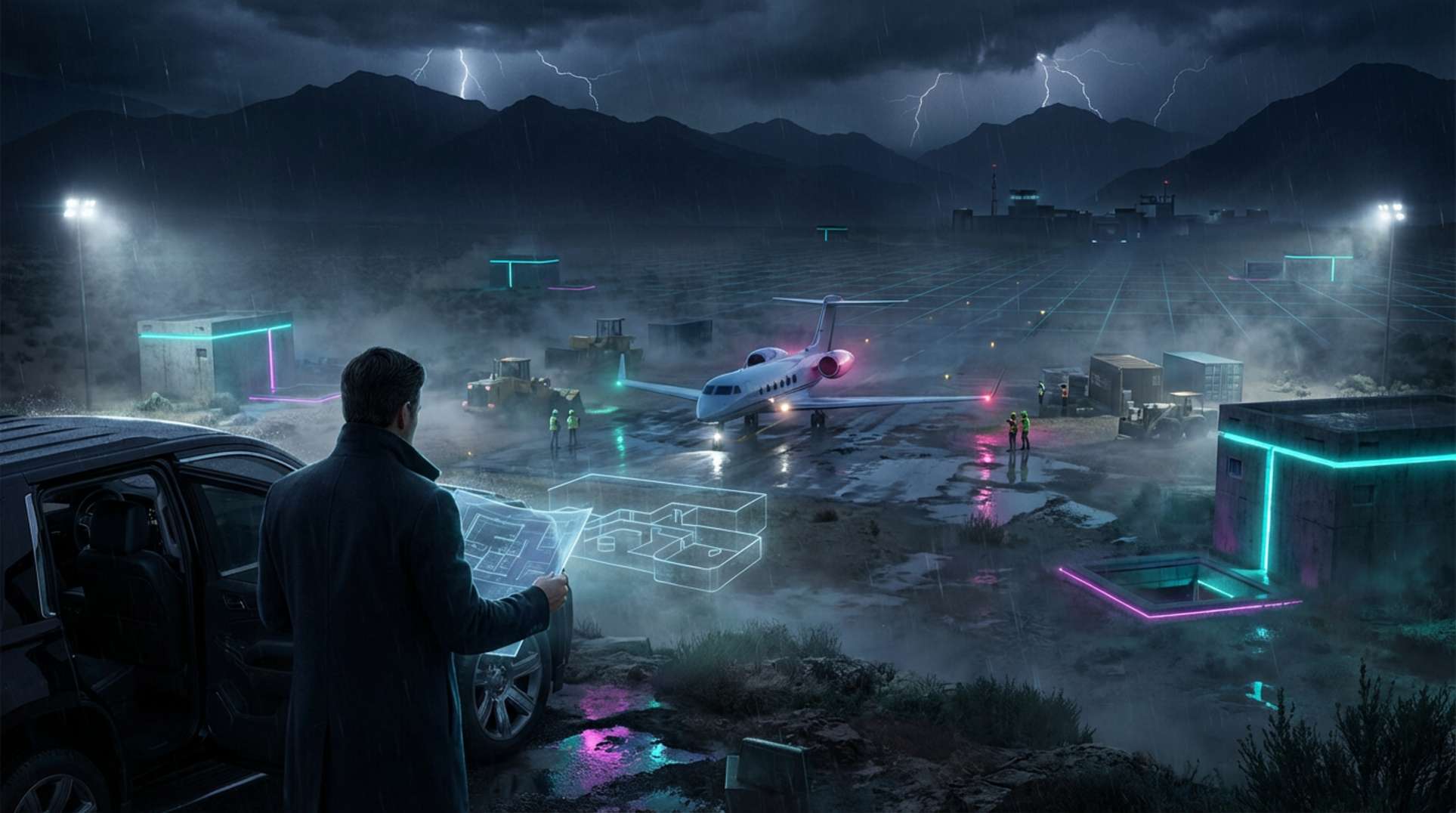
Picture this: a private jet touches down on a remote airstrip under gray skies. Inside, a hedge-fund manager scans blueprints for a fortified compound. Elsewhere, tech founders close deals on vast tracts far from urban sprawl, properties pitched for their ‘self-sufficiency’—solar grids, water wells, defensible perimeters. These aren’t wild inventions; they’re patterns surfacing in reports and rumors, echoing the dread before 2008. Back then, US household wealth evaporated by nearly $17 trillion from mid-2007 to early 2009, with real house prices tumbling 23% by 2011—mirroring crashes in Ireland (41%), Iceland (29%), Spain (23%), and Denmark (21%). Now, 2025 brings 946,426 announced US job cuts through September, the most since 2020, a low rumble amid claims of resilience. NBER’s declarations lag by seven months, so reality hits before the label. Families eye rising costs and pink slips, while a select few move like they sense the doors narrowing.
How severe was the wealth loss in the Great Recession?
What evidence supports claims of elite bunkers?
Why do recession declarations come so late?
How does wealth inequality factor into crash risks?
Are there verified underground networks for elites?
Advertisement
Frequently Asked Questions
How severe was the wealth loss in the Great Recession?
US household wealth fell by about $17 trillion, a 26% real decline, from mid-2007 to early 2009. By early 2012, only two-fifths had been recovered, highlighting the lasting impact on ordinary families.
What evidence supports claims of elite bunkers?
Claims like Catherine Austin Fitts' $21 trillion in hidden spending for 170 bunkers are based on her analysis of federal records but remain contested and unverified. Known facilities like Cheyenne Mountain show such infrastructure is real, while community reports describe unusual construction as potential signs.
Why do recession declarations come so late?
The NBER announces recessions retrospectively, averaging seven months after they start, based on broad data review. This lag means the wealthy, often with early indicators, can prepare ahead, while the public learns later.
How does wealth inequality factor into crash risks?
Higher-income groups drive growth but hold disproportionate assets, per Bloomberg and IMF reports. Their setbacks can amplify downturns, leaving lower-income households more exposed.
Are there verified underground networks for elites?
No full, audited map exists for hidden elite facilities. While military sites like Cheyenne Mountain are confirmed for crisis continuity, broader claims of private or covert networks remain unproven and debated.
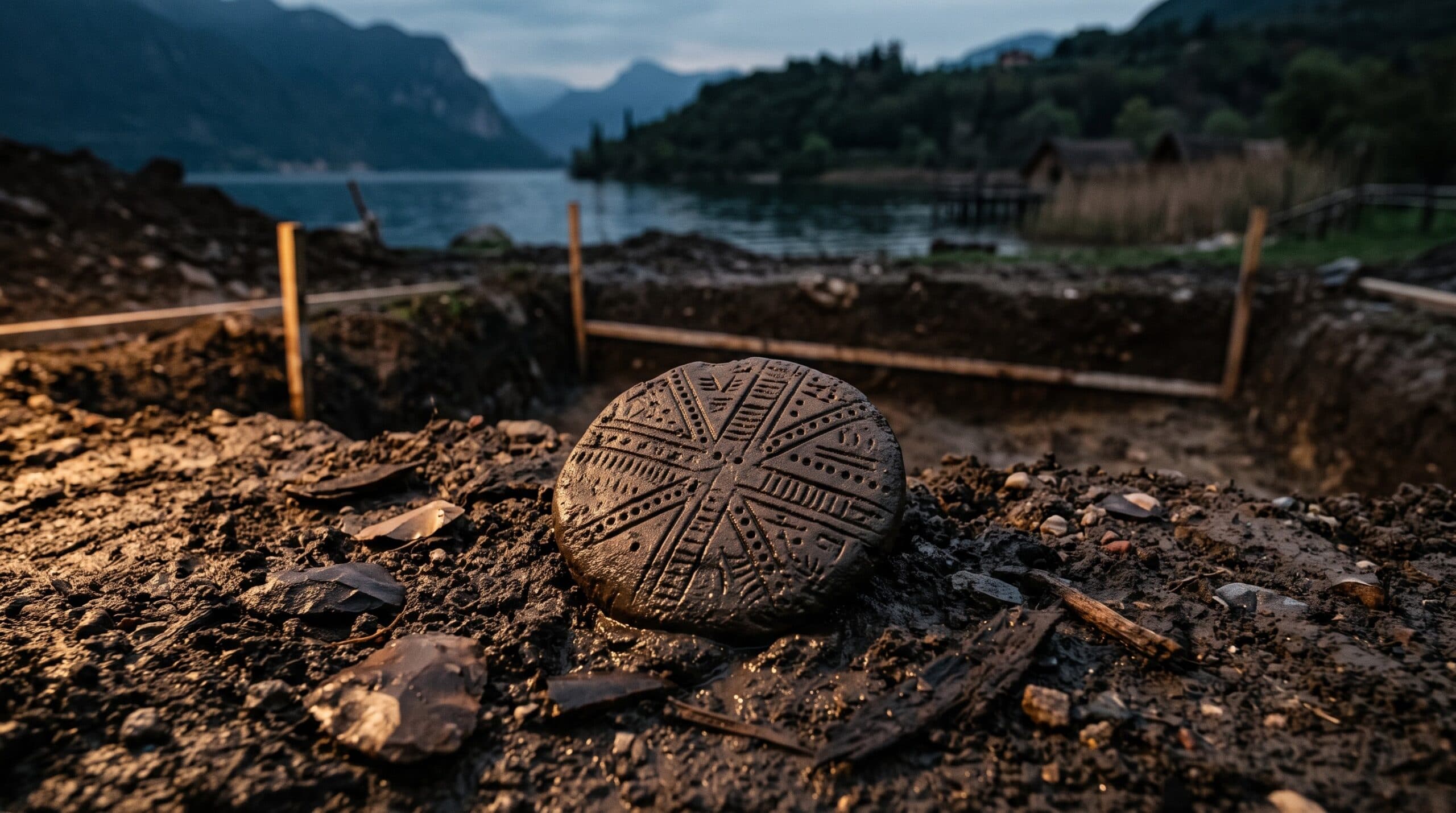
An intact 4,000-year-old tablet from northern Italy carries geometric signs no one can read. Its real mystery may be the network behind it.
Aug 18, 2026 • 7 min read
Ancient Civilizations
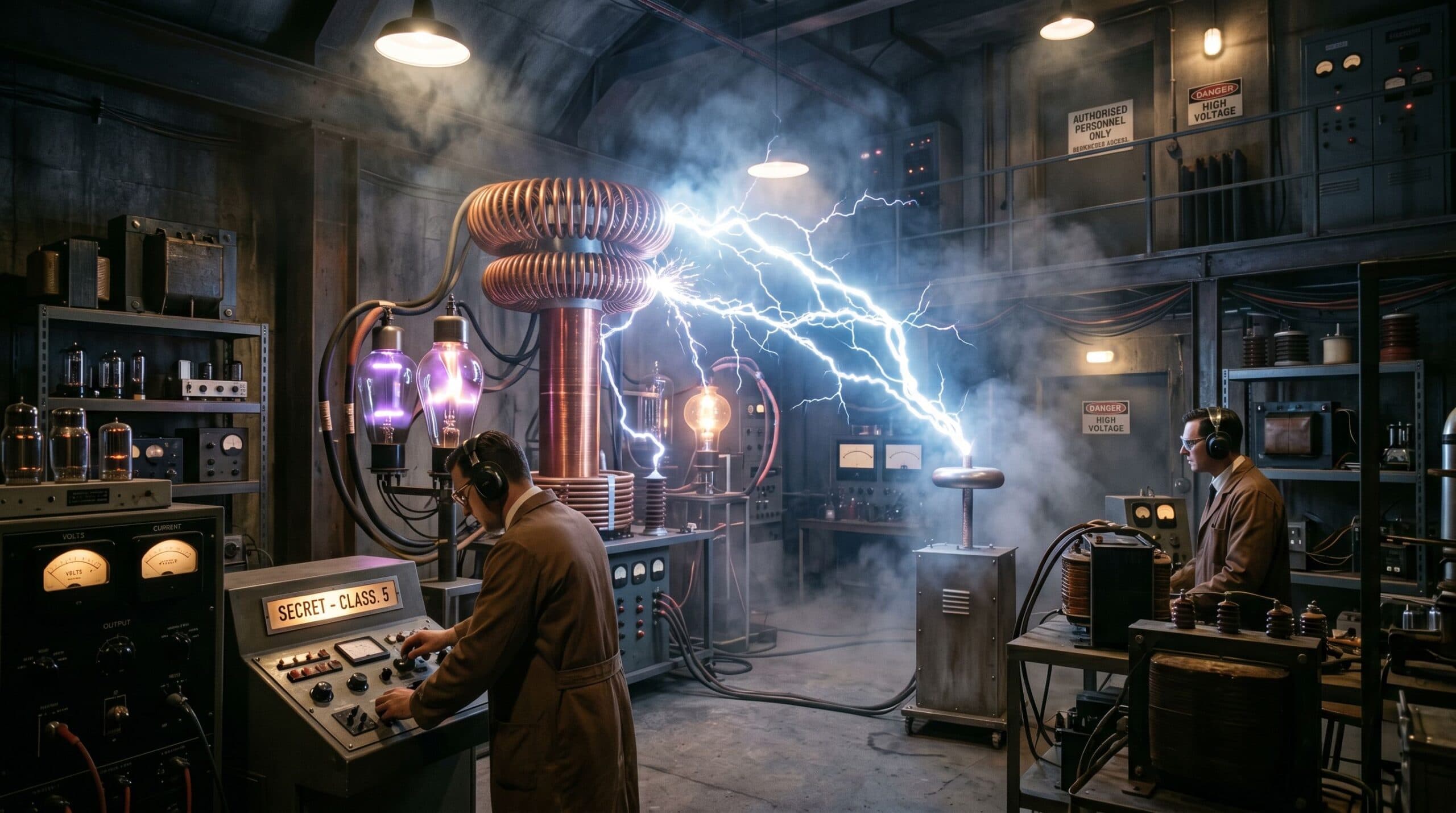
1957 Electrogravitics Secret: The Classified Research Program Whose Watchers Have All ‘Gone’
A viral essay claims that classified electrogravitics research made real progress in the 1950s — and that everyone who knew the truth about it has since disappeared from the public record. The story is spreading through high-strangeness forums.
May 14, 2026 • 7 min read
Articles
Two New Loch Ness Reports Bring 2026 Sightings to 13—But What Was Actually Seen?
Two new reported encounters bring the 2026 Loch Ness sighting count to 13. Here is what the reports establish—and what they do not.
Aug 26, 2026 • 6 min read
Stories of Bunkers, Secret Networks, and an Economy on a Knife’s Edge
In forums and chats where the unexplained gets airtime, tales abound of the ultra-rich gearing up for collapse. They snap up luxury bunkers stocked with years of supplies, claim remote compounds wired for autonomy, and—per some accounts—access unseen facilities. Catherine Austin Fitts, drawing from federal records, alleges $21 trillion in undisclosed US spending from 1998–2015, tied to around 170 doomsday bunkers connected by hidden transit. This is hotly debated, not audited fact, but it fuels discussions linking to real setups like Cheyenne Mountain, proving such tech exists. Witnesses describe massive construction in isolated spots, odd equipment hauls, expanding no-go zones—signs of an underground web growing. In paranormal circles, these tie into secret space programs, AI manipulations, and engineered crashes where the elite glide through. Even stripping the extraordinary, talk turns to practical moves: offshore nests, dual citizenships, farmland grabs, assets that outlast inflation.
Advertisement
Numbers That Don’t Care Who You Are
Let’s ground this in what we can measure. Past crashes hit hard, and current splits in the economy signal trouble. Here’s a snapshot:
Metric
Details
US Household Wealth Decline (Great Recession)
$17 trillion (26% real drop) from mid-2007 to early 2009
Bloomberg highlights how higher-income spending masks fragility below. The IMF warns the wealthy’s asset dominance means their setbacks can cascade. Fitts’ $21 trillion claim for bunkers is contested, not from official audits. We know sites like Cheyenne Mountain exist, but rumors of a vast elite network stay unproven.
When the ‘Business Cycle’ Meets the Bunker Narrative
Official voices paint recessions as broad declines in GDP and jobs, tracked by the Federal Reserve and NBER—no hidden hands flipping switches. Tight credit and rates often precede them, but they’re seen as cycles, not plots. The IMF notes wealth concentration can worsen shocks without implying strategy. EPI pushes for better safety nets like robust unemployment aid, sidestepping bunker talk. Yet communities view the same data differently: inequality and NBER’s seven-month delay as proof the elite get a jump—repositioning before the storm. Fitts’ $21 trillion is, to them, evidence of tiered survival. Cheyenne Mountain confirms government bunkers for crises; the debate is over private extensions. It’s about trust: officials see side effects, outsiders see design.
Fault Lines: Inequality, Panic, and the Next Shock
The Great Recession’s 26% wealth wipeout and 23% housing plunge linger in memory, shaping fears. Bloomberg and IMF data show top earners sustaining growth but holding outsized assets, risking amplified downturns. NBER’s lag formalizes delay, letting the wealthy pivot—offshore funds, land, maybe bunkers. Job cuts at 946,426 in 2025 fuel unease despite ‘soft landing’ talk. Belief in elite escapes could spark unrest in a crash, true or not. Inequality isn’t just about pain; it’s about who flees—to new countries, fortified spots, or underground.
Advertisement
What It All Might Mean
We stand on firm facts: the $17 trillion Great Recession hit, scarring households long-term. IMF and media confirm wealth concentration heightens risks. Officials describe crashes as systemic, with no nod to hidden bunkers beyond military ones. Fitts’ $21 trillion claim endures unverified, echoing secrecy and inequality. Mysteries persist: no full map of facilities, unclear private prep depth, and warnings always late for most. Consider personal readiness—skills, networks—and policy shifts to lessen bunker needs. If hidden escapes seem real to many, it signals deep fractures in trust and stability.
Frequently Asked Questions
US household wealth fell by about $17 trillion, a 26% real decline, from mid-2007 to early 2009. By early 2012, only two-fifths had been recovered, highlighting the lasting impact on ordinary families.
Claims like Catherine Austin Fitts’ $21 trillion in hidden spending for 170 bunkers are based on her analysis of federal records but remain contested and unverified. Known facilities like Cheyenne Mountain show such infrastructure is real, while community reports describe unusual construction as potential signs.
The NBER announces recessions retrospectively, averaging seven months after they start, based on broad data review. This lag means the wealthy, often with early indicators, can prepare ahead, while the public learns later.
Higher-income groups drive growth but hold disproportionate assets, per Bloomberg and IMF reports. Their setbacks can amplify downturns, leaving lower-income households more exposed.
No full, audited map exists for hidden elite facilities. While military sites like Cheyenne Mountain are confirmed for crisis continuity, broader claims of private or covert networks remain unproven and debated.
Art Grindstone is the hard-nosed storyteller behind Unexplained.co, a veteran investigator whose life’s work sits at the crossroads of the paranormal, fringe science, and the shadows most people try not to look into. With decades spent chasing impossible stories — black-budget psychic programs, vanished Cold War experiments, desert rituals that sparked UFO waves, and the strange phenomena buried in America’s forgotten backroads — Art brings a rare combination of skepticism, awe, and journalistic precision. He’s not here to debunk. He’s not here to blindly believe. He follows the evidence wherever it leads — even when it leads someplace deeply uncomfortable. Known for his immersive, cinematic style and his ability to turn obscure research into gripping narrative, Art has built a devoted following across podcasts, long-form features, documentaries, and serialized investigations. His interviews are direct. His analysis is unflinching. His voice has become a staple in the modern paranormal renaissance — the guy people turn to when a story is too strange, too complex, or too dangerous for anyone else to touch. Off-mic, Art works with a distributed network of researchers, archivists, and field operatives who help surface the stories mainstream media ignores. On-mic, he transforms their findings into meticulous, high-impact reporting that refuses to insult the intelligence of true believers. His philosophy is simple: Take the phenomenon seriously. Treat the audience with respect. Tell the story as if the world depends on it — because sometimes it does. When Art Grindstone digs into a case, he isn’t just chasing a mystery. He’s tracing the fault lines of reality itself.