Nuclear Tests & Geomagnetic Storms: The Unproven Link | Unexplained
Ancient Civilizations
Nuclear Tests & Geomagnetic Storms: The Unproven Link
Key Takeaways The strongest evidence points to geomagnetic storms being driven mainly by solar wind variations, coronal mass ejections, and high-speed solar wind streams, tracked through indices like Kp and Dst by…
Art Grindstone is the hard-nosed storyteller behind Unexplained.co, a veteran investigator whose life’s work sits at the crossroads of the paranormal, fringe science, and the shadows most people try not to look into. With decades spent chasing impossible stories — black-budget psychic programs, vanished Cold War experiments, desert rituals that sparked UFO waves, and the strange phenomena buried in America’s forgotten backroads — Art brings a rare combination of skepticism, awe, and journalistic precision. He’s not here to debunk. He’s not here to blindly believe. He follows the evidence wherever it leads — even when it leads someplace deeply uncomfortable. Known for his immersive, cinematic style and his ability to turn obscure research into gripping narrative, Art has built a devoted following across podcasts, long-form features, documentaries, and serialized investigations. His interviews are direct. His analysis is unflinching. His voice has become a staple in the modern paranormal renaissance — the guy people turn to when a story is too strange, too complex, or too dangerous for anyone else to touch. Off-mic, Art works with a distributed network of researchers, archivists, and field operatives who help surface the stories mainstream media ignores. On-mic, he transforms their findings into meticulous, high-impact reporting that refuses to insult the intelligence of true believers. His philosophy is simple: Take the phenomenon seriously. Treat the audience with respect. Tell the story as if the world depends on it — because sometimes it does. When Art Grindstone digs into a case, he isn’t just chasing a mystery. He’s tracing the fault lines of reality itself.
5 min · 1,131 words
In This Report(7)
Key Takeaways
The strongest evidence points to geomagnetic storms being driven mainly by solar wind variations, coronal mass ejections, and high-speed solar wind streams, tracked through indices like Kp and Dst by agencies such as NOAA’s Space Weather Prediction Center.
Plausible alternative readings highlight discrete events like the Starfish Prime nuclear test on July 9, 1962, which injected artificial radiation belts, damaged satellites, and triggered visible auroras, yet these were human-made and not shown to alter Earth’s core geodynamo.
Crucial unresolved questions include whether multi-decadal rises in storm counts stem from actual solar activity or from biases in observation networks, and if 20th-century nuclear testing truly caused permanent changes to the planet’s deep magnetic field—links that remain unproven and require further scrutiny.
A Silent Convoy Beneath the Dark Sky
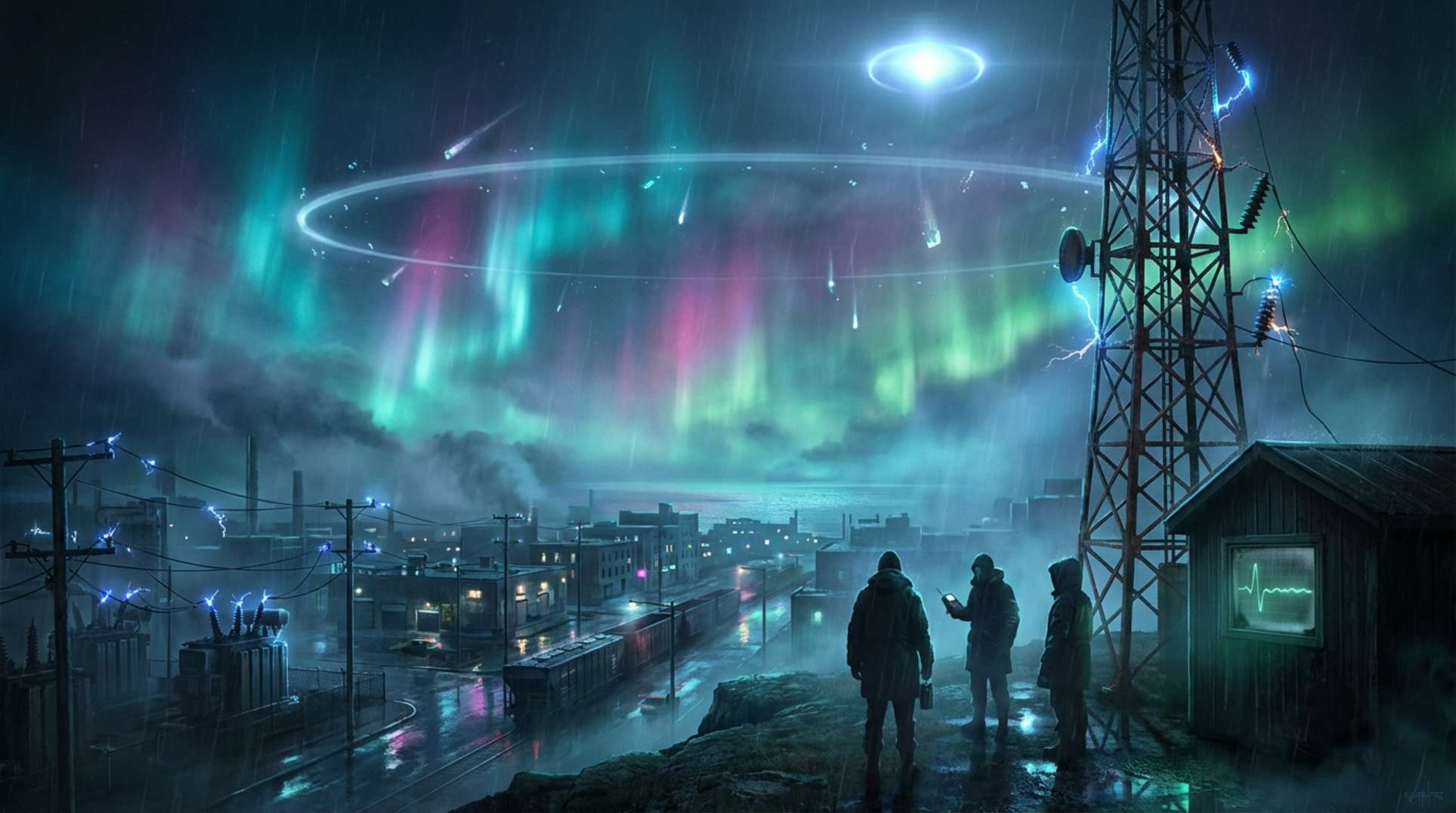
Imagine the night sky igniting without warning. Auroras dance where they shouldn’t, radios hiss with static, and instruments spike in ways that make the ground feel alive. Witnesses describe power glitches and an eerie hum, as if the planet itself is protesting. These moments pull communities together, sharing footage and plots online, linking them to space-weather alerts that feel too timely to ignore.
Community voices like Stefan Burns highlight these spikes in Kp and Dst indices, tying them to local oddities—flickering lights, unexpected northern lights. History echoes this: during Starfish Prime, observers saw artificial auroras and blackouts, with satellite failures lingering for months, as noted in Spaceweather and National Geographic accounts.
Agencies like NOAA’s SWPC offer near-real-time nowcasts and historical data, letting anyone cross-check those vivid auroras against official timelines. It’s this blend of personal experience and verifiable traces that makes the topic burn with urgency for those who’ve felt the disruptions firsthand.
Advertisement
What Witnesses and Analysts Report
Across social platforms and YouTube channels, independent researchers share magnetometer graphs blended with personal stories—unusual auroras, strange electromagnetic sensations that hit during storm peaks. Figures like Stefan Burns distribute these reports, building a picture of patterns that demand attention.
Community claims often point to a rise in geomagnetic storm frequency through the 20th century, with intriguing overlaps between intense solar or geomagnetic events and major earthquakes. Many argue that nuclear testing reshaped Earth’s near-space environment, creating a legacy of instability.
What primarily causes geomagnetic storms?
Did nuclear tests like Starfish Prime permanently alter Earth’s magnetic field?
Why do some claim an increase in geomagnetic storms during the 20th century?
How can I verify geomagnetic storm data myself?
What are the risks associated with these geomagnetic events?
Frequently Asked Questions
What primarily causes geomagnetic storms?
Geomagnetic storms are mainly driven by solar wind variations, coronal mass ejections, and high-speed solar wind streams, as monitored by indices like Kp and Dst from NOAA's SWPC.
Did nuclear tests like Starfish Prime permanently alter Earth's magnetic field?
High-altitude tests such as Starfish Prime created temporary artificial radiation belts, damaged satellites, and caused auroras, but no established evidence shows they changed the deep geodynamo in Earth's core, according to NASA and peer-reviewed literature.
Why do some claim an increase in geomagnetic storms during the 20th century?
Community reports suggest rises linked to nuclear testing and patterns with earthquakes, but skeptics point to potential biases from improved observations and index changes, calling for statistical analysis to confirm any real trends beyond solar cycles.
How can I verify geomagnetic storm data myself?
Access archives from NOAA's SWPC and NCEI for Kp and Dst indices dating back to 1932, then plot storm counts against sunspot numbers to check alignments with solar activity or observational shifts.
What are the risks associated with these geomagnetic events?
Storms can lead to power glitches, satellite failures, and infrastructure disruptions, as seen in historical events like Starfish Prime and major solar storms, highlighting vulnerabilities in grids and transportation.
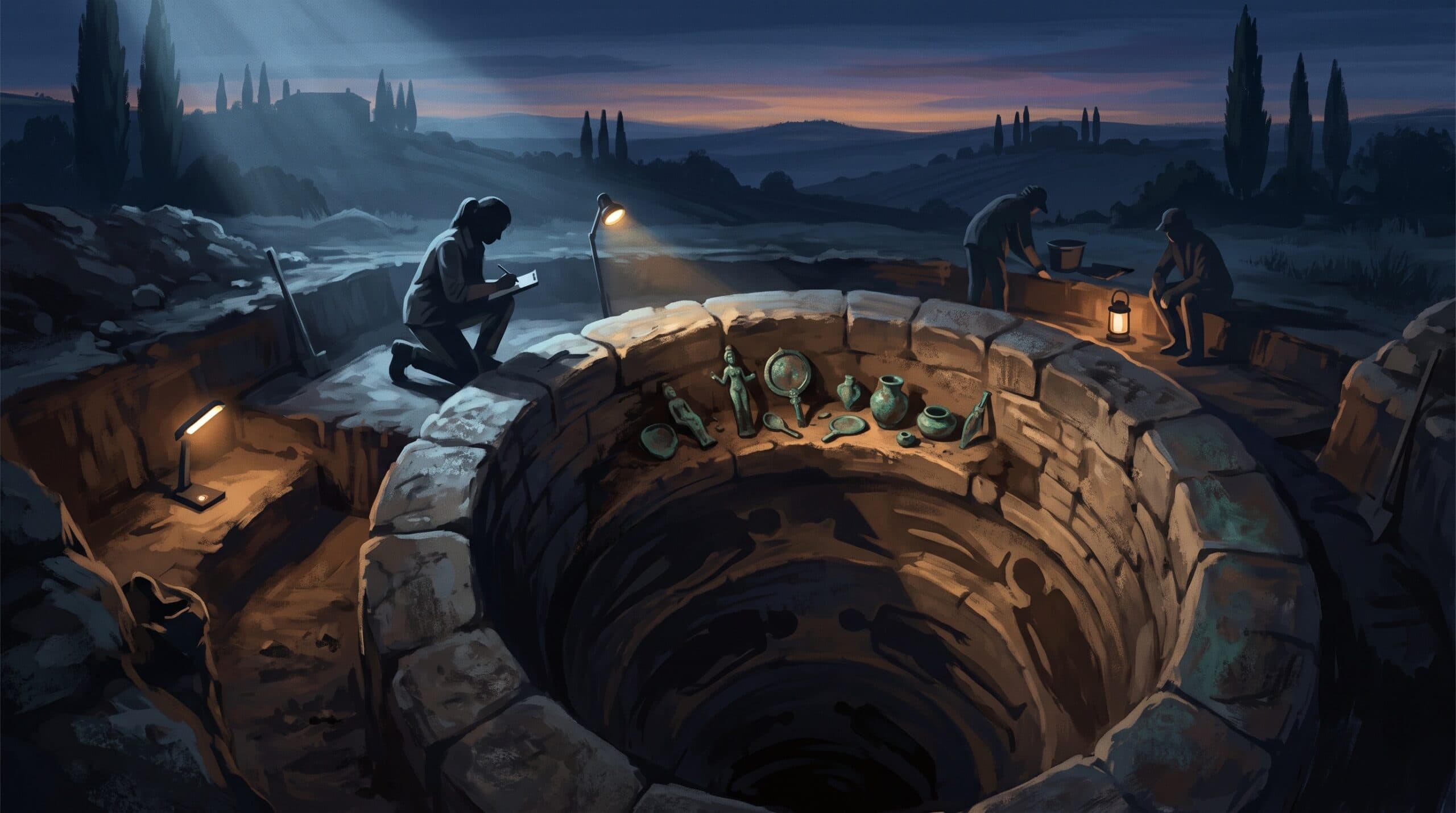
The Etruscan Well Sealed With Human Remains Is Stranger Than a Sacrifice Story
A newly reported Etruscan well in Italy was opened with offerings and sealed with human remains. The evidence reveals a ritual mystery, not a simple sacrifice tale.
Aug 18, 2026 • 7 min read
Articles
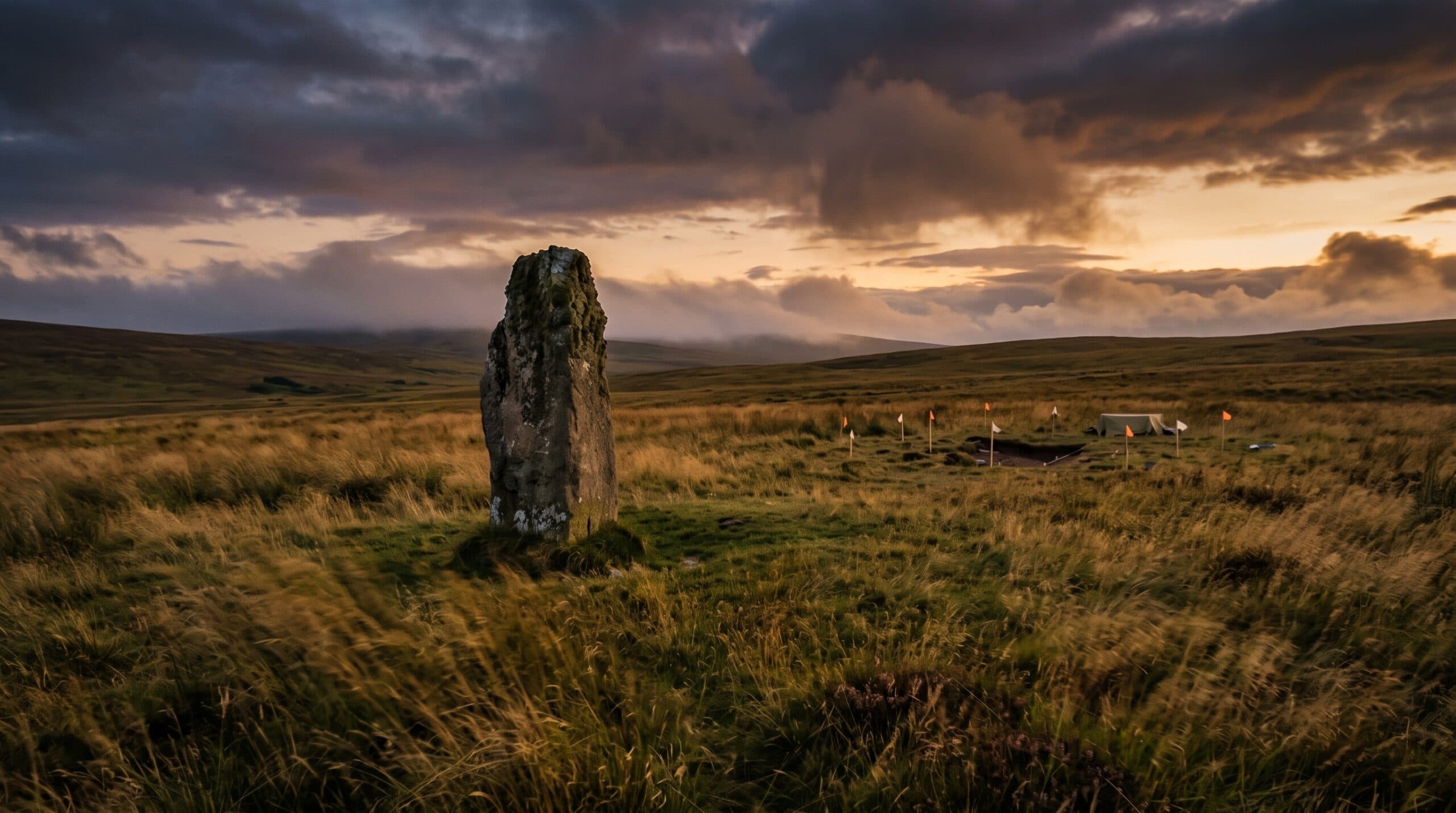
The Lonely Rock That Led Archaeologists to a 3,700-Year-Old Ritual Site
A single stone spotted by a student led archaeologists to a 3,700-year-old ritual site—and raised new questions about how ancient landscapes were read.
Aug 17, 2026 • 4 min read
UFO & Aliens
The Pentagon Released More UAP Files—but Not the Data Needed to Solve Them
The Pentagon’s fifth UAP release reveals cold orbs and a giant triangle—but missing sensor data keeps its strangest cases unresolved and untested.
Aug 17, 2026 • 10 min read
Yet within these circles, skeptical analysts push back, warning against mistaking correlation for cause. They call for rigorous statistical checks to separate genuine shifts from coincidental alignments, ensuring claims hold up under scrutiny.
Timelines, Tracks, and Hard Data
The Planetary Kp index, measuring global geomagnetic activity every three hours, stretches back to 1932, with archives maintained by NOAA’s SWPC and NCEI for easy downloads of Kp and Dst data. Peer-reviewed work ties storm patterns tightly to the 11-year solar cycle, though models of extremes draw from relatively short multi-decadal records, as seen in studies from Space Weather (Reyes et al., 2021) and Earth, Planets and Space (2020).
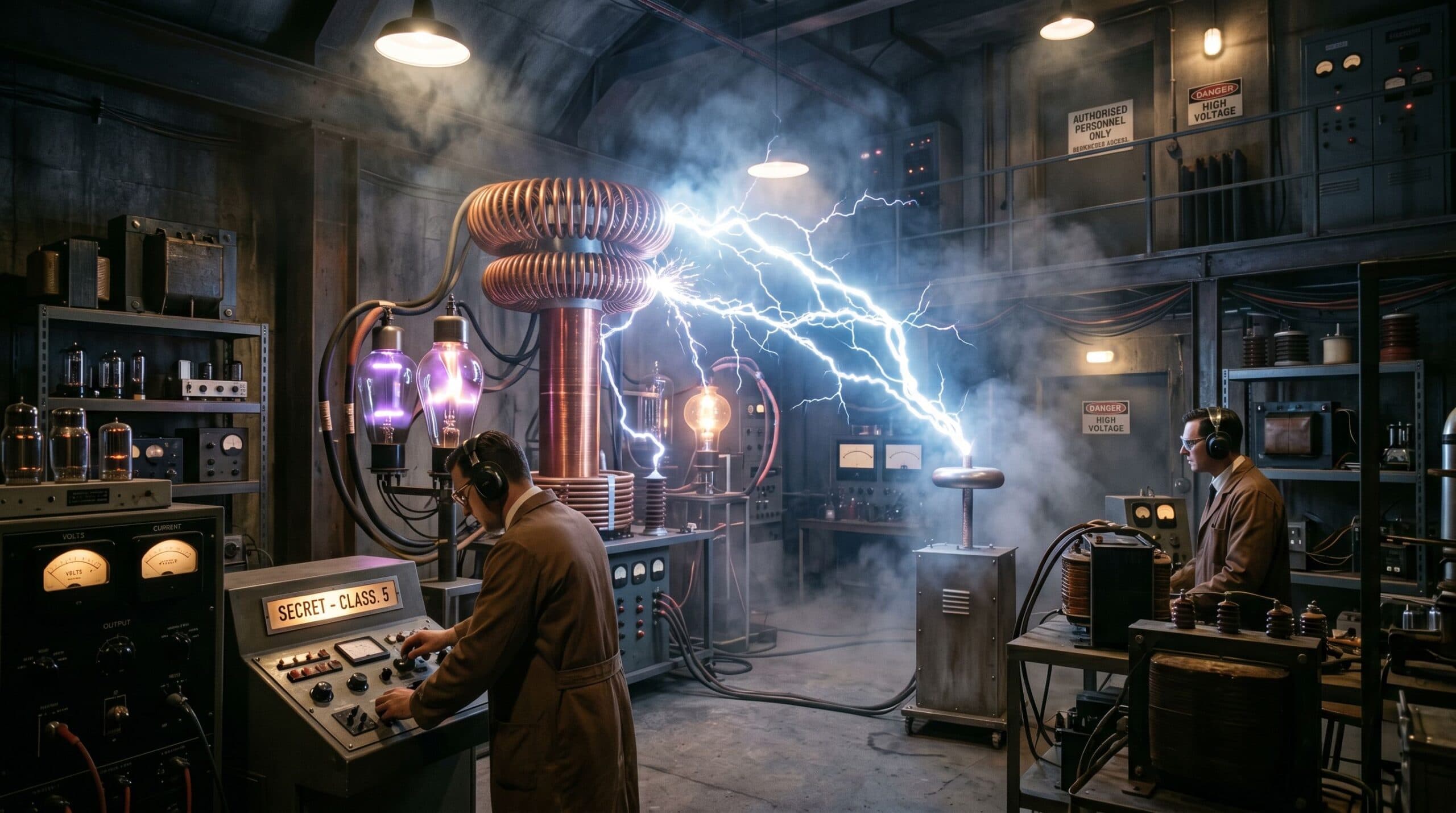
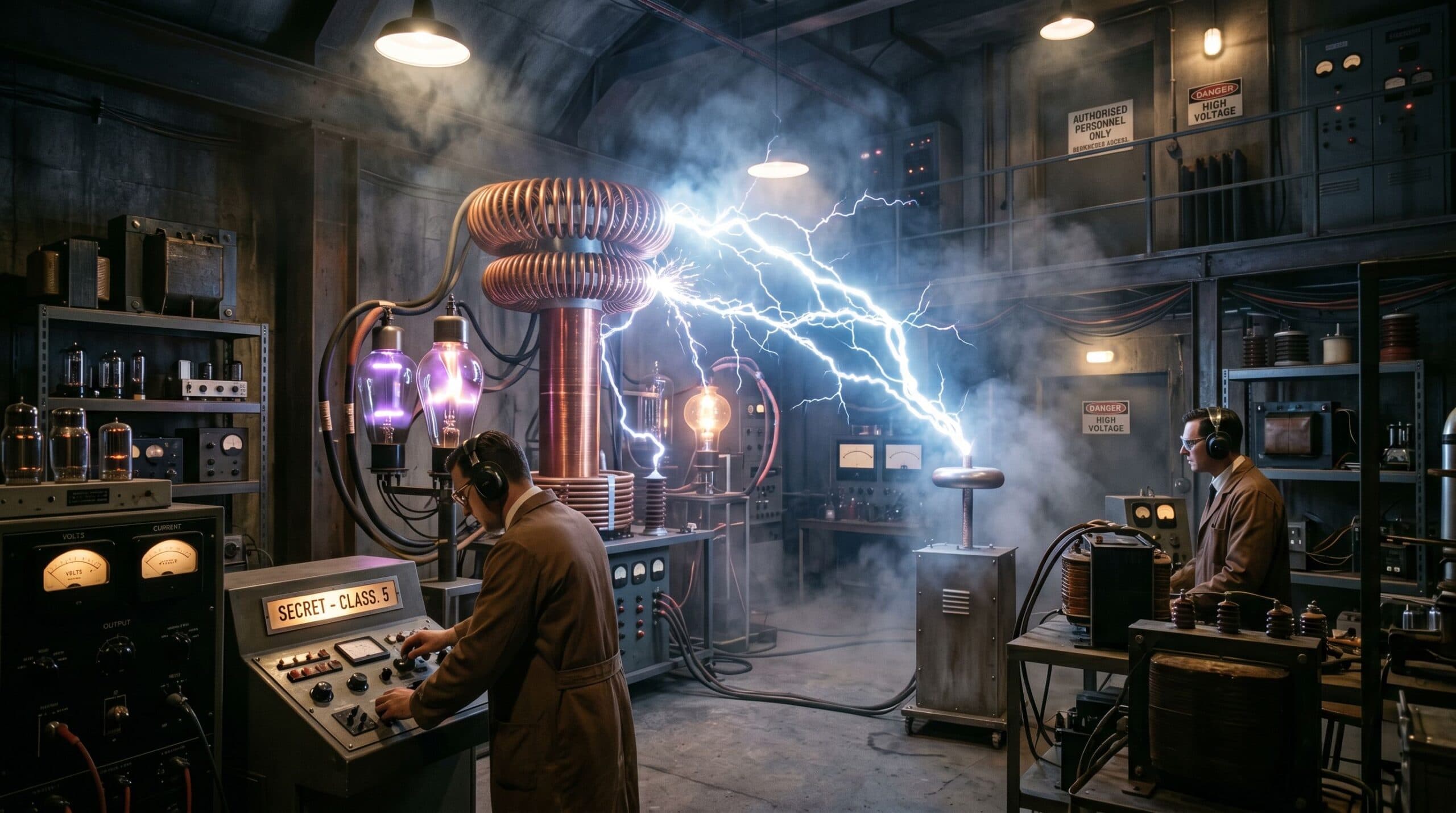
Starfish Prime stands out: on July 9, 1962, this 1.4-megaton blast at about 400 km altitude injected roughly 10^29 energetic electrons, spawning artificial radiation belts that harmed satellites and sparked auroras, per NASA, OSTI, CTBTO, and National Geographic sources.
For context, extreme Dst events include the -640 nT drop on March 13, 1989, a intense space-age storm, while the 1859 Carrington event is estimated at -1760 nT, hinting at broader historical scales. Nuclear testing tallied around 1,900 global detonations in the 20th century, with high-altitude blasts causing transient disturbances via EMP and ionospheric heating, as detailed in Glasstone & Dolan and GlobalSecurity reports.
Metric/Event
Details
Date/Availability
Kp/Dst Indices
Global geomagnetic activity tracking
Available from 1932 (Kp)
Starfish Prime
1.4 megatons at ~400 km
July 9, 1962
Major Solar Storm
Dst = -640 nT
March 13, 1989
Carrington Event Estimate
Dst ≈ -1760 nT
1859
Readers can extract Kp/Dst time-series from 1932 onward and plot storm counts against sunspot numbers to assess how 20th-century trends align with solar activity or observational shifts. This hands-on approach reveals overlaps and gaps that new analysis could fill.
Official Story vs. What the Data Suggests
According to NOAA’s SWPC, geomagnetic storms arise from solar wind, CMEs, and high-speed streams, quantified through Kp and Dst for infrastructure alerts—their standard position on the drivers behind these events.
NASA and peer-reviewed papers confirm high-altitude tests like Starfish Prime temporarily reshaped near-Earth space, creating artificial belts and satellite issues, but they find no proof of impacts on the deep geodynamo in Earth’s core, as per NEPP and OSTI documents.
Advertisement
Geomagnetism experts stress the patchy nature of pre-mid-20th-century data, suggesting apparent long-term increases might stem from better monitoring, index tweaks, or natural geomagnetic drifts rather than human interference.
Community analysts, however, see mid-20th-century storm rises syncing with nuclear testing eras as potential evidence of lasting disruption—a view that hinges on teasing apart effects through quantitative methods. The gap lies in replicable stats that isolate anthropogenic marks from solar noise, leaving room for deeper probes.
What It All Might Mean
Solar activity clearly dominates geomagnetic storm patterns, with events like Starfish Prime delivering sharp, documented jolts to near-Earth space without enduring core changes.
Still, uncertainties linger: how much do observational improvements skew 20th-century trends? Is there a solid tie between space weather and earthquakes? And have human actions touched the geodynamo? Current studies and defense reports see no such evidence.
To advance, consider plotting Kp/Dst trends against sunspots, compiling bibliographies on man-made injections, or speaking with geomagnetism specialists about biases and nuclear fingerprints. This matters because it weaves personal stories with nuclear history, risks to grids and satellites, and scientific unknowns—demanding precise reporting to cut through the fog.
Frequently Asked Questions
Geomagnetic storms are mainly driven by solar wind variations, coronal mass ejections, and high-speed solar wind streams, as monitored by indices like Kp and Dst from NOAA’s SWPC.
High-altitude tests such as Starfish Prime created temporary artificial radiation belts, damaged satellites, and caused auroras, but no established evidence shows they changed the deep geodynamo in Earth’s core, according to NASA and peer-reviewed literature.
Community reports suggest rises linked to nuclear testing and patterns with earthquakes, but skeptics point to potential biases from improved observations and index changes, calling for statistical analysis to confirm any real trends beyond solar cycles.
Access archives from NOAA’s SWPC and NCEI for Kp and Dst indices dating back to 1932, then plot storm counts against sunspot numbers to check alignments with solar activity or observational shifts.
Storms can lead to power glitches, satellite failures, and infrastructure disruptions, as seen in historical events like Starfish Prime and major solar storms, highlighting vulnerabilities in grids and transportation.
Art Grindstone is the hard-nosed storyteller behind Unexplained.co, a veteran investigator whose life’s work sits at the crossroads of the paranormal, fringe science, and the shadows most people try not to look into. With decades spent chasing impossible stories — black-budget psychic programs, vanished Cold War experiments, desert rituals that sparked UFO waves, and the strange phenomena buried in America’s forgotten backroads — Art brings a rare combination of skepticism, awe, and journalistic precision. He’s not here to debunk. He’s not here to blindly believe. He follows the evidence wherever it leads — even when it leads someplace deeply uncomfortable. Known for his immersive, cinematic style and his ability to turn obscure research into gripping narrative, Art has built a devoted following across podcasts, long-form features, documentaries, and serialized investigations. His interviews are direct. His analysis is unflinching. His voice has become a staple in the modern paranormal renaissance — the guy people turn to when a story is too strange, too complex, or too dangerous for anyone else to touch. Off-mic, Art works with a distributed network of researchers, archivists, and field operatives who help surface the stories mainstream media ignores. On-mic, he transforms their findings into meticulous, high-impact reporting that refuses to insult the intelligence of true believers. His philosophy is simple: Take the phenomenon seriously. Treat the audience with respect. Tell the story as if the world depends on it — because sometimes it does. When Art Grindstone digs into a case, he isn’t just chasing a mystery. He’s tracing the fault lines of reality itself.