
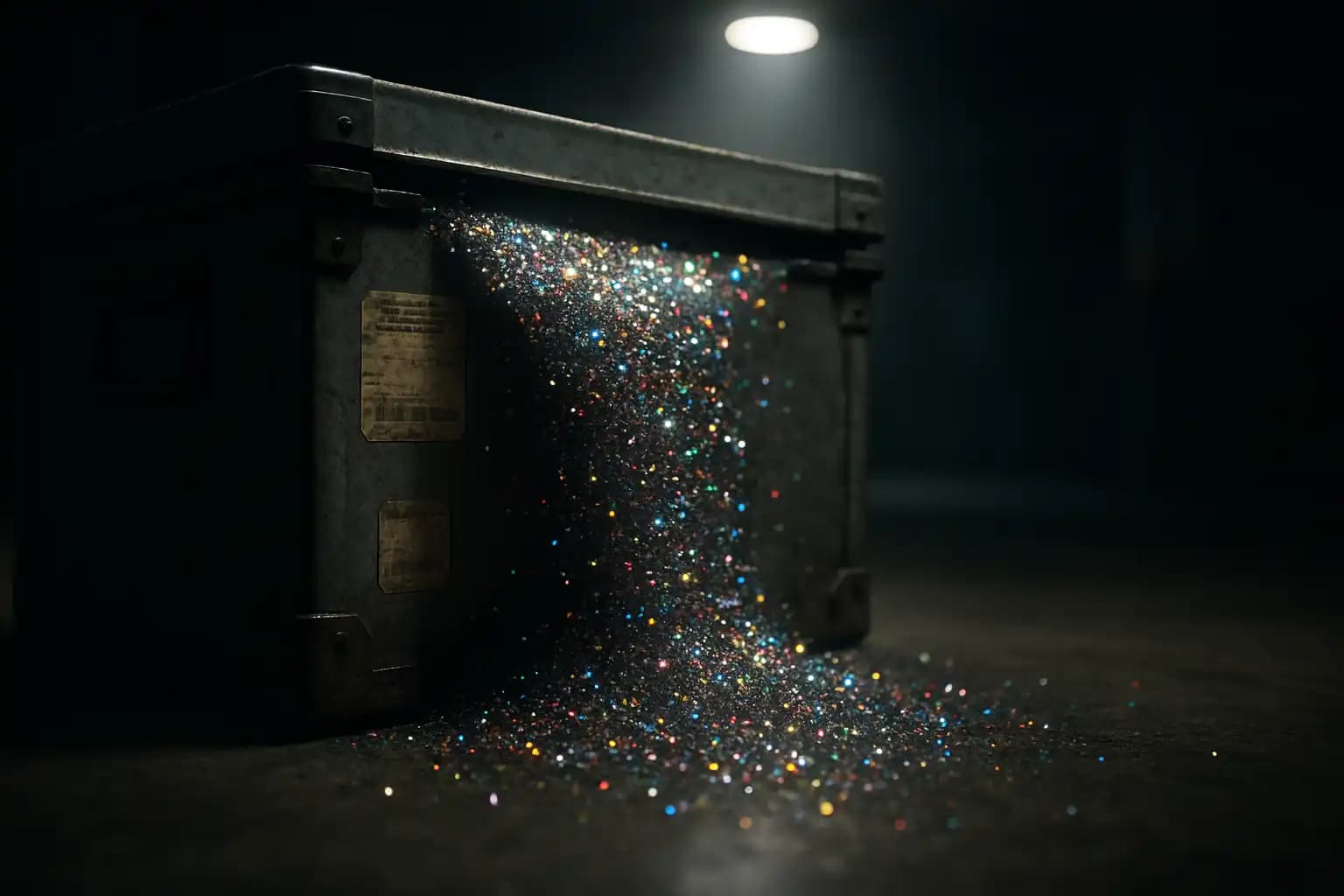

The glimmer of glitter has sparked one of the internet’s biggest mysteries. A widely cited New York Times investigation reveals that Glitterex, the world’s largest glitter manufacturer in New Jersey, refuses to disclose its biggest client. This “no comment” has fueled speculation on Reddit, TikTok, and podcasts, morphing an industrial detail into a “glitter conspiracy.”
Glitterex and the Origins of the Secret
Glitterex stands at the center of the storm. The company’s market dominance is clear, but its secretive policies spark gossip. A Glitterex executive told reporters, “I absolutely know that I can’t [tell you].” Their reason? The top client “doesn’t want anyone to know that it’s glitter,” according to a summary of the glittergate coverage. This secrecy ironically contrasts with the transparent business of producing millions of pounds of sparkles for consumers. Meanwhile, competitors like Meadowbrook Inventions maintain a similarly tight-lipped approach, solidifying New Jersey as the hub of undisclosed shimmer.
For a deeper look at glitter’s evolution, including its science and history, check out this comprehensive piece on the origins and uses of glitter.
Advertisement
Who—or What—Is Using All The Glitter?
Where does all this secret sparkle end up? The most shared theory, backed by industry leaks and hackers, claims boat paint is a primary destination for industrial glitter. However, as noted in the definitive NYT article, some theorists dispute this. They argue boat manufacturers wouldn’t need to conceal the fact; metallic fleck in marine paint isn’t subtle. Other potential users of “hidden” glitter include military technologies, forensic markers, currency anti-counterfeiting, toothpaste, and even processed foods. Manufacturers have yet to confirm any of these theories, leaving a robust market for plausible deniability.
This ambiguity resonates with themes in contemporary investigations, from secrecy in geopolitical forecasting to odd industry mysteries detailed in disaster reports.