The Unexplained Company Logo
Sign In
Greenland 2: Migration: The Science the Film Ignores

Greenland 2: Migration: The Science the Film Ignores

Art Grindstone

January 12, 2026
Cataclysm Survival Briefing — Access Briefing Now

Key Takeaways from Greenland 2: Migration

  • Greenland 2: Migration, directed by Ric Roman Waugh and starring Gerard Butler and Morena Baccarin, hit U.S. theaters on January 9, 2026, with a reported runtime of about 98 minutes.
  • Early box office pulled in roughly $3.2 million on opening day in North America, against industry budget estimates ranging from $65 to $90 million—numbers that vary and remain unconfirmed by all sources.
  • Readers should ponder the film’s scientific shortcuts, the absence of named technical advisors in production credits, and if global sales plus streaming deals will cover costs amid mixed reactions.

A Silent Convoy Under a Falling Sky

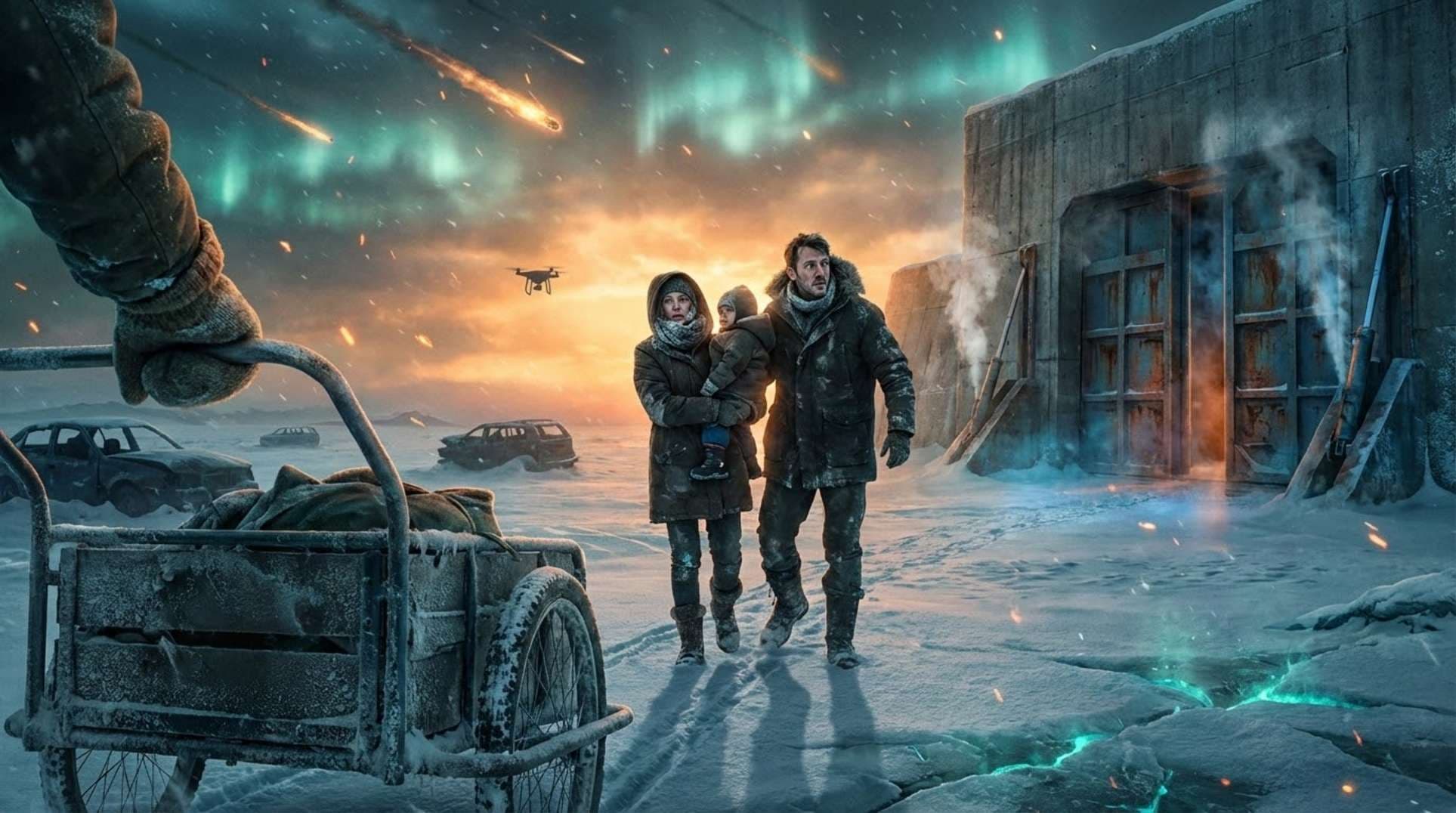
Picture this: a ragged family pushes through frozen wastes, skies cracking with fire, bunkers sealing shut against the roar. Greenland 2: Migration drops you into that grim survival grind, echoing the isolation we all felt in recent years—medical breakdowns, minds fraying in confined spaces. Director Ric Roman Waugh keeps it tight at 98 minutes, ramping tension through quick cuts and raw character clashes. Gerard Butler, Morena Baccarin, and young Roman Griffin Davis anchor the chaos, their faces etched with the weight of a world unraveling.

What Viewers and Analysts Are Saying

Audience threads on Reddit and Rotten Tomatoes paint a split picture. Many applaud Gerard Butler’s gritty lead and the film’s sweeping visuals, but gripes pile up about lazy plot twists and what feels like borrowed science. Critics echo that divide—The Guardian calls it a serviceable follow-up, while ScreenRant picks at its thin story and shaky facts. Box office talk centers on that $3.2 million North American opener, with chatter about whether January timing and overseas markets will give it staying power, or if streaming will be the real savior.

Timelines, Tracks, and Hard Data

Let’s lay out the facts we can pin down. Principal photography kicked off April 29, 2024, in the UK and Iceland, wrapping by July. The film runs about 98 minutes, directed by Ric Roman Waugh, with Gerard Butler, Morena Baccarin, and Roman Griffin Davis in key roles. Lionsgate handled U.S. distribution, drawing from official sites and studio promo. Wide release hit January 9, 2026, after early international drops from January 6–8. Opening-day North American gross: around $3.2 million. Budget estimates float between $65 and $90 million, depending on the trade source.

MetricValueSource
Release Date (U.S. Wide)January 9, 2026Official site
Runtime~98 minutesIMDb news
DirectorRic Roman WaughWikipedia
Opening Day Gross (NA)~$3.2 millionBox Office Mojo
Budget Estimate~$65–90 millionThe Numbers

Official Story vs. What the Data Suggests

Lionsgate pitches Greenland 2 as the straight sequel to the 2020 original, complete with trailers, credits, and a January 2026 rollout. Yet audiences and critics spot cracks—plot points that stretch science thin, without named experts in the credits to back them up. Real monitoring comes from NASA/JPL’s CNEOS Sentry and PDCO systems, which track impact risks with public data and focus on alerts, not doomsday spectacles. The tension is clear: studio drama over hard facts. Financially, that $3.2 million opener against a $65–90 million budget hints at needing strong international runs and licensing to break even.

What It All Might Mean

We’ve got solid ground on the basics: confirmed release dates, April-to-July 2024 shoots, 98-minute runtime, and that $3.2 million North American start. But questions linger—did the team consult impact or radiation specialists? No public credits say so; chasing the press kit could reveal more. How do the film’s events stack against real models? And will downstream revenue cover costs? This matters because films like this mold how we view rare catastrophes, potentially muddying the waters on actual monitoring efforts. For follow-up, I’d reach out to planetary defense experts, snag that press kit, and break down scenes against published science. Stay vigilant; these stories shape what we prepare for.

Frequently Asked Questions

The film had its wide U.S. release on January 9, 2026, with some international screenings starting January 6–8, 2026.

Audiences and critics often point to plot conveniences, pseudoscience, and narrative shortcuts, though performances and visuals get praise.

Community reactions highlight scientific implausibilities, and production notes lack named technical advisors. Real monitoring by NASA/JPL focuses on tracking and communication, not apocalyptic events as depicted.

Opening-day North American gross was about $3.2 million, with discussions on whether international markets and streaming will help recoup the estimated $65–90 million budget.

It influences public views on planetary threats, potentially skewing perceptions of real impact monitoring. Tracking discrepancies between film drama and actual science can reveal patterns in how such stories are shaped.