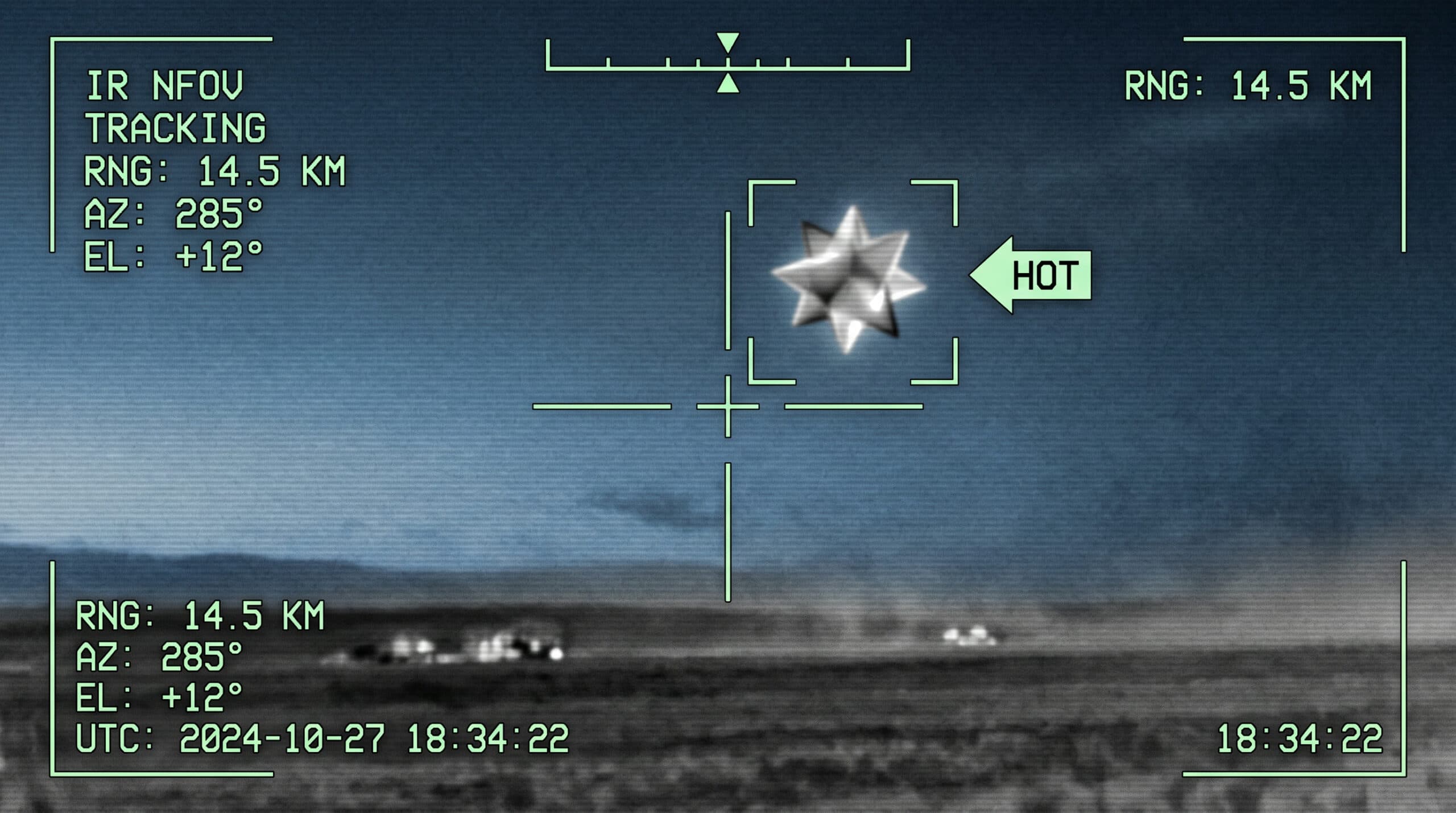
Île Longue Drone Swarm: What France Isn’t Saying Yet
World War 3
Île Longue Drone Swarm: What France Isn’t Saying Yet
Key Takeaways On the evening of 4 December 2025, up to five unidentified small drones were detected flying over the Île Longue naval base on the Crozon peninsula, which houses France’s SSBN fleet (AFP/Politico; Le…
Art Grindstone is the hard-nosed storyteller behind Unexplained.co, a veteran investigator whose life’s work sits at the crossroads of the paranormal, fringe science, and the shadows most people try not to look into. With decades spent chasing impossible stories — black-budget psychic programs, vanished Cold War experiments, desert rituals that sparked UFO waves, and the strange phenomena buried in America’s forgotten backroads — Art brings a rare combination of skepticism, awe, and journalistic precision. He’s not here to debunk. He’s not here to blindly believe. He follows the evidence wherever it leads — even when it leads someplace deeply uncomfortable. Known for his immersive, cinematic style and his ability to turn obscure research into gripping narrative, Art has built a devoted following across podcasts, long-form features, documentaries, and serialized investigations. His interviews are direct. His analysis is unflinching. His voice has become a staple in the modern paranormal renaissance — the guy people turn to when a story is too strange, too complex, or too dangerous for anyone else to touch. Off-mic, Art works with a distributed network of researchers, archivists, and field operatives who help surface the stories mainstream media ignores. On-mic, he transforms their findings into meticulous, high-impact reporting that refuses to insult the intelligence of true believers. His philosophy is simple: Take the phenomenon seriously. Treat the audience with respect. Tell the story as if the world depends on it — because sometimes it does. When Art Grindstone digs into a case, he isn’t just chasing a mystery. He’s tracing the fault lines of reality itself.
5 min · 1,092 words
In This Report(8)
Key Takeaways
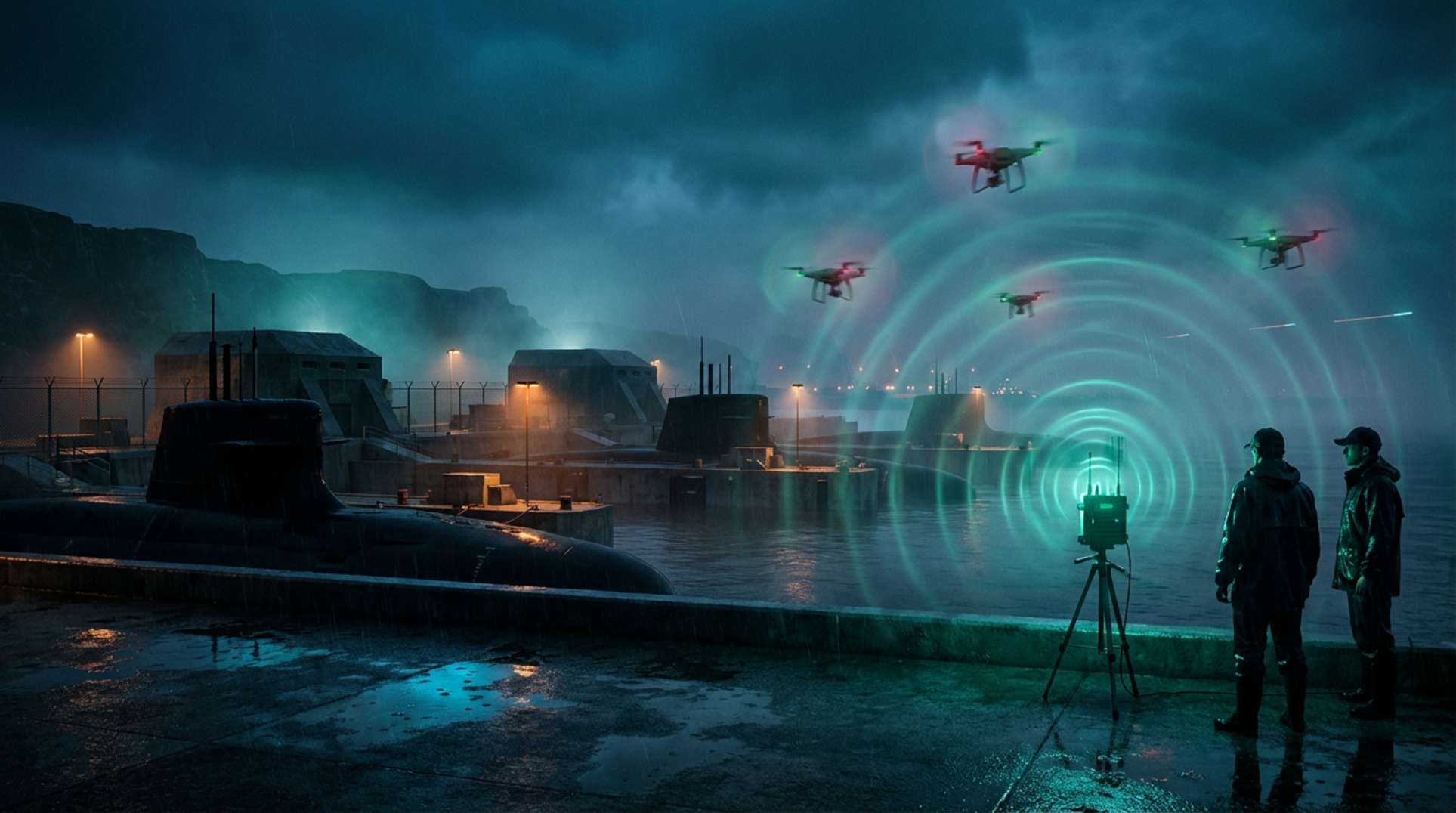
On the evening of 4 December 2025, up to five unidentified small drones were detected flying over the Île Longue naval base on the Crozon peninsula, which houses France’s SSBN fleet (AFP/Politico; Le Monde).
French authorities say base protection units used electronic countermeasures, described as a ‘tir de brouilleur’ or jamming, and that no drone was confirmed shot down nor any pilot identified; a military judicial investigation was opened by the Rennes prosecutor (Franceinfo / France24 / Le Monde).
Social and influencer posts, notably a David Hookstead YouTube clip, claim NATO or allied forces opened fire on ‘Russian aircraft’—a claim not corroborated by French official statements or major outlets. Key open questions remain about launch origin, UAV purpose, and whether any kinetic intercepts occurred.
A Dark Tide Above a Quiet Base
The evening of 4 December 2025. Thursday night, around 19:30 local time. Shadows stretch over the Crozon peninsula in Finistère, Brittany. Here sits Île Longue, the fortified heart of France’s ballistic missile submarines—SSBNs that carry the weight of nuclear deterrence. Coastal guards stand vigilant. Then, lights flicker in the sky. Uninvited. Reports spread online, whispers of intrusion. The air thickens with tension, echoing recent drone sightings across Europe in 2025. Fusiliers marins and the maritime prefecture mobilize. Community nerves fray. What pierced the perimeter that night?
What Witnesses and Analysts Report
Accounts pour in from multiple angles. Local and national French media relay gendarmerie and maritime prefecture details: multiple small drones detected, base protection units stepping in with counter-drone measures (Le Monde / France Bleu / Liberation). Military voices, like a maritime prefect spokesman and Frigate Capt. Guillaume Le Rasle, describe the UAVs as small, non-threatening to core infrastructure, handled through standard protocols (Defense News / Liberation). Witnesses in the area speak of flashes or sounds that might suggest shots, though these remain anecdotal and sometimes at odds with each other.
On social channels, the story amps up. Influencers like David Hookstead push videos claiming NATO fired on Russian aircraft—dramatic, but without backing from French officials or major outlets. Russian and pro-Russian sources spin it as either a bungled defense or hysterical Western response. We respect these varied perspectives; they highlight conflicts in the narrative that demand scrutiny.
Advertisement
Timelines, Tracks, and Hard Data
Let’s pin down what we can verify. The incident hit on the evening of 4 December 2025, reported as Thursday night around 19:30 local (Defense News / Politico). Location: Île Longue naval base on the Crozon peninsula in Finistère, Brittany—home to France’s SSBN force (Le Monde / The Aviationist). Reports vary on drone count, but up to five were detected by technical means (Politico / Defense News).
What exactly happened at Île Longue on 4 December 2025?
Did NATO or allies open fire on Russian aircraft?
What countermeasures were used?
Why is this incident significant?
Are there links to foreign actors like Russia?
Frequently Asked Questions
What exactly happened at Île Longue on 4 December 2025?
Up to five unidentified small drones were detected over the naval base, which houses France’s SSBN fleet. Authorities responded with electronic jamming, and no drones were confirmed shot down. A military investigation is underway.
Did NATO or allies open fire on Russian aircraft?
Claims from influencers like David Hookstead suggest this, but French official statements and major outlets do not corroborate it. No NATO involvement has been confirmed, and the incident involved small drones, not aircraft.
What countermeasures were used?
French authorities describe using 'tir de brouilleur' or jamming as the primary response. Some reports mention 'opened fire,' but officials confirm no kinetic shoot-downs occurred. The ongoing investigation may clarify details.
Why is this incident significant?
Île Longue is central to France’s nuclear deterrent, so UAV incursions raise security and escalation concerns. It fits a 2025 pattern of similar events in Europe, testing military responses and public trust.
Are there links to foreign actors like Russia?
No public attribution has been made, and forensic evidence like debris or signals is not yet released. Speculation exists in social media, but official sources have not connected it to any state actors.
Two New Loch Ness Reports Bring 2026 Sightings to 13—But What Was Actually Seen?
Two new reported encounters bring the 2026 Loch Ness sighting count to 13. Here is what the reports establish—and what they do not.
Aug 26, 2026 • 6 min read
Articles
Two New Loch Ness Reports Bring 2026 Sightings to 13: But What Was Actually Seen?
Two new reported encounters bring the 2026 Loch Ness sighting count to 13. Here is what the reports establish and what they do not.
Aug 24, 2026 • 6 min read
Articles
Hidden in Every Human Genome: Two ‘Ghost’ Ancestors Science Has Never Found
A new Science study finds that everyone alive carries DNA from at least one unknown human ancestor. The fossils are still missing—but the genetic signal spans the globe.
Aug 21, 2026 • 9 min read
Response involved electronic countermeasures, termed ‘tir de brouilleur’ or jamming; headlines sometimes blur this with ‘opened fire,’ but officials confirm no firearms-based shoot-downs (Franceinfo / France24 / Le Monde). Outcome: no downed drones confirmed, no pilot ID’d, and a military prosecutor in Rennes launched an investigation (France24 / Le Monde). This fits a 2025 trend of UAV incursions over European sensitive sites, like the Polish/NATO engagement in September (Reuters / AP).
Date
Location
Reported # UAVs
Claimed Response
Confirmed Outcome
Strategic Significance
Evening of 4 Dec 2025 (~19:30 local)
Île Longue, Crozon peninsula, Finistère
Up to 5
Electronic jamming (‘tir de brouilleur’)
No shoot-downs; investigation opened
Houses France’s SSBN nuclear fleet
Gaps persist—radar logs, prosecutor statements, defense press releases. These are spots for follow-up.
Official Story vs. What the Data Suggests
French authorities hold firm: Parquet de Rennes and the maritime prefecture report detection of several small drones, jamming deployed, no downed craft confirmed, investigation underway, no finger pointed at foreign actors (Le Figaro / France24 / Le Monde). They stress it was handled routinely.
Yet media and public buzz shifts the language—’opened fire’ or ‘shots fired’ creeps in, mixing electronic jams with possible kinetic action (Euronews / France Bleu / Liberation). Unconfirmed assertions from influencers tie it to Russia or claim NATO shots at aircraft, but French statements and major outlets don’t support this. Analysts eye patterns like ‘shadow fleet’ launches from ships, plausible but unproven without debris or telemetry.
We mark these divergences clearly. Official records set the baseline, while community inferences push us to question where details thin out.
Questions That Still Need Answers
Several threads dangle. Who sent these drones? No attribution yet—no radar logs, signal intercepts, or debris linking to anyone (open question). What was their aim? Recon, harassment, or something armed? Technical details withheld.
Advertisement
On countermeasures: jamming confirmed, but ‘open fire’ phrasing lingers—will the prosecutor clarify if shots were fired or debris recovered? Intelligence angle: no ties to Russian forces or shadow fleets published; NATO stays silent on involvement.
Broader ripples: could this reshape NATO rules for site defense? Precedents like Poland’s September 2025 case hint at evolving tactics. Checklist for pursuit: chase prosecutor findings, expert forensics, declassified logs.
What It All Might Mean
Boil it down: confirmed detections over Île Longue on 4 December 2025, countered electronically, no shoot-downs, probe ongoing (France24 / Le Monde / Defense News). But origins, intent, and capabilities remain shrouded—could they be scouts or worse?
This strikes at France’s nuclear core, stirring safety and deterrence worries. If UAV probes persist, trust in military openness erodes, escalation risks climb. Watch for Rennes prosecutor updates, maritime tech releases, radar data drops, NATO policy shifts on counter-UAV engagement.
Frequently Asked Questions
Up to five unidentified small drones were detected over the naval base, which houses France’s SSBN fleet. Authorities responded with electronic jamming, and no drones were confirmed shot down. A military investigation is underway.
Claims from influencers like David Hookstead suggest this, but French official statements and major outlets do not corroborate it. No NATO involvement has been confirmed, and the incident involved small drones, not aircraft.
French authorities describe using ‘tir de brouilleur’ or jamming as the primary response. Some reports mention ‘opened fire,’ but officials confirm no kinetic shoot-downs occurred. The ongoing investigation may clarify details.
Île Longue is central to France’s nuclear deterrent, so UAV incursions raise security and escalation concerns. It fits a 2025 pattern of similar events in Europe, testing military responses and public trust.
No public attribution has been made, and forensic evidence like debris or signals is not yet released. Speculation exists in social media, but official sources have not connected it to any state actors.
Art Grindstone is the hard-nosed storyteller behind Unexplained.co, a veteran investigator whose life’s work sits at the crossroads of the paranormal, fringe science, and the shadows most people try not to look into. With decades spent chasing impossible stories — black-budget psychic programs, vanished Cold War experiments, desert rituals that sparked UFO waves, and the strange phenomena buried in America’s forgotten backroads — Art brings a rare combination of skepticism, awe, and journalistic precision. He’s not here to debunk. He’s not here to blindly believe. He follows the evidence wherever it leads — even when it leads someplace deeply uncomfortable. Known for his immersive, cinematic style and his ability to turn obscure research into gripping narrative, Art has built a devoted following across podcasts, long-form features, documentaries, and serialized investigations. His interviews are direct. His analysis is unflinching. His voice has become a staple in the modern paranormal renaissance — the guy people turn to when a story is too strange, too complex, or too dangerous for anyone else to touch. Off-mic, Art works with a distributed network of researchers, archivists, and field operatives who help surface the stories mainstream media ignores. On-mic, he transforms their findings into meticulous, high-impact reporting that refuses to insult the intelligence of true believers. His philosophy is simple: Take the phenomenon seriously. Treat the audience with respect. Tell the story as if the world depends on it — because sometimes it does. When Art Grindstone digs into a case, he isn’t just chasing a mystery. He’s tracing the fault lines of reality itself.