
The Unexplained Company Logo
Sign In
January 18, 2026 Solar Storm: New Moon, No Trigger

January 18, 2026 Solar Storm: New Moon, No Trigger

Art Grindstone

January 12, 2026
Cataclysm Survival Briefing — Access Briefing Now

Key Takeaways

  • New Moon occurred on 18 January 2026, as confirmed by sources like TheSkyLive and CHANI ephemerides.
  • Community trackers and NOAA observed heightened solar activity in early January 2026, with NOAA SWPC issuing G1–G2 watches for Jan 1–3 and community logs showing a K-index up to K=6 around Jan 10.
  • Independent commentator Stefan Burns flagged a ‘triple convergence’ involving planetary geometry, the New Moon, and a large sunspot complex, warning of an Earth-directed sunspot/CME around Jan 18; the core unresolved question is whether instrument records show an Earth-directed CME and a causal link to the planetary geometry claims.

A Quiet Moon, A Loud Sun

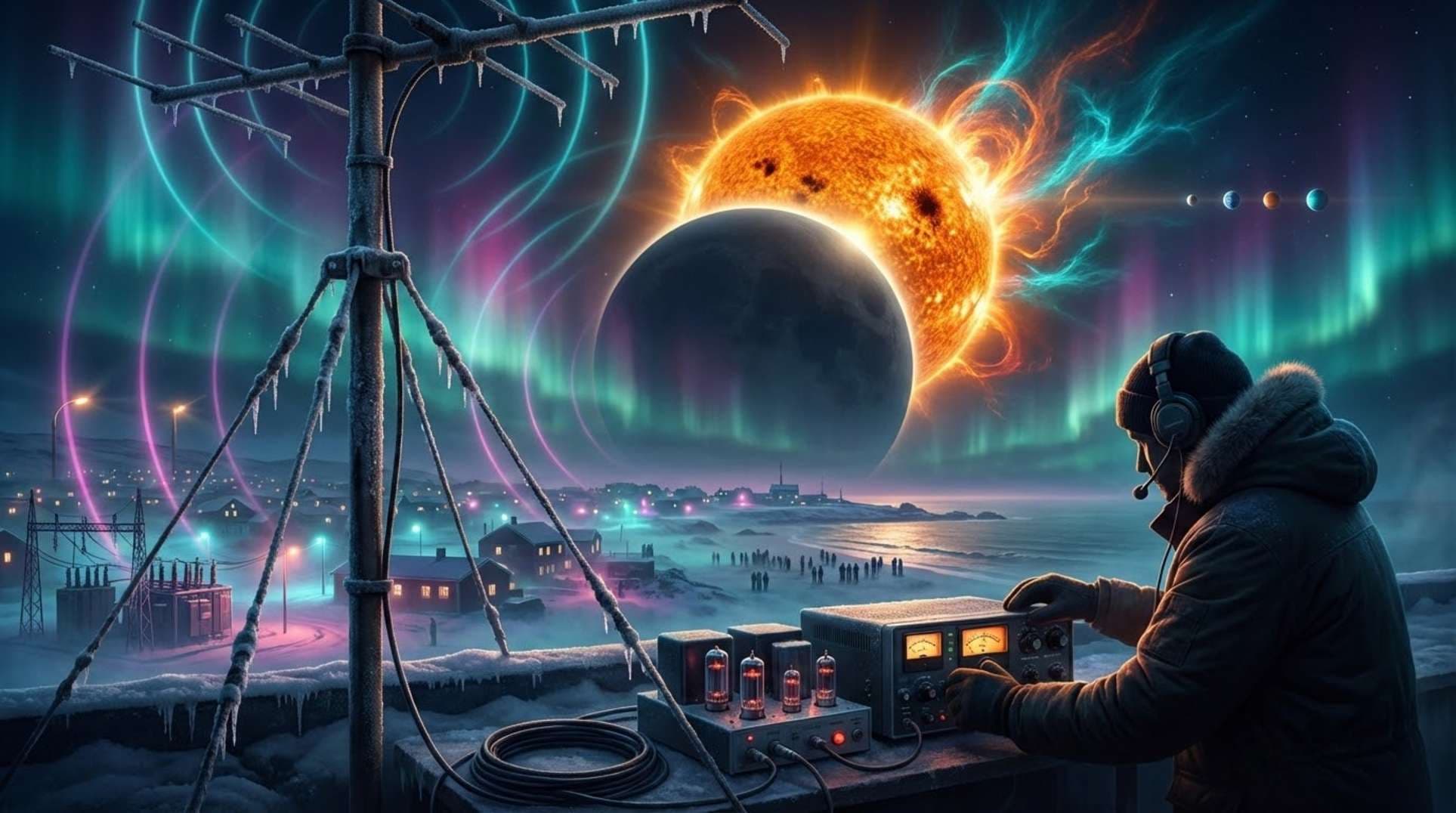
The late-January skies in 2026 carried a weight of expectation. As the New Moon anchored the calendar on January 18, watchers turned their eyes upward, scanning for signs. Social feeds buzzed with updates, midnight vigils for aurora sightings stretched into the cold hours, and community groups lit up with reports that mixed excitement and an undercurrent of unease.

Stefan Burns’ briefing on January 8 had set the stage, priming followers through his active channels to monitor the window around January 18, give or take two days. Reports poured in: aurora dancing in unexpected places, radio signals faltering, and personal accounts of shifting energies that left people restless.

What Witnesses and Analysts Report

In the words of those on the ground, this wasn’t just another solar uptick. Stefan Burns and his followers wove together solar imagery with terms like ‘Mercury cazimi’ and planetary conjunctions or oppositions, predicting amplified effects tied to the January 18 New Moon. They argued these alignments could stir the sun’s activity, leading to stronger impacts here on Earth.

Amateur trackers on platforms like SpaceWeatherLive, SolarHam, and SolarMonitor shared timelines of sunspot growth, flare outbursts, and geomagnetic shifts throughout early January. Anecdotal logs from the community described aurora sightings that painted the skies, degradation in shortwave radio communications, and even subjective effects on health and energy levels—reports gathered from forums, not formal studies, but shared with conviction.

Timelines, Tracks, and Hard Data

Let’s pin this down with the instruments. The New Moon hit on January 18, 2026, per TheSkyLive and CHANI records. NOAA’s SWPC put out G1–G2 geomagnetic watches for January 1–3, and logs from SolarHam and SpaceWeatherLive captured a K-index spike to 6 around January 10.

Active regions like AR 4336 and NOAA 13664 drew attention, tracked across solar rotations with forecasts highlighting their potential. Data streams tell the story: GOES X-ray flux for flares, SOHO/LASCO coronagraphs for CMEs, SDO imagery for sunspot details, and ACE/DSCOVR for solar wind and IMF readings. SWPC daily bulletins round it out.

To match claims, check the SOHO/LASCO CME catalog for January 15–20; look for Earth-directed ejections timed to arrive near January 18, plus or minus two days.

Date/Time (UTC)EventActive RegionData SourceEarth-Directed?
Jan 1–3, 2026G1–G2 geomagnetic watchesN/ANOAA SWPCN/A
~Jan 10, 2026K-index up to 6N/ASolarHam/SpaceWeatherLiveN/A
Early Jan 2026Sunspot evolution/flaresAR 4336/NOAA 13664SDO/GOESTo be verified via LASCO

Official Story vs. What the Data Suggests

Agencies like NOAA and NASA stick to magnetic complexity in active regions as the driver for flares and CMEs—reconnections sparked by internal solar forces, with watches issued based on X-ray fluxes, CME detections, and solar wind data.

Mainstream views dismiss planetary alignments as triggers; no accepted mechanism links them to solar events, keeping it on the fringe. Yet both sides draw from the same tools: GOES, SOHO, SDO, ACE/DSCOVR. Where instruments log activity, community reports of aurora and radio glitches often sync up in timing.

The split comes in interpretation—ideas like Mercury cazimi activating Pluto or Jupiter energies lack backing in standard models. To settle it, test for an Earth-directed CME around January 18 against the CME catalog and ACE/DSCOVR arrivals.

Where the Evidence Stops and the Questions Start

Correlation isn’t causation, and that’s the gap here. Did a CME from January 15–20 have the right speed and direction to hit Earth near the 18th? The SOHO/LASCO catalog and ACE/DSCOVR solar wind data hold the answers.

Beyond tech disruptions like aurora or HF issues, claims of broader terrestrial effects—say, earthquake links—stay controversial, without routine acceptance in reviewed studies.

For verification, pull SWPC bulletins from January 15–20, LASCO CME entries, GOES X-ray plots, and ACE/DSCOVR Bz and speed logs. Match them to reports. When sharing community anecdotes, flag them as such, and note if instruments back them or not.

What It All Might Mean

January 2026 brought real solar heat: NOAA watches, K-index jumps, and enduring active regions make flare and CME risks credible.

But tying it to planetary alignments? Mainstream physics points to the sun’s own magnetic churn, not celestial geometry.

Still, G-scale storms deliver aurora, radio blackouts, and threats to sats and grids—matching reports to data builds understanding, even if the alignment angle stays open. It keeps the dialogue alive between fringe patterns and hard facts, reminding us the sky holds more questions than answers.

Frequently Asked Questions

The New Moon occurred on that date, amid reports of heightened solar activity. Community observers noted aurora sightings, radio interference, and subjective energy shifts, tied to a proposed triple convergence by analyst Stefan Burns.

Instrument records from SOHO/LASCO and ACE/DSCOVR need checking for CMEs launched January 15–20 with timing to arrive near January 18. Community reports align with geomagnetic disturbances, but causation to planetary geometry remains unproven.

NOAA and NASA attribute solar events to internal magnetic processes, not alignments. Communities see potential links to planetary geometry, though both use the same data sources like GOES and SDO for observations.

Verified effects include aurora and HF radio degradation during G-scale storms. Anecdotal health or energy reports from communities lack peer-reviewed support, and broader claims like geophysical triggering are controversial.

It highlights patterns in solar activity that affect Earth, from tech disruptions to auroral displays. For trackers of anomalies, it bridges official data with alternative interpretations, sparking ongoing investigation.