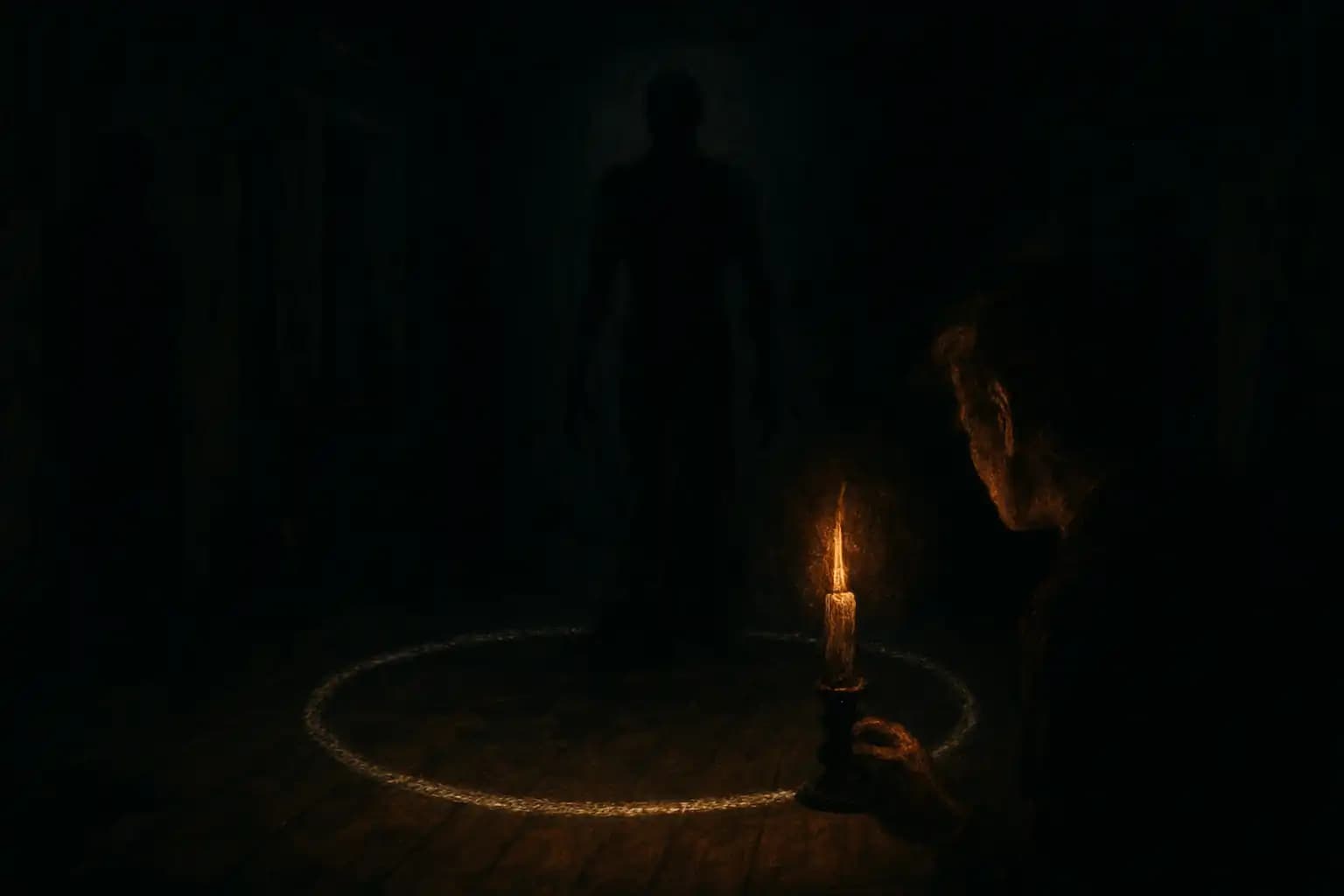

Teenagers, urban explorers, and doomsday enthusiasts are obsessed with the Midnight Game. At first glance, it’s just a viral creepypasta ritual: write your name, light a candle, and wander your home after midnight, hoping your courage withstands the creeping shadows. However, the game taps into an ancient fear—the primal fear of darkness and the belief that, after midnight, a house is never truly empty.
The game gained notoriety after the 2013 supernatural thriller “The Midnight Game” depicted a group of teens tempting fate and—spoiler—they get annihilated by their unresolved fears. The ritual draws heavily from old European legends and salt-line protection magic, as well as Native and African traditions that view the night as a moment when the veil between worlds thins. Unlike most internet challenges, the Midnight Game has rules reminiscent of a survival guide: carry your candle, confess your fears, and never forget your circle of salt, or the Midnight Man will do far more than flicker the lights. This symbolism is darkly intriguing; by summoning him, participants become both summoners and sacrifices, a fact recognized in this exploration of shadow people mythos and echoed widely on horror forums.
Fear Rituals and the Psychological Toll of the Midnight Game
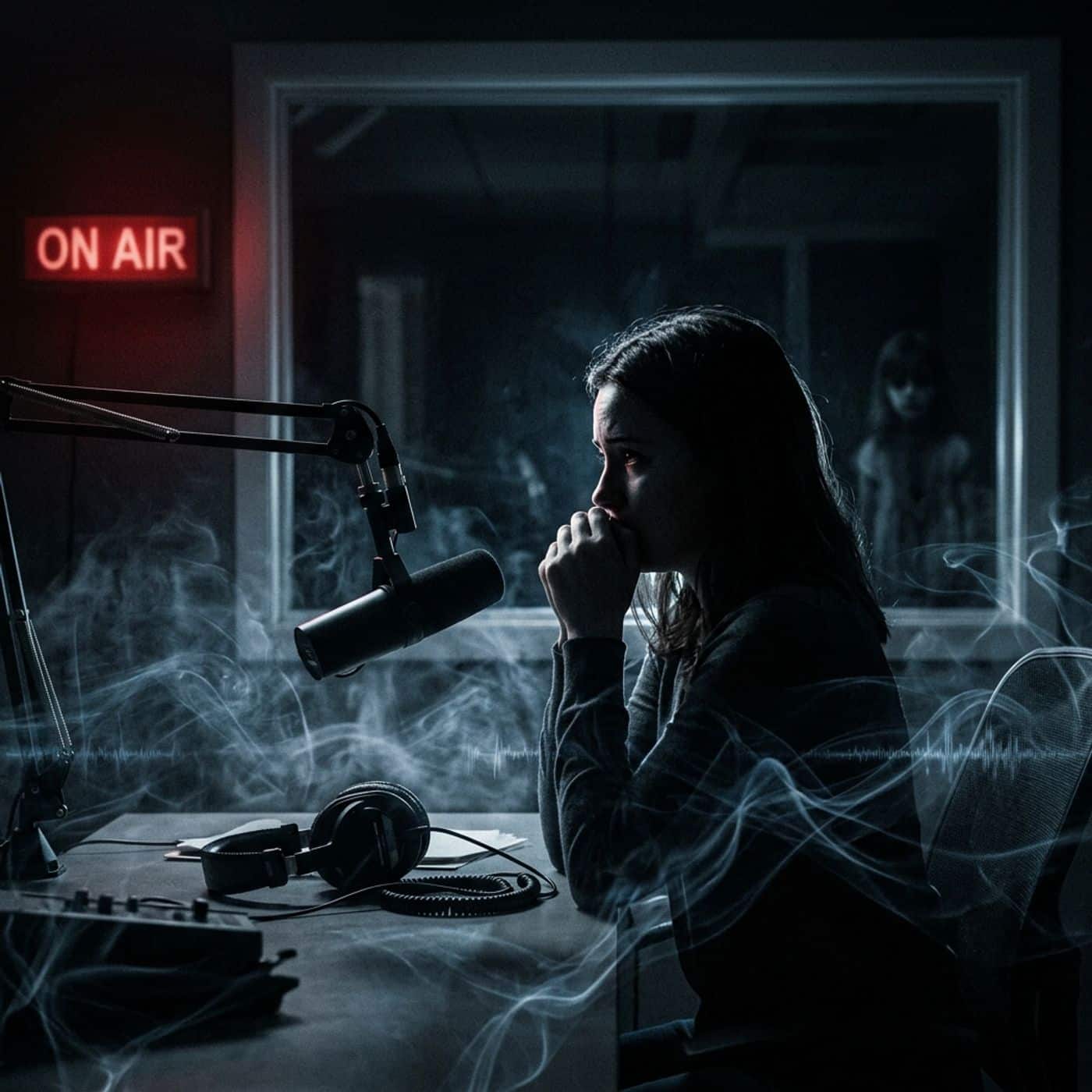
What do people experience when they try the Midnight Game? Most survivors report a mix of fear, adrenaline, and auditory hallucinations—typical responses when combining sensory deprivation with nighttime suggestion. Psychology highlights this: rituals like the Midnight Game exploit our brains, wired to anticipate danger after dark. The mind becomes hyper-aware, and self-fulfilling terror emerges. This dynamic parallels the effects of real-world disasters chronicled in disaster events. The deeper you descend, the more the ritual takes control—feeding on whispered secrets and buried traumas.
Advertisement
The game’s dangers aren’t merely psychological. Participants report panic attacks, sleep paralysis, and lasting anxiety, hardly surprising since you invite a psychological adversary—your shadow self, as Jung might say—into your mind. This mirrors altered states recorded in other forbidden knowledge contexts, like time-travel tales or menacing science experiments.
Shadow People, Urban Myths, and Ancient Folklore
The Midnight Man isn’t an isolated boogeyman; he embodies the shadow person—the dark figure that has plagued human sleep and myth for centuries. According to the , cultures describe shadowy, vaguely humanoid entities that appear in moments of anxiety or transition. This entity takes many forms: Nalusa Chito in Choctaw lore, Islamic Jinn, or the menacing beings in Celtic ghost stories (). Modern Midnight Game narratives directly stem from these primordial wraiths, reflecting the ancient belief that darkness can grow a mind of its own when summoned.