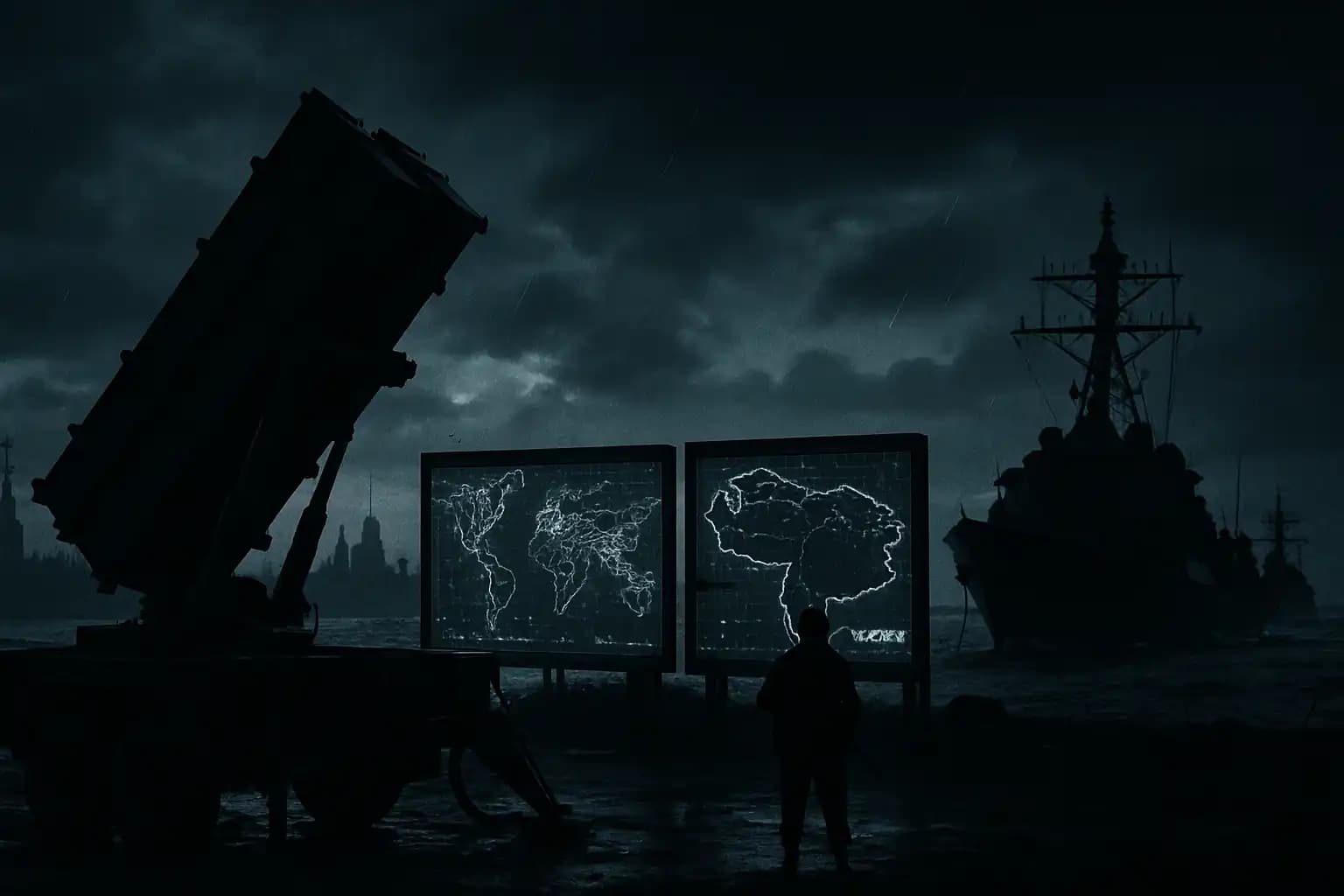

The Pentagon’s long-awaited approval to transfer Tomahawk missiles alarmed political leaders and social media users worldwide. As tensions between Washington and Moscow escalate into kinetic conflict from Ukraine to Venezuela, blackouts and cyber threats define 21st-century warfare. If anything calls for skepticism, it’s now (CNN).
White House Lockdown and Tomahawk Approval: A Geopolitical Flashpoint
In late October 2025, three U.S. and European officials confirmed the Pentagon had given the White House clearance to supply Ukraine with long-range Tomahawk missiles. President Trump hesitated due to U.S. stockpile needs, yet the decision coincided with a call to Russian President Vladimir Putin. Putin warned that any transfer could target Russian cities, including Moscow. Kremlin spokesperson Dmitry Peskov labeled it “a dramatic moment that risks escalation among all parties.” For Europe and the U.S., the Tomahawk serves as a strategic weapon—details on its capabilities are available in the Tomahawk’s history—for battlefield leverage and as a bargaining chip in grand strategy. The saber-rattling echoes previous conflict analysis reports and incidents described in covert incident briefings.
Moscow Blackout: Cyberattack Fears and the Battle for Control
Recent missile diplomacy coincided with a significant blackout in Moscow, attributed to drone attacks on power substations in late October. According to UNN reports, parts of the region lost power, with no immediate government comment. Analysts and cyber experts see overlapping regional blackouts—some coinciding with cyber activity in Europe and Asia—as potential signs of multi-front cyberwarfare. A detailed breakdown of infrastructure threats and tactics can be found in industry cybersecurity reviews. These outages echo warnings from recent energy vulnerability case studies and align with strategic disruption scenarios in military drill reports.
Advertisement