Piecing Together the Black Dahlia Murder After Decades
True Crime
Piecing Together the Black Dahlia Murder After Decades
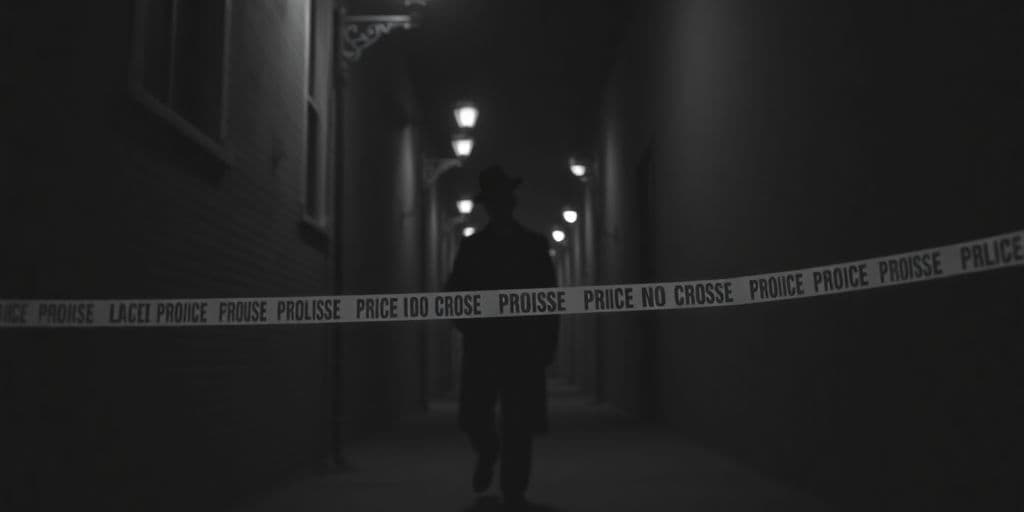
The Black Dahlia Murder, involving the tragic death of Elizabeth Short, remains one of the most infamous unsolved cases in American history. Discovered in 1947, the brutal nature of her murder shocked the nation and…
Art Grindstone is the hard-nosed storyteller behind Unexplained.co, a veteran investigator whose life’s work sits at the crossroads of the paranormal, fringe science, and the shadows most people try not to look into. With decades spent chasing impossible stories — black-budget psychic programs, vanished Cold War experiments, desert rituals that sparked UFO waves, and the strange phenomena buried in America’s forgotten backroads — Art brings a rare combination of skepticism, awe, and journalistic precision. He’s not here to debunk. He’s not here to blindly believe. He follows the evidence wherever it leads — even when it leads someplace deeply uncomfortable. Known for his immersive, cinematic style and his ability to turn obscure research into gripping narrative, Art has built a devoted following across podcasts, long-form features, documentaries, and serialized investigations. His interviews are direct. His analysis is unflinching. His voice has become a staple in the modern paranormal renaissance — the guy people turn to when a story is too strange, too complex, or too dangerous for anyone else to touch. Off-mic, Art works with a distributed network of researchers, archivists, and field operatives who help surface the stories mainstream media ignores. On-mic, he transforms their findings into meticulous, high-impact reporting that refuses to insult the intelligence of true believers. His philosophy is simple: Take the phenomenon seriously. Treat the audience with respect. Tell the story as if the world depends on it — because sometimes it does. When Art Grindstone digs into a case, he isn’t just chasing a mystery. He’s tracing the fault lines of reality itself.
6 min · 1,448 words
In This Report(22)
The Black Dahlia Murder, involving the tragic death of Elizabeth Short, remains one of the most infamous unsolved cases in American history. Discovered in 1947, the brutal nature of her murder shocked the nation and sparked a media frenzy. Over the decades, many theories and suspects have emerged, but the case continues to baffle investigators and captivate the public’s imagination.
Key Takeaways
Elizabeth Short, known as the Black Dahlia, was found murdered in Los Angeles in 1947, and her case remains unsolved.
The investigation involved numerous suspects and theories, but no one has ever been charged with her murder.
The Black Dahlia Murder has significantly influenced popular culture, inspiring books, movies, and documentaries.
The Gruesome Discovery of Elizabeth Short
A Chilling Morning in Los Angeles
It was just a regular day in Los Angeles on January 15, 1947, until someone stumbled upon a sight that would haunt the city forever. Elizabeth Short’s body was found in a vacant lot, cut in half and drained of blood. The gruesomeness of the scene was something straight out of a horror movie. Her body was so cleanly cut and posed in such a way that it seemed like the work of a twisted artist. This wasn’t just a murder; it was a spectacle.
Advertisement
The Mutilated Body and Its Posed State
The condition of Elizabeth’s body was beyond shocking. It was like someone had taken their time, planning every detail. Her face was slashed, and the body was posed with arms raised, like some kind of morbid display. Whoever did this was not in a hurry, that’s for sure. They wanted their work to be seen, to be talked about.
Public Reaction to the Horrific Crime
When the news hit the streets, people couldn’t believe what they were hearing. The crime was all over the papers, and folks were scared, curious, and disgusted all at once. It was like something out of a nightmare, and everyone had their own theory about who could have done such a thing. The murder of Elizabeth Short, known as the Black Dahlia, became a story that would never quite leave the public’s mind, feeding into a frenzy of fear and fascination that still lingers today.
The discovery of Elizabeth Short’s body wasn’t just a crime; it was the beginning of one of America’s most infamous unsolved mysteries. The details were so chilling, they left a permanent mark on the city and its people.
The Pentagon Released More UAP Files—but Not the Data Needed to Solve Them
The Pentagon’s fifth UAP release reveals cold orbs and a giant triangle—but missing sensor data keeps its strangest cases unresolved and untested.
Aug 17, 2026 • 10 min read
Cryptozoology
The Deep Sea Sphere: 1990s SCUBA Divers Filmed Something in the Bahamas That Still Defies Classification
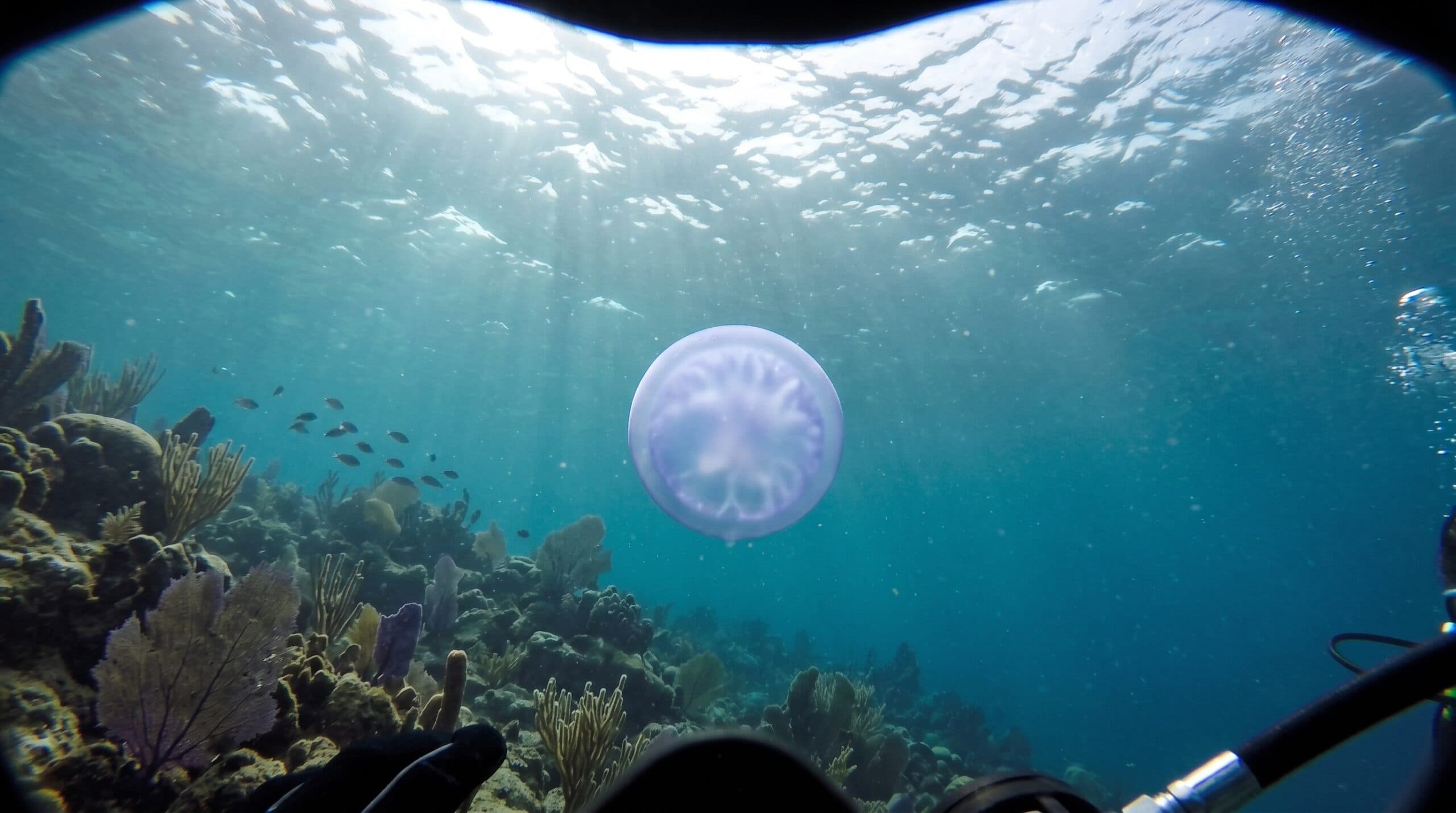
A clip from the 1990s shows SCUBA divers encountering a strange, perfectly spherical creature in the Bahamas. Decades later, the footage is resurfacing — and cryptid researchers, marine biologists, and UAP watchers all have different theories about what it is.
May 14, 2026 • 6 min read
Strange History
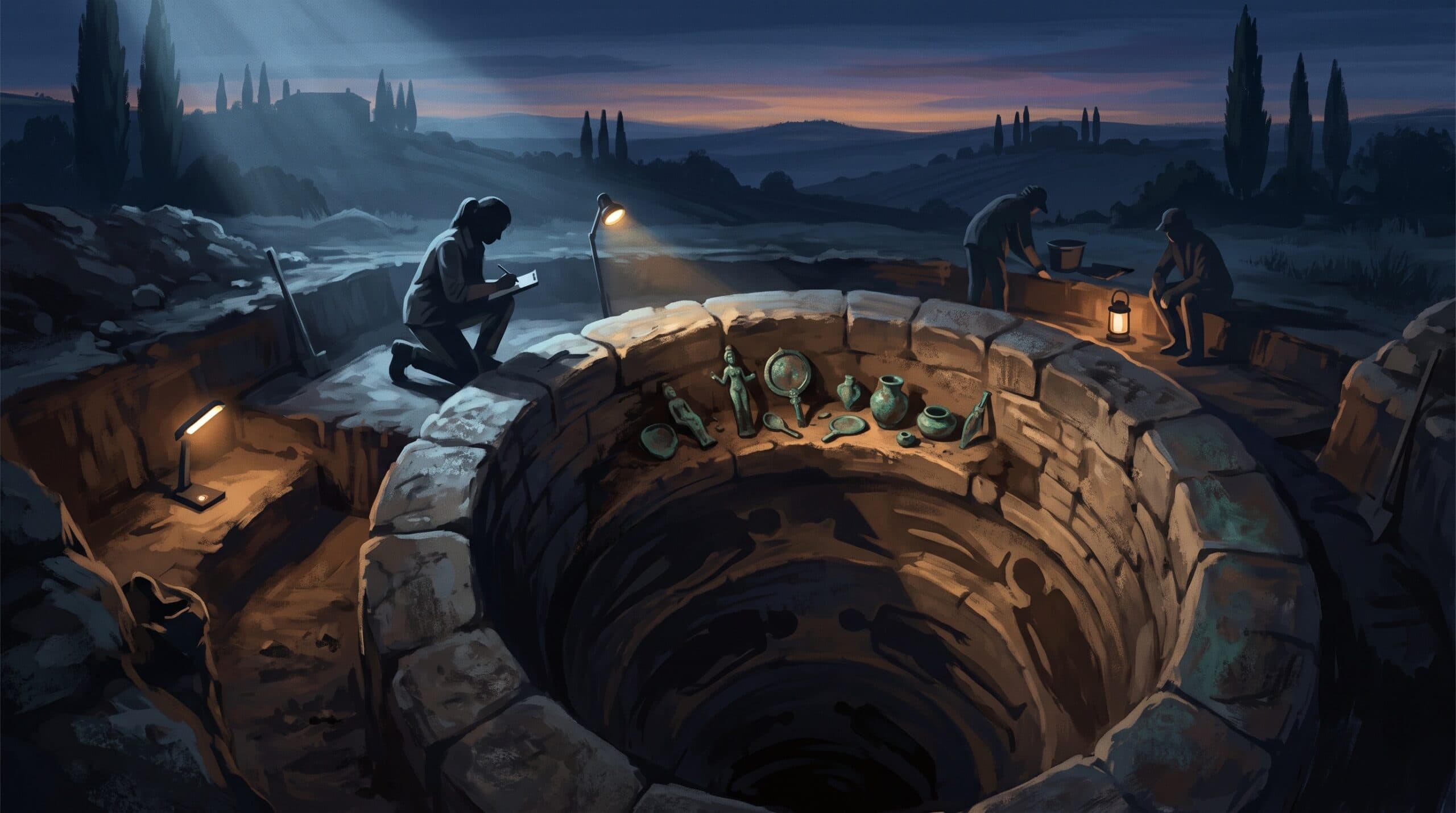
The Etruscan Well Sealed With Human Remains Is Stranger Than a Sacrifice Story
A newly reported Etruscan well in Italy was opened with offerings and sealed with human remains. The evidence reveals a ritual mystery, not a simple sacrifice tale.
Aug 18, 2026 • 7 min read
The Investigation and Theories That Followed
The Hunt for the Black Dahlia’s Killer
After Elizabeth Short’s body was found, the LAPD launched a massive hunt for her killer. The investigation was intense, with detectives working around the clock. They sifted through piles of evidence and chased countless leads. Despite their efforts, the case quickly turned into a tangled web of confusion. The police were overwhelmed with false confessions, with over 50 people claiming responsibility for the murder. This only added to the chaos, making it hard to separate fact from fiction.
Suspects and Dead Ends
The list of suspects was long and winding. At one point, it seemed like everyone in Los Angeles was a suspect. From drifters to doctors, the police interviewed a wide range of individuals. But every promising lead seemed to hit a dead end. One of the most talked-about suspects was Dr. George Hodel, a man with a dark past and a questionable alibi. Despite the suspicion, no concrete evidence ever linked him to the crime.
Theories: From Serial Killers to Hollywood Ties
Theories about the Black Dahlia case are as varied as they are numerous. Some believe she was the victim of a serial killer who preyed on young women. Others think her murder was a result of Hollywood’s dark underbelly, where dreams often turned into nightmares. Then there are those who suggest more outlandish ideas, like secret societies or government conspiracies. Each theory adds a layer of intrigue to a case that has baffled experts for decades.
The stories of JonBenét Ramsey and Elizabeth Short, known as the Black Dahlia, highlight the enduring fascination with unsolved true crime cases. These mysteries continue to captivate the public, reminding us of the darker side of human nature and the complexities of crime and justice.
The Enduring Legacy of the Black Dahlia
Impact on Popular Culture
The Black Dahlia case is like that chilling ghost story you can’t shake off. It’s not just a murder mystery—it’s become this symbol of Hollywood’s dark side. From novels to films, the story of Elizabeth Short keeps popping up, reminding us of the secrets lurking in Tinseltown’s shadows.
Books, Movies, and TV Shows Inspired by the Case
Over the years, the Black Dahlia’s story has inspired a whole bunch of creative works. Here’s a quick look:
Advertisement
Books: Tons of novels and non-fiction books have been written, each trying to crack the case or at least give a new spin on it.
Movies: Films like "The Black Dahlia" dive deep into the mystery, blending fact with fiction.
TV Shows: Crime shows love to reference the case, often using it as a backdrop for their own stories.
The Black Dahlia’s Place in True Crime Lore
The Black Dahlia murder is a haunting reminder of the unsolved crimes that still baffle investigators, leaving behind a trail of questions and intrigue.
In the world of true crime, the Black Dahlia is like the ultimate cold case. It’s one of those unsolved mysteries that keeps people guessing. Whether you’re a detective or just a curious mind, the case pulls you in, challenging you to piece together what really happened back in 1947. It’s the kind of story that makes you wonder about the line between truth and legend.
Alright, so here’s the deal. Over the years, science has come a long way, right? New forensic techniques are like the superheroes of crime-solving. DNA analysis, once a pipe dream, now helps crack cases wide open. Think about it: a tiny hair or a drop of blood can tell a whole story. Investigators today have tools that the detectives back in the day could only dream of. It’s like comparing a typewriter to a smartphone.
The Role of Media in Shaping the Narrative
The media, man, they can really spin a tale. Back when the Black Dahlia case broke, newspapers were all over it. They painted pictures of suspects, theories, and whatnot. But here’s the kicker: the media frenzy often led to more confusion than clarity. Today, with social media and 24/7 news cycles, the story keeps evolving. The way media shapes these narratives can make or break public perception.
Why the Case Still Captivates the Public
So why are we still talking about the Black Dahlia? It’s like this unsolved puzzle that keeps pulling us back in. Maybe it’s the mystery, or maybe it’s how the story connects with other unsolved murder cases. There’s something about these lingering questions that makes us want to know more. It’s like a book with the last chapter missing. People love a good mystery, and this one? It’s one of the biggest.
The Enduring Enigma of the Black Dahlia
As we close the chapter on the Black Dahlia, the mystery of Elizabeth Short’s tragic fate lingers like a shadow over Los Angeles. Decades have passed since that fateful day in 1947 when her life was cut short, yet the questions remain unanswered. Who was responsible for such a heinous act? Why has justice eluded her? The case has sparked countless theories and discussions, but the truth remains hidden, wrapped in layers of secrecy. The Black Dahlia continues to captivate our imagination, a haunting reminder of the darkness that can dwell within humanity. As we ponder this chilling tale, we are left with a sense of unease, knowing that some mysteries may never be solved.
Frequently Asked Questions
Who was Elizabeth Short?
Elizabeth Short, known as the Black Dahlia, was a young woman found murdered in Los Angeles in 1947. Her case is one of the most famous unsolved murders in American history.
What happened to Elizabeth Short?
Elizabeth Short was brutally murdered, and her body was discovered in two parts in a vacant lot. The nature of her death shocked the public and led to a massive investigation.
Why is the Black Dahlia case still important today?
The Black Dahlia case remains significant because it highlights the dark side of fame and continues to intrigue people, inspiring books, movies, and discussions about unsolved mysteries.
Art Grindstone is the hard-nosed storyteller behind Unexplained.co, a veteran investigator whose life’s work sits at the crossroads of the paranormal, fringe science, and the shadows most people try not to look into. With decades spent chasing impossible stories — black-budget psychic programs, vanished Cold War experiments, desert rituals that sparked UFO waves, and the strange phenomena buried in America’s forgotten backroads — Art brings a rare combination of skepticism, awe, and journalistic precision. He’s not here to debunk. He’s not here to blindly believe. He follows the evidence wherever it leads — even when it leads someplace deeply uncomfortable. Known for his immersive, cinematic style and his ability to turn obscure research into gripping narrative, Art has built a devoted following across podcasts, long-form features, documentaries, and serialized investigations. His interviews are direct. His analysis is unflinching. His voice has become a staple in the modern paranormal renaissance — the guy people turn to when a story is too strange, too complex, or too dangerous for anyone else to touch. Off-mic, Art works with a distributed network of researchers, archivists, and field operatives who help surface the stories mainstream media ignores. On-mic, he transforms their findings into meticulous, high-impact reporting that refuses to insult the intelligence of true believers. His philosophy is simple: Take the phenomenon seriously. Treat the audience with respect. Tell the story as if the world depends on it — because sometimes it does. When Art Grindstone digs into a case, he isn’t just chasing a mystery. He’s tracing the fault lines of reality itself.