Putin's War Warning: Rhetoric or Real NATO Showdown?
World War 3
Putin’s War Warning: Rhetoric or Real NATO Showdown?
Key Takeaways Vladimir Putin’s statement on 2 December 2025, declaring Russia “ready” for war if Europe wanted one, escalated tensions amid NATO’s visible preparations like the Steadfast Defender exercise involving…
Art Grindstone is the hard-nosed storyteller behind Unexplained.co, a veteran investigator whose life’s work sits at the crossroads of the paranormal, fringe science, and the shadows most people try not to look into. With decades spent chasing impossible stories — black-budget psychic programs, vanished Cold War experiments, desert rituals that sparked UFO waves, and the strange phenomena buried in America’s forgotten backroads — Art brings a rare combination of skepticism, awe, and journalistic precision. He’s not here to debunk. He’s not here to blindly believe. He follows the evidence wherever it leads — even when it leads someplace deeply uncomfortable. Known for his immersive, cinematic style and his ability to turn obscure research into gripping narrative, Art has built a devoted following across podcasts, long-form features, documentaries, and serialized investigations. His interviews are direct. His analysis is unflinching. His voice has become a staple in the modern paranormal renaissance — the guy people turn to when a story is too strange, too complex, or too dangerous for anyone else to touch. Off-mic, Art works with a distributed network of researchers, archivists, and field operatives who help surface the stories mainstream media ignores. On-mic, he transforms their findings into meticulous, high-impact reporting that refuses to insult the intelligence of true believers. His philosophy is simple: Take the phenomenon seriously. Treat the audience with respect. Tell the story as if the world depends on it — because sometimes it does. When Art Grindstone digs into a case, he isn’t just chasing a mystery. He’s tracing the fault lines of reality itself.
5 min · 1,141 words
In This Report(7)
Key Takeaways
Vladimir Putin’s statement on 2 December 2025, declaring Russia “ready” for war if Europe wanted one, escalated tensions amid NATO’s visible preparations like the Steadfast Defender exercise involving around 90,000 troops and forward battlegroups on the eastern flank.
Strongest evidence includes Reuters reporting of Putin’s remark, NATO’s public designation of Russia as the most significant direct threat, and institutional analyses from ISW and Atlantic Council highlighting Russian capability gaps despite reconstitution efforts.
Unresolved questions focus on whether this is genuine intent or rhetorical posturing, Russia’s capacity for sustained operations against NATO, and the origins of social media incidents—state-directed, opportunistic, or misattributed.
A Cold Night and a War-Ready Phrase
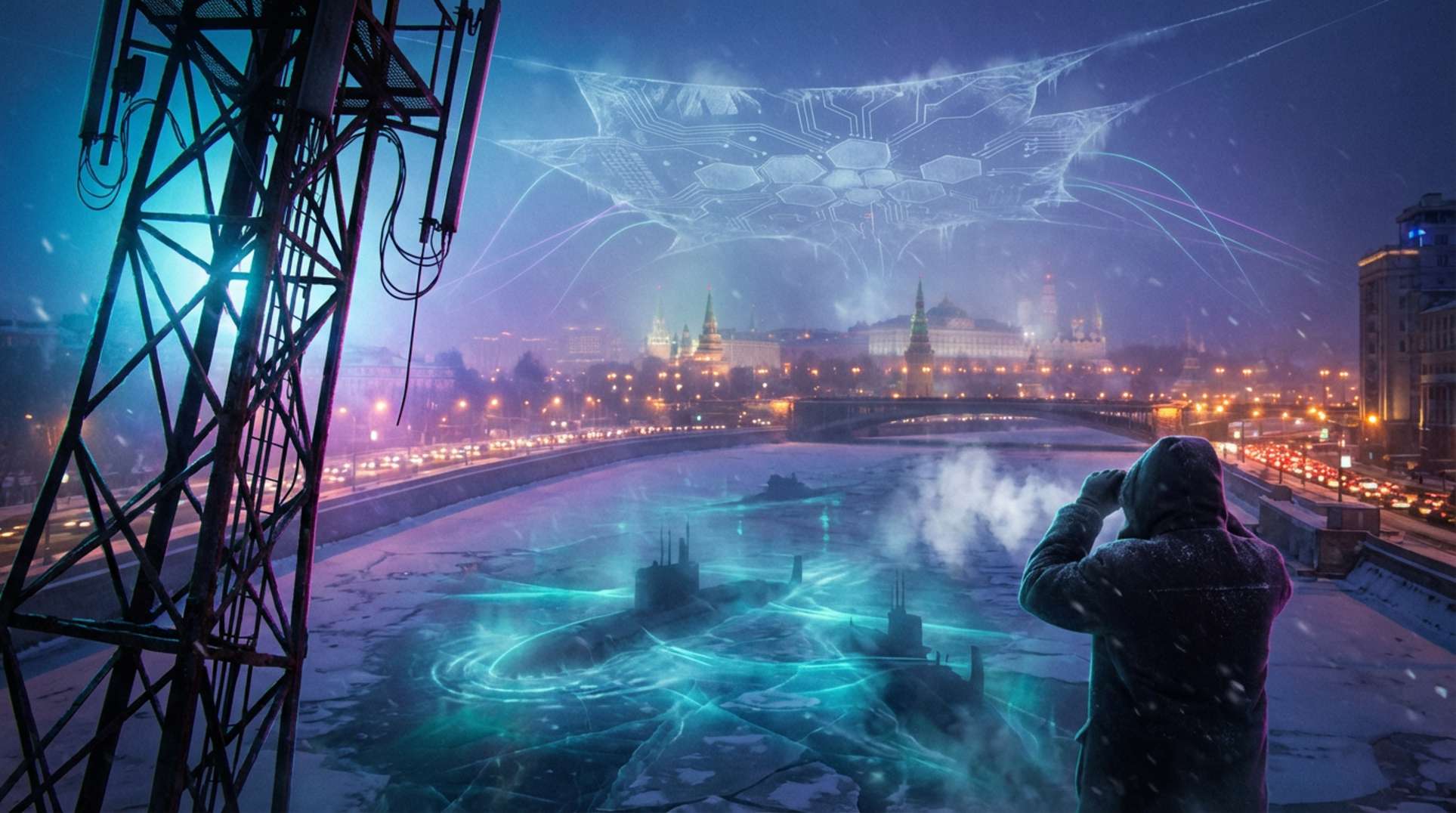
Picture a chill settling over Moscow on 2 December 2025, as Vladimir Putin delivers his line: Russia is “ready” for war if Europe wants one. The words hit the wires via Reuters, spreading like frost across screens in Berlin, Warsaw, and beyond. Europe woke to a split reaction—some saw it as the spark of imminent conflict, others as calculated bluff, a diplomatic shove. In our circles, those tracking security edges and anomalous events, the buzz was immediate. Telegram channels and local feeds erupted with speculation, blending fear with sharp-eyed questions about what lay beneath the surface. The mood? A tense watchfulness, like waiting for shapes to form in the fog.
What Witnesses and Analysts Report
From the ground up, reports have been piling in. Witnesses in the Baltic and Black Sea regions describe undersea anomalies—unexplained disturbances that some tie to sabotage. Cyber intrusions have spiked too, with local reporters noting patterns that echo state-level ops. Isolated incidents, like disrupted infrastructure, surfaced through 2024 and into 2025, shared in community forums as potential markers of bigger plays.
Analysts point to Telegram’s role here. Open-source pieces from Euronews, SLDInfo, and MIT Technology Review detail how the platform hosts recruitment drives and influence campaigns linked to Russian interests. These aren’t just whispers; they’re documented threads pulling at the fabric of information warfare.
Advertisement
Yet, context matters. Independent researchers note that Kremlin rhetoric often surges around diplomatic pivots or home-front politics. When interpreting Putin’s December 2025 comment, community voices treat these spikes as data, weighing them against firsthand accounts without rushing to judgment. It’s a mosaic—respect the pieces, question the picture.
Did Putin really say Russia is ready for war?
What evidence supports NATO’s preparations?
Are the community-reported incidents linked to Russia?
How did officials respond to Putin’s statement?
What should we watch for next?
Frequently Asked Questions
Did Putin really say Russia is ready for war?
Yes, on 2 December 2025, Vladimir Putin publicly stated that Russia was "ready" for war if Europe wanted one, as reported by Reuters. This remark amplified quickly across media, sparking debates on whether it was a genuine threat or rhetorical signaling.
What evidence supports NATO's preparations?
NATO's actions include the Steadfast Defender exercise with about 90,000 troops announced in 2024, and eight multinational battlegroups on the eastern flank. They have publicly called Russia the most significant direct threat and condemned cyber activities attributed to Russian military intelligence in July 2025.
Are the community-reported incidents linked to Russia?
Reports of cyber intrusions, undersea anomalies, and sabotage-style events have surfaced in 2024–2025, with some tied to Russian interests via platforms like Telegram. However, open questions remain about which are state-directed versus opportunistic or misattributed, as noted by analysts.
How did officials respond to Putin's statement?
Responses were mixed: some officials labeled it as rhetoric or bluff, while others called for increased vigilance and support for Ukraine, according to coverage in Reuters and the Guardian. NATO maintained it does not seek confrontation but has strengthened defenses.
What should we watch for next?
Monitor reserve mobilization notices, spikes in rail and transport logistics, changes in stockpiles, unit deployments, intelligence leaks, cyber patterns, and verified troop movements. These could indicate if rhetoric is shifting toward action.
The Sandia Quantum Scientist Who Vanished: Ingrid Lane’s Double Life and the Mystery No One Solves
Ingrid Lane lived a double life — bipolar musician to the world, Sandia National Laboratories quantum computing scientist underneath. Then she disappeared. The story is a fixation in high-strangeness communities.
May 14, 2026 • 7 min read
Strange History
The 4,000-Year-Old Tablet Nobody Can Explain
An intact 4,000-year-old tablet from northern Italy carries geometric signs no one can read. Its real mystery may be the network behind it.
Aug 18, 2026 • 7 min read
Strange History
The Etruscan Well Sealed With Human Remains Is Stranger Than a Sacrifice Story
A newly reported Etruscan well in Italy was opened with offerings and sealed with human remains. The evidence reveals a ritual mystery, not a simple sacrifice tale.
Aug 18, 2026 • 7 min read
Timelines, Tracks, and Hard Data
To cut through the noise, let’s anchor to what’s verifiable. Putin’s exact words came on 2 December 2025: Russia is “ready for war if Europe wants one,” as reported by Reuters. NATO’s response has been building— the Steadfast Defender exercise, announced in 2024, involved about 90,000 troops. Their posture includes eight multinational battlegroups on the eastern flank, with public statements calling Russia the most significant direct threat.
Numbers tell part of the story. NATO’s combined active personnel sits around 3.4 million, dwarfing Russia’s 1.3 to 1.5 million, based on 2024-2025 snapshots from Statista and Visual Capitalist. Cyber fronts are active too: in July 2025, NATO publicly condemned malicious activities attributed to Russian military intelligence.
Institutional takes from ISW and the Atlantic Council highlight Russia’s reconstitution push but flag logistics and capability gaps, with timelines shrouded in uncertainty.
Date
Event/Statement
Source
Why It Matters
2024
NATO Steadfast Defender exercise announced (~90,000 troops)
Reuters
Signals heightened readiness and deterrence against perceived threats.
July 2025
NATO condemns cyber activity attributed to Russian military intelligence
NATO official text
Highlights ongoing hybrid threats and attributes them directly.
2 December 2025
Putin states Russia is “ready for war if Europe wants one”
Reuters
Escalates rhetoric, prompting questions on intent versus signaling.
2024–2025
Russian reconstitution efforts with noted capability gaps
ISW, Atlantic Council
Reveals potential limits on sustaining large-scale operations.
Official Story vs. What the Data Suggests
Officials paint a steady picture. NATO insists it doesn’t seek confrontation but stands firm, bolstering defenses through battlegroups and exercises while labeling Russia the top threat. Government responses varied in the press—Reuters and the Guardian captured some dismissing Putin’s words as bluff, others pushing for more Ukraine aid and vigilance.
Data backs parts of this: hard metrics on troop numbers and exercises support the deterrence claim. But analysts from ISW and the Atlantic Council add layers, noting Russia’s rebuild faces real hurdles in logistics and organization—timelines aren’t clear-cut.
Community takes diverge. Some channels read the rhetoric as a live wire, a true threat signal. Others see it as domestic theater or bargaining chip, shaped by past patterns. Where officials downplay, these interpretations spotlight gaps—speculation fills them, but evidence sets the bounds. It’s a push-pull: trust the anchors, probe the shadows.
What It All Might Mean
Boil it down: Putin’s 2 December 2025 statement stands as a verifiable flashpoint, matched by NATO’s exercises, battlegroups, and documented cyber ops tied to influence campaigns. These are the solid threads.
Questions linger. Is this intent or just words? Can Russia sustain multi-front pushes given logistics strains? What’s the line for NATO involvement? And how many of those social media incidents trace back to state actors versus lone wolves?
Watch these signs: reserve mobilization orders, jumps in rail and transport activity, shifts in ammunition stockpiles, forward unit deployments, intelligence leaks, cyber attack patterns, and confirmed sightings of troop movements. Track them closely—they could separate bluster from buildup.
This matters deeply. Misread rhetoric as action, and Europe faces needless panic; dismiss it, and preparations falter. For NATO, it’s about alliance strength; for eastern flank civilians, it’s daily reality. And for us tracking anomalies, it’s sorting signal from noise in a high-stakes game.
Frequently Asked Questions
Advertisement
Yes, on 2 December 2025, Vladimir Putin publicly stated that Russia was “ready” for war if Europe wanted one, as reported by Reuters. This remark amplified quickly across media, sparking debates on whether it was a genuine threat or rhetorical signaling.
NATO’s actions include the Steadfast Defender exercise with about 90,000 troops announced in 2024, and eight multinational battlegroups on the eastern flank. They have publicly called Russia the most significant direct threat and condemned cyber activities attributed to Russian military intelligence in July 2025.
Reports of cyber intrusions, undersea anomalies, and sabotage-style events have surfaced in 2024–2025, with some tied to Russian interests via platforms like Telegram. However, open questions remain about which are state-directed versus opportunistic or misattributed, as noted by analysts.
Responses were mixed: some officials labeled it as rhetoric or bluff, while others called for increased vigilance and support for Ukraine, according to coverage in Reuters and the Guardian. NATO maintained it does not seek confrontation but has strengthened defenses.
Monitor reserve mobilization notices, spikes in rail and transport logistics, changes in stockpiles, unit deployments, intelligence leaks, cyber patterns, and verified troop movements. These could indicate if rhetoric is shifting toward action.
Art Grindstone is the hard-nosed storyteller behind Unexplained.co, a veteran investigator whose life’s work sits at the crossroads of the paranormal, fringe science, and the shadows most people try not to look into. With decades spent chasing impossible stories — black-budget psychic programs, vanished Cold War experiments, desert rituals that sparked UFO waves, and the strange phenomena buried in America’s forgotten backroads — Art brings a rare combination of skepticism, awe, and journalistic precision. He’s not here to debunk. He’s not here to blindly believe. He follows the evidence wherever it leads — even when it leads someplace deeply uncomfortable. Known for his immersive, cinematic style and his ability to turn obscure research into gripping narrative, Art has built a devoted following across podcasts, long-form features, documentaries, and serialized investigations. His interviews are direct. His analysis is unflinching. His voice has become a staple in the modern paranormal renaissance — the guy people turn to when a story is too strange, too complex, or too dangerous for anyone else to touch. Off-mic, Art works with a distributed network of researchers, archivists, and field operatives who help surface the stories mainstream media ignores. On-mic, he transforms their findings into meticulous, high-impact reporting that refuses to insult the intelligence of true believers. His philosophy is simple: Take the phenomenon seriously. Treat the audience with respect. Tell the story as if the world depends on it — because sometimes it does. When Art Grindstone digs into a case, he isn’t just chasing a mystery. He’s tracing the fault lines of reality itself.