Russian False Flags: Is NATO the Next Target Setup? | Unexplained
Ancient Civilizations
Russian False Flags: Is NATO the Next Target Setup?
Key Takeaways from the False-Flag Fears Russia’s SVR has accused the UK, Poland, Ukraine, and others like Moldova of plotting false-flag attacks to pull NATO into a broader war, using foreign equipment to frame Russia…
Art Grindstone is the hard-nosed storyteller behind Unexplained.co, a veteran investigator whose life’s work sits at the crossroads of the paranormal, fringe science, and the shadows most people try not to look into. With decades spent chasing impossible stories — black-budget psychic programs, vanished Cold War experiments, desert rituals that sparked UFO waves, and the strange phenomena buried in America’s forgotten backroads — Art brings a rare combination of skepticism, awe, and journalistic precision. He’s not here to debunk. He’s not here to blindly believe. He follows the evidence wherever it leads — even when it leads someplace deeply uncomfortable. Known for his immersive, cinematic style and his ability to turn obscure research into gripping narrative, Art has built a devoted following across podcasts, long-form features, documentaries, and serialized investigations. His interviews are direct. His analysis is unflinching. His voice has become a staple in the modern paranormal renaissance — the guy people turn to when a story is too strange, too complex, or too dangerous for anyone else to touch. Off-mic, Art works with a distributed network of researchers, archivists, and field operatives who help surface the stories mainstream media ignores. On-mic, he transforms their findings into meticulous, high-impact reporting that refuses to insult the intelligence of true believers. His philosophy is simple: Take the phenomenon seriously. Treat the audience with respect. Tell the story as if the world depends on it — because sometimes it does. When Art Grindstone digs into a case, he isn’t just chasing a mystery. He’s tracing the fault lines of reality itself.
5 min · 1,222 words
In This Report(7)
Key Takeaways from the False-Flag Fears
Russia’s SVR has accused the UK, Poland, Ukraine, and others like Moldova of plotting false-flag attacks to pull NATO into a broader war, using foreign equipment to frame Russia and China—echoing patterns that make these claims stand out against a backdrop of historical precedents.
There’s a verified track record of Russia and the Soviet Union employing false-flag operations, from the 1939 Mainila shelling to alleged 2022 plots in Ukraine and disguised cyber ops, which adds weight to the idea that these accusations might be more than just noise.
Still, no hard public evidence exists for an imminent Russian false-flag strike on NATO; what we see is a pattern of Moscow pointing fingers in ways that could lay groundwork for their own moves, leaving open questions about escalation risks.
Autumn Warnings on a Fractured Continent
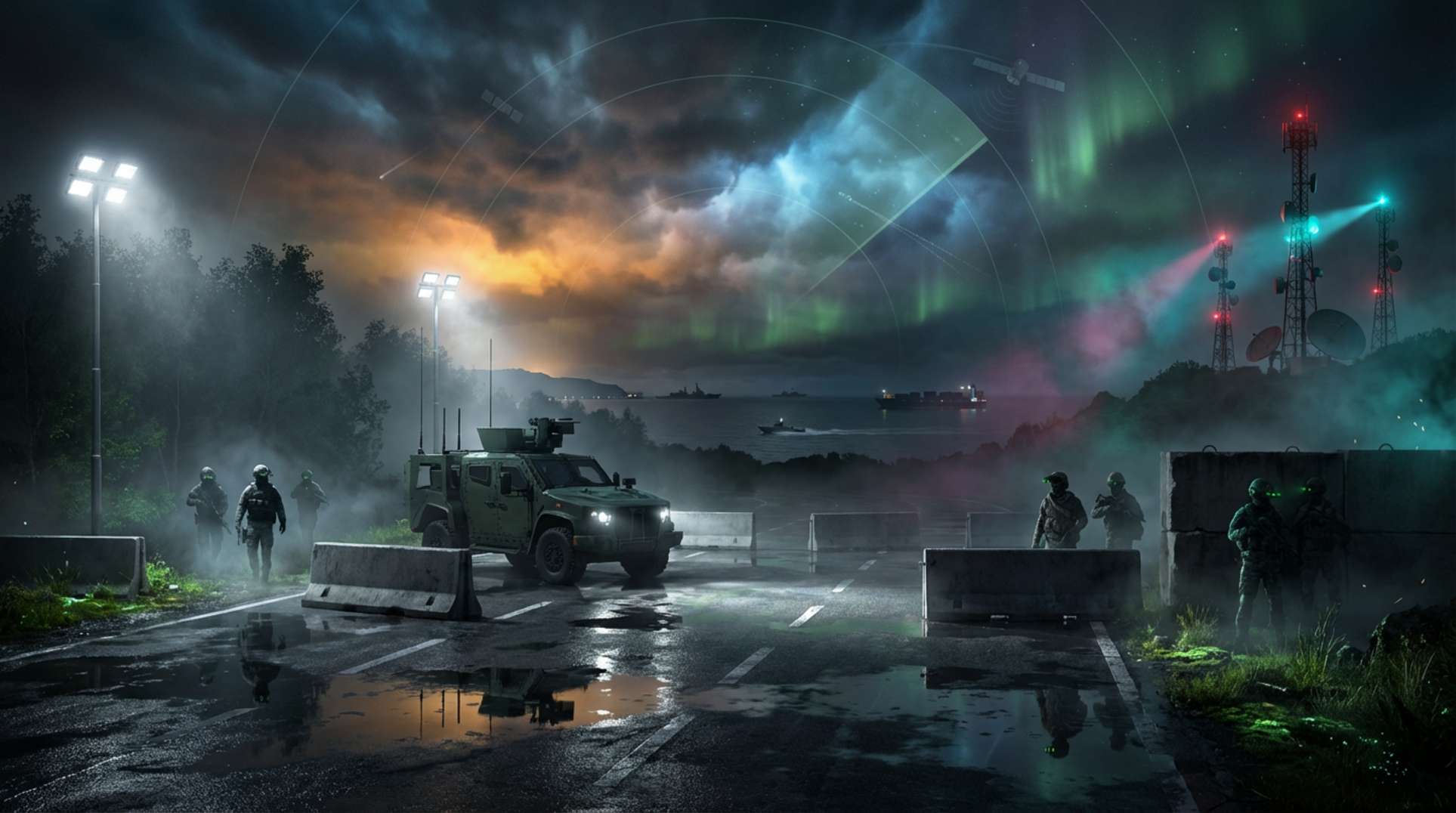
It’s October 2025, and Europe feels like it’s holding its breath. The war in Ukraine drags on, intelligence agencies trade shadows and whispers, and Russia’s SVR is firing off accusations that sound like chess pieces sliding into place before a checkmate. On October 6, the SVR pointed at the UK, claiming it was recruiting Ukrainian agents for a maritime false-flag attack—using Chinese gear to pin the blame on both Russia and China.
Rewind a week to September 30: the same agency alleged Polish and Ukrainian intelligence were gearing up to hit Polish infrastructure, disguised as Russian-Belarusian special forces. NATO troops stand vigilant, the ghost of the 2022 invasion looming large. Accusations fly back and forth, mirroring the info wars that preceded past flashpoints. The board is set, but the next play remains shrouded.
What Witnesses and Analysts Are Saying
Eyewitnesses from eastern Ukraine and Crimea in 2014 still describe those unmarked soldiers—the “little green men”—who seized buildings and checkpoints without a flag in sight. It later became clear these were Russian forces operating undercover, even as Moscow denied it all.
Advertisement
Military analysts and OSINT trackers call this “accusation in a mirror”: Russia charging NATO countries with the very false-flag tricks it’s been linked to before, perhaps to soften the ground for its own actions. In pro-Russian media and online circles, events like the 2022 Mariupol siege or 2024 Moscow attacks get painted as Western false flags, tied into stories of the New World Order or the “Golden Billion” elite scheming to dominate resources and crush the rest.
What exactly is Russia accusing NATO countries of?
Is there evidence of Russia using false flags in the past?
How have Western officials responded to these claims?
Could this lead to a direct Russia-NATO conflict?
What’s missing from the evidence?
Advertisement
Frequently Asked Questions
What exactly is Russia accusing NATO countries of?
Russia’s SVR has accused the UK, Poland, Ukraine, and others of planning false-flag attacks to draw NATO into a wider war, such as maritime strikes using Chinese equipment to frame Russia and China, or hits on Polish infrastructure disguised as Russian operations. These claims emerged in late September and October 2025.
Is there evidence of Russia using false flags in the past?
Yes, documented cases include the 1939 Mainila shelling to justify invading Finland, unmarked “little green men” in Crimea in 2014, and alleged 2022 plots in Ukraine plus cyber operations disguised as other actors. These patterns make current accusations worth examining closely.
How have Western officials responded to these claims?
U.S. and NATO officials dismiss Russia’s accusations as disinformation or pretext-building, while declassifying info on alleged Russian false flags. They frame it as part of Moscow’s hybrid warfare, but avoid predicting imminent attacks.
Could this lead to a direct Russia-NATO conflict?
The pattern of accusations raises concerns about escalation, like a staged incident on NATO territory blamed on others. Analysts debate if it’s just narrative fog or prep for action, highlighting risks of miscalculation between nuclear powers.
What’s missing from the evidence?
There’s no public hard proof—like leaked plans or satellite imagery—confirming the SVR’s specific claims against the UK, Poland, or Ukraine. This gap leaves room for skepticism, even as historical patterns suggest caution.
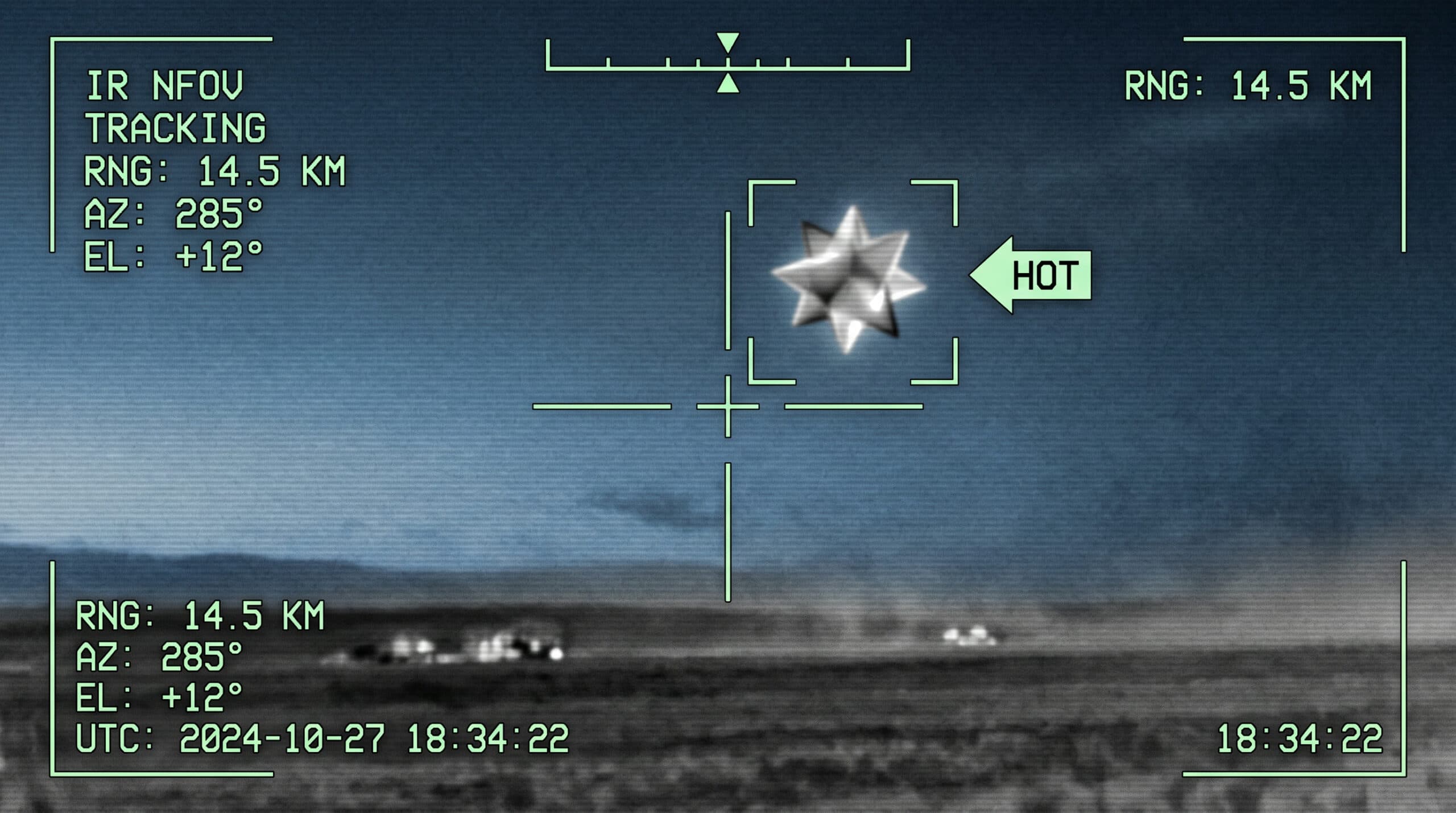
Ukrainian Defense Ministry Advisor Posts Star-Shaped UAP Video — and the Close-Ups Look Nothing Like a Drone
Serhii ‘Flash’ Beskrestnov released footage of a structured, star-shaped craft over Ukraine that has UFO researchers examining every frame for proof.
May 14, 2026 • 6 min read
Conspiracy Theories
Ukrainian Defense Ministry Advisor Posts Star-Shaped UAP Video — and the Close-Ups Look Nothing Like a Drone
Serhii ‘Flash’ Beskrestnov released footage of a structured, star-shaped craft over Ukraine that has UFO researchers examining every frame for proof.
May 13, 2026 • 6 min read
Articles
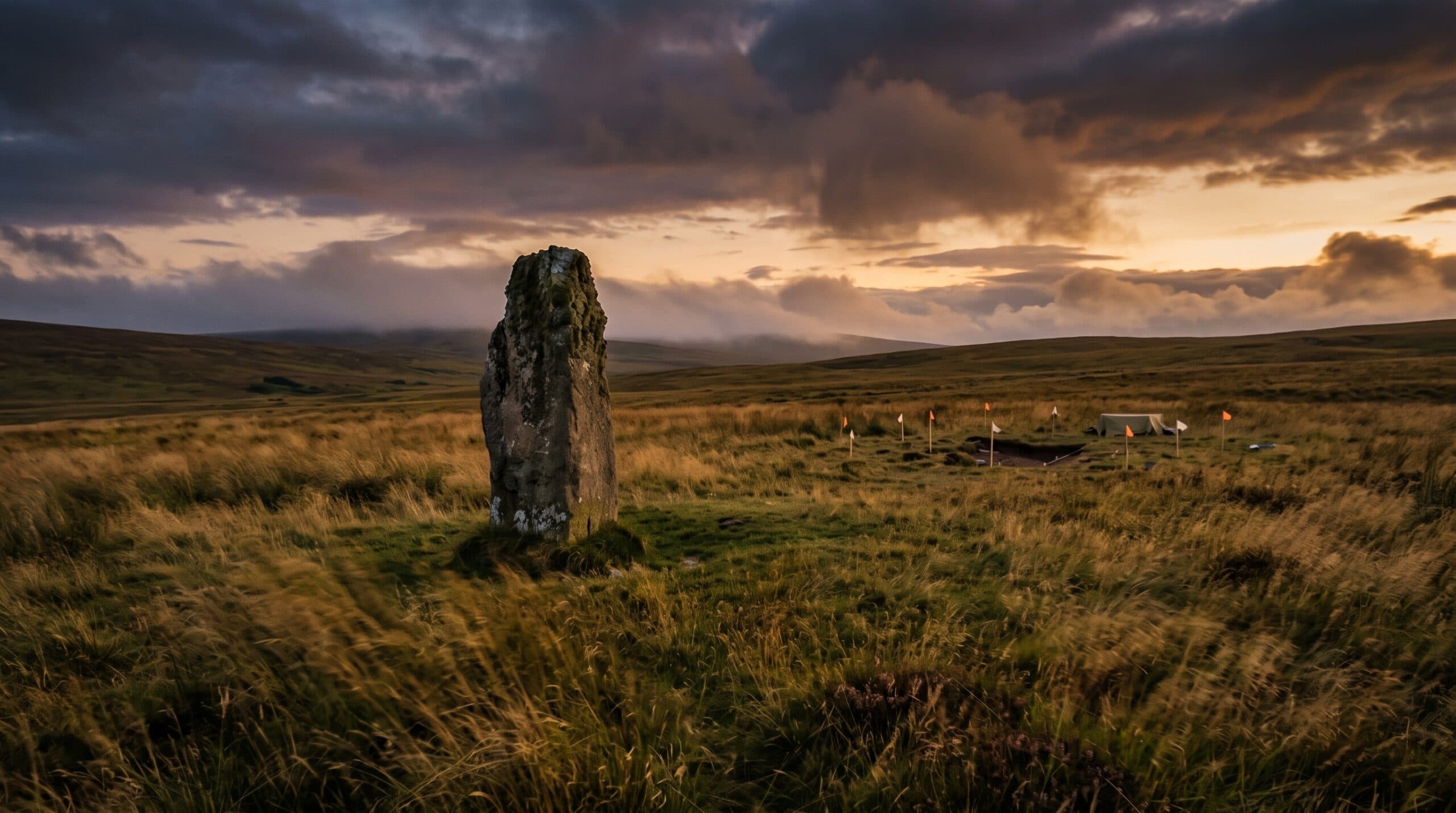
The Lonely Rock That Led Archaeologists to a 3,700-Year-Old Ritual Site
A single stone spotted by a student led archaeologists to a 3,700-year-old ritual site—and raised new questions about how ancient landscapes were read.
Aug 17, 2026 • 4 min read
Some Western fringe bloggers and geopolitics channels now suspect these SVR statements are scripting a staged hit on NATO spots, like in Poland or the Baltics, blamed on Ukraine or spies. Others in those communities urge caution—it could just be psyops, messaging for home audiences, keeping doors open without pulling the trigger.
Timelines, Patterns, and the Evidence We Can Actually Check
Let’s map this out with what we can verify. The recent SVR claims form a timeline:
Date
Actors
Type of Accusation/Operation
Sources
September 30, 2025
SVR accuses Polish and Ukrainian intelligence
False-flag attacks on Polish infrastructure disguised as Russian-Belarusian forces
Russian SVR statements
October 6, 2025
SVR accuses UK of recruiting Ukrainian agents
Maritime false-flag using Chinese equipment to frame Russia and China
Russian SVR statements
Late 2025 (general)
SVR multiple claims including Poland, Moldova, UK
At least three major false-flag accusations
Independent researchers’ counts
February 3, 2022
U.S. intelligence declassifies info on Russia
Alleged Russian false-flag plots in Ukraine using Ukrainian equipment like Bayraktar drones
U.S. declassified reports
2021
NATO reporting on Russian cyber ops
Cyber false flags posing as Iranian or ISIS actors
NATO reports
1939
Soviet forces shell Mainila
False-flag shelling blamed on Finland to justify Winter War invasion
Mainstream historical sources like BBC
2022 (pre-invasion)
Russian troop buildup in Belarus
Up to 30,000 troops alongside accusations against Kyiv
Public reporting on troop movements
These connect to proven patterns, like the 1939 Mainila incident or 2014 Crimea ops. But key evidence is absent—no leaked docs, intercepts, or satellite shots back up the SVR’s specifics on UK or Polish plots.
Official Narratives and the Shadow Readings They Invite
U.S. officials, like State Department’s Ned Price in 2022, brush off Russia’s accusations as disinformation, while sharing intel on supposed Russian false flags. NATO, through Jens Stoltenberg and its reports, views these as part of Russia’s hybrid arsenal—sabotage, jamming, masked hacks—but doesn’t claim they guarantee a big event soon.
Mainstream sources like the BBC nod to precedents like Mainila but see Moscow’s latest as info warfare to flip the script, rally support, and muddle blame. On the flip side, Russian state media spins NATO as the plotter, invoking NWO and Golden Billion tales of elite provocations at Russia’s edges.
Independent Western analysts split: some read the SVR details as hints of Russia mulling escalation, maybe a staged NATO hit blamed elsewhere. Others call it defensive bluster—to shield against blame and keep foes off-balance. Everyone agrees false flags and hybrid plays are in the mix; the fight is over who’s wielding them and how far they’ll push.
Standing on the Fault Line: What We Know, What We Don’t, and Why It Matters
We’ve got solid history: Soviet Mainila in 1939, Crimea’s unmarked troops in 2014, alleged 2022 Ukraine plots, and cyber fakes. It’s not paranoia to watch these patterns repeat.
In late 2025, the SVR keeps accusing NATO allies of false flags without proof we can check, while the West calls it playbook prep. The big questions linger: Is this just fog of war, or setup for a real strike on NATO soil? Could a faked incident in Poland or the seas ignite a Russia-NATO face-off? And with publics on both sides viewing every event as a plot, how does that spike miscalculation risks between nuclear powers?
Hold room for doubt and watchfulness—states do stage ops, but not every claim is a reveal. People from Donbas to Poland sift through stories, figuring which signals matter. In this game of shadows, spotting the real move might be the toughest part.
Frequently Asked Questions
Advertisement
Russia’s SVR has accused the UK, Poland, Ukraine, and others of planning false-flag attacks to draw NATO into a wider war, such as maritime strikes using Chinese equipment to frame Russia and China, or hits on Polish infrastructure disguised as Russian operations. These claims emerged in late September and October 2025.
Yes, documented cases include the 1939 Mainila shelling to justify invading Finland, unmarked “little green men” in Crimea in 2014, and alleged 2022 plots in Ukraine plus cyber operations disguised as other actors. These patterns make current accusations worth examining closely.
U.S. and NATO officials dismiss Russia’s accusations as disinformation or pretext-building, while declassifying info on alleged Russian false flags. They frame it as part of Moscow’s hybrid warfare, but avoid predicting imminent attacks.
The pattern of accusations raises concerns about escalation, like a staged incident on NATO territory blamed on others. Analysts debate if it’s just narrative fog or prep for action, highlighting risks of miscalculation between nuclear powers.
There’s no public hard proof—like leaked plans or satellite imagery—confirming the SVR’s specific claims against the UK, Poland, or Ukraine. This gap leaves room for skepticism, even as historical patterns suggest caution.
Art Grindstone is the hard-nosed storyteller behind Unexplained.co, a veteran investigator whose life’s work sits at the crossroads of the paranormal, fringe science, and the shadows most people try not to look into. With decades spent chasing impossible stories — black-budget psychic programs, vanished Cold War experiments, desert rituals that sparked UFO waves, and the strange phenomena buried in America’s forgotten backroads — Art brings a rare combination of skepticism, awe, and journalistic precision. He’s not here to debunk. He’s not here to blindly believe. He follows the evidence wherever it leads — even when it leads someplace deeply uncomfortable. Known for his immersive, cinematic style and his ability to turn obscure research into gripping narrative, Art has built a devoted following across podcasts, long-form features, documentaries, and serialized investigations. His interviews are direct. His analysis is unflinching. His voice has become a staple in the modern paranormal renaissance — the guy people turn to when a story is too strange, too complex, or too dangerous for anyone else to touch. Off-mic, Art works with a distributed network of researchers, archivists, and field operatives who help surface the stories mainstream media ignores. On-mic, he transforms their findings into meticulous, high-impact reporting that refuses to insult the intelligence of true believers. His philosophy is simple: Take the phenomenon seriously. Treat the audience with respect. Tell the story as if the world depends on it — because sometimes it does. When Art Grindstone digs into a case, he isn’t just chasing a mystery. He’s tracing the fault lines of reality itself.