Solar 'Plasma Rain' Warning: What NOAA Data Shows | Unexplained
Ancient Civilizations
Solar ‘Plasma Rain’ Warning: What NOAA Data Shows
Key Takeaways Claim: Over the last week, the radiation belts were described as ‘fully charged near observational maximum levels,’ and a near-term ‘triple burst’ of solar activity could trigger large-scale ‘plasma…
Art Grindstone is the hard-nosed storyteller behind Unexplained.co, a veteran investigator whose life’s work sits at the crossroads of the paranormal, fringe science, and the shadows most people try not to look into. With decades spent chasing impossible stories — black-budget psychic programs, vanished Cold War experiments, desert rituals that sparked UFO waves, and the strange phenomena buried in America’s forgotten backroads — Art brings a rare combination of skepticism, awe, and journalistic precision. He’s not here to debunk. He’s not here to blindly believe. He follows the evidence wherever it leads — even when it leads someplace deeply uncomfortable. Known for his immersive, cinematic style and his ability to turn obscure research into gripping narrative, Art has built a devoted following across podcasts, long-form features, documentaries, and serialized investigations. His interviews are direct. His analysis is unflinching. His voice has become a staple in the modern paranormal renaissance — the guy people turn to when a story is too strange, too complex, or too dangerous for anyone else to touch. Off-mic, Art works with a distributed network of researchers, archivists, and field operatives who help surface the stories mainstream media ignores. On-mic, he transforms their findings into meticulous, high-impact reporting that refuses to insult the intelligence of true believers. His philosophy is simple: Take the phenomenon seriously. Treat the audience with respect. Tell the story as if the world depends on it — because sometimes it does. When Art Grindstone digs into a case, he isn’t just chasing a mystery. He’s tracing the fault lines of reality itself.
5 min · 1,111 words
In This Report(7)
Key Takeaways
Claim: Over the last week, the radiation belts were described as ‘fully charged near observational maximum levels,’ and a near-term ‘triple burst’ of solar activity could trigger large-scale ‘plasma precipitation’ toward Earth, according to Stefan Burns’ video and channel.
Verified operational context: NOAA/SWPC provides real-time GOES X-ray, proton, and electron flux products, issuing watches and alerts when numeric thresholds are crossed—these serve as authoritative metrics for flare, proton, and electron events.
Unresolved: Peer-reviewed magnetospheric science confirms rapid precipitation events occur, like the one on March 17, 2013, but models and measurements don’t support the belts collapsing as a bulk plasma column to ground level; open questions include which specific GOES metric Burns references and whether confirmed near-simultaneous CMEs or shocks are expected.
A Charged Quiet Over the Night Sky
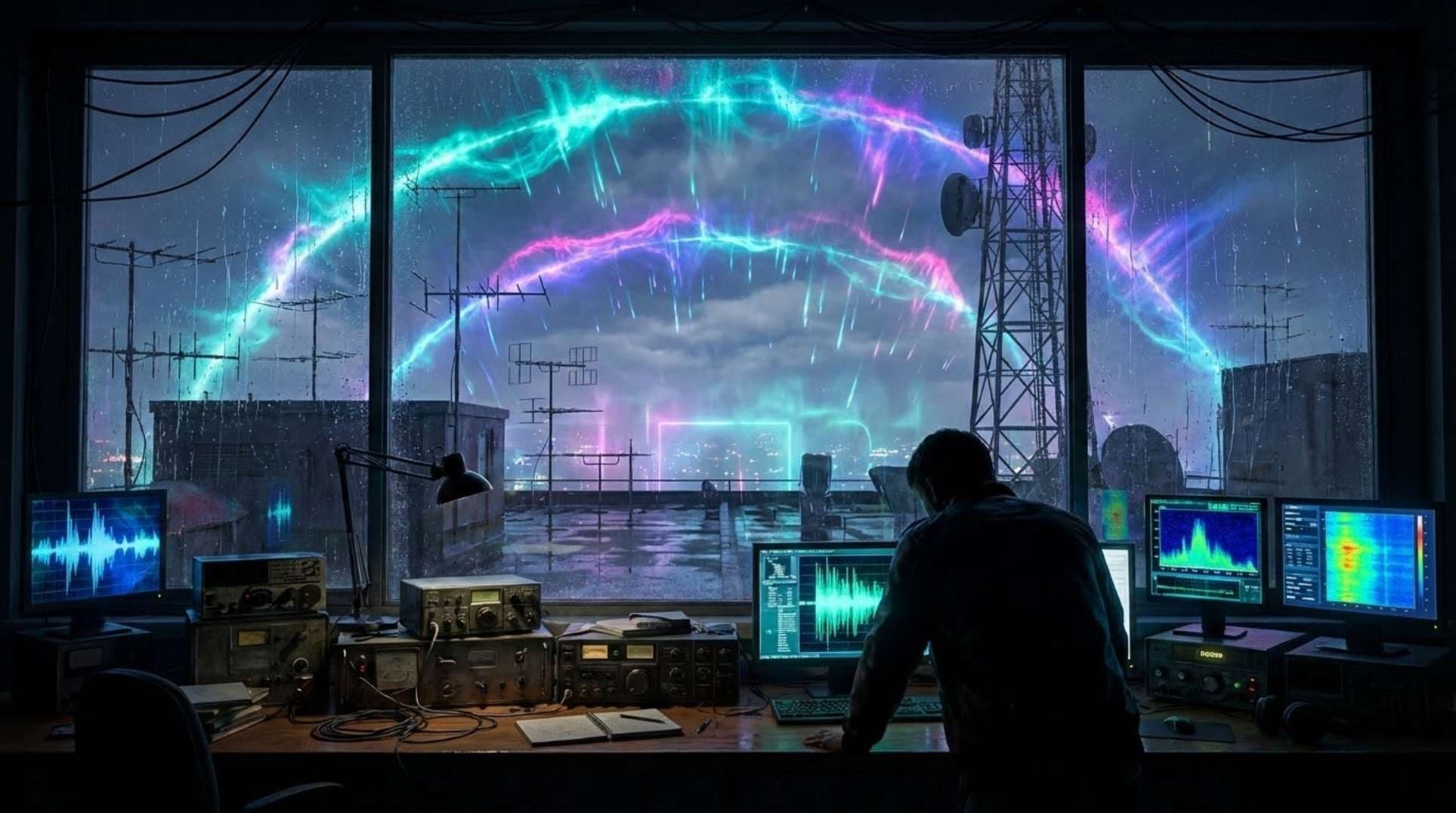
It’s 2 a.m., and the room hums with the low glow of monitors. GOES plots flicker across screens, tracing X-ray spikes and electron fluxes in real time. Kp readouts hold steady, but the air feels thick. Online, livestreams buzz with warnings—Stefan Burns’ latest video has the community on edge. Followers chime in from darkened rooms worldwide: some voice concern over what this could mean for the skies, others question the data points. Curiosity builds, alarm simmers beneath. Everyone watches for the next solar whisper, that subtle shift in the wind from space.
What Witnesses and Analysts Report
Stefan Burns’ video, titled ‘New Burst of Solar Activity Threatens a Mass Plasma Precipitation Event,’ lays it out plainly. He warns that the belts are ‘fully charged near observational maximum levels’ and points to a potential ‘triple burst’ that could lead to ‘mass plasma precipitation.’ Followers on his channel and site echo this, interpreting it as risks for expanded aurora displays, disruptions to infrastructure, and even physiological effects tied to ‘earth-energy’ shifts. Burns blends geophysics with alternative perspectives, which resonates with many who’ve felt these connections before.
Reactions pour in. Some describe subjective sensations—buzzing in the air, unusual tiredness—linking them to the warnings. Others focus on practical fears: electromagnetic disturbances that could knock out power or comms. But not everyone’s buying in without questions. On Reddit threads and geophysics forums, skeptics push back, noting that while precipitation events happen, they’re mostly confined to the upper atmosphere. They cite NOAA/SWPC product pages, emphasizing that real concerns center on infrastructure, not ground-level plasma shows. It’s a mix of alarm and analysis, with quotes from Burns’ video fueling debates across platforms.
What exactly is Stefan Burns claiming about the ?
evidence supporting precipitation events?
What do official sources say about recent solar activity?
How can readers monitor this themselves?
Are there real risks from this solar activity?
Frequently Asked Questions
What exactly is Stefan Burns claiming about the Van Allen belts?
Stefan Burns claims the radiation belts are 'fully charged near observational maximum levels' and that a 'triple burst' of solar activity could cause 'mass plasma precipitation' toward Earth. This comes from his video and channel posts, blending geophysics with alternative interpretations.
Is there any evidence supporting precipitation events?
Yes, peer-reviewed science confirms rapid precipitation events, like the March 17, 2013 storm. However, these are typically limited to the upper atmosphere, causing aurora or ionization, not bulk plasma reaching ground level.
What do official sources say about recent solar activity?
NOAA/SWPC provides real-time data and alerts for X-ray, proton, and electron fluxes, focusing on risks to satellites, radio, and power grids. They don't support claims of belts collapsing to the surface but acknowledge potential for events like expanded aurora.
How can readers monitor this themselves?
Check SWPC's realtime products, including GOES plots, Kp indices, and alert pages. Follow NOAA/NASA updates for watches and warnings, and compare against historical data like the 2013 storm for context.
Are there real risks from this solar activity?
Potential impacts include satellite anomalies, HF radio blackouts, degraded navigation, and enhanced aurora. Community reports of physiological effects are noted respectfully, though official data ties risks mainly to infrastructure.
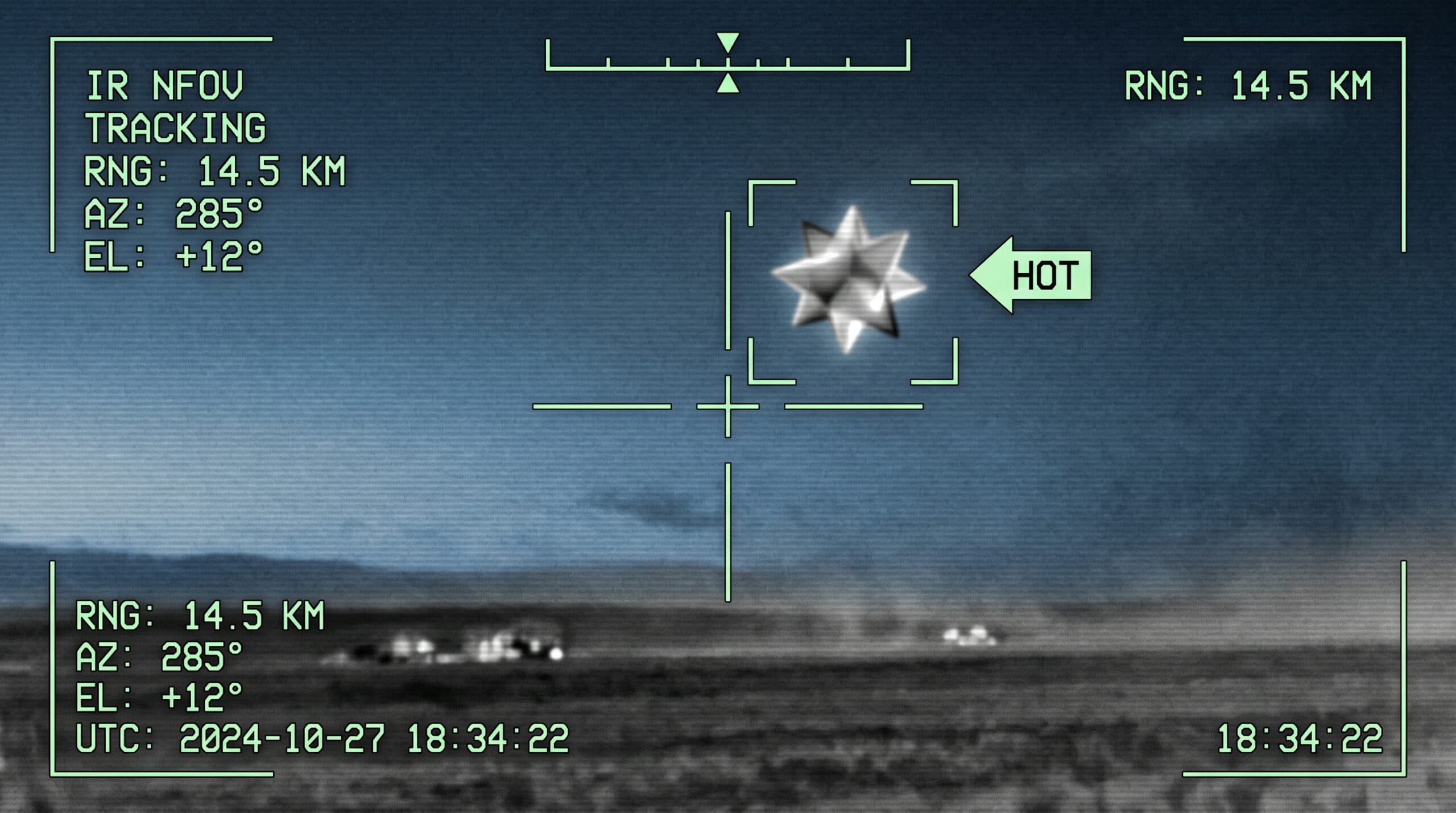
Ukrainian Defense Ministry Advisor Posts Star-Shaped UAP Video — and the Close-Ups Look Nothing Like a Drone
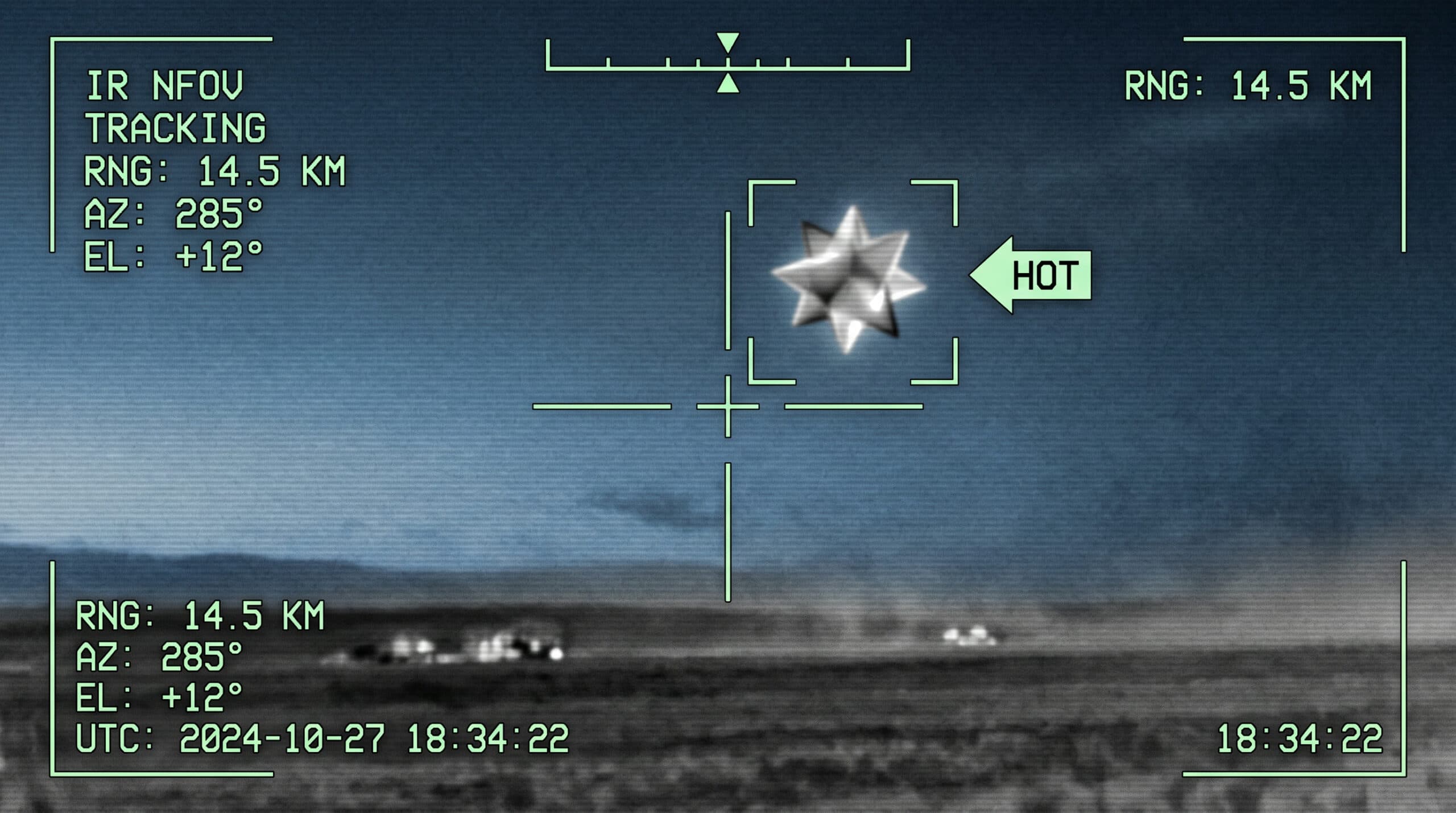
Serhii ‘Flash’ Beskrestnov released footage of a structured, star-shaped craft over Ukraine that has UFO researchers examining every frame for proof.
May 14, 2026 • 6 min read
Conspiracy Theories
Ukrainian Defense Ministry Advisor Posts Star-Shaped UAP Video — and the Close-Ups Look Nothing Like a Drone
Serhii ‘Flash’ Beskrestnov released footage of a structured, star-shaped craft over Ukraine that has UFO researchers examining every frame for proof.
May 13, 2026 • 6 min read
Articles
The Sunken Basilica of Iznik: Did a Lake Hide the Council of Nicaea?
A basilica beneath Lake Iznik has revived a 1,700-year-old question: was this the setting of the First Council of Nicaea, or a compelling archaeological near-miss?
Aug 18, 2026 • 6 min read
Advertisement
Timelines, Tracks, and Hard Data
To cut through the noise, let’s look at the measurable side. NOAA/SWPC’s GOES data offers timestamps on X-ray flux, proton levels above 10 MeV, and electron fluxes at geostationary orbits. Recent Kp indices show planetary magnetic activity, while ACE and DSCOVR provide solar wind details. For context, check historical events like the March 17, 2013 St. Patrick’s Day storm—a documented case of large precipitation and injection, analyzed in peer-reviewed papers.
Solar events in the last 7-10 days include observed flares and CMEs visible on LASCO and SDO imagery. Writers should pull ENLIL propagation models from SWPC for forecasted arrivals. Thresholds matter: X-ray classes map to R-scales (M/X flares hit R2/R3), proton alerts trigger at 10, 100, or 1000 pfu, and electron alerts for >2 MeV often start around 1000 pfu.
Date/Time
GOES X-ray Class
GOES Proton Flux (≥10 MeV pfu)
GEO Electron Flux (>2 MeV pfu)
Kp 3-hour
SWPC Alert Level
Modeled CME Arrival
Recent Week (Populate with actual data)
e.g., M-class
e.g., Below 10 pfu
e.g., ~500 pfu
e.g., 4
e.g., Watch Issued
e.g., Pending ENLIL
March 17, 2013
X-class
High (above 100 pfu)
Elevated
6+
Warning
Confirmed Arrival
This table compares claimed peaks against measured values—fill it with last week’s data and historical percentiles for clarity.
Official Story vs. What the Data Suggests
NOAA/SWPC runs the show on real-time monitoring, issuing alerts via their products page when thresholds cross. They track GOES data for satellite hazards, HF radio blackouts, and power grid vulnerabilities—guidance echoed by NERC and satellite operators. Research from the Van Allen Probes (2012-2019) backs this: electron and proton acceleration happens, with wave-driven precipitation dumping energy into the upper atmosphere as aurora or ionization. It’s not plasma raining down to the surface.
Yet community interpretations push further, seeing surface-level effects or physiological ties that official models don’t address. Where do they find ground? Uncertainties linger—integrated flux percentiles, energy spectra at certain L-shells, and predicting wave boosts after CMEs aren’t perfectly nailed down. Agencies maintain standard risks, but experiential reports carry weight in cultural contexts. We respect those frameworks while noting the technical gaps: precipitation is real, but shielded from ground reach.
What It All Might Mean
Precipitation events occur, with belts showing intense electron losses in documented cases. Physics and atmospheric barriers push back against full ‘collapse’ to visible ground plasma, though. For now, monitor SWPC’s GOES plots, Kp, and alerts—stick to NOAA/NASA for credible updates.
Advertisement
Open questions persist: Which GOES channels did Burns cite for ‘observational maximum’? Do ENLIL models confirm a ‘triple burst’ of synced CMEs? How do recent particle fluxes stack against historical extremes? Watch for satellite charging, HF blackouts, degraded GNSS, and brighter auroras—NASA’s Van Allen pages and SWPC alerts detail these.
Keep gathering evidence. If unusual sensory or electrical experiences crop up, document them respectfully—they hold cultural and psychological value, even without direct ties to radiation spikes. The skies hold patterns worth tracking together.
Stefan Burns claims the radiation belts are ‘fully charged near observational maximum levels’ and that a ‘triple burst’ of solar activity could cause ‘mass plasma precipitation’ toward Earth. This comes from his video and channel posts, blending geophysics with alternative interpretations.
Yes, peer-reviewed science confirms rapid precipitation events, like the March 17, 2013 storm. However, these are typically limited to the upper atmosphere, causing aurora or ionization, not bulk plasma reaching ground level.
NOAA/SWPC provides real-time data and alerts for X-ray, proton, and electron fluxes, focusing on risks to satellites, radio, and power grids. They don’t support claims of belts collapsing to the surface but acknowledge potential for events like expanded aurora.
Check SWPC’s realtime products, including GOES plots, Kp indices, and alert pages. Follow NOAA/NASA updates for watches and warnings, and compare against historical data like the 2013 storm for context.
Potential impacts include satellite anomalies, HF radio blackouts, degraded navigation, and enhanced aurora. Community reports of physiological effects are noted respectfully, though official data ties risks mainly to infrastructure.
Art Grindstone is the hard-nosed storyteller behind Unexplained.co, a veteran investigator whose life’s work sits at the crossroads of the paranormal, fringe science, and the shadows most people try not to look into. With decades spent chasing impossible stories — black-budget psychic programs, vanished Cold War experiments, desert rituals that sparked UFO waves, and the strange phenomena buried in America’s forgotten backroads — Art brings a rare combination of skepticism, awe, and journalistic precision. He’s not here to debunk. He’s not here to blindly believe. He follows the evidence wherever it leads — even when it leads someplace deeply uncomfortable. Known for his immersive, cinematic style and his ability to turn obscure research into gripping narrative, Art has built a devoted following across podcasts, long-form features, documentaries, and serialized investigations. His interviews are direct. His analysis is unflinching. His voice has become a staple in the modern paranormal renaissance — the guy people turn to when a story is too strange, too complex, or too dangerous for anyone else to touch. Off-mic, Art works with a distributed network of researchers, archivists, and field operatives who help surface the stories mainstream media ignores. On-mic, he transforms their findings into meticulous, high-impact reporting that refuses to insult the intelligence of true believers. His philosophy is simple: Take the phenomenon seriously. Treat the audience with respect. Tell the story as if the world depends on it — because sometimes it does. When Art Grindstone digs into a case, he isn’t just chasing a mystery. He’s tracing the fault lines of reality itself.