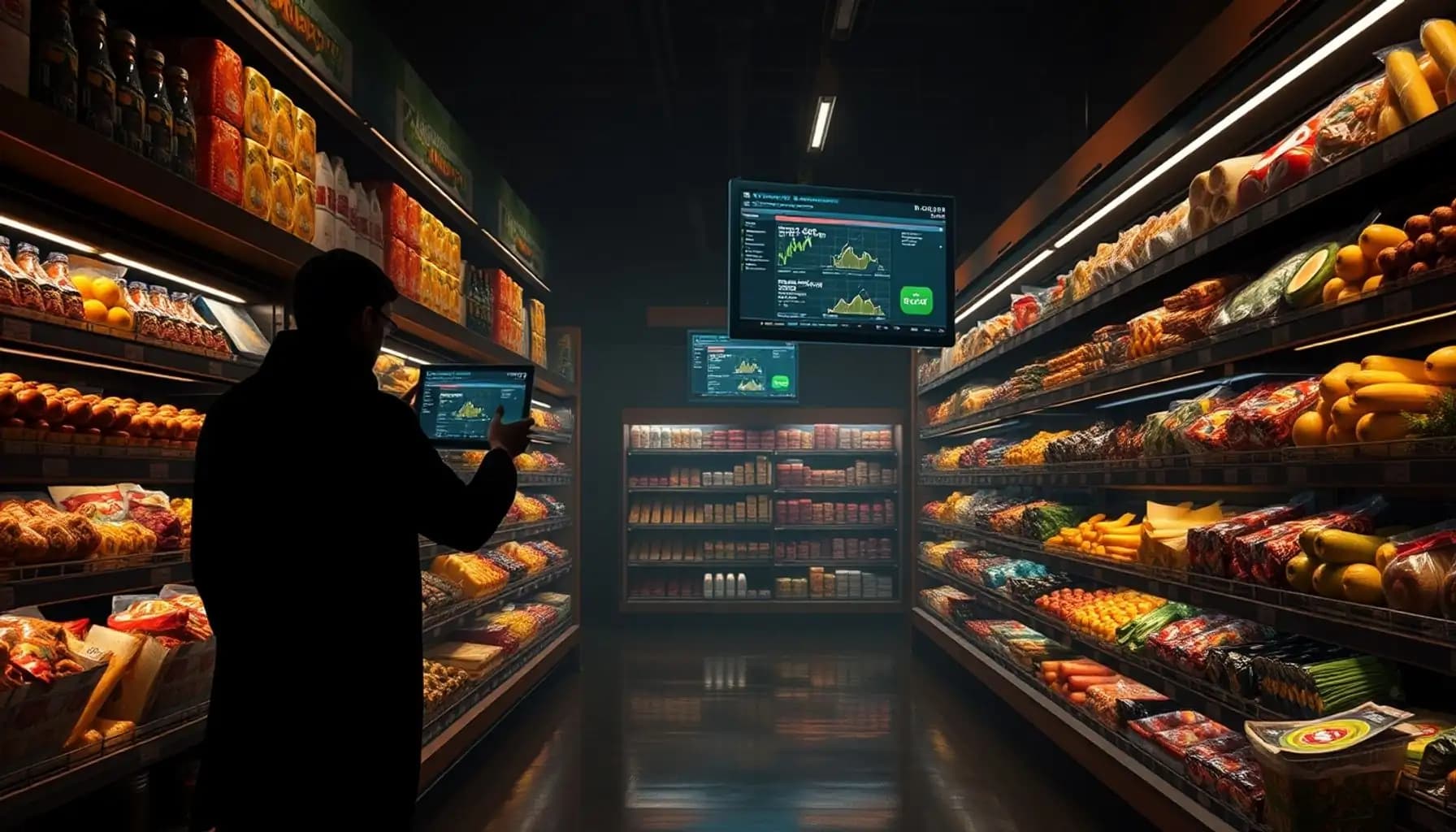

In a shocking revelation, America’s largest meat producers are allegedly involved in a price-fixing scheme that could reshape the food industry. Utilizing a little-known data company, Agri Stats, these corporations are accused of manipulating market prices, ultimately costing consumers billions. This blog post delves into the details of this scandal and the ongoing legal battle to restore fairness in the market.
Key Takeaways
- Agri Stats is at the center of a price-fixing scandal involving major meat producers.
- The Biden administration and several state attorneys general are taking action against these practices.
- The Sherman Act is being invoked to challenge the alleged collusion.
The Heart of the Scandal
Nestled in a nondescript office building, Agri Stats operates as a data company that connects the nation’s largest meat companies. This network allows these companies to share sensitive information, which is then allegedly used to manipulate market prices. The result? Higher grocery bills for consumers.
How It Works
Agri Stats compiles data on various aspects of the meat industry, including:
Advertisement
- Product prices
- Costs to raise animals
- Worker wages
- Market projections
This information is sold to companies like Tyson, Hormel, and Cargill, who use it to adjust their prices and limit supply. The outcome is a significant increase in profits for these companies, while consumers bear the brunt of inflated prices.
The Allegations
Attorney General Keith Ellison of Minnesota is leading the charge against Agri Stats. The lawsuit alleges that the company’s practices violate the Sherman Act, which prohibits conspiracies and collusion that reduce competition. The core of the complaint is that sharing critical information among competitors undermines market competitiveness.
The Data Game
Agri Stats provides detailed reports that allow meat processors to see:
Advertisement
- Their prices compared to national averages.
- The gap between their prices and those of the top competitors.
- Economic impact dollars, showing how much money they could potentially gain by raising prices.