The Hidden World of Secret Societies: What You Need to Know
Politics
The Hidden World of Secret Societies: What You Need to Know
Secret societies have always fascinated people. These groups, often shrouded in mystery, have played roles in shaping history and culture. From ancient times to the present day, they continue to intrigue us with their…
Art Grindstone is the hard-nosed storyteller behind Unexplained.co, a veteran investigator whose life’s work sits at the crossroads of the paranormal, fringe science, and the shadows most people try not to look into. With decades spent chasing impossible stories — black-budget psychic programs, vanished Cold War experiments, desert rituals that sparked UFO waves, and the strange phenomena buried in America’s forgotten backroads — Art brings a rare combination of skepticism, awe, and journalistic precision. He’s not here to debunk. He’s not here to blindly believe. He follows the evidence wherever it leads — even when it leads someplace deeply uncomfortable. Known for his immersive, cinematic style and his ability to turn obscure research into gripping narrative, Art has built a devoted following across podcasts, long-form features, documentaries, and serialized investigations. His interviews are direct. His analysis is unflinching. His voice has become a staple in the modern paranormal renaissance — the guy people turn to when a story is too strange, too complex, or too dangerous for anyone else to touch. Off-mic, Art works with a distributed network of researchers, archivists, and field operatives who help surface the stories mainstream media ignores. On-mic, he transforms their findings into meticulous, high-impact reporting that refuses to insult the intelligence of true believers. His philosophy is simple: Take the phenomenon seriously. Treat the audience with respect. Tell the story as if the world depends on it — because sometimes it does. When Art Grindstone digs into a case, he isn’t just chasing a mystery. He’s tracing the fault lines of reality itself.
8 min · 1,825 words
In This Report(37)
Secret societies have always fascinated people. These groups, often shrouded in mystery, have played roles in shaping history and culture. From ancient times to the present day, they continue to intrigue us with their hidden rituals, symbols, and influence.
Key Takeaways
Secret societies have existed since ancient times, evolving through the medieval period to modern days.
Rituals and symbols are crucial elements, including initiation ceremonies, secret languages, and unique iconography.
These societies have had significant impacts on political revolutions, cultural movements, and economic changes.
Famous secret societies like the Freemasons, the Illuminati, and Skull and Bones have captured public imagination.
Conspiracy theories and media portrayals often shape the public’s perception of these secretive groups.
Origins and Evolution of Secret Societies
Ancient Beginnings
Secret societies have been around since the dawn of civilization. Among the earliest secret societies of which historical evidence exists were the mystery religions of ancient Egypt, Greece, and Rome. These groups often centered around spiritual or religious rites. They provided a sense of belonging and a way to connect with the divine. Ancient secret societies laid the groundwork for many of the rituals and symbols we see in modern groups.
Medieval Developments
During the medieval period, secret societies began to take on more political and social roles. Groups like the Knights Templar emerged, blending religious devotion with military prowess. These societies often operated in the shadows, influencing events from behind the scenes. They used secret handshakes, coded clothing, and other methods to identify members and protect their secrets.
Advertisement
Modern Transformations
In modern times, secret societies have evolved to fit contemporary needs. Organizations like the Freemasons and the Illuminati have become well-known, often surrounded by myths and conspiracy theories. These groups continue to attract members from various walks of life, offering a sense of community and purpose. While their activities are still shrouded in mystery, their influence on society remains significant.
The Role of Rituals and Symbols
Initiation Ceremonies
Initiation ceremonies are a big deal in secret societies. They often involve dramatic rituals that make a strong emotional impact. Members might reenact scenes from holy books or legends. Physical objects like keys or swords are given special meanings. These ceremonies are designed to make members feel the weight of the occasion and the importance of the knowledge they gain.
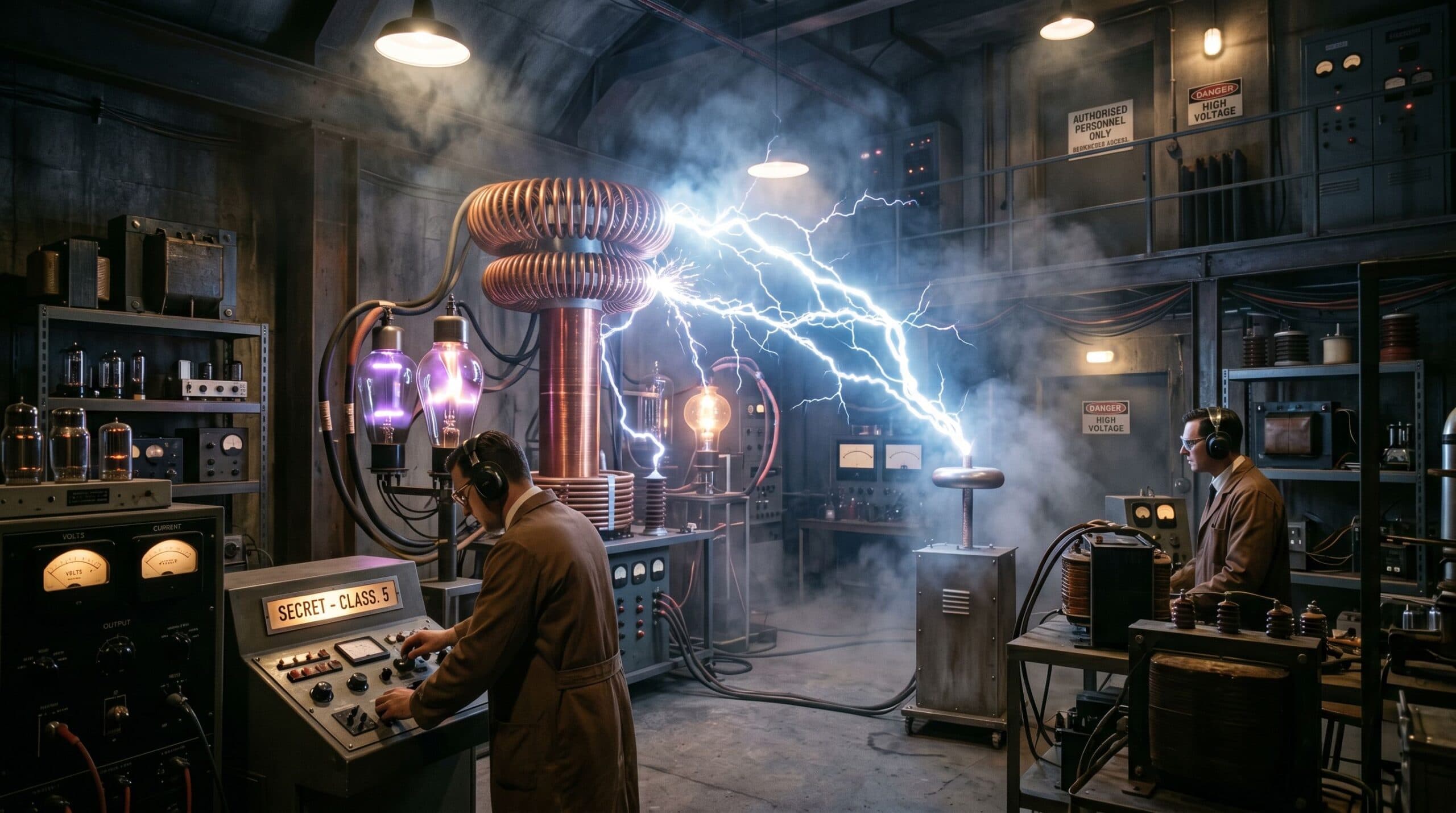
1957 Electrogravitics Secret: The Classified Research Program Whose Watchers Have All ‘Gone’
A viral essay claims that classified electrogravitics research made real progress in the 1950s — and that everyone who knew the truth about it has since disappeared from the public record. The story is spreading through high-strangeness forums.
May 14, 2026 • 7 min read
Conspiracy Theories
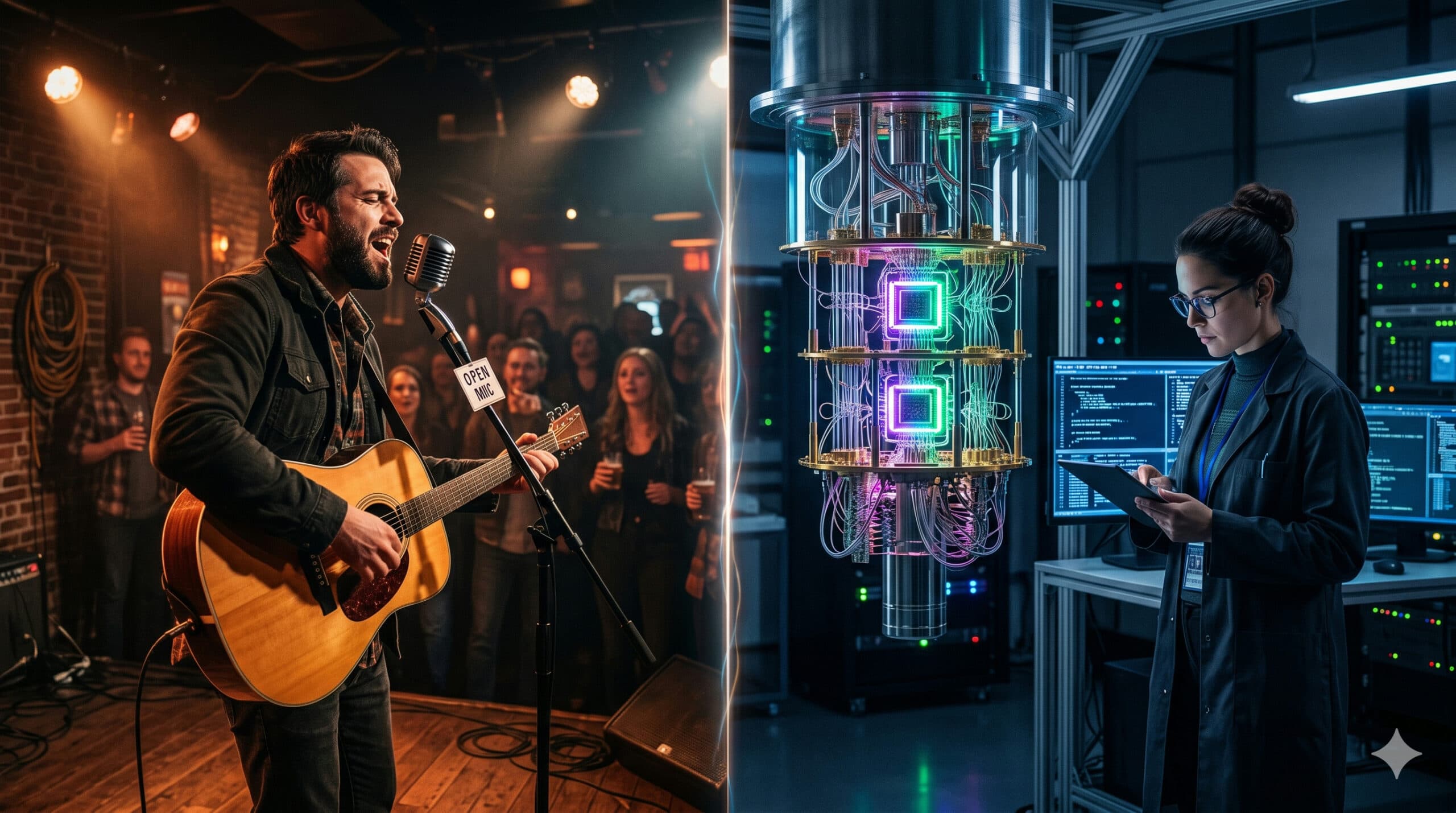
The Sandia Quantum Scientist Who Vanished: Ingrid Lane’s Double Life and the Mystery No One Solves
Ingrid Lane lived a double life — bipolar musician to the world, Sandia National Laboratories quantum computing scientist underneath. Then she disappeared. The story is a fixation in high-strangeness communities.
May 14, 2026 • 7 min read
Strange History
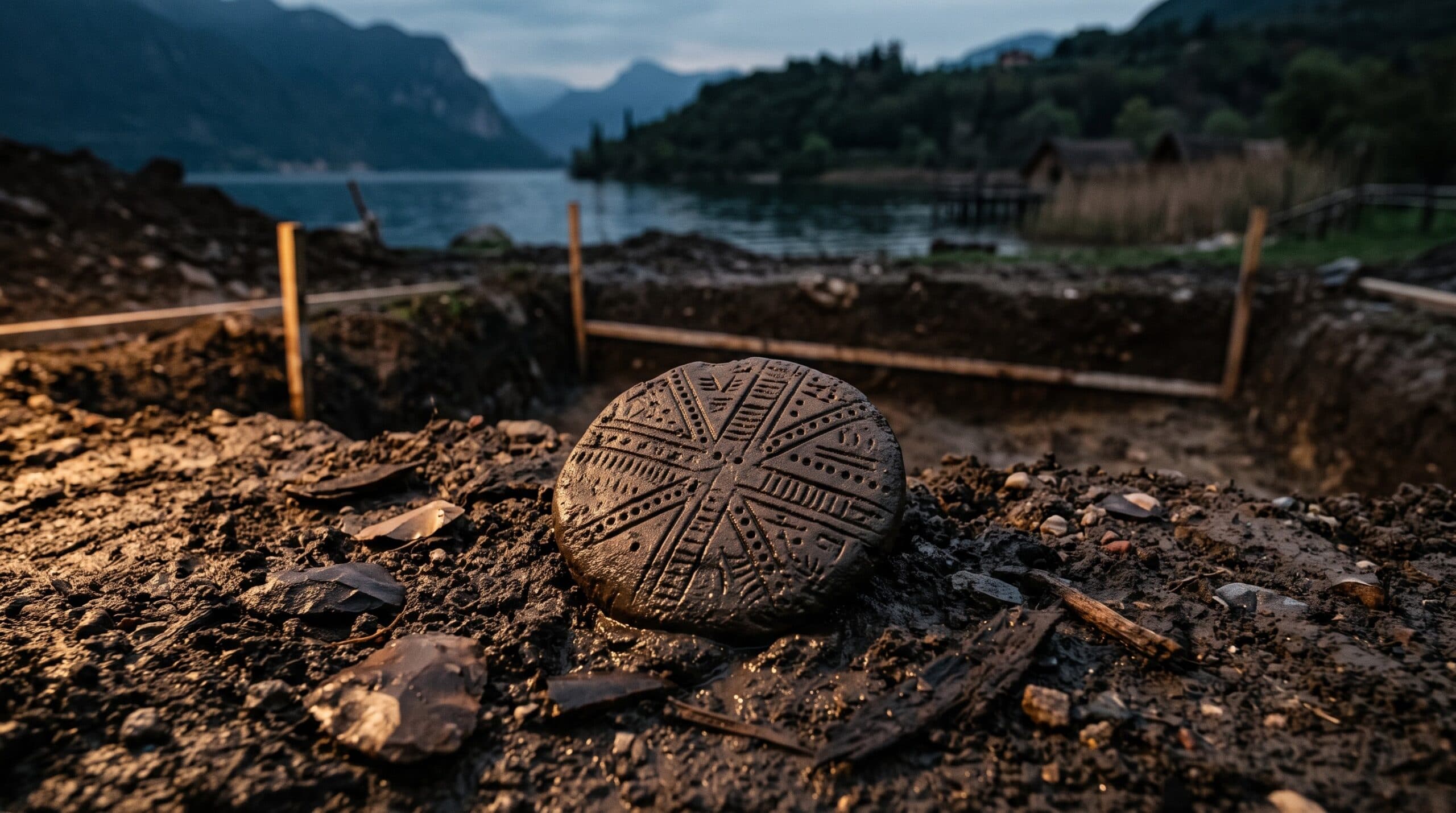
The 4,000-Year-Old Tablet Nobody Can Explain
An intact 4,000-year-old tablet from northern Italy carries geometric signs no one can read. Its real mystery may be the network behind it.
Aug 18, 2026 • 7 min read
Secret Languages and Codes
Many secret societies use secret languages and codes to communicate. These can include special handshakes, coded clothing, or even unique jewelry. These symbols help members identify each other and keep outsiders in the dark. It’s like having a secret club where only the members know the rules.
Iconography and Symbolism
Symbols are everywhere in secret societies. From the all-seeing eye to the double-headed eagle, these images carry deep meanings. They often represent the society’s beliefs or history. For example, the Freemasons use tools like the square and compass to symbolize moral lessons. Understanding these symbols can give us a glimpse into the society’s inner workings.
Rituals and symbols are not just for show; they serve to reinforce the society’s values and beliefs. They create a sense of belonging and mystery that keeps members engaged.
Secret societies have played a big role in shaping political revolutions. Freemasons were key players in the American Revolution. They provided a network for sharing revolutionary ideas. The Illuminati, though short-lived, is often linked to the French Revolution. Their influence is still a hot topic in conspiracy theories today.
Cultural Movements
From the Enlightenment to the Renaissance, secret societies have been at the heart of cultural shifts. They promoted new ways of thinking and artistic expression. Freemasonry, for example, supported the spread of Enlightenment ideals. This helped shape modern Western culture.
Economic Impacts
Secret societies have also had a hand in economic changes. They often acted as exclusive clubs for the elite, influencing trade and finance. The Freemasons included many influential businessmen. Their connections helped shape economic policies and practices.
Secret societies have left their mark on history in many ways. Their influence can be seen in politics, culture, and economics. They remain a subject of fascination and speculation.
The Freemasons are one of the oldest and most well-known secret societies. They started in the late 16th century and have members all over the world. Their rituals and symbols, like the square and compass, are famous. Many Founding Fathers of the United States were Freemasons. They focus on moral and spiritual development.
The Illuminati
The Illuminati began in Bavaria in 1776. They aimed to promote enlightenment ideals and reduce the influence of religion in public life. Over time, they became the subject of many conspiracy theories. People often link them to world domination plots. Despite their short existence, their legend lives on.
Skull and Bones
Skull and Bones is a secret society at Yale University. Founded in 1832, it has included many influential members, like presidents and business leaders. Their rituals are mysterious, and they meet in a building called “The Tomb.” They are known for their secrecy and powerful network.
Want to dive deeper into these secret societies? Get a Hoodie or T-Shirt and support us!
Conspiracy Theories and Public Perception
Popular Myths
Secret societies have always been a hot topic for conspiracy theories. From the Freemasons to the Illuminati, people love to speculate about their hidden agendas. Some believe these groups control world events from the shadows. But how much of this is true? Shows like Into the Parabnormal with Jeremy Scott dive deep into these theories, making us question what we know.
Media Representations
Movies, TV shows, and books often portray secret societies as powerful and mysterious. This fuels our imagination and sometimes our fears. The media can make these groups seem larger than life. Think about films like “National Treasure” or “The Da Vinci Code.” They make us wonder if there’s more to the story.
Advertisement
Public Reactions
People’s reactions to secret societies vary. Some are fascinated and want to learn more. Others are skeptical and dismissive. The Paradigm Shift in public opinion can be influenced by new information or sensational stories. It’s a mixed bag, and everyone has their own take on it.
Secret societies may influence events, but societal change is complex and involves many factors. It’s not just about hidden groups pulling the strings.
The Psychology Behind Secret Societies
Need for Belonging
We all want to fit in somewhere, right? Secret societies offer a sense of belonging. They create a tight-knit community where members feel special and valued. This feeling of being part of an exclusive group can be very powerful. It’s like having a second family that shares your interests and goals.
Power and Control
Who doesn’t want a bit of power? Secret societies often promise influence and control. Members might feel they have a say in important matters, even if it’s just within the group. This sense of power can be intoxicating. It makes people feel important and in charge. Shows like Ground Zero with Clyde Lewis often explore these dynamics.
Mystery and Intrigue
Let’s face it, we all love a good mystery. The secrecy itself is a big draw. The unknown elements keep members and outsiders alike fascinated. This allure of the unknown is often discussed in shows like “The Secret Teachings” and “Into the Parabnormal.” The rituals, the hidden symbols, the secret meetings—they all add to the mystique.
Secret societies tap into our basic human needs for belonging, power, and mystery. They offer a unique blend of community, influence, and intrigue that keeps us hooked.
Contemporary Secret Societies
Modern Examples
In today’s world, secret societies are still around. They might not be as obvious as before, but they still exist. These groups often include powerful and elite members. They work behind the scenes in business, politics, and even schools. Shows like Ground Zero with Clyde Lewis often talk about these modern secret societies.
Activities and Influence
What do these secret societies do? They have meetings, rituals, and secret codes. They also influence decisions in various fields. Some believe they shape major events. For example, they might have a say in elections or big business deals. On Ground Zero Radio, you can hear more about their hidden activities.
Future Outlook
What’s next for secret societies? They will likely keep adapting to the times. Technology might change how they operate. But their main goal will stay the same: to influence and control. As we move forward, shows like Everything Out There will keep us informed about their evolving roles.
Secret societies are like shadows, always present but rarely seen. They adapt and change, but their core remains the same: power and secrecy.
Ever wondered about the secret societies that exist today? Dive into the world of contemporary secret societies and uncover the hidden truths that shape our world. Our website offers exclusive content, in-depth research, and expert insights that you won’t find anywhere else. Don’t miss out on this fascinating journey. Visit our website now to start your exploration!
Conclusion
Secret societies have always been a part of human history, shrouded in mystery and intrigue. From the Freemasons to the Illuminati, these groups have sparked countless theories and stories. While some see them as powerful influencers behind major events, others view them as mere social clubs with elaborate rituals. Regardless of the truth, the fascination with secret societies continues. They remind us of our desire to uncover hidden truths and understand the unknown. As we explore their histories and legends, we gain insight into the complexities of human nature and society. So, whether you believe in their power or not, secret societies will always captivate our imagination.
Frequently Asked Questions
What is a secret society?
A secret society is a group or organization that keeps its activities, rituals, and membership confidential. They often have special initiation ceremonies and use secret symbols or codes.
Why do secret societies exist?
Secret societies often form to create a sense of belonging among members, to pursue shared goals, or to influence social, political, or economic matters without public scrutiny.
Are secret societies dangerous?
Not all secret societies are dangerous. Some are just social clubs with private traditions. However, some have been linked to illegal activities or harmful agendas.
What are some famous secret societies?
Some well-known secret societies include the Freemasons, the Illuminati, and Skull and Bones. Each has its own unique history and set of rituals.
Do secret societies still exist today?
Yes, secret societies still exist today. While some have become more open, others continue to operate in secrecy, influencing various aspects of society.
How do people join a secret society?
Joining a secret society usually requires an invitation from current members. The process often involves an initiation ceremony where new members swear oaths of secrecy.
Art Grindstone is the hard-nosed storyteller behind Unexplained.co, a veteran investigator whose life’s work sits at the crossroads of the paranormal, fringe science, and the shadows most people try not to look into. With decades spent chasing impossible stories — black-budget psychic programs, vanished Cold War experiments, desert rituals that sparked UFO waves, and the strange phenomena buried in America’s forgotten backroads — Art brings a rare combination of skepticism, awe, and journalistic precision. He’s not here to debunk. He’s not here to blindly believe. He follows the evidence wherever it leads — even when it leads someplace deeply uncomfortable. Known for his immersive, cinematic style and his ability to turn obscure research into gripping narrative, Art has built a devoted following across podcasts, long-form features, documentaries, and serialized investigations. His interviews are direct. His analysis is unflinching. His voice has become a staple in the modern paranormal renaissance — the guy people turn to when a story is too strange, too complex, or too dangerous for anyone else to touch. Off-mic, Art works with a distributed network of researchers, archivists, and field operatives who help surface the stories mainstream media ignores. On-mic, he transforms their findings into meticulous, high-impact reporting that refuses to insult the intelligence of true believers. His philosophy is simple: Take the phenomenon seriously. Treat the audience with respect. Tell the story as if the world depends on it — because sometimes it does. When Art Grindstone digs into a case, he isn’t just chasing a mystery. He’s tracing the fault lines of reality itself.